After a betta tank crash, I quickly assess water quality by testing ammonia, nitrite, nitrate, and pH. I remove any deceased fish and debris, then perform a 50–75% water change using dechlorinated or RODI water.
It’s essential to monitor behavior closely and consider adding antibacterial agents like Indian Almond Leaves. I set up a regular maintenance routine with weekly water changes and thorough testing to avoid future crashes. There’s much more to explore about recovery strategies.
Understanding the Causes of Tank Crashes
Understanding the causes of tank crashes is imperative if you want to maintain a healthy aquarium. A common culprit is the buildup of toxins from decaying organic matter, which deteriorates water quality and harms fish and corals. Sudden changes in water parameters, like pH and ammonia levels, can stress aquatic life, leading to mass die-offs.
It’s essential to avoid over-relying on chemical treatments without addressing maintenance issues, as this can worsen conditions. Inadequate filtration or equipment malfunctions can result in insufficient oxygenation and waste removal. Regular monitoring of water quality and making timely water changes are critical for prevention.
Immediate Steps to Assess Tank Health
When dealing with a tank crash, taking immediate action is essential to assess the health of your aquarium. First, I conduct a thorough water quality test, checking ammonia, nitrite, nitrate, pH, and temperature. Next, I remove any deceased fish and decaying materials to prevent harmful toxins from contaminating the water.
Then, I perform a significant water change—ideally 50–75%—using RODI or dechlorinated water to guarantee clean conditions. After that, I closely monitor the behavior and health of remaining fish for signs of stress or illness. Finally, I consider adding natural antibacterial agents like Indian Almond Leaves to promote healing during recovery.
Importance of Water Quality in Recovery
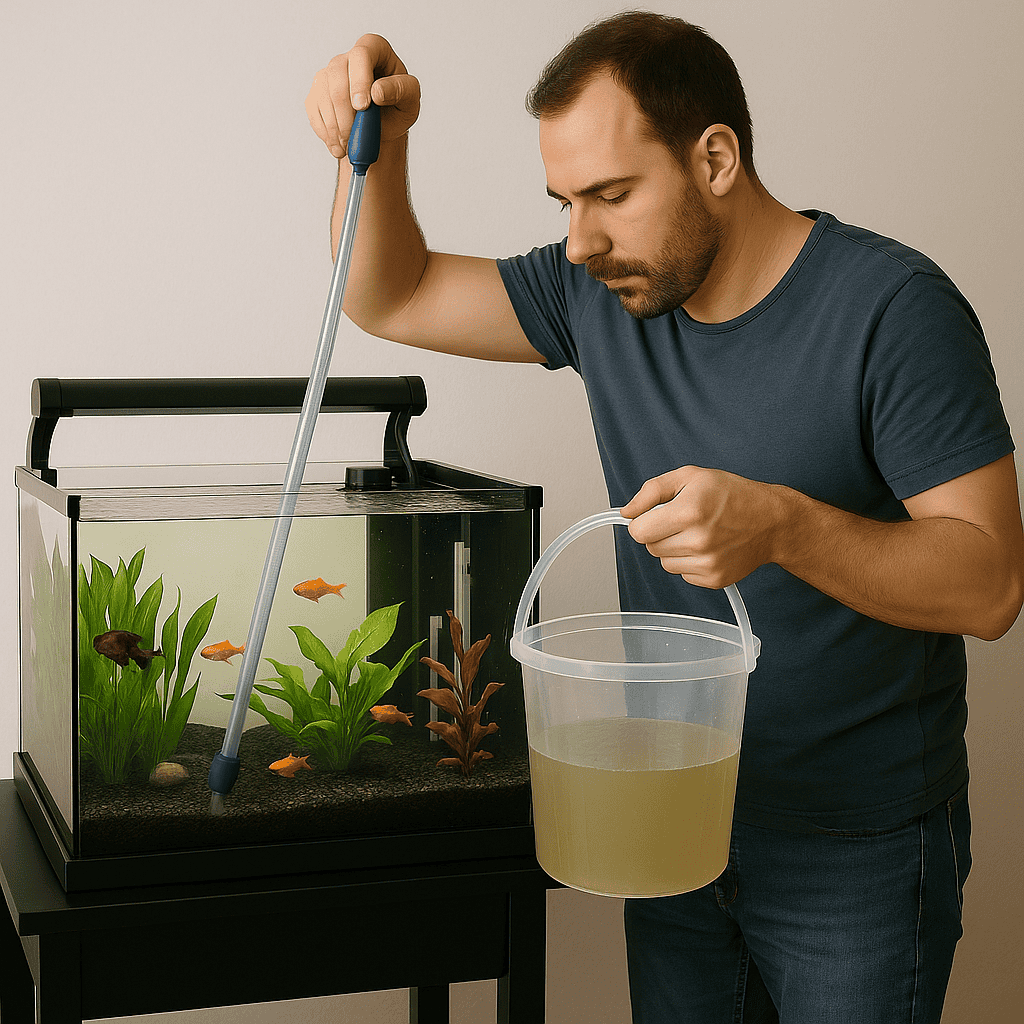
Water quality directly impacts the recovery of a betta fish after a tank crash. Maintaining pristine water prevents infections and promotes healing. I recommend performing regular water changes of 20–30% every few days to dilute toxins and improve overall conditions.
Additionally, using Indian Almond Leaves (IAL) can be advantageous—IAL naturally lowers pH, provides tannins, and offers antibacterial properties that support recovery. It’s important to monitor parameters like ammonia, nitrite, nitrate, and pH levels to guarantee a stable environment. Quick responses to any signs of infection, combined with high water quality, greatly increase survival chances.
Performing a Major Water Change
To effectively recover your betta after a tank crash, performing a major water change is crucial. Here’s how I do it:
- Use high-quality RODI water to prepare new saltwater.
- Verify the salinity, temperature, and pH levels match the existing tank environment.
- Mix and aerate the new saltwater for at least 24 hours before use.
- Monitor ammonia, nitrite, and nitrate levels during the change to assess tank health.
- After the water change, regularly monitor water parameters and your betta’s behavior.
Cleaning and Rebooting the Tank
After evaluating tank damage, I start the cleaning process by removing all decaying materials and rinsing the tank with RODI water to eliminate harmful toxins. Next, I perform a massive water change of at least 75% using freshly mixed saltwater to enhance water quality.
Once everything is clean, I allow the tank to dry completely before reinstalling equipment and decor to guarantee no contaminants remain.
Assessing Tank Damage
Begin with a thorough inspection to identify any dead organisms or decaying materials, as these can greatly impact water quality and harm remaining livestock. Check for signs of mold or algae growth and evaluate the condition of the substrate for debris. Inspect equipment for residues or contaminants and test water parameters to gauge toxicity levels.
Once assessed, perform a significant water change (about 75% of your reef tank’s volume) using freshly mixed RODI saltwater to rapidly improve conditions.
Thorough Cleaning Process
With the tank damage assessed and immediate threats addressed, it’s time to initiate a thorough cleaning process. First, I remove all decaying materials and rinse the rocks in clean saltwater to eliminate algae while preserving beneficial bacteria. Next, I utilize RODI water to rinse the tank and components, avoiding contaminants.
After cleaning, I let the rocks rest in aerated holding water for stabilization. Now, it’s time for a complete reboot—cycling the tank with a sacrificial fish, like a damsel, which allows me to test water parameters before gradually reintroducing corals and fish. Regular water changes and close monitoring are essential for the health of the new ecosystem.
Cycling the Tank for Stability
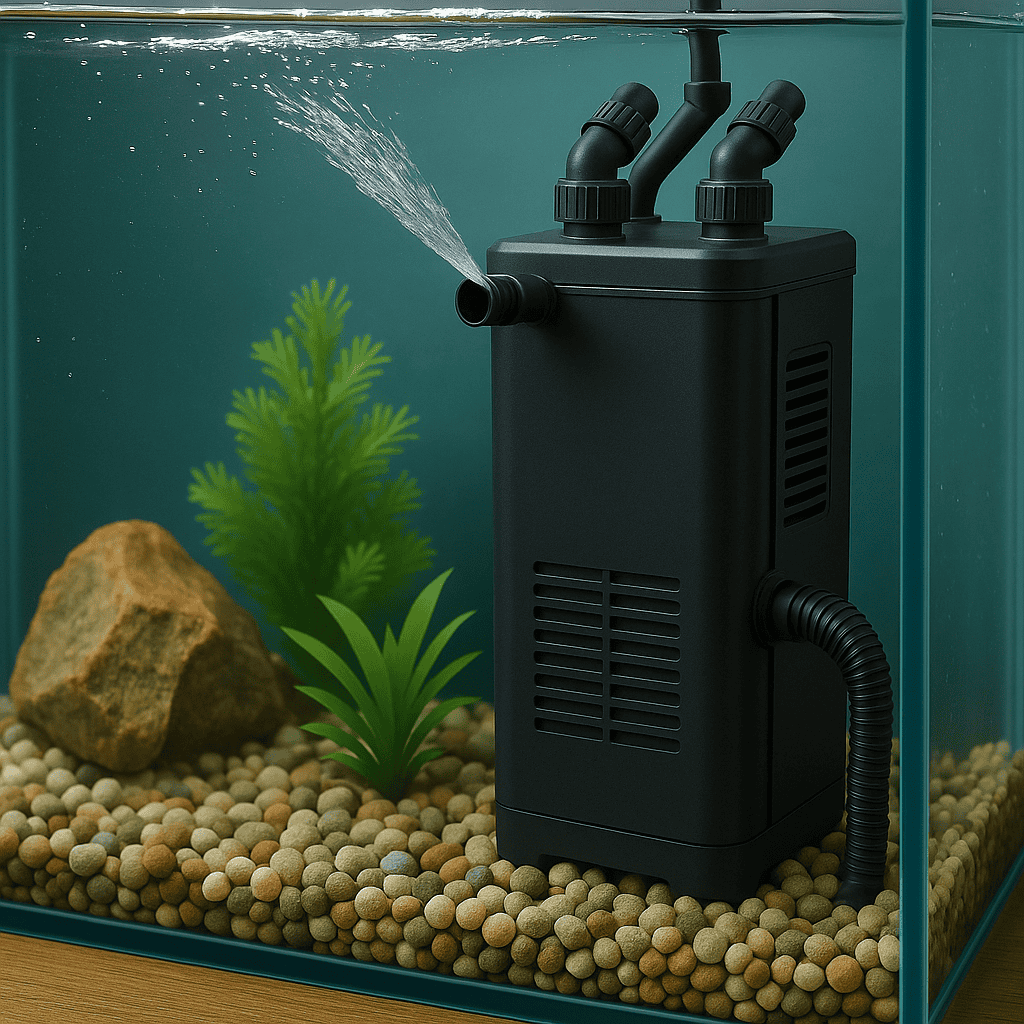
Cycling your tank anew is essential for restoring stability after a crash, as it helps establish a healthy environment for future inhabitants. Use bacterial supplements to introduce beneficial bacteria quickly. Employ seeding techniques by adding media or substrate from an established tank. Introduce a sacrificial fish, such as a damsel, while monitoring ammonia and nitrite levels. Conduct regular water tests to track progress. Maintain stable temperature and salinity to support bacterial health.
Selecting the Right Fish for Reintroduction
Selecting the right fish for reintroduction after a tank crash is vital for restoring balance and guaranteeing long-term health. I recommend opting for hardy species like danios or rasboras, as they tolerate fluctuations during cycling. Verify new fish have compatible temperaments with any remaining livestock to minimize stress and aggression.
Introduce them gradually, starting with a sacrificial fish to monitor water parameters effectively. Additionally, the bioload of new fish should be considered to avoid overwhelming filtration, and each species’ specific needs for temperature, pH, and diet should be researched.
Monitoring Water Parameters Closely
I can’t stress enough how essential it is to regularly test your water parameters during your betta’s recovery. You’ll want to monitor ammonia, nitrite, nitrate, pH, and temperature closely to maintain a stable environment. Keeping a log of these readings will help spot trends that could signal underlying issues.
Importance of Regular Testing
While it may seem tedious, consistent monitoring not only prevents disasters but also fosters a thriving environment. I’ve learned that regular testing is vital for maintaining water quality. Testing frequency should be weekly to catch issues early.
Use reliable liquid test kits for accuracy. Aim to keep ammonia at zero ppm, nitrite below 0.25 ppm, and nitrate under 20 ppm, with pH between 6.5 and 7.5. Implement regular water changes to refresh and balance water quality.
Key Parameters to Monitor
Monitoring key parameters is vital for guaranteeing a stable environment, especially during recovery periods. I regularly test for temperature, pH, ammonia, nitrite, and nitrate levels to support my betta’s health. Here’s a quick reference:
| Parameter | Ideal Range |
|---|---|
| Temperature | 76–82 °F (24–28 °C) |
| pH | 6.5–7.5 |
| Ammonia | 0 ppm |
| Nitrite | 0 ppm |
| Nitrate | < 20 ppm |
Don’t forget to perform regular water changes of 20–30% weekly to guarantee stability.
Long-term Care and Maintenance Strategies
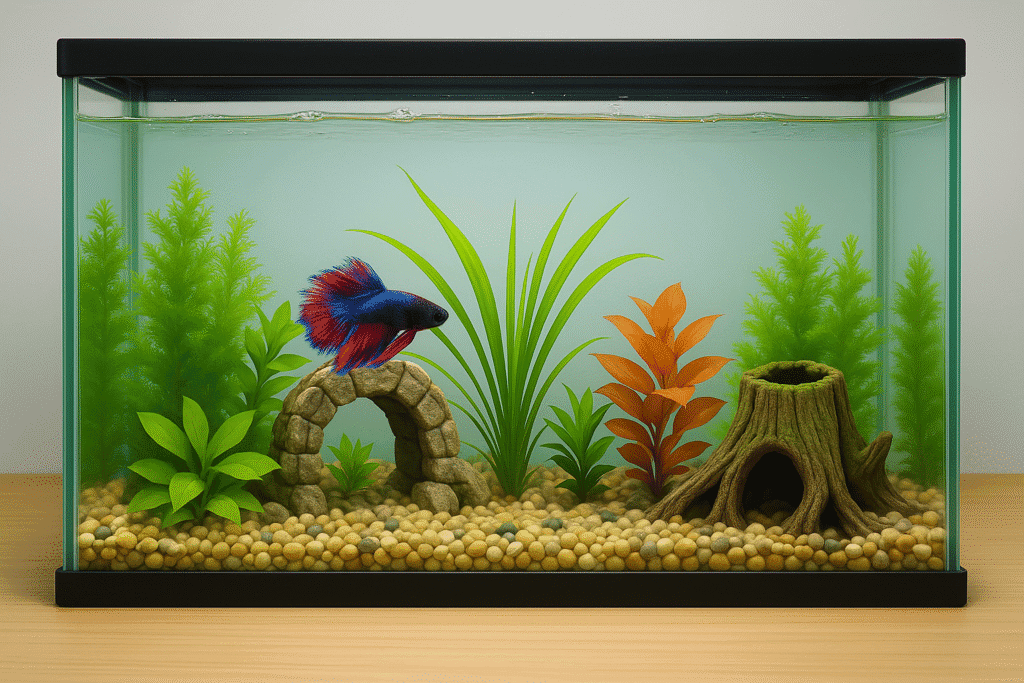
To guarantee your betta fish thrives long-term, adopt a thorough approach to tank care and maintenance. Maintaining a balanced ecosystem is fundamental. Here are some strategies I recommend:
- Regularly test water quality for ammonia, nitrite, nitrate, and pH.
- Implement a routine water change of 10–15% weekly.
- Invest in a reliable filtration system for ideal water clarity.
- Establish long-term feeding strategies with high-quality betta foods.
- Engage in routine maintenance by cleaning decorations and removing algae promptly.
- Conduct fish compatibility assessments if you have tank mates to create a harmonious environment.
Learning From the Experience and Moving Forward
After the tank crash, I realized that embracing the lessons learned is essential for future success. Consulting with the aquarium community helped build stronger practices moving forward. By implementing a structured approach to maintenance and recovery, I’m better equipped to prevent similar issues down the line.
Embracing Lessons Learned
Experiencing a tank crash can be a harsh wake-up call, but it also offers a unique opportunity for growth in my fishkeeping journey. Here are some essential lessons I’ve embraced:
- Regular water quality testing is non-negotiable for maintaining a healthy environment.
- Documenting recovery steps helps in future aquarium management decisions.
- Engaging with online communities provides invaluable support and shared best practices.
- Upgrading to a robust filtration system or using RODI water guarantees better stability.
- Cultivating emotional resilience fosters patience and understanding in fishkeeping.
Building Stronger Practices
While reflecting on the recent tank crash, I’ve identified specific practices that can greatly strengthen my approach to fishkeeping moving forward. First, I’ll prioritize preventative measures, like regular water quality testing and consistent maintenance, to guarantee stable tank conditions.
Engaging with the community through forums and local groups will provide invaluable insights and shared experiences. Keeping a well-stocked aquarium medicine cabinet will facilitate quick responses to health issues. Finally, I’ll document my tank’s conditions and changes, creating a reference guide that helps me recognize patterns and improve practices over time.
Conclusion
Recovering from a betta tank crash can be challenging, but with careful assessment and diligent care, your aquarium can thrive again. By prioritizing water quality and following the necessary recovery steps, you’ll restore your tank and create a healthier environment for your fish.
Remember to monitor parameters closely and learn from your experience. With patience and attention, you’ll turn this setback into an opportunity for a more resilient aquatic habitat.