When feeding Betta fish, it helps to follow the 5–10 minute guideline for uneaten food. If leftovers remain after that window, remove them promptly to prevent poor water quality spikes. Decomposing food releases toxins that harm water conditions and stress bettas. Prompt removal supports clean water conditions in the aquarium. Still, I watch each feeding closely to gauge how much is eaten, ensuring I only offer what will be consumed.
The Importance of Timely Food Removal
One critical aspect of maintaining a healthy aquarium is the timely removal of uneaten Betta food. Adopting the rule of thumb of clearing leftovers within five minutes guarantees that waste doesn’t linger long enough to spike ammonia or nitrite, thereby preserving correct water parameters. Decomposing food lowers oxygen levels and can encourage algae growth, further muddying the tank’s cloudy water appearance. By acting quickly to scoop out any uneaten bits, I contribute to balanced tank conditions.
Understanding Ammonia and Nitrite Risks
Understanding the risks of ammonia and nitrite in your aquarium water is vital for betta health. When uneaten food breaks down, it releases toxic ammonia and nitrite, which can lead to gasping at the surface and erratic swimming behaviors. Tanks without a mature biological filter are especially vulnerable, so it’s important to test water temperatures and chemical levels regularly. I always aim to keep both ammonia and nitrite at zero ppm by maintaining correct Betta water parameters and conducting frequent checks.
Best Practices for Feeding Betta Fish
Maintaining ideal water conditions is closely linked to feeding practices. Only feed what can be consumed within about five minutes, so uneaten pellets don’t compromise water quality. Each Betta has unique habits—some will attack food enthusiastically, while others nibble cautiously—so observation is key. A balanced diet of pellets, flakes, and occasional live treats like mosquito larvae keeps fish healthy. I establish a consistent schedule so my Betta anticipates feedings, reducing stress and cold water surprises.
| Action | Timeframe | Purpose |
|---|---|---|
| Feed | 5 minutes | Control uneaten food |
| Observe behavior | During feed | Identify feeding habits |
| Remove uneaten food | Immediately | Maintain water temperatures and clarity |
Tools for Efficient Food Removal
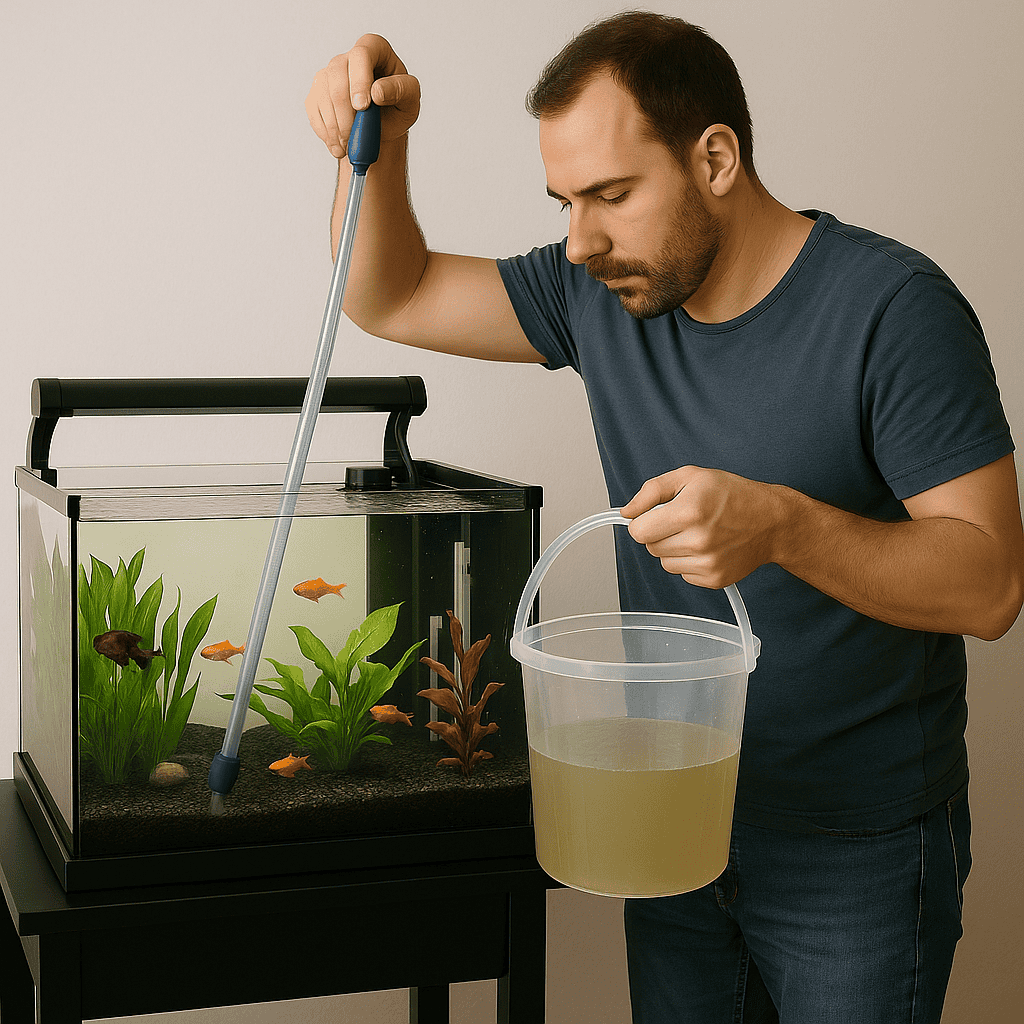
Efficient removal of uneaten Betta food is essential for clean substrates. A turkey baster or syringe extracts leftovers without disturbing gravel. A fine mesh net works well for larger flakes, allowing water to drain back into the tank. For deep cleaning, a siphon vacuum removes debris and maintains proper water temperature. I keep dedicated tools for fish care to avoid cross-contamination, promoting balanced diet routines and sustained water health.
Observing Betta Behavior During Feedings
Observing bettas during feeding reveals much about their comfort level. Some fish dart at flakes, while shy individuals linger at the bottom. A consistent feeding routine fosters trust. I notice that when fish feel secure, they feed more confidently, leaving fewer remnants behind. This insight helps me adjust portion sizes to prevent cold water shock and sustain balanced water conditions.
Feeding Response Variability
Feeding response variability is common among bettas. Some attack food immediately, whereas others take time to warm up. This hesitation can lead to uneaten food, increasing the risk of ammonia spikes. Establishing predictable meal times encourages reluctant eaters to engage. I start with small portions and gradually increase as appetite grows, ensuring a balanced diet without overfeeding.
Comfort and Routine
Comfort and routine directly influence Betta’s appetite. In new tanks, fish often seem hesitant to eat, which can result in decaying food and poor water quality issues. Setting a regular feeding schedule helps them adjust, and I sometimes introduce a mirror briefly to stimulate feeding. This approach maintains aquarium water health and encourages confident feeding behaviors.
Maintaining a Clean Aquarium Environment
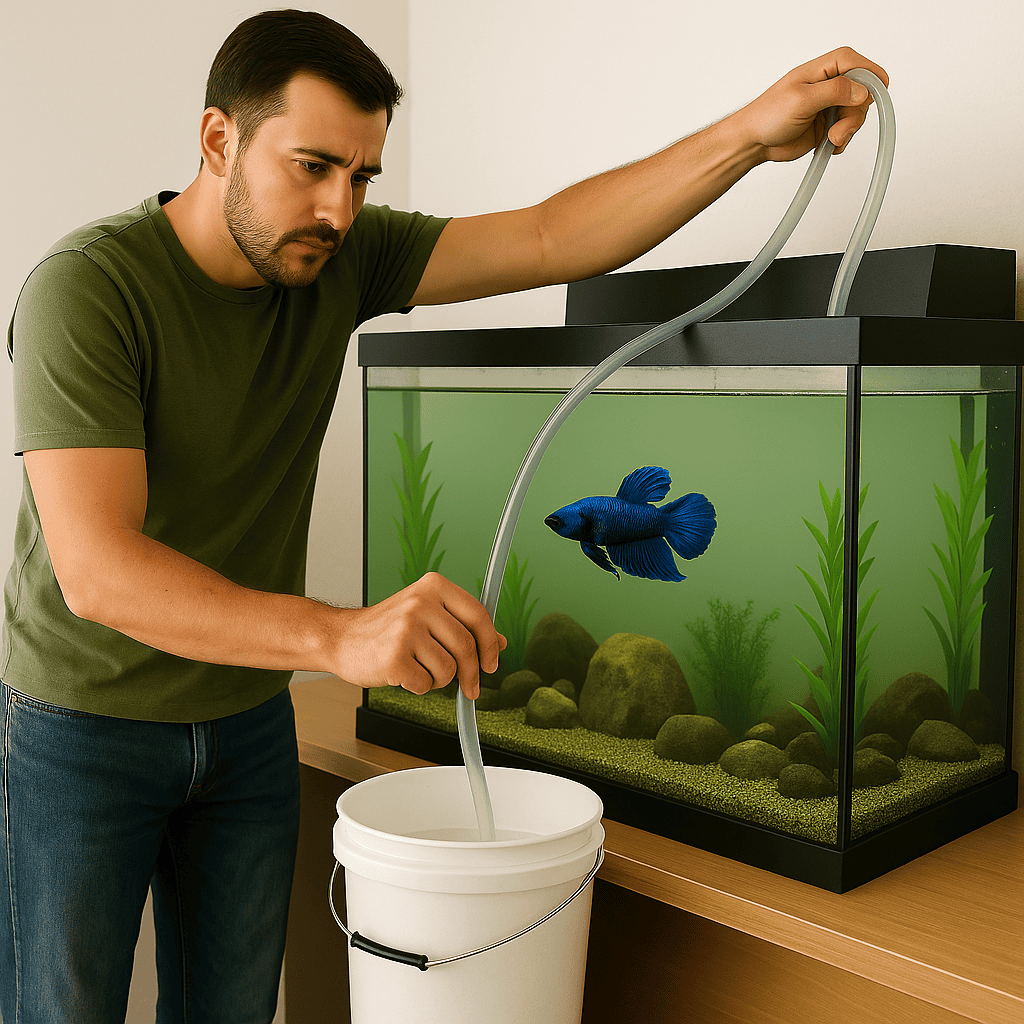
Maintaining a clean aquarium environment begins with preventing uneaten food from lingering. Removing leftovers within five to ten minutes limits toxin release and keeps nitrates low. Weekly water changes of 10–25 percent paired with substrate vacuuming help sustain clean water conditions. I also consider adding snails or shrimp as natural cleanup crews to manage debris.
Importance of Regular Cleaning
Regular cleaning is essential for preventing the common mistake of neglecting decaying food. Performing weekly water changes and gravel vacuuming removes waste and keeps water temperatures stable. Scavengers like snails help consume stray flakes, contributing to ideal water conditions. Consistency in cleaning routines ensures a thriving aquatic ecosystem.
Managing Uneaten Food
Effectively managing uneaten food is crucial for tank health.
- Limit feedings to what Betta can eat in 2–3 minutes to avoid waste.
- Siphon or turkey baster removal prevents ammonia and nitrite buildup.
- Introduce bottom dwellers like shrimp to help clear leftover bits.
- Monitoring after feeding helps maintain the correct water temperature and clarity.
Enhancing Water Quality
Enhancing water quality hinges on the proactive removal of decomposing food. Clearing food within minutes prevents toxic spikes that stress fish. Decomposing material depletes oxygen and disrupts beneficial bacteria. Regular substrate cleaning and water changes maintain optimal aquarium water parameters. Introducing cleanup crews also mitigates leftover debris, sustaining a vibrant tank.
Adjusting Feeding Strategies Based on Fish Comfort

Adjust feeding strategies based on your Betta’s behavior:
- Establish consistency to foster security.
- If food remains after five minutes, consider portion size or stress factors.
- Gradually introduce new foods to avoid overwhelming cold or colder water environments.
- These steps help achieve correct water parameters and confident feeding habits.
Conclusion
Adhering to the 5–10 minute rule for uneaten Betta food is essential for avoiding ammonia and nitrite hazards. Prompt removal safeguards water quality and supports a healthy, happy fish. Observing feeding behavior refines portion sizes and improves comfort. Utilizing proper tools and maintaining a balanced diet will promote a thriving Betta and a beautifully clear tank.