As a betta fish owner, I’ve found that dragon scale bettas, admired for their metallic armor, face significant risks of developing diamond eyes. This genetic anomaly leads to scale overgrowth over their eyes, resulting in vision impairment and potential blindness. It’s particularly common in platinum dragon scale variants due to selective breeding. Understanding how this condition arises and its management is essential for the well-being of your betta. There’s much more to explore about keeping these beautiful fish healthy.
What Is Diamond Eye?
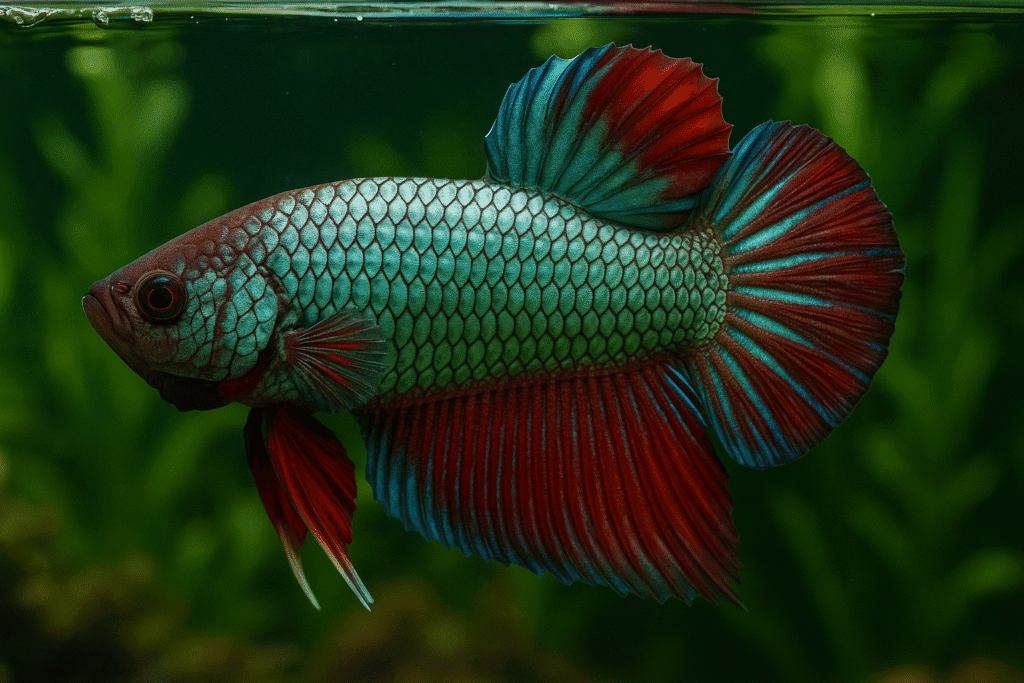
Diamond eye, or moon eye, is a genetic anomaly characterized by an overgrowth of scales over a betta fish’s eyes, which can lead to blindness. This condition manifests slowly, often developing over months or years, and may affect one or both eyes, partially or fully obscuring them.
Certain breeds, like platinum dragon scale, metallic, and marble bettas, are particularly susceptible due to selective breeding practices. While diamond eye typically results in blindness, it does not shorten the fish’s lifespan or induce physical pain. Unfortunately, no treatments exist for this condition, and prevention methods are largely ineffective due to its genetic nature. Understanding the diamond eye is vital for those committed to the welfare of these beautiful aquatic companions.
Are All Betta Fish At Risk Of Diamond Eye?
Not all betta fish face the risk of developing diamond eye; it’s particularly prevalent in breeds like platinum dragon scale, metallic, and marble bettas. This susceptibility stems from selective breeding practices that enhance specific traits, inadvertently increasing genetic predisposition. Other varieties, such as standard fin or crown tail bettas, generally show a lower risk, highlighting the importance of breed selection in this scenario.
Breeds Most Affected
While many betta fish exhibit stunning colors and patterns, certain breeds are more vulnerable to developing diamond eyes due to their genetic predispositions. Specifically, platinum dragon scale, metallic, and marble bettas are at heightened risk. This vulnerability stems largely from selective breeding practices aimed at enhancing physical traits, which can inadvertently lead to scale overgrowth.
Consequently, the diamond eye may manifest slowly, affecting one or both eyes and potentially resulting in blindness while sparing the retina. It’s essential to recognize that not all betta varieties are equally impacted; however, those bred for their metallic scales face a greater likelihood of this condition. Understanding these risks can guide us in making informed decisions about breeding and caring for Betta mahachai and these beautiful fish.
Genetic Predisposition Factors
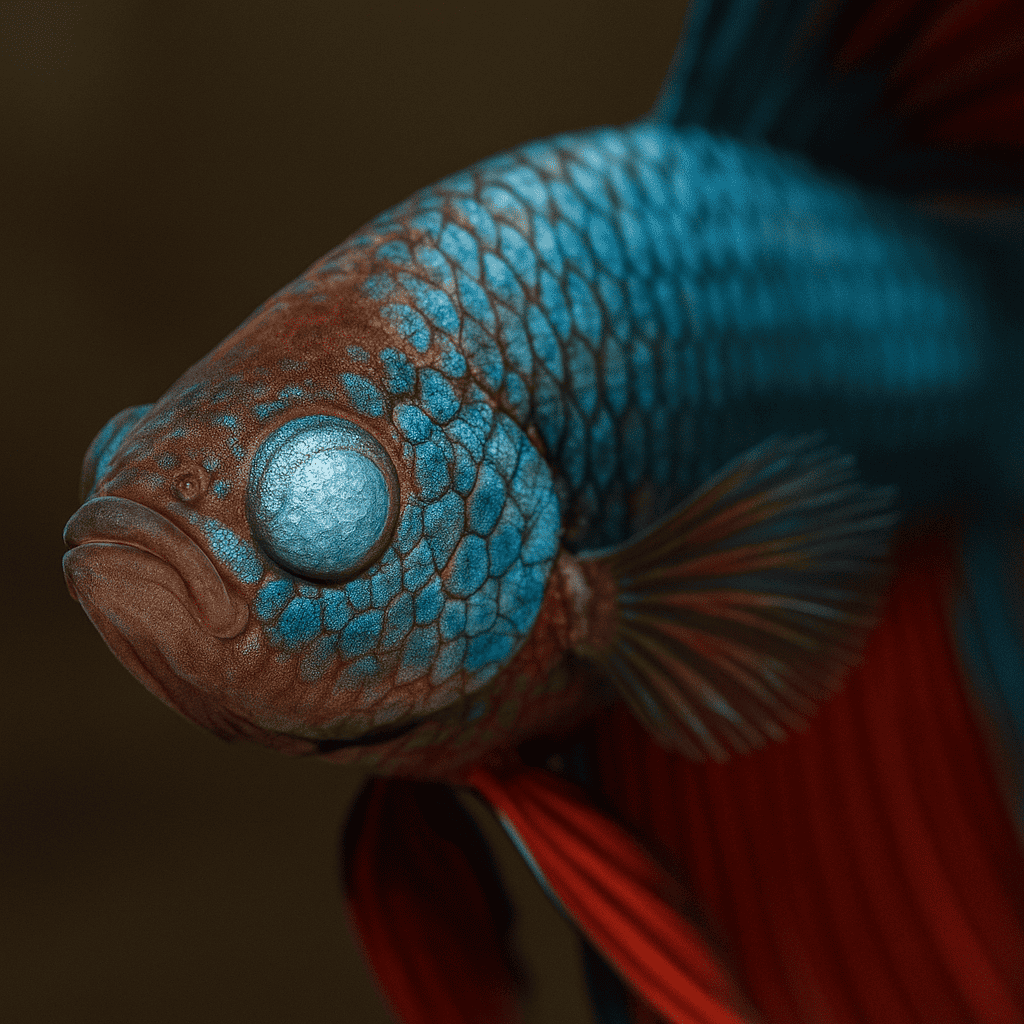
Understanding the genetic predisposition of betta fish is essential for anyone considering adding these vibrant creatures to their aquariums. The risk of diamond eye mainly affects certain breeds, particularly those with dragon scales, like platinum and metallic bettas. Selective breeding has increased this vulnerability, making some lines more susceptible over generations.
| Breed Type | Risk Level | Notes |
|---|---|---|
| Platinum Dragonscale | High | Commonly affected by diamond eye. |
| Metallic Betta | Moderate | Risk linked to specific traits. |
| Marble Betta | Low to Moderate | Less prone, but still at risk |
Other Fish Species
Diamond eyes aren’t exclusive to betta fish; other species can also develop this genetic condition. While bettas, particularly dragon scale variants, are more commonly associated with diamond eye, we must recognize that several other fish may also be at risk. Here are three significant points:
Species Affected: Certain cichlid breeds and guppies show susceptibility due to similar selective breeding practices regarding pH level.
Genetic Transmission: The condition often spreads through genetic lines, affecting the offspring of already impacted fish.
Breeding Practices: Just like with bettas, the allure of specific traits in other species can inadvertently increase the prevalence of diamond eye.
Understanding these factors helps us better serve the needs of both our fish and fellow aquarists, ensuring healthier breeding practices across species.
How Does Diamond Eye Affect A Betta Fish?
As the overgrowth of scales progresses in betta fish, the condition known as diamond eye can lead to significant vision impairment. This condition primarily results in blindness, affecting one or both eyes over time.
Despite the slow development of the diamond eye, it typically does not shorten the fish’s lifespan. These specimens, with their distinctive armor-like scales, can still have a good quality of life. While it can impact the quality of life, bettas can still thrive with proper care.
| Effect on Vision | Quality of Life | Care Requirements |
|---|---|---|
| May lead to blindness | Can remain happy | Consistent feeding |
| Affects navigation | Normal behaviors possible | Environment familiarity |
Why Does Diamond Eye Happen?
I find it intriguing that the diamond eye in betta fish stems from a genetic trait largely influenced by selective breeding practices. This condition emerges primarily in specific varieties, such as platinum dragon scales and metallic bettas, where breeders prioritize aesthetic qualities. As a result, the overgrowth of scales can obscure the eyes, highlighting the unintended consequences of enhancing visual traits.
Genetic Trait Expression
Understanding the genetic basis of traits like diamond eye reveals the complexities of selective breeding in betta fish. This trait primarily affects specific types, such as platinum dragon scale, metallic, and marble bettas. Here are three key points to examine:
Genetic Inheritance: The diamond eye trait tends to be passed down through generations, making it prevalent in certain breeds.
Scale Overgrowth: This genetic condition leads to the overgrowth of scales that can obscure one or both eyes, resulting in gradual blindness in Dragon Scale Bettas.
Lack of Treatment: Since the diamond eye is purely genetic, there are no effective treatments or preventative measures, raising concerns among breeders.
Understanding these factors is essential for responsible breeding practices aimed at preserving the health of these magnificent fish.
Selective Breeding Practices
While many breeders aim to enhance the aesthetic qualities of betta fish, selective breeding practices have inadvertently contributed to the prevalence of diamond eye in certain strains. This genetic trait emerges mainly in Dragon Scale Bettas, particularly in platinum dragon scale, metallic, and marble bettas, characterized by an overgrowth of scales that can obscure the eyes.
Unfortunately, this can lead to blindness, though the retina remains unaffected. As breeders continue to favor unique scale characteristics, the risk of diamond eye intensifies, perpetuating this trait through genetic lines. Since there are no known environmental factors linked to the diamond eye, it’s essential for breeders to recognize the implications of their choices. Understanding these dynamics can help us prioritize the health and well-being of the fish we cherish.
Are There Treatments To Diamond Eye?
Although many betta fish owners seek solutions for diamond eyes, effective treatments remain elusive due to their genetic nature. The condition isn’t influenced by environmental factors, leaving us with limited options. Here are some approaches I’ve found helpful:
Surgical Intervention: Some experienced breeders attempt scale removal, but this method often fails and isn’t generally recommended.
Environmental Stability: Focus on creating a stable habitat to minimize stress, which is essential for the well-being of bettas with diamond eyes.
Gradual Adaptation Techniques: Establish consistent feeding routines and reduce disturbances to help affected fish adjust to Dragon-scale bettas.
Ultimately, while we can’t cure the diamond eye, we can enhance our bettas’ quality of life through careful management and support.
How Can I Prevent Diamond Eye From Happening To My Betta Fish?

How can I effectively prevent the diamond eye from affecting the betta fish? First, One must be cautious with breeding practices, especially with platinum dragon scale and metallic bettas, as they’re more prone to this condition. Maintaining a stable, low-stress environment is vital; One should monitor water quality regularly and avoid drastic changes to prevent exacerbating stress.
It’s essential to keep the tank environment consistent, steering clear of major rescapes or rapid water chemistry shifts. Additionally, One will provide a reliable feeding routine in familiar locations to assist my betta in maneuvering, even if a diamond eye develops. By prioritizing these factors, I can greatly reduce the risk of the diamond eye in the cherished betta fish.
What Should I Do If My Fish Is Developing Diamond Eye?
When dealing with Betta splendens, if one notices the betta fish developing a diamond eye, immediate action is necessary to secure their well-being. Here’s what one does to support my fish:
Monitor Water Parameters: I maintain stable water conditions to minimize stress, as fluctuations can exacerbate vision issues associated with the diamond eye. Fish with metallic scales require especially careful monitoring.
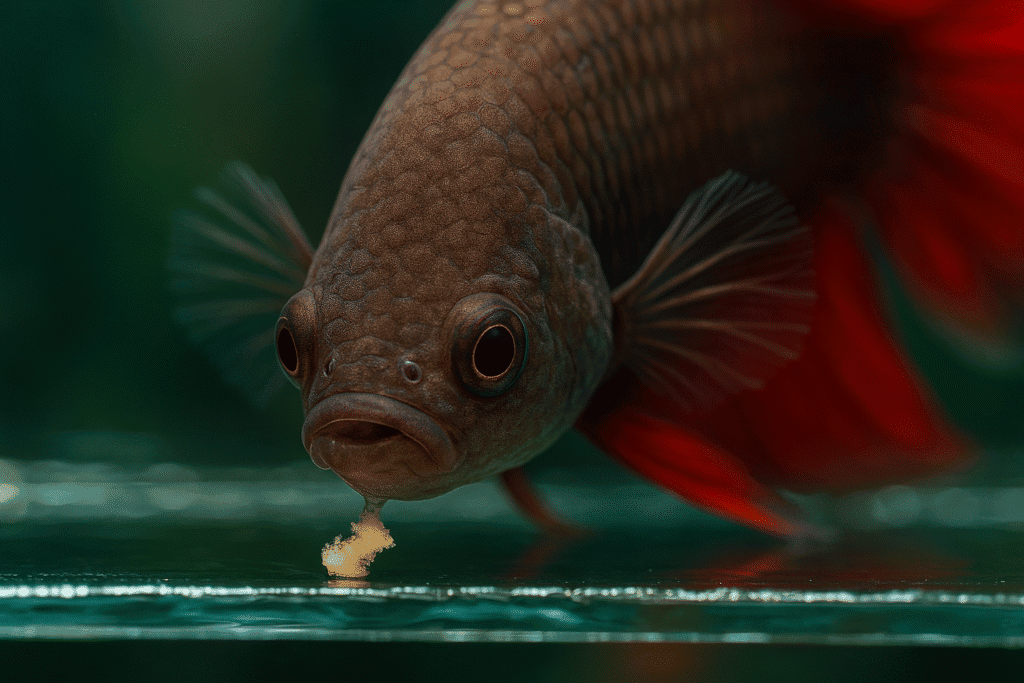
Establish Feeding Routines: I feed the betta in consistent locations, allowing them to navigate effectively despite impaired vision.
Minimize Disturbances: One cleans the tank carefully and avoids drastic escapes to reduce anxiety and disorientation for Dragon Scale Bettas.
Conclusion
In summary, understanding the diamond eye in dragon-scale betta fish is essential for their well-being. While not all bettas are susceptible, the risk is significant if proper care isn’t taken.
By monitoring water quality, maintaining a nutritious diet with quality betta pellets, and being vigilant about signs of illness, you can help prevent this condition. Should you notice any symptoms, timely intervention is key. With the right approach, you can enjoy a healthy, vibrant betta fish for years to come.