When evaluating injuries in my Betta fish, I look for signs like torn fins, discoloration, or behavioral changes such as lethargy. If I notice persistent distress, changes in color, or a loss of appetite lasting more than a couple of days, it’s vital to consult a veterinarian.
Prompt attention to visible injuries or worsening symptoms can prevent further complications. Understanding these signs is essential for effective care, and there’s more to explore on how to support your Betta’s recovery.
Understanding Betta Fish Injuries
When you observe a betta fish displaying signs of injury, it is vital to understand the nature and potential causes of these wounds. Injuries can arise from mechanical damage, trauma, infections, or swim bladder issues. Commonly, torn fins may appear bent or frayed, often due to stressful tank transfers or aggressive interactions with tank mates.
You might notice dark discoloration surrounding an injury, indicating inflammation or infection, which requires careful monitoring and possibly a veterinary assessment. Additionally, keep an eye out for behavioral changes like lethargy or reduced appetite, as these can point to underlying health issues connected to the injuries.
If you observe worsening signs, such as increasing size or the development of lesions, prompt veterinary consultation is important to guarantee your fish’s well-being.
Common Signs of Injury in Betta Fish
Fish Diseases often present through common signs of injury in betta fish, so observing these symptoms is essential for maintaining fish health and well-being. As a responsible pet fish caretaker, I keep a close eye on their physical condition, looking for key clinical signs that indicate distress.
Here are some signs that should prompt immediate attention:
- Torn fins or missing scales indicating potential mechanical injury
- Visible discoloration or lesions, suggesting trauma or infection
- Stress-related coloration changes, often accompanied by abnormal swimming patterns
- Lethargy or reduced appetite, pointing towards underlying issues
If I notice dark discoloration with a light outline around an injury, it often signifies tissue damage or infection. In such cases, it’s vital to call a veterinarian for a professional assessment and appropriate care.
Initial Assessment of Your Betta’s Condition
When I assess my betta’s condition, I first observe for any physical symptoms like bent fins, discoloration, or swelling that might indicate injury or infection. I also pay close attention to changes in behavior, as lethargy or altered swimming patterns can suggest underlying issues. This initial evaluation is vital in determining the appropriate course of action to guarantee my betta’s health.
Observe Physical Symptoms
Evaluating your betta fish’s condition involves a careful examination of visible injuries and overall health indicators. I focus on identifying specific physical symptoms that may signal underlying issues, such as:
- Broken fins or tail
- Dark discoloration around injuries
- Unusual growths or lesions
- Signs of illness related to poor water quality
Monitoring water parameters diligently is essential, as suboptimal conditions can exacerbate injuries and lead to stress, and diseases like Spring Viremia of Carp, though rare in bettas, emphasize the importance of proper water quality, further compromising your fish’s health.
If you notice persistent physical symptoms or suspect illness, it’s vital to consult a veterinarian specializing in aquatic species. Diseases like Koi herpesvirus underscore why this proactive approach not only aids in accurate diagnosis but also enhances your Betta Fish Care practices, ensuring your fish receives the best possible care during recovery.
Assess Behavioral Changes
How can you gauge your betta fish’s well-being following an injury? Start by closely monitoring for behavioral changes. Lethargy, loss of appetite, or abnormal swimming patterns can indicate underlying health issues. Watch for signs of distress, such as excessive hiding or remaining at the water’s surface or bottom, which may signal discomfort.
Additionally, note any dark discoloration around an injury site, as this could suggest infection, necessitating veterinary consultation. Changes in fin movement, like clamping or reduced motion, are critical indicators of injury or health problems that require immediate attention.
Documenting these behavioral changes and physical symptoms will provide your veterinarian with essential information for an accurate diagnosis and appropriate treatment.
When to Consult a Veterinarian
If I observe my betta fish displaying persistent signs of distress, such as isolating from its tank mates or struggling to maintain buoyancy, I know it’s essential to consult a veterinarian. Additionally, I pay close attention to any ongoing health issues, as these can indicate serious underlying problems that require professional intervention. Early veterinary consultation can greatly enhance the chances of successful treatment and recovery for my fish.
Signs of Distress
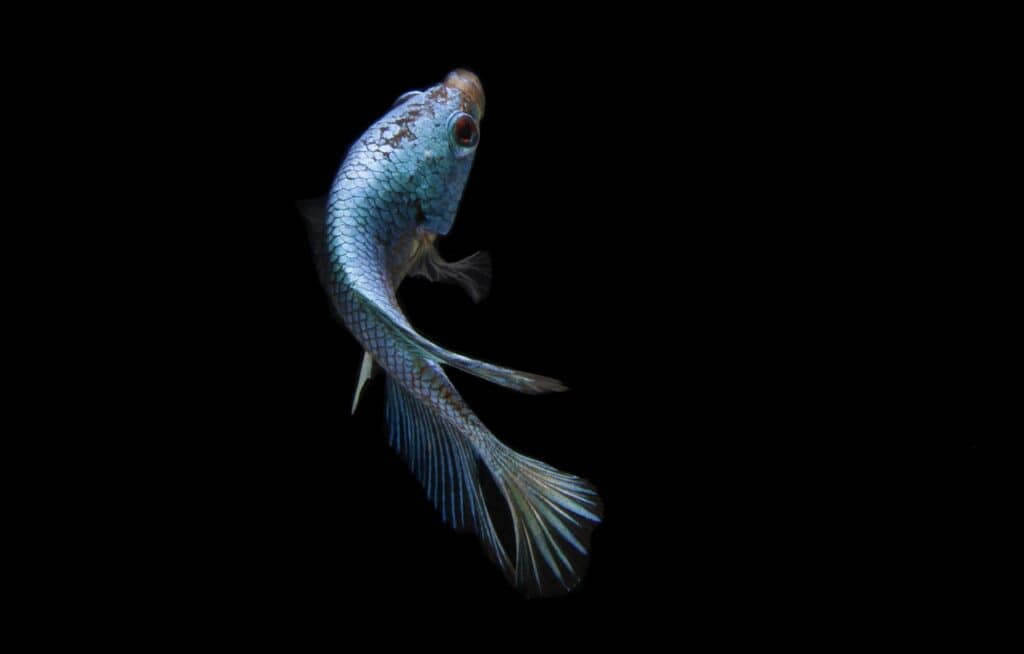
When should you consider seeking veterinary assistance for your betta fish? Recognizing signs of distress is essential for their well-being. If you observe any of the following symptoms, it’s time to consult a veterinarian:
- Changes in coloration, such as dullness or unusual spots
- Lethargic swimming behaviors, including circling or staying at the surface
- Sudden loss of appetite lasting more than a couple of days
- Visible injuries like torn fins, lesions, or swelling
Additionally, if your betta is isolating from others or struggling to maintain buoyancy, these are serious red flags. Early intervention can make a significant difference in your fish’s health, so don’t hesitate to seek professional advice when you notice these distressing signs.
Persistent Health Issues
Persistent health issues in betta fish can often indicate underlying problems that warrant professional evaluation. If you notice persistent signs like a bent fin that doesn’t improve after a week, it’s time for a veterinary consultation.
Behavioral changes such as lethargy, loss of appetite, or isolation may signal serious health issues requiring intervention. Additionally, visible abnormalities—discoloration, swelling, or growths—should prompt immediate assessment to diagnose potential infections or tumors. Regularly monitor water quality parameters; if your betta shows distress despite good conditions, consulting a veterinarian is vital.
Should the fish’s condition deteriorate, evidenced by poor swimming or gasping for air, don’t hesitate to seek professional help promptly to guarantee your betta receives timely care.
Recommended Care Steps for Injured Bettas
Proper care for an injured betta fish is essential to guarantee a swift recovery and prevent complications. Here’s a concise guide to ascertain your betta remains happy and healthy during this time:
- Increase tank temperature to 82°F to promote healing.
- Implement low dose salt therapy by adding 1 tablespoon of aquarium salt per 5 gallons, ensuring it’s mixed outside the tank.
- Perform twice weekly 30% water changes, using a water conditioner to remove harmful substances from new water.
- Regularly test water parameters, aiming for ammonia and nitrite at 0 ppm, and nitrate below 20 ppm.
Importance of Water Quality in Recovery
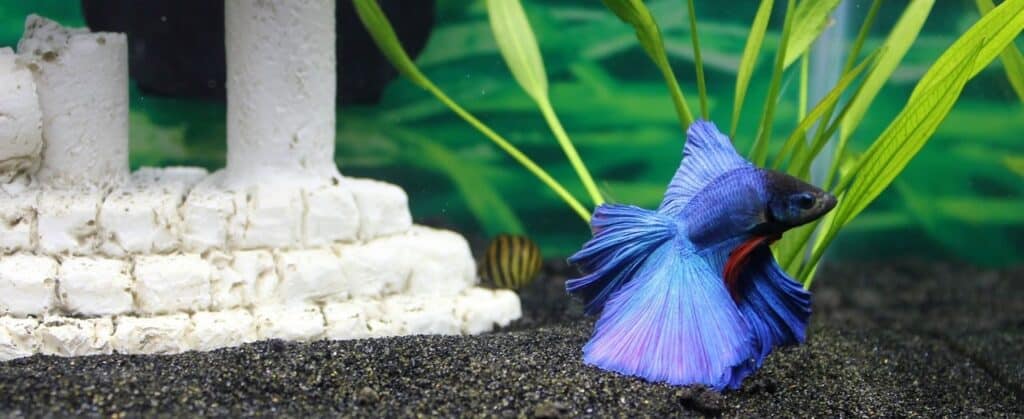
Guaranteeing ideal water quality is fundamental for the recovery of an injured betta fish, as it directly influences their healing process and overall wellbeing. I maintain ammonia and nitrite levels at 0 ppm, with nitrates below 20 ppm, to create a safe environment.
Regular water changes of 30% twice a week help dilute toxins, reducing stress on the fish and promoting recovery. Monitoring pH between 6.5 and 7.5 is essential, along with evaluating hardness and alkalinity to guarantee optimal tank conditions.
Additionally, I always dechlorinate new water with a water conditioner to prevent chemical burns. Keeping the temperature between 76°F and 82°F enhances their metabolism, further supporting the healing process. Prioritizing water quality is critical for successful recovery.
Monitoring Your Betta’s Behavior Post-Injury
After addressing water quality to support recovery, it’s important to monitor your betta’s behavior closely – just as monitoring a honeybee colony requires attention to detail, betta care demands vigilance in the days following an injury. Observing specific behaviors can provide critical insights into their recovery process.
- Check for changes in swimming patterns; lethargy or erratic movements may indicate stress.
- Monitor your betta’s appetite; a lack of interest in fish foods can signal deeper issues.
- Look for visible changes at the injury site, such as swelling or discoloration, which may necessitate veterinary intervention.
- Track overall activity levels; significant decreases in interaction with the environment can indicate distress.
Resources for Betta Fish Care and Veterinary Assistance
When you’re faced with the challenge of caring for an injured betta fish, it’s vital to know where to turn for reliable resources and expert assistance. I recommend consulting licensed fish veterinarians, who specialize in aquatics and can offer tailored advice based on the injury’s visual assessment and understanding of fish pathology.
The American Association of Fish Veterinarians (AAFV) and the World Aquatic Veterinary Medical Association (WAVMA) are excellent starting points for locating qualified professionals. Additionally, consider online veterinary consultations where you can submit photos of your betta’s condition.
Remember, maintaining ideal Betta Fish Water is essential; regular water quality testing should guarantee ammonia at 0 ppm, nitrite and nitrate levels are low, and that you’re using dechlorinated water to avoid dirty water issues.
Conclusion
In summary, evaluating your betta fish’s injuries is essential for their recovery. Research has found that prompt evaluation and appropriate care can greatly impact their healing process. If injuries seem severe or don’t improve with basic at-home treatments, don’t hesitate to consult a veterinarian.
Maintaining ideal water quality and closely monitoring your betta’s behavior will further support their recovery. Remember, timely intervention can make all the difference in ensuring your betta’s health and well-being.