When it comes to caring for Betta splendens, recognizing stress indicators through body language is essential for their well-being. Clamped fins, faded colors, or erratic swimming signal discomfort. Lethargy and lack of appetite also raise concerns about their health.
Stress stripes—vertical black lines—are a clear sign of distress and should prompt immediate action. There’s much more to explore on enhancing comfort for both male bettas and female Betta in a balanced habitat.
Understanding Betta Fish Body Language
Understanding betta fish body language is essential for ensuring their well-being. Observing betta fish behavior can reveal signs of stress, such as clamped fins, which indicate fear or discomfort. When you notice a faded or dull coloration, it’s often a signal that your Betta isn’t feeling healthy or happy.
Erratic swimming patterns, like darting or excessive hiding, also point to stress and may warrant environmental adjustments. Additionally, stress stripes—vertical black lines—indicate a significant threat to their comfort. In contrast, a healthy Betta splendens will swim calmly, showcasing vibrant colors and a relaxed demeanor.
Common Stress Indicators in Betta Fish
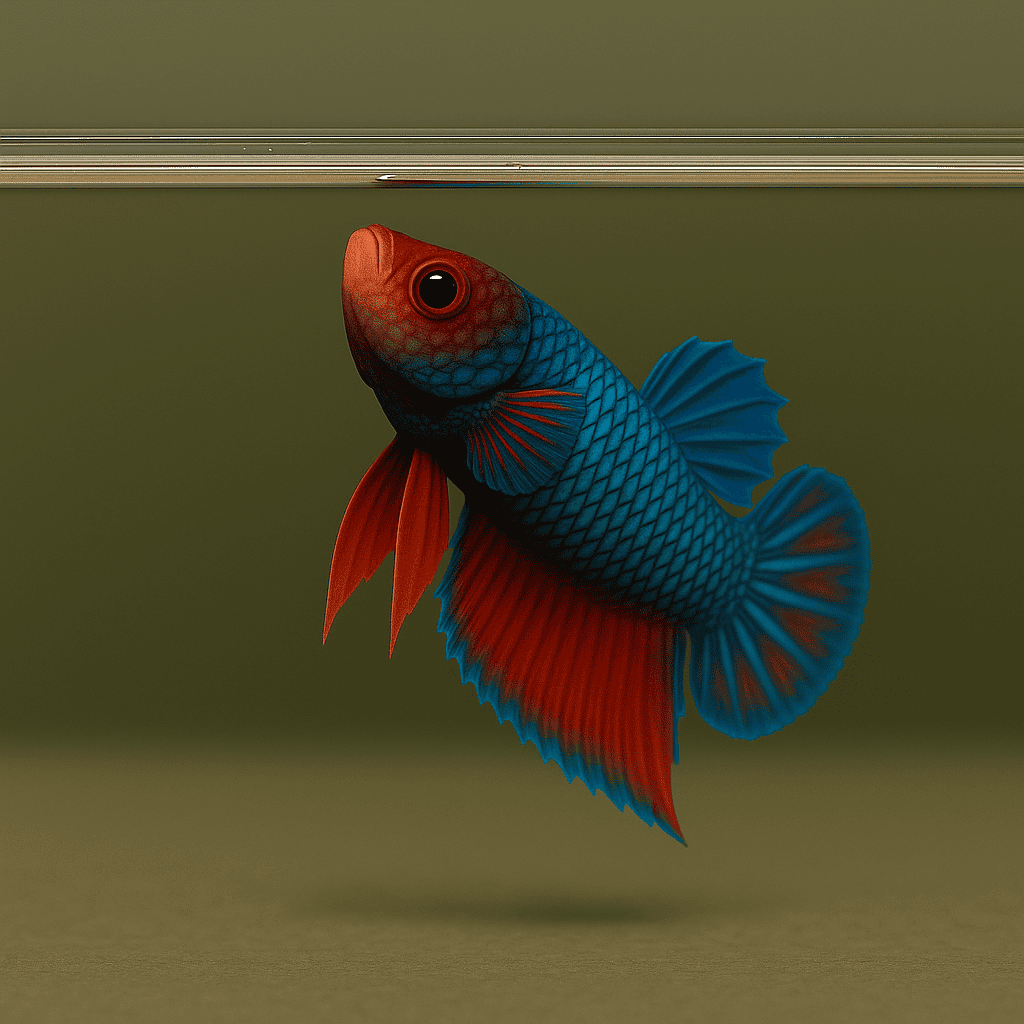
Observing your betta fish closely can reveal a lot about its health and emotional state. One common sign is lethargy; if your Betta is less active and hides frequently, it’s likely uncomfortable. A lack of appetite is another red flag, potentially indicating stress. Watch for faded or dull coloration, which contrasts sharply with healthy, vibrant hues.
Clamped fins, held tightly against the body, signal discomfort. Finally, stress stripes—vertical black lines along the body—often indicate heightened stress levels and emotional turmoil.
The Importance of Water Quality
Maintaining ideal water quality is essential for betta fish care, as poor parameters can quickly lead to stress and health complications. Regularly testing pH and ammonia levels guarantees a clean environment that minimizes stress for both Siamese fighting fish and female Betta alike. Routine water changes and stable temperatures help create a thriving habitat for all bettas.
Testing Water Parameters
To ensure your betta fish thrive, regularly test water parameters:
- pH levels: Maintain between 6.5 and 7.5 to prevent discomfort.
- Ammonia levels: Aim for zero ppm; even low levels can be toxic.
- Nitrite levels: Keep at zero ppm to secure proper oxygen transport.
- Water changes: Perform 25–50% changes weekly to reduce harmful substances.
Maintaining Clean Environment
Maintaining a clean environment for your Betta fish enhances their overall health and well-being. Regular water changes of at least 25% weekly reduce toxins like ammonia and nitrites that can stress bettas.
A well-maintained filtration system helps improve water quality but avoids strong currents that might overwhelm Siamese fighting fish. Keeping the tank free of uneaten food and debris is essential to prevent ammonia buildup.
Recognizing Behavioral Changes
Paying close attention to any changes in betta fish behavior can signal stress and guide corrective actions. Common stress behaviors, such as lethargy or clamped fins, reveal underlying issues that need addressing.
Common Stress Behaviors
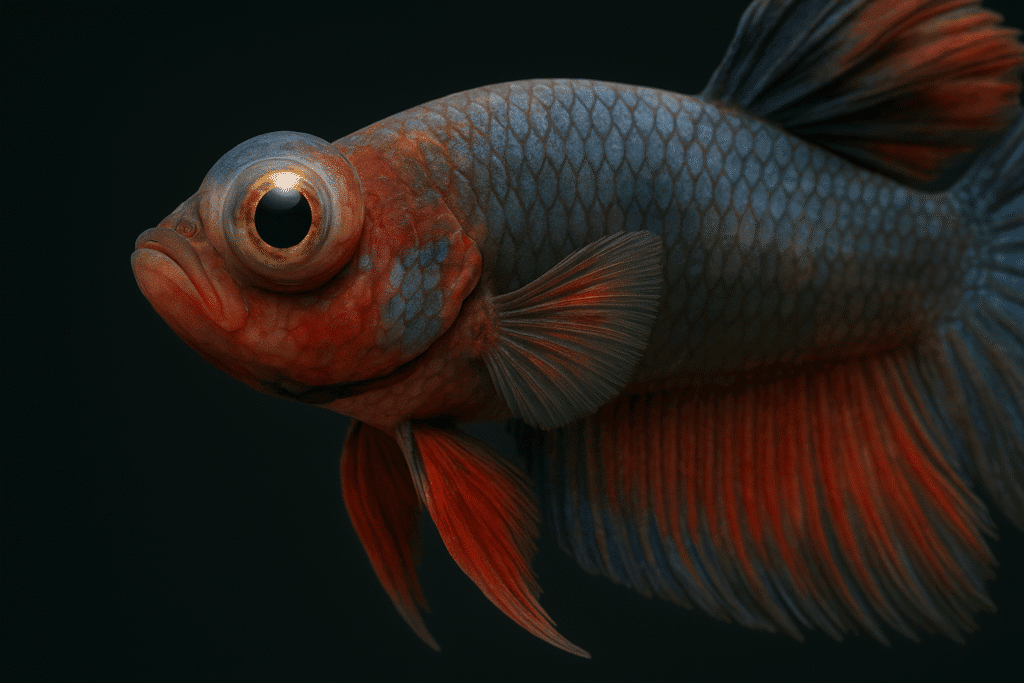
Key stress behaviors in bettas include:
- Lethargy: A noticeable drop in activity and increased hiding.
- Lack of Appetite: Refusing food or showing little interest in feeding.
- Stress Stripes: Vertical black lines indicating emotional distress.
- Clamped Fins: Holding fins tightly against the body.
Signs of Comfort
Distinct signs of comfort in bettas are:
- Vibrant colors and energetic swimming.
- Exploring the tank and interacting with plants.
- Resting near floating plants without excessive hiding.
- Building bubble nests, signaling readiness for breeding under ideal conditions.
Physical Signs of Stress
Recognizing physical signs of stress helps tailor care to promote betta health:
- Lethargy: Reduced activity and increased hiding.
- Clamped Fins: Fins held close to the body.
- Faded Coloration: Dull colors in previously vibrant fish.
- Stress Stripes: Vertical black lines suggesting distress.
- Gasping at the surface may indicate low oxygen levels or poor water quality.
Environmental Factors Contributing to Stress
Understanding environmental stressors can prevent chronic anxiety in bettas. Poor water quality, especially high ammonia or nitrite levels, can elevate stress substantially. Overcrowded tanks increase aggression and competition for resources. Inappropriate tank mates—especially brightly colored or long-finned fish—can provoke territorial aggression.
Bright lighting stresses bettas, who prefer dim environments. Sudden changes in water temperature or pH can shock bettas, underscoring the need for stable parameters.
How to Create a Comfortable Habitat

A comfortable habitat directly impacts betta health and well-being. Consider the following:
- Tank Size: Use a minimum of 5 gallons to maintain stable water quality.
- Hiding Spots: Add decorations like caves and driftwood for security.
- Live Plants: Incorporate plants for natural filtration and comfort.
- Water Parameters: Regularly test pH, ammonia, nitrite, and nitrate levels.
- Maintain a consistent water temperature between 76–82 °F (24–28 °C) and utilize dim lighting for a serene atmosphere.
Monitoring Betta Fish Health
Regularly monitoring water quality and observing signs of stress and health issues ensures timely interventions. Check parameters like pH, ammonia, nitrite, and nitrate levels. Faded or dull colors can indicate health issues, whereas vibrant hues suggest good health. Erratic swimming or gasping at the surface may signal low oxygen levels.
A balanced diet and hiding spots further support the well-being of both male bettas and female Betta.
The Role of Diet in Betta’s Well-being
A balanced diet is fundamental for reducing stress and promoting longevity in betta fish. Key dietary points include:
- High-quality pellets, frozen or live foods for essential nutrients.
- Feeding small amounts 1–2 times per day to prevent overfeeding-related stress.
- A varied diet keeps bettas mentally engaged, reducing boredom and stress behaviors.
- Introducing new foods gradually prevents dietary shock.
Tips for Reducing Stress in Betta Fish
Optimizing water quality and enhancing the tank environment is paramount for stress reduction. Regular testing and maintenance of tank conditions support both Betta splendens and Siamese fighting fish.
Optimize Water Quality
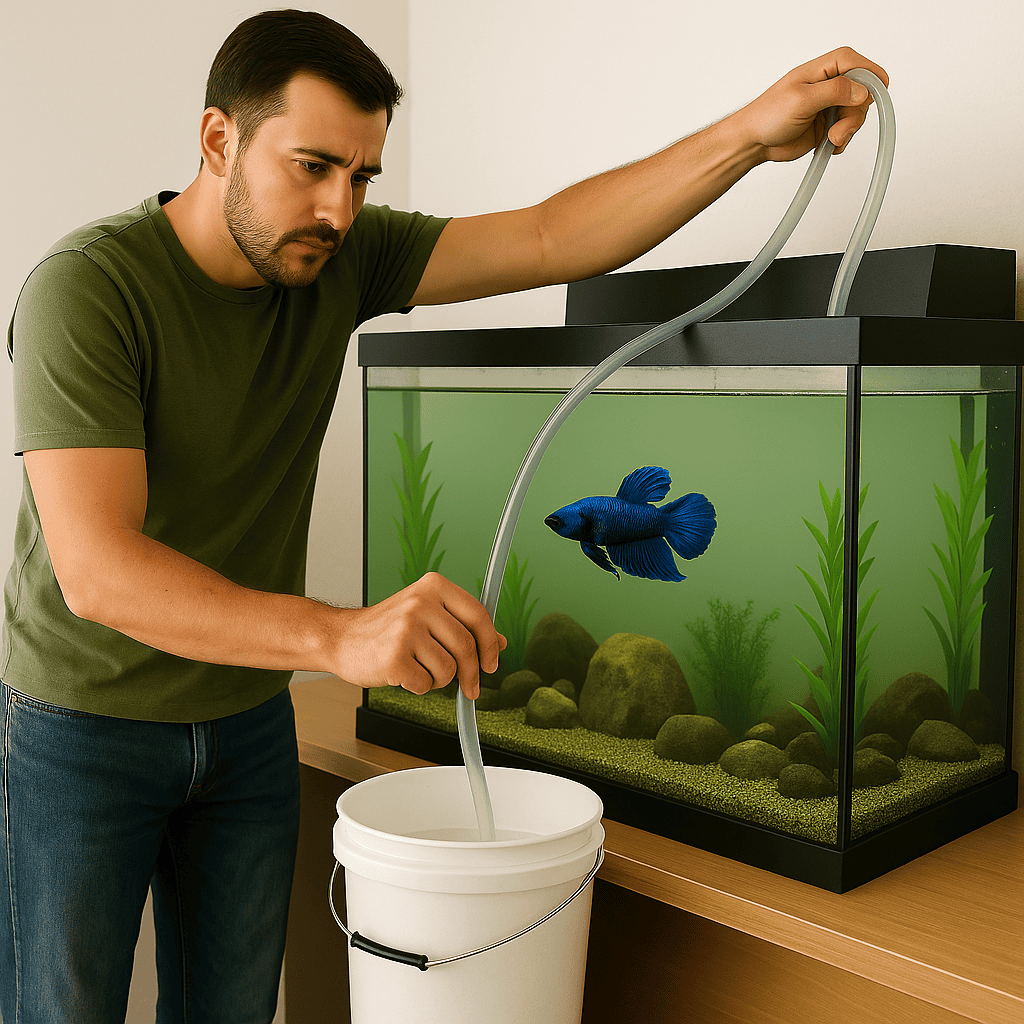
Key tips to optimize water quality include:
- Test ammonia, nitrite, nitrate, and pH levels weekly.
- Perform 25–50% partial water changes weekly to prevent toxin buildup.
- Use a gentle-flow aquarium filter to minimize stress on fish.
- Maintain a steady water temperature between 76–82 °F (24–28 °C).
Enhance Tank Environment
To create a secure environment:
- Provide hiding spots with plants, decorations, or driftwood.
- Utilize dim or natural lighting to create a serene atmosphere.
- Keep water parameters stable to protect from environmental fluctuations.
Conclusion
Understanding Betta fish body language and recognizing stress indicators are essential for their well-being. Through monitoring water quality, observing behavioral and physical signs, and maintaining a balanced diet, you can create a comfortable habitat that promotes health for all bettas, including both male bettas and female Betta.
By taking these steps, you not only enhance their quality of life but also strengthen the bond with your vibrant aquatic companion.