Providing my betta fish with a diet that includes at least 40% protein is essential for their health. This high protein level supports growth, strengthens their immune system, and enhances overall vitality. Low-quality diets or those lacking sufficient protein can lead to stunted growth and weakened immunity.
Additionally, a proper diet contributes to their longevity. If you want to learn more about optimizing your betta’s diet for better health, just keep exploring!
What Should Be Included in a Betta’s Diet?
When considering what to include in a betta’s diet, it is vital to remember that these fish are carnivorous by nature. A well-balanced Betta diet should primarily consist of high-quality foods with at least 40% crude protein. Quality pellets formulated specifically for bettas form the foundation of their nutrition.
To enhance their diet, I recommend incorporating live or frozen foods like bloodworms, daphnia, and brine shrimp as occasional treats. This not only provides the high protein essential for their health but also adds variety. While some trace plant matter may be acceptable, it’s best to avoid plant-based foods altogether.
By focusing on a high-protein, varied diet, we guarantee our bettas thrive in their aquatic environment.
Essential Components of a Healthy Betta Diet
To guarantee your betta fish thrives, it’s essential to incorporate important components into their diet that mirror their carnivorous nature. Primary to this is high-quality protein, as bettas require at least 40% protein content to support their growth and overall health.
I recommend using high-quality pellets specifically formulated for bettas as the foundation of their diet, ensuring these pellets are free from unnecessary fillers like wheat or soy. Additionally, including live or frozen foods like bloodworms and brine shrimp can enhance their diet, adding variety and crucial nutrients.
A balanced diet rich in protein not only promotes physical well-being but also strengthens their immune system, helping betta fish eat effectively and resist diseases for a longer life.
Do Bettas Need Plant-Based Foods?
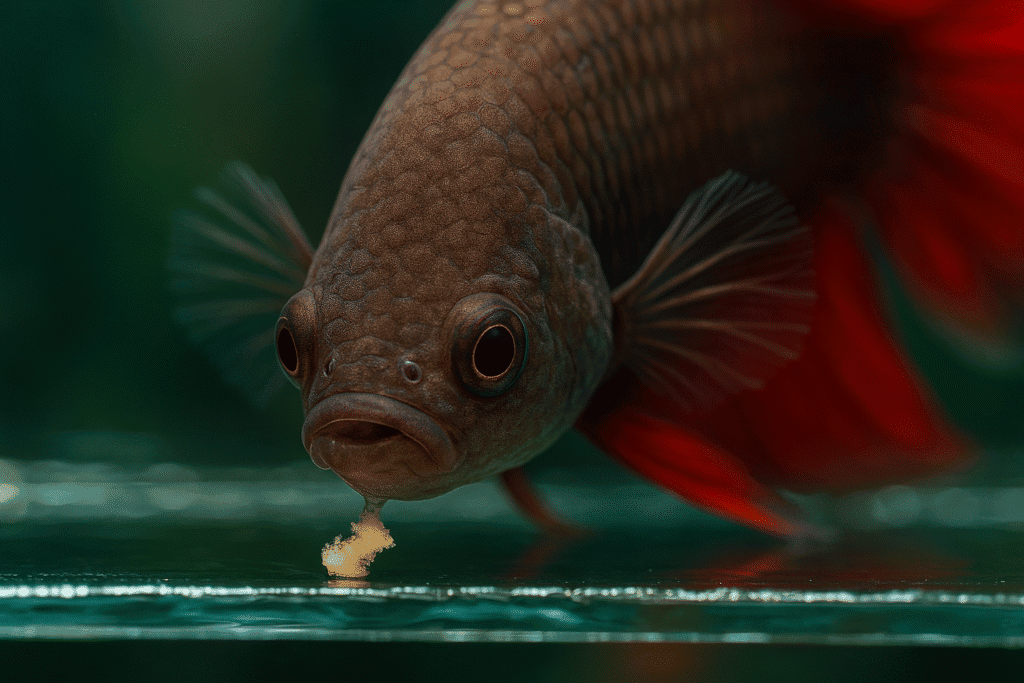
Why would anyone consider feeding their betta fish plant-based foods? Bettas are inherently carnivorous, thriving on a diet rich in animal protein. While trace amounts of plant matter can be tolerated, the primary focus should be on high-quality protein sources, like insect larvae and small crustaceans.
Relying on plant-based foods can lead to digestive issues, as their systems aren’t equipped to handle high levels of plant material. Additionally, commercial fish food with fillers such as wheat or soy lacks essential nutrients, compromising your betta’s health.
A protein-deficient diet can result in poor coloration, stunted growth, and weakened immune systems. For a healthy betta, prioritize protein content and avoid unnecessary plant-based foods.
Foods to Restrict
While I appreciate the variety of foods available for betta fish, it’s crucial to recognize that certain options should be restricted to maintain their health. For instance, bloodworms, although nutritious, are high in fat and should only be occasional treats to prevent obesity.
Additionally, freeze-dried foods can lead to bloating, so I limit their use to avoid digestive issues. I also avoid products with high filler contents, like wheat or soy, as they lack the nutritional value necessary for bettas. Moreover, while some live foods are beneficial, they can introduce parasites if not sourced safely.
Keeping an eye on the fat content in the foods I offer guarantees my betta’s health remains a priority.
Why a Varied Diet Is Important
I believe that a varied diet is essential for Betta fish, as it enhances nutrient diversity, which supports their overall health and longevity. By rotating their food sources, we can boost their coloration and strengthen their immune systems, helping them thrive in their environment. This approach not only promotes physical well-being but also keeps Bettas engaged and active.
Nutrient Diversity Benefits
A varied diet plays an essential role in the health and longevity of Betta fish, as it enhances their nutrient intake and guarantees they receive crucial vitamins and minerals. Here’s why nutrient diversity matters:
- It supports peak health and longevity by providing essential nutrients.
- Rotating protein sources, like bloodworms and brine shrimp, aids in fin growth and tissue repair.
- A diverse diet strengthens the immune system, making Bettas more resilient against illnesses.
- It helps prevent boredom, promoting consistent eating habits and reducing stress.
- Essential vitamins improve overall vitality and immune function, ensuring a vibrant, healthy Betta.
Enhanced Coloration Factors
When considering the vibrant appearance of Betta fish, it’s essential to recognize how a varied diet directly influences their coloration. Foods high in protein, such as bloodworms and daphnia, are important food options that support pigment production, critical for maintaining bright hues.
Incorporating these nutrient-rich sources enhances coloration and contributes to overall Betta care. Regularly rotating food types not only improves nutrient intake but also helps prevent color fading, which can occur with a monotonous diet.
Additionally, diverse food sources stimulate natural hunting instincts, further promoting enhanced coloration through active behaviors. By ensuring a well-balanced diet, we can foster both the health and vivid colors of our Betta fish companions, making them truly stunning aquatic displays.
Immune System Support
While many Betta fish owners focus on vibrant colors and active behaviors, it’s important to recognize that a varied diet plays an important role in supporting their immune system. A well-rounded nutrient intake is significant for Betta health. Here are some key benefits of a diverse diet:
- Broader protein sources enhance immune responses.
- Betta-specific foods guarantee they receive important vitamins and minerals.
- Foods rich in carotenoids improve coloration and bolster immune defenses.
- Diverse feeding practices prevent boredom, promoting healthy eating habits.
- High-quality proteins support tissue repair and growth, essential for immune system maintenance.
Incorporating a variety of foods not only keeps your Betta vibrant but also strengthens their immune system, assuring they thrive in your care.
Benefits of Dietary Variety
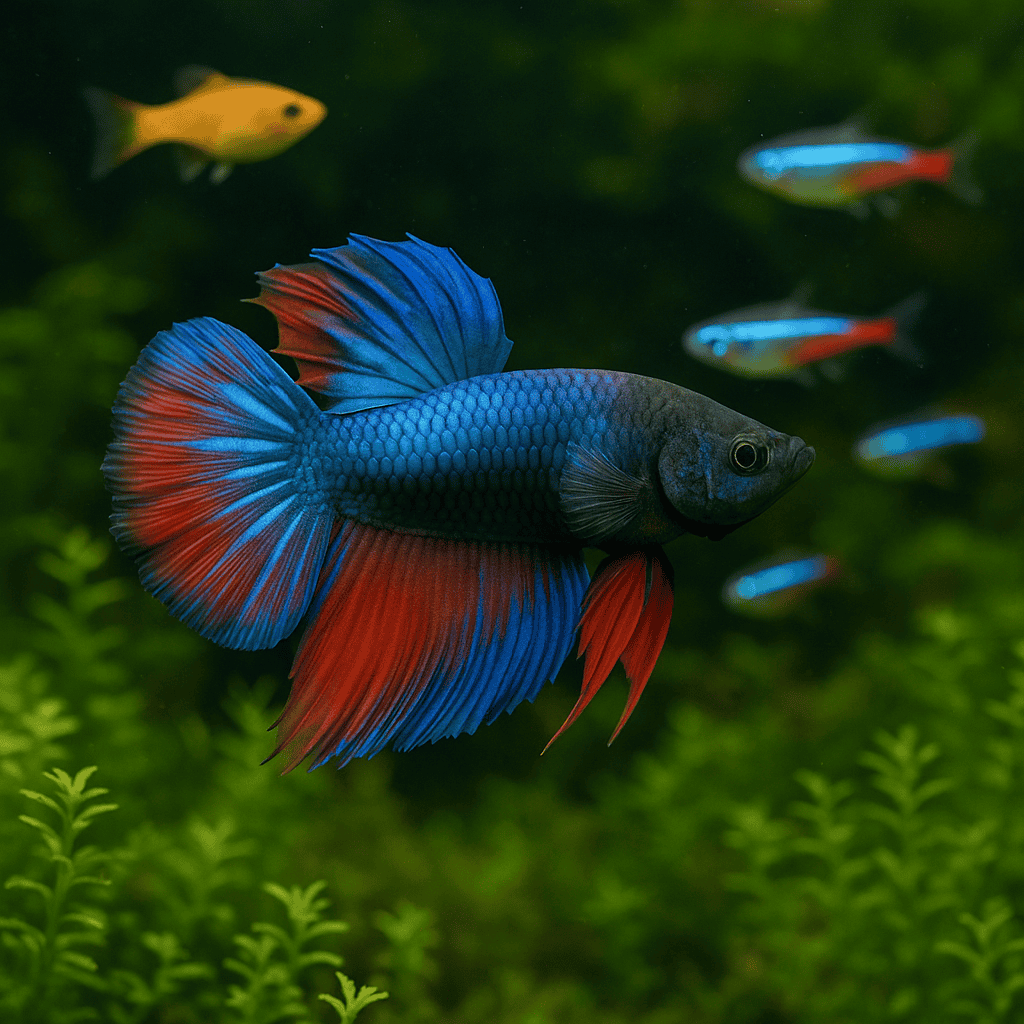
Dietary variety plays an essential role in enhancing the health and vigor of betta fish. By rotating different high-protein foods, we guarantee that bettas receive essential nutrients, which promotes growth, coloration, and a robust immune system. A diverse diet not only supports their nutrient intake but also fosters better digestion and appetite.
| Benefit | Description |
|---|---|
| Enhanced Nutrient Intake | Provides essential vitamins and minerals |
| Improved Coloration | Carotenoid-rich foods boost vibrancy |
| Stronger Immune System | Helps resist illnesses and recover from stress |
Fasting Days: Are They Beneficial?
Have you ever contemplated the impact of fasting on your betta fish’s health? I’ve found that incorporating fasting days can be quite beneficial. A weekly fasting period allows their digestive system to rest, which helps prevent issues like constipation and bloating. Here are some key points to contemplate:
- A 24-hour fasting period is sufficient for supporting gut health.
- Avoid overfeeding the following day to prevent digestive issues.
- Regular fasting promotes healthy eating habits and overall health.
- Monitor your betta’s appetite during fasting; a lack of interest may signal stress.
- Fasting can contribute to a longer lifespan for your betta fish.
Tips for Healthy Betta Feeding
To guarantee your betta fish thrives, it’s crucial to focus on a balanced and nutritious feeding regimen. Start with high-quality betta pellets that contain at least 40% protein, avoiding fillers like soy or wheat. I recommend feeding your betta 2 to 4 pellets once or twice daily, ensuring they consume the amount within 2-5 minutes.
This helps maintain water quality by preventing overfeeding. Incorporating live foods, such as bloodworms, daphnia, and brine shrimp, can enhance your betta’s diet and encourage natural behaviors.
Regularly rotating food types and including occasional fasting days can promote gut health, reducing the risk of digestive issues. By following these tips, you’ll support your betta’s growth and longevity.
Conclusion
In summary, providing a diverse diet rich in protein—aiming for at least 40%—is important for maintaining your betta fish’s health and vitality. While incorporating some plant-based foods can be beneficial, it’s crucial to restrict certain items that might harm them.
Regular fasting days can also support digestive health. By carefully balancing their nutrition and ensuring variety, you’ll promote a happier, healthier betta. Pay attention to their dietary needs, and you’ll see the positive impact on their well-being.