If your Betta fish is unresponsive, act quickly—you’ve only got minutes. First, return it to clean water, ideally at 76°F to 82°F. Gently hold it in the water stream from the aquarium filter to promote oxygen flow through its gills.
Within 5 to 10 minutes, you may notice signs of recovery like twitching movements. Remember to maintain a stress-free environment for your fish, and there’s more to guarantee its long-term health and happiness.
Understanding Betta Fish Physiology
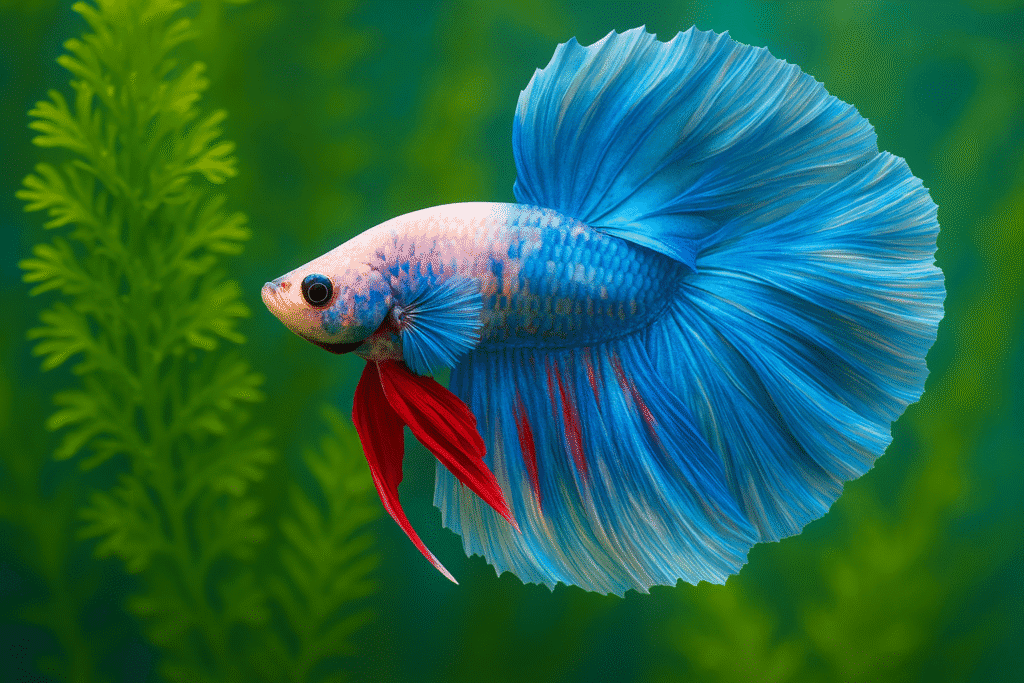
When it comes to understanding betta fish physiology, it is vital to recognize the unique adaptations that allow them to thrive in challenging environments. Betta fish possess a labyrinth organ, enabling them to extract oxygen from air, making sure they can survive in low-oxygen waters.
However, their gills primarily extract oxygen from water, so if they’re out of water for too long, they risk severe damage. They can only endure a few minutes in air; even a little bit longer increases the chances of dehydration and tissue damage. If you find a betta fish unresponsive, swift action is essential. Returning them to water or providing oxygen can greatly improve their chances of recovery, ensuring they remain still alive and vibrant.
Identifying Signs of Distress in Betta Fish
How can you tell if your betta fish is in trouble? Recognizing signs of distress is essential for their well-being. Look for rapid gill movement; this often indicates stress or difficulty breathing. If your betta is floating at the surface or sinking to the bottom, something’s amiss.
Lethargy and unresponsiveness are serious red flags, as are clamped fins, which suggest illness. Excessive hiding or seeking shelter in plants can signal discomfort. Pay attention to changes in color, like fading or darkening, as these can foreshadow health issues.
Finally, difficulty swimming or abnormal patterns—such as spiraling—might indicate underlying problems. Being vigilant about these signs can help you provide the care your betta needs.
Preparing for Resuscitation
Before I start resuscitating my betta fish, I first assess its condition to determine if immediate action is necessary. I always make sure to gather clean, aerated water and any other resuscitation tools I might need. This preparation is essential for giving my fish the best chance at recovery.
Assess Fish Condition
Evaluating a betta fish’s condition is essential for effective resuscitation. Before you begin, observe its fish behavior closely. Here’s what to check:
- Responsiveness: Gently tap the tank or observe for any movement. A non-responsive fish may need immediate action.
- Signs of Life: Look for gill movement or the mouth opening and closing; these indicate it might still be breathing.
- Physical Condition: Check for discoloration, stiffness, or a lack of movement, which can signal stress factors or damage that affect recovery.
Gather Resuscitation Tools
As I prepare for resuscitating a betta fish, gathering the right tools is essential to guarantee a successful outcome. Start with important tools like a clean container, aquarium water, and a small air pump or filter. Proper fish handling is important, so also have a net ready to secure the fish’s safety and ensure the water temperature is between 76°F and 82°F to reduce stress.
A soft cloth or paper towel is on standby for gently dabbing the fish if it’s excessively wet or has slime coat damage. Finally, prepare a separate tank with dechlorinated water that mimics the betta’s environment to support a smooth change post-resuscitation while monitoring for signs of recovery.
The Importance of Quick Action

When I find my betta fish out of water, I know that every second counts. Quickly reintroducing them to water can spark signs of life and drastically improve their chances of recovery. Evaluating their condition in those initial moments is essential, as a timely response can make all the difference in their survival.
Time Sensitivity in Rescues
Immediate action is essential for the survival of a betta fish found out of water, as every second counts in the race against oxygen deprivation. I’ve learned that quick responses can make all the difference. Here are three critical rescue techniques to evaluate:
- Return to Water: Quickly reintroducing your betta to water can restore gill function.
- Gentle Water Flow: Creating a gentle water flow can help oxygenate the gills effectively, aiding recovery.
- Monitor Betta Behavior: Observe your betta’s movements; signs of stress or activity indicate their recovery status and ongoing water parameters.
Understanding these steps has deepened my compassion for these delicate creatures, emphasizing the importance of swift, informed action in their rescue.
Immediate Water Reintroduction
Reintroducing a betta fish to water without delay is vital, since even a brief exposure to air can lead to severe tissue damage and respiratory distress. When I act quickly, I can greatly improve the chances of recovery. Here’s what I consider:
| Factor | Importance |
|---|---|
| Water Temperature | Ideal range restores comfort and minimizes stress. |
| Oxygen Levels | Essential for respiration; quick reintroduction aids absorption. |
| Environmental Stressors | Reducing stressors promotes healing and recovery. |
The initial response to water flow can occur in just 5 to 10 minutes, indicating potential recovery. Quick action not only enhances survival odds but also alleviates the fish’s stress, ensuring a better chance for a healthy comeback.
Assessing Fish Condition Quickly
After ensuring a betta fish is back in the water, I focus on quickly evaluating its condition. Immediate action is vital since fish can suffer severe physiological damage from oxygen deprivation. I look for key indicators:
- Fish Behavior Cues: I check for responsiveness and movement. Is it swimming or remaining motionless?
- Gills Movement: I observe its gills for any sign of breathing, which directly impacts its recovery chances.
- Water Quality Assessment: I assess the water for any stress factors, like temperature or pollutants, that could affect the fish’s health.
The quicker I intervene, the higher the likelihood of successful resuscitation. By acting swiftly and compassionately, I give my betta the best chance to bounce back from distress.
The Resuscitation Process Explained
Reviving a betta fish after a distressing incident can be a delicate yet rewarding process. First, I gently hold the fish in a stream of water from the aquarium filter. This technique promotes oxygen flow through its gills, a essential breathing technique.
Keep an eye on the fish, as initial signs of recovery may appear within 5 to 10 minutes, like its mouth opening and closing. Continuous exposure to flowing water often leads to twitching movements, signaling its return to consciousness.
After resuscitation, Prioritize stress management, as the fish may seek shelter, showing typical stress behaviors. Maintaining ideal water quality during this process is critical for its ongoing recovery. Each step I take is fundamental for my betta’s well-being.
Observing Signs of Life
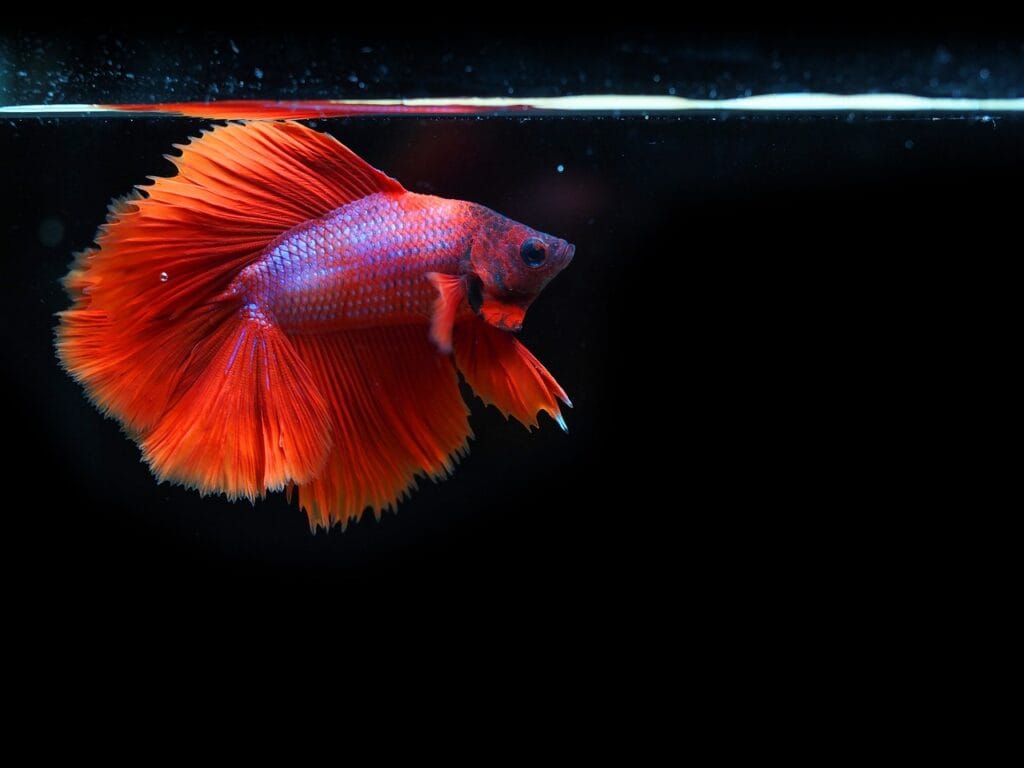
When observing my betta fish during the resuscitation process, I look for specific signs of life that indicate its recovery is underway. These signs can be subtle but vital for gauging progress:
- Twitching movements: Any slight twitching or opening and closing of the mouth suggests the fish is beginning to respond.
- Swimming response: After a few minutes in water flow, if it starts to swim or show increased movement, that’s a positive sign.
- Erratic behavior: Initially, the fish may display erratic movements or seek shelter, which indicates it’s acclimating back to its environment.
Quick intervention is essential; watching for these signs gives me hope and direction during this pivotal time.
Post-Resuscitation Care
Ensuring your Betta fish receives proper post-resuscitation care is essential for its recovery. Closely monitor for signs of stress, like hiding or erratic swimming, as your Betta may need time to readjust. Float the fish in its tank for about 15 minutes before fully releasing it, allowing for a smooth acclimation process.
To enhance recovery, I maintain a clean, stable environment and implement stress management techniques like dimming the aquarium lights for a few days. Once my Betta displays normal behavior, I adjust its feeding schedule by offering high-quality, easily digestible food, ensuring that it does not overfeed. These recovery habitat enhancements will support your Betta’s healing journey.
Common Mistakes to Avoid
While it might be tempting to act quickly in a crisis, I’ve learned that certain mistakes can hinder your Betta fish’s chances of recovery. Here are three common pitfalls to avoid:
- Waiting Too Long: Immediate action is essential; Betta fish can only survive a limited time out of water.
- Reintroducing Too Quickly: Don’t place your fish back into the tank without a gentle reintroduction to water flow to prevent shock.
- Using Excessive Force: Employ the best handling techniques; rough handling can cause stress and injury.
Always check for fish recovery signs like gill movement or mouth opening before assuming the fish is dead. Finally, verify the water temperature matches ideal water conditions to support their recovery.
Long-Term Health Considerations
Although rescuing a Betta fish from distress is an urgent matter, it’s equally important to contemplate their long-term health after recovery. To guarantee your Betta thrives, I recommend implementing effective stress management techniques, such as providing a quiet habitat and minimizing sudden changes.
Nutrition recovery strategies are essential too; a balanced diet rich in vitamins will help restore their health and immune system. Don’t overlook water quality maintenance—keeping the tank clean and monitoring parameters like temperature and pH can greatly impact your Betta’s recovery.
Regularly observing your fish’s behavior and physical condition will allow you to catch any lingering issues early. By prioritizing these aspects, you’ll support your Betta’s long-term well-being and happiness.
Encouragement for Fish Owners
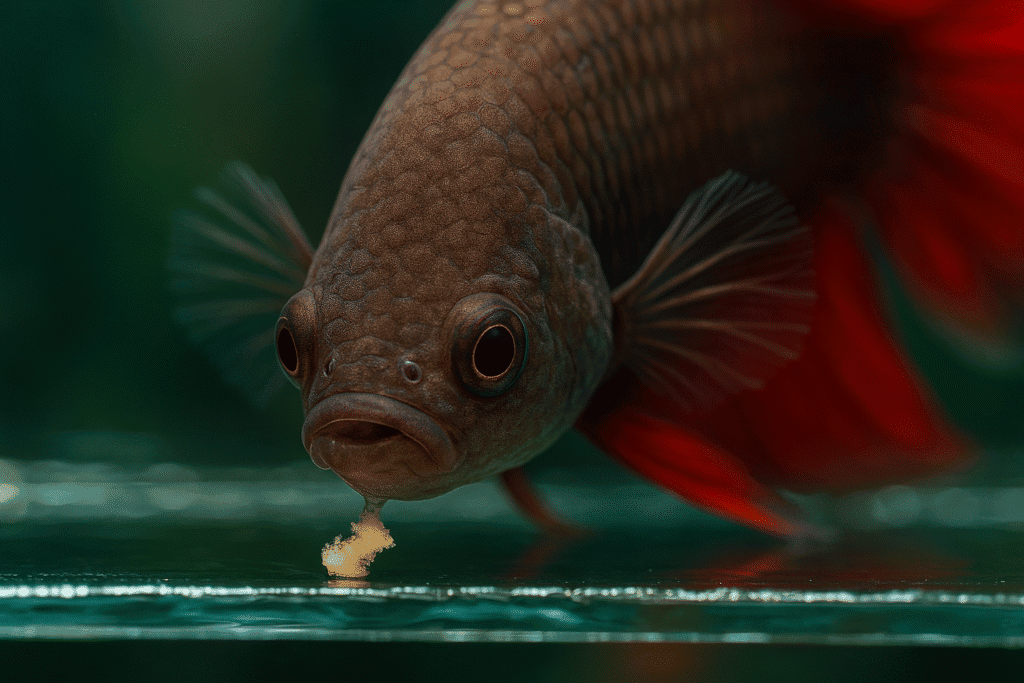
As a fish owner, I understand how distressing it can be to see your betta in trouble, but quick action can truly save lives. Recognizing signs of distress and embracing the resilience of our fish can make all the difference in their recovery. Remember, even if your fish seems unresponsive, hope is not lost; every moment counts in their fight for survival.
Act Quickly, Save Lives
When you find your betta fish out of water, every second counts in the effort to save its life. Acting swiftly can greatly improve its chances of recovery. Here’s what I do when faced with this urgent situation:
- Assess Water Quality: Confirm the water is clean and at the right temperature to minimize stress factors during revival.
- Observe Betta Behavior: Look for any signs of life, like gill movement or slight twitches, indicating responsiveness.
- Provide Gentle Water Flow: Direct a gentle flow of water to your fish’s mouth and gills to stimulate breathing.
Recognize Signs of Distress
How can you tell if your betta fish is in distress? It’s essential to observe for stress indicators. Look for behaviors like gasping at the surface, lethargy, or abnormal swimming patterns, as these may require immediate attention. Pay close attention to gill behavior; rapid or erratic movement can signal low oxygen levels or stress. Additionally, watch for coloration changes—if your betta appears dull or develops dark spots, it’s a warning sign. Excessive hiding or remaining in one spot for long periods can also indicate health issues. Regularly checking water quality parameters, such as pH and ammonia levels, is important, as poor conditions can exacerbate distress. Your attentiveness can make all the difference in your betta’s well-being.
Embrace Resilience in Fish
While caring for a betta fish can sometimes feel overwhelming, it’s essential to remember that these resilient creatures have an incredible capacity to bounce back from distress. Here are some effective fish resilience strategies to embrace:
- Observe for Signs of Life: Look for any twitching or movement; this can signal a recovery process.
- Provide Steady Water Flow: Guarantee a gentle flow of water to facilitate oxygen intake, aiding in resuscitation.
- Stay Hopeful: Even seemingly lifeless fish may recover if they haven’t been severely dried out.
Conclusion
Reviving an unconscious betta fish can be a challenging experience, but with knowledge and prompt action, you can make a significant difference in your fish’s life. Remember to stay calm, recognize the signs of distress, and follow the resuscitation steps carefully. Afterward, providing proper care is essential to guarantee your betta’s recovery. Always be vigilant about their health, and don’t hesitate to seek professional help if needed. Your dedication can lead to a happier, healthier betta.