Hand-feeding my betta fish has truly transformed our bond with this Siamese Fighting Fish. It fosters trust, as he enthusiastically recognizes my hand during feeding time.
However, I take care to wash my hands thoroughly to avoid introducing bacteria. Consistent routines help reinforce our connection. If you want to enhance your fish’s environment even further, keep exploring!
The Benefits of Hand Feeding Your Betta Fish
When I hand feed my betta fish, I notice not only their excitement but also the bond we share growing stronger. This practice enhances trust, making our interactions more meaningful.
During feeding time, my Betta demonstrates behavioral recognition, enthusiastically swimming to my hand, which signals food.
Establishing this routine creates bubble nest-like familiarity, turning each feeding into a cherished moment.
The Risks of Hand Feeding Your Betta Fish
While hand-feeding my betta fish can create a special bond, I’ve learned there are important risks to contemplate.
Sudden movements can stress them out, and unwashed hands might introduce harmful bacteria into the tank, particularly if regular water changes are neglected.
Potential Stress Factors
Although hand-feeding betta fish can foster a unique bond between you and your pet, it also carries potential stress factors that shouldn’t be overlooked, which can influence water quality.
If I approach my Betta too quickly, it can cause anxiety and disrupt trust-building.
Additionally, using unwashed hands may introduce harmful bacteria into the tank, risking infections that can affect their overall health.
Bacterial Risks Involved
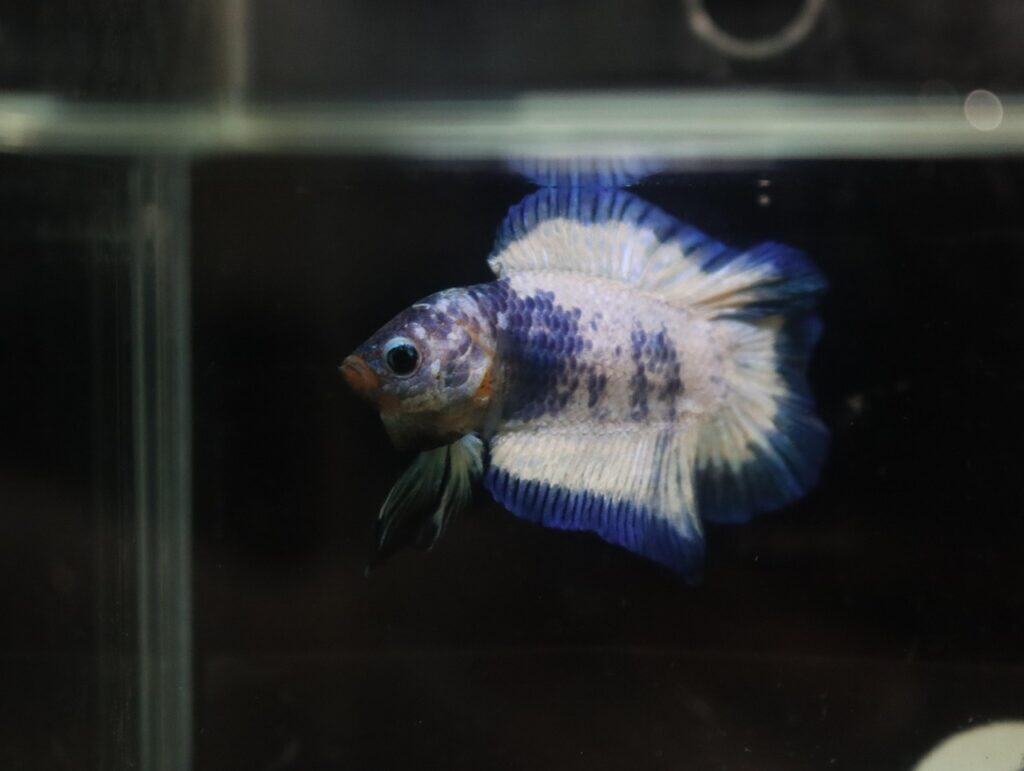
Hand-feeding betta fish can be a delightful experience for any aquarium fish, but it also poses significant bacterial risks if not done carefully.
I always make sure to wash my hands thoroughly before feeding, as unwashed hands can transfer harmful pathogens into the aquarium.
Handling Techniques Importance
Understanding the importance of proper handling techniques during betta fish feeding is essential for both their well-being and our enjoyment of the experience. Using gentle approaches can greatly reduce stress, fostering a positive interaction that builds trust.
Observing your Betta’s behavior during feeding is vital; signs of fear or aggression may indicate discomfort, necessitating adjustments to your technique. I’ve found that noting subtle cues, like fin flares, helps refine these Water Parameters for optimal comfort.
| Handling Technique | Importance |
|---|---|
| Gentle Approach | Reduces stress and anxiety |
| Consistent routine | Builds trust over time |
| Calm Environment | Encourages comfort |
| Slow Movements | Prevents startling |
| Observation | Tailors feeding experience |
How to Hand Feed Your Betta Fish: A Step-by-Step Guide
Feeding your Betta splenden by hand can be a rewarding experience that strengthens your bond while also providing a nutritious meal. Start by preparing high-quality betta food, like pellets or freeze-dried treats, and make certain your hands are clean.
Approach the tank slowly to avoid startling your Betta, allowing it to acclimate to your presence.Hold the food between your fingers or use tweezers, and patiently wait for your Betta to come close and take the food directly from your hand.
Establish a regular feeding routine to help your Betta recognize you as a source of food, enhancing its comfort and trust over time. I monitor my Betta’s behavior during hand feeding to verify it remains calm and engaged, adjusting my approach as needed.
Signs Your Betta Fish Recognizes You
When I observe my betta fish, I notice clear signs that it recognizes me.
Understanding these signals can enhance our interactions and make feeding time even more enjoyable.
Excited Swimming Behavior
Noticing your betta fish swim with enthusiasm can be a rewarding experience. When I see my Betta darting to the front of the tank, it tells me he recognizes me, especially during feeding times.
These routine interactions create positive experiences, reinforcing our connection. Sometimes, he even displays flaring behavior, puffing up his fins and gills, which adds to the joy of our relationship.
Flaring and Attention-Seeking
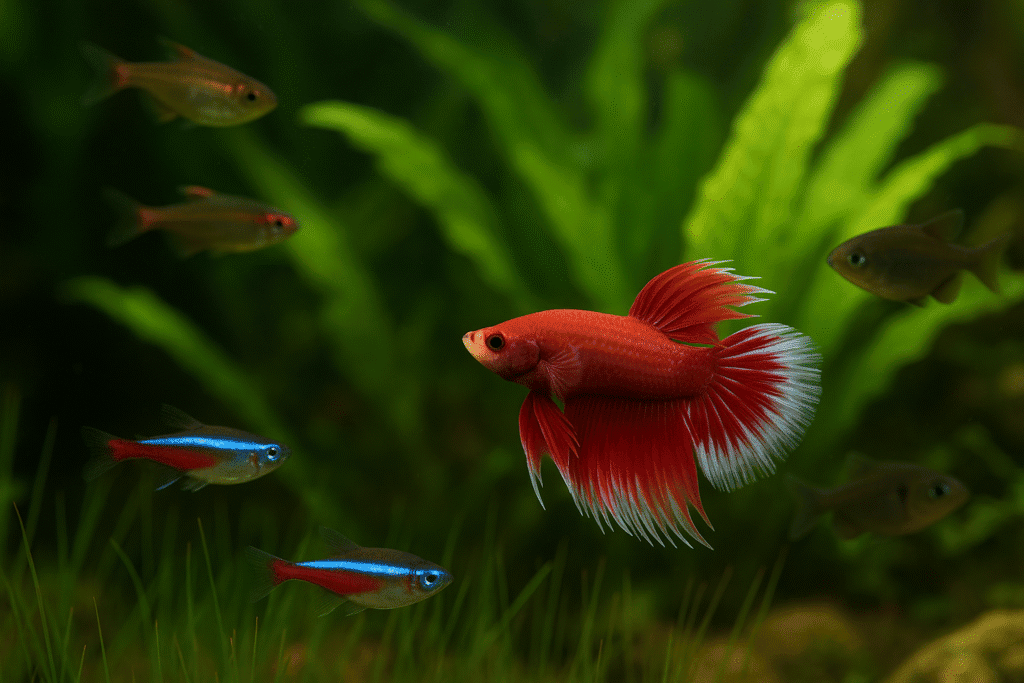
As I approach my betta fish’s tank, I’m often greeted with a display of flaring behavior that speaks volumes about our connection.
Here are some signs that my Betta is aware of my presence:
- Flaring fins and gill covers as a sign of excitement.
- Energetic swimming to the front of the tank, especially during feeding times.
- Darting towards me, displaying begging behavior near the surface.
- Following my finger along the tank, indicating recognition and engagement.
- Enhanced attention-seeking behaviors through regular hand feeding and positive reinforcement.
These behaviors illustrate the developing bond and trust between us, enhancing our shared experience.
Following Finger Movements
Although betta fish are often perceived as solitary creatures, I’ve found that they can develop a remarkable sense of recognition, especially through the simple act of following finger movements.
This interaction reinforces our bond as it learns to associate my presence with feeding time. These moments of connection highlight the emotional depth possible between a betta and its owner.
Tips for Successful Hand Feeding
Hand-feeding your betta fish can be a rewarding experience, especially when you approach it with care and patience. To guarantee success and build a strong bond, here are some tips I’ve found helpful:
- Wash your hands thoroughly to prevent introducing bacteria.
- Approach the tank slowly, holding food between your fingers.
- Allow your Betta to come to you at its own pace, minimizing stress.
- Create a regular feeding routine to reinforce trust and recognition.
- Observe your Betta’s behavior; signs of excitement indicate successful engagement.
Enhancing Your Betta’s Environment for Better Bonding
Creating a nurturing environment for your betta fish is vital if you want to foster a strong bond. I recommend using a tank size of at least 5 gallons to guarantee a stable environment where your Betta feels secure. Adding live plants not only beautifies the tank but also mimics their natural habitat, reducing stress and promoting interaction.
It’s important to maintain consistent water quality and temperature between 76°F and 84°F for their comfort, encouraging them to engage with you more. Dim lighting can help create a safe atmosphere, making your Betta more willing to interact.
Conclusion
Hand-feeding my betta fish has been a rewarding experience, deepening our bond and building trust. By following the steps and tips outlined, you can create a positive feeding experience that enhances your relationship with your Betta.