When it comes to breeding Betta fish, I’ve found that line breeding focuses on reinforcing desirable traits through closely related fish. However, this can lead to inbreeding depression, resulting in health issues and reduced vigor. On the other hand, outcrossing introduces new genetic material, enhancing diversity and improving the overall fitness of the offspring.
Balancing these strategies is vital; applying careful management allows us to achieve our breeding goals while maintaining healthy populations. You’ll find more insights on effective practices ahead.
Understanding Line Breeding in Bettas
While line breeding may seem like a straightforward approach to enhancing specific traits in Bettas, I’ve come to understand it involves a complex interplay of genetics that requires careful consideration. This form of selective breeding concentrates on desirable traits like vibrant color patterns and unique fin shapes. However, this strategy also heightens the risk of health issues, including deformities and reduced fertility.
To maintain genetic diversity, it’s essential to introduce new blood periodically; excessive inbreeding can compromise the overall health of the fish. A clear breeding goal is important, guiding the selection of quality stock and ensuring the culling of undesirable characteristics. Ultimately, understanding these dynamics can lead to successful line breeding while mitigating potential pitfalls.
The Risks of Inbreeding Depression
Inbreeding depression poses significant risks when breeding Bettas, as it can lead to a troubling decline in genetic diversity. Breeding closely related individuals often results in physical deformities, such as bent spines and extreme retail, alongside increased susceptibility to diseases.
I’ve observed that excessive inbreeding can also trigger behavior abnormalities, like darting to the surface or sinking, which indicate underlying health issues. Additionally, the risk of low fertility rates escalates in inbred lines, often manifesting as parental stress leading to egg or fry eating. To combat these challenges, implementing rigorous monitoring practices is essential.
Such measures can help eliminate undesirable recessive traits in Betta splendens while safeguarding the genetic integrity of the Betta population, ensuring healthier offspring.
The Benefits of Outcrossing
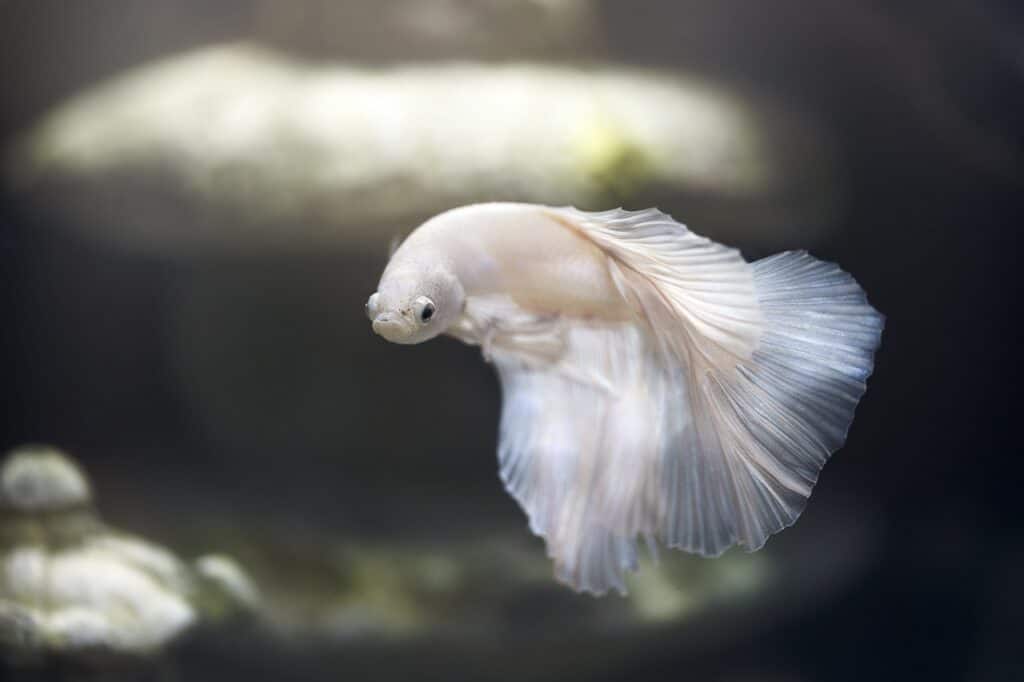
Outcrossing offers a strategic advantage in Betta breeding by greatly enhancing genetic diversity within the breeding stock, whether raising the Siamese fighting fish or other variants.
This method not only mitigates health issues associated with inbreeding but also introduces fresh genetic material that can elevate the overall quality of your breeding program. Here are three key benefits I’ve observed:
- Vigor and Resilience: Outcrossing enhances the vigor and overall fitness of offspring, improving survival rates against diseases.
- Elimination of Undesirable Traits: It helps eradicate recessive traits that may arise in inbred lines, leading to a healthier population.
- New Aesthetic Possibilities: Mixing different strains can produce stunning new color patterns and fin types, enriching the genetic tapestry of your Bettas and advancing Population Genetics research.
Embracing outcrossing can rejuvenate your breeding efforts for lasting success.
Balancing Breeding Strategies for Optimal Results

To achieve ideal results in Betta breeding, it’s vital to balance line breeding and outcrossing strategically. Line breeding allows us to reinforce desired traits, but it’s vital to manage it carefully to avoid health issues related to inbreeding.
On the other hand, outcrossing introduces genetic diversity. By combining line breeding with fixing desirable traits with occasional outcrossing for new genetic material and Genetic manipulation, I can promote the long-term health and quality of my Betta lines effectively.
Community Insights on Breeding Practices
How can we leverage the collective knowledge of the breeding community to enhance our practices? Engaging with fellow breeders provides invaluable insights, such as incorporating brine shrimp feeding protocols to improve fry health. Here’s what I’ve discovered:
- Swapping fish with other breeders introduces genetic diversity, combating inbreeding and ensuring our lines remain robust.
- Experienced breeders emphasize the importance of culling undesirable traits, which is essential for maintaining high-quality offspring that breed true.
- Observing bubble nest quality can guide pair selection and demonstrate parental fitness.
Conclusion
In summary, traversing the complexities of betta breeding requires a careful balance between line breeding and outcrossing. While line breeding can enhance desirable traits, it’s essential to be aware of the risks of inbreeding depression.
Outcrossing offers a solution to diversify genetic material and improve overall health. For instance, tracking gene pools across broodstock aids in preserving diversity, while PCR amplification of DNA samples and examination of microsatellite loci support informed breeding decisions.
The development of a comprehensive reference genome has opened avenues for investigating sex determination mechanisms and applying homology-directed repair in genome editing experiments.
Such genome editing has the potential to enhance desired traits, complementing classical methods and ensuring vibrant, resilient bettas that thrive in both appearance and genetic integrity.