When I care for my betta’s damaged fins, I focus on high-quality protein supplements like bloodworms and daphnia, which really boost healing. Using vitamin-rich options such as Fish Protector and garlic-based products enhances immune support.
Keeping the water temperature around 80°F – 82°F and using Indian almond leaves helps too. Regular water changes are essential for maintaining optimal healing conditions. Monitoring progress closely guarantees I adjust care as needed. There’s so much more to share about optimizing recovery!
Understanding Betta Fin Damage
When observing Betta Fish, it’s essential to recognize that fin damage can result from various stressors, such as aggressive tank mates or inadequate water quality. I’ve seen bettas with torn or frayed edges, indicating distress that must be addressed.
It’s vital to look for signs of fin rot, like fuzzy or slimy coatings, as these can signal severe health issues requiring immediate action. The recovery of damaged fins largely depends on the betta’s age; younger fish typically heal better than older ones.
To support healing, maintaining ideal water conditions and considering beneficial additives like Indian almond leaves is necessary. A commitment to providing a healthy environment greatly enhances a Betta Fish’s chances of regrowing those beautiful fins.
The Role of Nutrition in Fin Regrowth
Proper nutrition plays an essential role in the recovery of damaged fins, as it directly influences a betta’s ability to heal. I find that providing good food, particularly high-quality protein sources like live or frozen bloodworms and daphnia, is imperative for promoting fin regrowth.
Foods rich in B vitamins, especially from daphnia, can greatly enhance this healing process. It’s important to steer clear of prepared foods with fillers like corn or wheat, as these can hinder both fin regrowth and overall health. Regularly feeding nutritious options supports metabolism, supplying the energy needed for healing and activity.
Additionally, using supplements like Fish Protector and VitaChem can offer essential vitamins and minerals that further aid in fin regeneration, ensuring your betta thrives in proper water conditions.
Effective Supplements for Healing
While ensuring a balanced diet is crucial for your betta’s recovery, incorporating effective supplements can greatly enhance the healing process of damaged fins. High-quality protein supplements like bloodworms and daphnia provide essential nutrients that promote faster fin regrowth.
I recommend products such as Fish Protector and VitaChem that contain important vitamins which support overall health and accelerate healing. Garlic-based supplements, including Garlic Guard or Garlic Boost, not only stimulate appetite but also bolster immune function, aiding in fin recovery. Additionally, regularly including vitamin-rich foods, particularly those loaded with B vitamins, can greatly enhance fin regeneration.
By consistently using these supplements alongside a balanced diet and maintaining a proper quarantine tank for new additions, you create an ideal environment for your betta’s healing journey.
Optimal Tank Conditions for Recovery
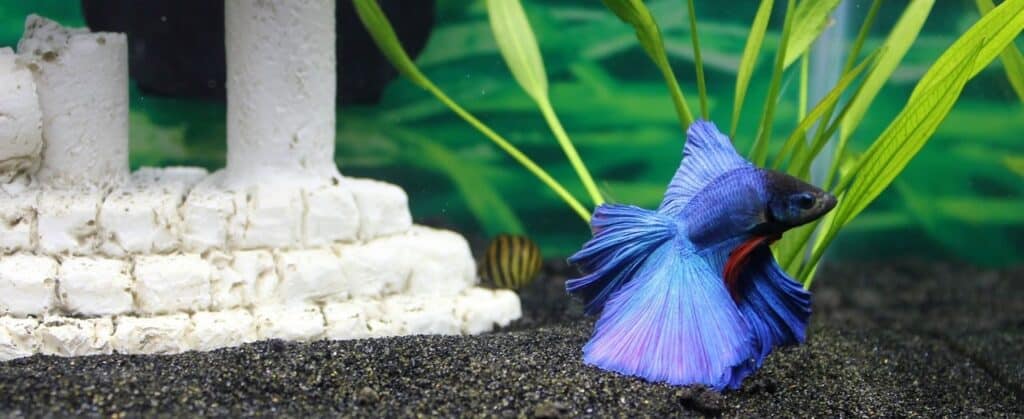
Creating ideal tank conditions is essential for your betta’s recovery, as it directly influences their healing process. By maintaining excellent tank conditions for recovery, you can greatly enhance your betta’s well-being. Regular water changes help remove toxins that could impede healing. Here’s a quick reference table to guide you:
| Factor | Optimal Level | Purpose |
|---|---|---|
| Water Temperature | 80°F – 82°F | Boosts metabolism and promotes faster healing |
| Indian Almond Leaves | Yes | Releases tannins that support health |
| Water Cleanliness | Regular changes | Prevents fin rot and promotes healing |
| Humidity Levels | Above 90% | Supports labyrinth organ health |
Monitoring Progress and Adjusting Care
I regularly track my Betta’s fin healing milestones to guarantee I’m on the right path with care. If I notice growth stagnating, adjusting the nutritional intake to include more high-quality proteins supports tissue regeneration. Keeping a close eye on these factors helps create an ideal environment for recovery. A water change schedule is crucial for maintaining optimal healing conditions.
Track Healing Milestones
Tracking healing milestones in your Betta’s fin recovery is essential for ensuring ideal care and making necessary adjustments. I regularly take photographs every few weeks to visually track healing milestones and observe how Betta fins grow over time.
Keeping a log of water parameters, including temperature and ammonia levels, helps maintain stable conditions important for fin healing. Monitoring feeding habits, incorporating high-protein foods like bloodworms or daphnia supports regrowth.
Observing behavior is critical; any signs of stress may indicate a need for changes in care strategies. Finally, using a calendar to document interventions links actions to healing outcomes and enhances recovery journey.
Adjust Nutritional Intake
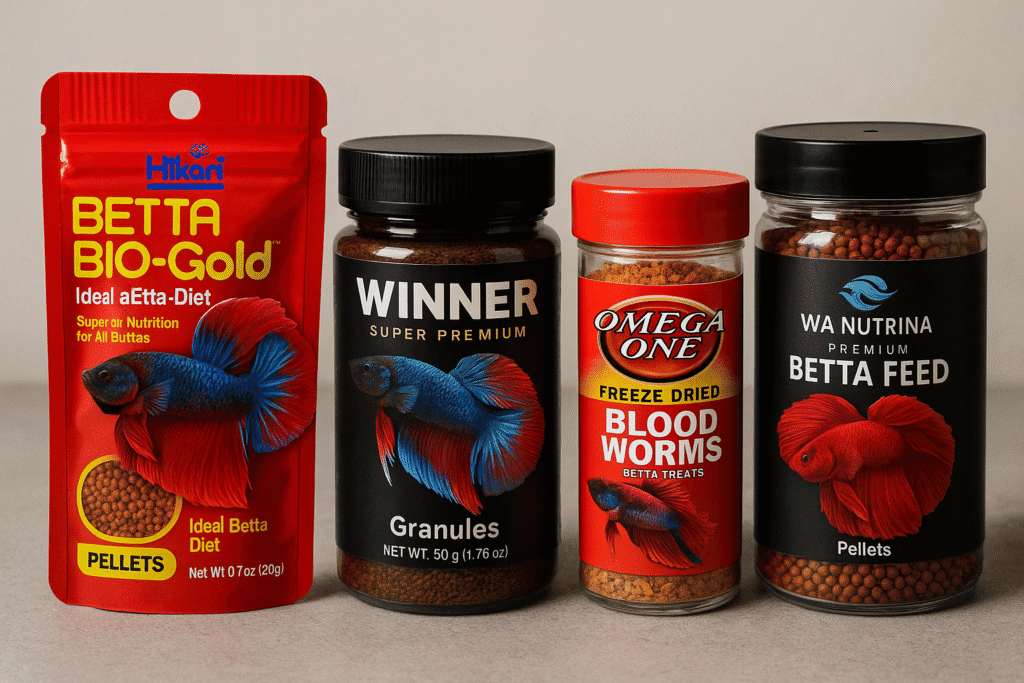
After monitoring the healing milestones of your Betta’s fins, it’s time to focus on adjusting their nutritional intake to support ongoing recovery. Providing the right diet is vital for fin regrowth and overall health. Here’s how I adjust my Betta’s nutrition:
- Incorporate high-quality protein: Regularly feed live or frozen bloodworms and daphnia, which are essential for fin repair.
- Monitor dietary responses: Watch your Betta’s activity and fin condition, adjusting the feeding regimen to guarantee adequate nutrition without overfeeding.
- Maintain a consistent schedule: Feed small amounts 1-2 times daily, promoting better digestion and nutrient absorption vital for healing.
Community Experiences and Recommendations
When it comes to fin regrowth in Bettas, community members have come together to share their experiences and recommendations that can truly make a difference. Many emphasize using Indian almond leaves (IAL) for their beneficial tannins, which promote healing.
I’ve found that high-quality, protein-rich foods like bloodworms and daphnia are often recommended, as they support faster regrowth. Consistent water maintenance is essential; stable temperatures between 80°F and 82°F create ideal conditions for recovery.
Positive feedback on supplements like Fish Protector and VitaChem suggests they can enhance healing and boost the immune system. Most importantly, patience is key—fin regrowth is a slow process requiring careful monitoring and consistent care for your betta’s environment.
Conclusion
To sum up, caring for a betta with fin damage requires a holistic approach that combines proper nutrition, effective supplements, and ideal tank conditions. By understanding the importance of these factors, we can support our bettas in their healing journey.
I’ve seen remarkable recoveries in my own fish through maintaining excellent water quality, and I encourage you to monitor their progress closely. With patience and dedication, your betta can thrive again, showcasing beautiful, healthy fins. Let’s nurture them back to health together!