If your betta shows signs of Ich, increase the water temperature to 85°F and use Ich-X medication at 5 ml per 10 gallons, re-dosing daily. Adding aquarium salt at 1 tsp per 2.5 gallons can also help, but avoid it for scaleless fish.
Maintain ideal water conditions and continue treatment for 10–14 days, even after symptoms disappear. Early detection is key for recovery, and there’s much more to learn about effective prevention and treatment strategies.
What Is Ich or White Spot Disease?
Ich, commonly known as white spot disease, is a serious affliction caused by the protozoan parasite Ichthyophthirius multifiliis, primarily affecting freshwater fish like bettas. This parasite manifests as small white cysts resembling grains of salt on the fish’s body, fins, and gills.
Ich thrives in stressful conditions, often triggered by poor water quality, temperature fluctuations, and overcrowding in fish tanks. Recognizing these conditions is essential for early detection and effective treatment. The lifecycle of Ich includes various stages, such as trophonts that feed on fish and theronts that seek new hosts.
Treatment options involve raising the water temperature, applying medications like Ich-X, and ensuring high water quality through frequent partial water changes to combat this debilitating disease.
Signs Your Betta Fish Has Ich
Recognizing the signs of Ich in your betta fish is vital for effective intervention. Look for small white spots on the body, fins, and gills, which are characteristic of this disease.
Infected bettas often exhibit clamped fins, lethargy, and decreased appetite, sometimes choosing to sit at the bottom of the tank. You might also observe signs of distress, such as flashing, where the fish rubs against surfaces, indicating gill irritation. Additionally, rapid breathing and increased gill movement may occur as your betta struggles for oxygen due to irritation.
Monitoring these symptoms closely is essential, as early detection greatly increases the chances of successful treatment and recovery for your betta fish.
Causes of Ich in Betta Fish
Understanding the causes of Ich in betta fish is essential for prevention and management. The primary culprit is the introduction of new, infected fish or invertebrates into the aquarium without proper quarantine procedures, which can spread the Ichthyophthirius parasite.
Poor water quality, characterized by high ammonia, nitrites, or nitrates, weakens a betta’s immune system, making them more susceptible to infection. Additionally, sudden temperature fluctuations can trigger Ich outbreaks, as the parasite thrives under stress. Overcrowding the aquarium raises stress levels among fish, further compromising their health.
Finally, contaminated equipment or decor from other tanks can unintentionally introduce Ich, underscoring the importance of maintaining disinfected tools and separate setups for different fish populations.
Treatment Options for Ich
When dealing with an Ich outbreak, it’s crucial to implement effective treatment options promptly to protect your betta fish’s health. Here’s a concise overview of the most effective strategies:
| Treatment Method | Dosage/Instructions | Additional Notes |
|---|---|---|
| Raise the Temperature | Aim for 85°F (29°C) | Speeds up Ichthyophthirius cycle |
| Ich-X Medication | 5 ml per 10 gallons, re-dose daily | Perform partial water changes |
| Aquarium Salt | 1 tsp per 2.5 gallons | Use cautiously; avoid scaleless fish |
| Remove Chemical Media | — | Prevent absorption by filters |
| Continue Treatment | 48–72 hours post-visible signs | Guarantees complete eradication |
Prevention Strategies for Ich
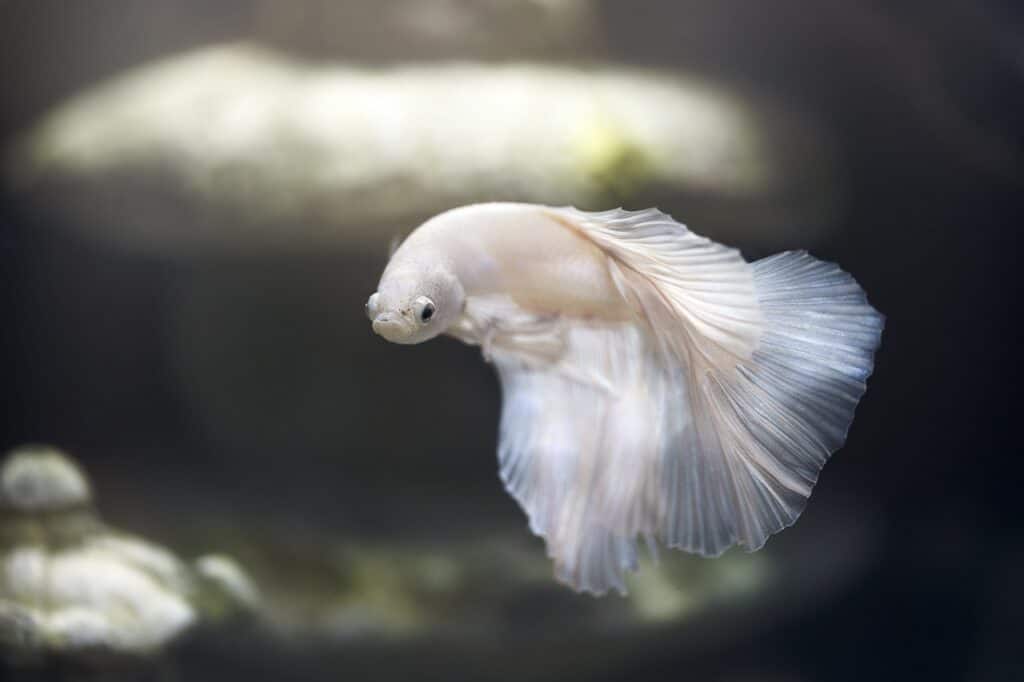
To effectively prevent Ich in my aquarium, I always quarantine new fish for four to six weeks before introducing them. It’s important to maintain ideal water quality and regularly monitor parameters like temperature and pH. By following these steps, stress on the fish is reduced, and the risk of outbreaks is lowered.
Quarantine New Fish
Quarantining new fish is essential for preventing the spread of Ich and other diseases in your aquarium. I recommend using a separate tank specifically for this purpose. For at least four to six weeks, monitor the new fish for any signs of illness, such as white spots or lethargy.
It’s vital to set up the quarantine tank with filtered water and maintain ideal conditions, including appropriate temperature and minimal stress factors. Avoid adding plants or decorations that could harbor parasites. Regularly test water parameters to guarantee the environment remains stable and healthy.
By taking these precautions, I can effectively prevent the spread of Ich and keep my main aquarium thriving.
Maintain Water Quality
Maintaining ideal water quality is essential for preventing Ich and ensuring the overall health of bettas. I regularly test water parameters, including pH, ammonia, nitrite, and nitrate levels, aiming for a pH of 6.5–7.5, with ammonia and nitrite at zero ppm and nitrate below 20 ppm.
To achieve optimal water quality, I perform routine water changes of 25–50% weekly, removing toxins that may stress the fish and trigger Ich outbreaks. Installing a reliable filtration system is vital for adequate aeration and mechanical filtration. Stable water temperatures between 76°F and 82°F reduce stress.
Keeping the aquarium clean by removing uneaten food and waste prevents harmful bacteria and parasites from thriving.
Regular Monitoring Practices
While I focus on maintaining a healthy environment for my bettas, monitoring practices play an essential role in preventing Ich outbreaks. Keep an eye on several key factors to guarantee that fish remain healthy and stress-free:
- Test aquarium water parameters regularly, including temperature, pH, ammonia, nitrite, and nitrate levels.
- Perform routine water changes of 10–20% weekly to maintain high water quality and eliminate potential Ich cysts.
- Monitor bettas daily for signs of distress, such as white spots, rubbing against objects, or loss of appetite.
- Additionally, I quarantine new fish for four to six weeks before introducing them to the main tank, assuring a disease-free environment for the community.
Ich Vs. Epistylis
When comparing Ich and Epistylis, it is crucial to recognize their distinct characteristics and symptoms. Ich, caused by the protozoan Ichthyophthirius multifiliis, manifests as small, white granules on the fish, while Epistylis presents as irregular, fuzzy patches.
Understanding these differences helps in determining the appropriate treatment, as Ich typically responds well to anti-Ich medications, whereas Epistylis requires more complex interventions.
Parasite Characteristics Comparison
Understanding the differences between Ich and Epistylis is essential for effective treatment in aquariums. Both parasites affect fish, but their characteristics and manifestations vary greatly.
Ich appears as distinct, salt-like spots on the body, fins, and gills of fish, typically causing rapid infection in freshwater environments. Epistylis, on the other hand, presents as fuzzy, whitish-grey patches that resemble mold, indicating a more severe condition often linked to poor water quality.
Treatment for Ich is generally straightforward and can involve medications like Ich-X, while Epistylis requires more intensive care due to its complexity and higher mortality rates.
Treatment Difficulty Levels
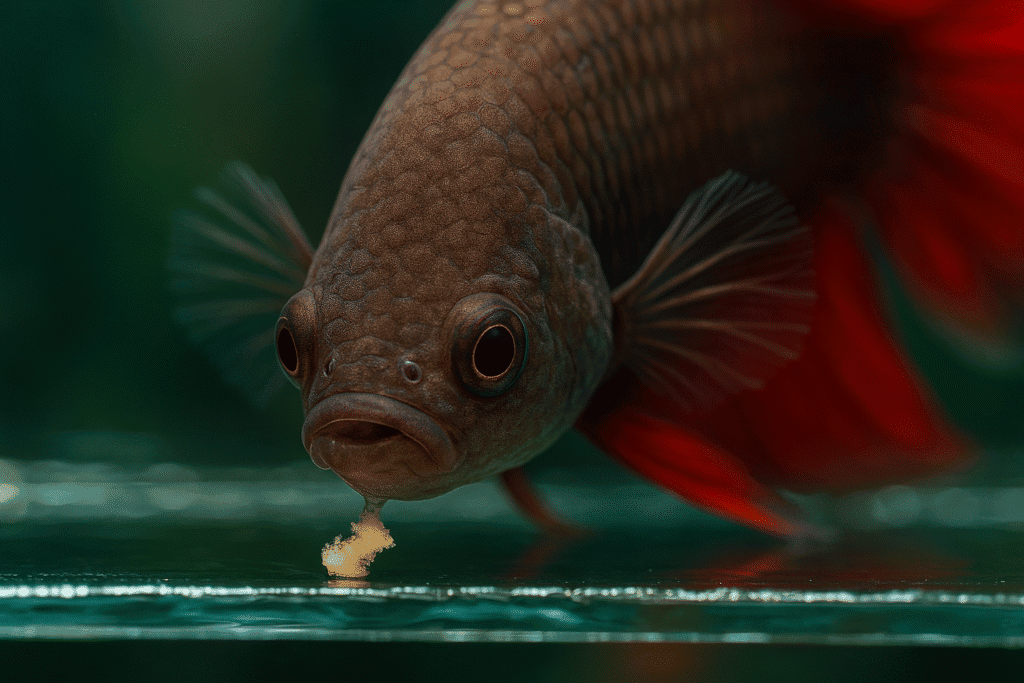
Treating Ich is generally simpler compared to addressing Epistylis, as effective medications and strategies for Ich are widely accessible. Ich (Ichthyophthirius multifiliis) can be managed with treatments like Ich-X and salt, often yielding results within a week if detected early.
In contrast, Epistylis presents as fuzzy, whitish-grey patches, is rarer, and complicates treatment, often proving fatal for bettas. Recognizing Ich symptoms, such as salt-like spots, allows for quicker intervention.
| Aspect | Ich Treatment | Epistylis Treatment |
|---|---|---|
| Duration | 10–14 days | Prolonged, uncertain |
| Medications | Ich-X, salt | Complex interventions |
| Symptoms | Salt-like spots | Fuzzy patches |
| Accessibility | Widely available meds | Limited options |
| Severity | Manageable | Often severe |
Symptoms Distinction
Distinguishing between Ich and Epistylis is essential for effective treatment, as their symptoms can easily be confused. Ich: Look for small, white spots resembling salt granules on your fish. Symptoms include rubbing against objects, lethargy, and decreased appetite. Epistylis: This manifests as irregular, fuzzy, whitish-grey patches that lack uniformity.
It often leads to more severe health complications and can be fatal if untreated. Treatment: Ich typically responds to medications like malachite green, while Epistylis requires more complex interventions. Recognizing these symptoms early improves recovery chances markedly, so diligent fish keepers must monitor their fish closely for any signs of these parasites.
Conclusion
In summary, managing Ich in betta fish requires prompt action and a thorough understanding of the disease. By recognizing the signs and implementing effective treatment options, you can help your betta recover and thrive.
Remember, prevention is key; maintaining a clean environment and monitoring water quality can greatly reduce the risk of outbreaks. Stay vigilant and proactive to guarantee your betta remains healthy and vibrant, free from the stress of white spot disease.