If your betta fish is struggling with mobility due to swim bladder issues, it is crucial to address the problem promptly. Symptoms like floating upside down or difficulty swimming can indicate stress or poor water quality. I recommend checking the water parameters and conducting partial water changes.
Try fasting your betta for a few days and offering frozen peas to aid digestion. There are effective treatments and preventive measures that can help, and more details could really make a difference.
Understanding Swim Bladder Disease
In Bony fish, Swim Bladder Disease (SBD) can be distressing for both you and your betta fish, as it directly impacts their ability to swim and maintain buoyancy. This condition arises when the swim bladder, an essential organ for controlling buoyancy, becomes compromised. This oval organ features a gas gland that regulates gas exchange.
One common cause of Swim Bladder Disease is poor water quality, which can stress your fish and lead to health issues. Additionally, overfeeding or low temperatures can disrupt digestion, affecting the fish’s body and swim bladder function. If you suspect your fish has swim bladder issues, diagnosing Swim Bladder involves observing their swimming behavior and physical condition.
Remember, treatment depends on the underlying cause, and timely intervention can greatly enhance your betta’s recovery chances.
Symptoms of Swim Bladder Disorder in Bettas
When you notice your betta fish struggling to maintain its position in the water, it could be a sign of Swim Bladder Disorder. Common symptoms include floating upside down, sinking to the tank’s bottom, or exhibiting abnormal swimming behavior like floating vertically or sideways.
You might also observe a distended belly, which can be confused with dropsy, impacting their overall mobility. Changes in feeding behavior, such as refusing food or showing little interest, can also indicate distress. Additionally, visual signs like a curved spine or unusual swimming patterns, such as tilting or leaning, suggest balance problems.
Being aware of these symptoms is essential for addressing your betta’s health and ensuring they receive the care they need.
Common Causes of Swim Bladder Issues
If you’re noticing your betta fish struggling with buoyancy, it’s essential to contemplate the common causes behind swim bladder issues. Poor water quality is a significant factor, as it can lead to stress and disrupt swim bladder function.
Overfeeding or an improper diet often results in digestive blockages, which can cause constipation and impact buoyancy. Sudden temperature fluctuations in the tank may shock your betta, triggering stress responses that affect their swimming ability. Additionally, bacterial infections or parasites can inflame the swim bladder, impairing movement.
Finally, physical trauma from handling or aggressive encounters with other fish can injure the swim bladder itself. Understanding these causes is vital for providing the best care for your betta fish.
The Importance of Clean Water for Betta Health
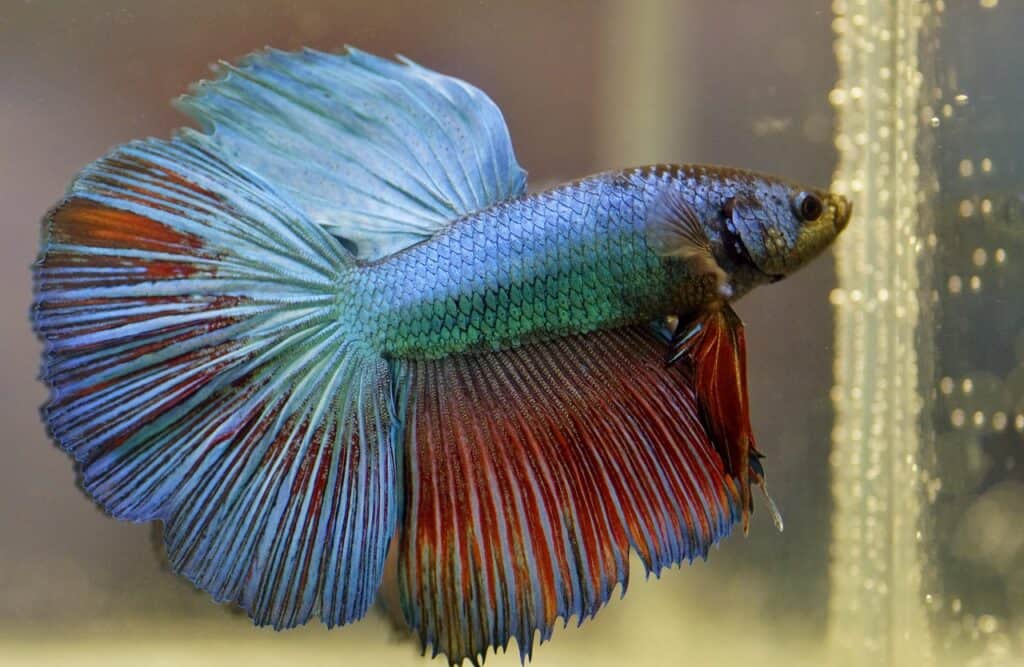
I can’t stress enough how essential clean water is for your betta’s health. These fish are incredibly sensitive to their environment, and poor water quality can lead to serious stress and health issues. By performing regular water changes and monitoring key parameters, you can create a thriving habitat that supports your betta’s well-being.
Maintaining Water Quality
Maintaining clean water is essential for the health and well-being of your betta fish, as poor water quality can lead to stress and various illnesses. I regularly test the water to guarantee safe conditions.
High ammonia and nitrate levels can severely affect their well-being, so testing ensures toxins stay low. Keeping the tank clean by removing uneaten food and waste not only promotes a healthier habitat but also reduces disease risk.
Regular partial water changes of at least 25% weekly help eliminate toxins and debris, making sure that your betta thrives in a clean environment.
Regular Water Changes
While it might seem tedious, performing regular water changes is fundamental to keeping your betta fish healthy and happy. I recommend changing 25-50% of the water weekly to maintain ideal water quality.
Clean water considerably supports your betta’s digestion and immune system, reducing the risk of Swim Bladder Disease. Monitoring water parameters like ammonia, nitrite, and nitrate levels is essential; fluctuations can lead to buoyancy issues. Regular water changes also prevent harmful bacteria and parasites, fostering a healthier environment for your fish.
Remember, stabilizing temperature around 78 degrees Fahrenheit is also critical for overall health. This guarantees bettas thrive, free from stress and illness, and enjoy their vibrant lives.
Effective Feeding Practices for Bettas
To keep your betta fish healthy and vibrant, effective feeding practices are essential, especially considering their susceptibility to mobility issues like swim bladder disorders. I recommend providing high-quality foods specifically formulated for bettas to guarantee they receive the necessary nutrients and avoid digestive issues.
Soak dried foods in tank water for a few minutes before feeding to help reduce bloating risks. Implement a feeding schedule that includes small portions several times a day to prevent overfeeding and blockages, which can lead to gas in the GI tract.
Don’t forget to introduce a fasting day each week, allowing their digestive system to rest and reducing constipation risks. Additionally, feeding frozen peas or daphnia can serve as natural laxatives to promote digestive health, especially for bettas facing buoyancy problems.
Setting Up a Quarantine Tank
When setting up a quarantine tank for your betta, it’s essential to keep the water depth shallow, ideally around 3-4 inches, to aid their mobility and reduce stress. I also recommend maintaining a temperature between 78-80°F, as this can support their recovery. Finally, ensuring pristine water conditions through daily changes will help prevent further health issues during this critical time.
Ideal Water Depth
Setting up a quarantine tank for your betta fish is crucial for their recovery, and the water depth plays a significant role in their comfort and health. The ideal water depth should be shallow, ranging from 3 to 4 inches, with a maximum of 6 inches. This minimization of depth helps reduce stress during recovery.
I also recommend keeping the quarantine tank bare-bottomed for easy monitoring of your fish’s health and stool. Additionally, maintain perfect water conditions by performing daily water changes if the tank isn’t cycled and maintain the best water quality. Using a sponge filter will create a gentle environment with minimal water flow, further supporting your betta’s well-being and recovery.
Temperature Control Guidelines
Maintaining the right temperature is vital for your betta fish’s health, especially in a quarantine tank. I recommend keeping the water temperature between 78-80°F (25.6-26.7°C) using a reliable heater. This range is ideal for betta health and greatly supports their immune function.
If your quarantine tank isn’t cycled, perform daily water changes to guarantee clean conditions that minimize stress and reduce the risk of infections. Utilizing a sponge filter provides gentle filtration without creating excessive water flow, which can be stressful for a sick fish.
Additionally, maintaining a bare-bottomed tank helps you easily monitor your betta’s stool and overall health during this significant period. These steps are vital in securing a successful recovery.
Maintaining Tank Conditions
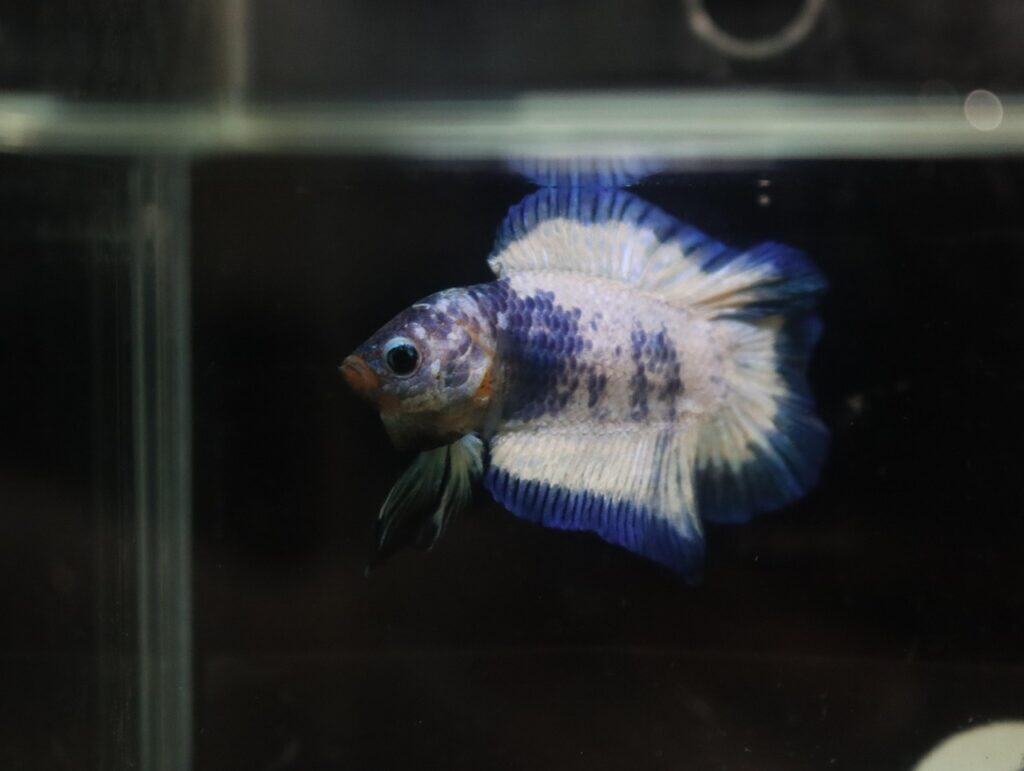
Creating a suitable quarantine tank for your betta fish is crucial for their recovery and well-being. I recommend setting up a bare-bottomed tank with a shallow water depth of 3-4 inches to guarantee safety. It’s important to maintain a consistent water temperature between 78-80°F (25.6-26.7°C) using a reliable heater, as this supports their immune system.
To achieve ideal water conditions, perform daily water changes if the tank isn’t cycled; this reduces stress and helps with swim bladder issues. Utilizing a sponge filter will create a calm environment with minimal water flow.
Additionally, keeping the tank bare-bottomed allows you to easily monitor the fish’s stool and overall health, providing valuable insights during their treatment.
Treatment Options for Swim Bladder Disease
When dealing with Swim Bladder Disease in betta fish, it is crucial to focus on both treatment and prevention to guarantee their well-being. To treat Swim Bladder Disease effectively, I first improve water quality by regularly monitoring water parameters. Fasting the betta fish for three days allows their digestive system to reset.
After fasting, feed frozen peas as a natural laxative, offering 1-2 pieces daily to promote digestive health. An Epsom Salt Bath can be considered, using one tablespoon per gallon to reduce swelling and alleviate constipation. Throughout this process, adjust the diet and keep a close eye on changes in behavior. This holistic approach supports their recovery and overall health.
Dietary Interventions to Aid Recovery
To effectively support a betta fish’s recovery from Swim Bladder Disease, focusing on dietary interventions is essential. I recommend incorporating frozen peas into their diet. By boiling and removing the outer shell, you can feed them 1-2 pieces daily to act as a natural laxative and relieve constipation-related swim bladder problems.
Daphnia can also serve as a beneficial alternative, promoting healthy digestion. Supplementing with high-quality sinking pellets helps prevent over-inflation of the swim bladder by reducing air intake. Additionally, regularly monitoring portion sizes and implementing fasting days can prevent digestive issues, further aiding recovery.
These dietary adjustments not only support your betta’s health but also enhance their overall well-being during treatment.
Monitoring Betta Behavior During Treatment
Monitoring your betta fish’s behavior during treatment is crucial for evaluating their recovery from Swim Bladder Disease. I pay close attention to their swimming patterns, noting if they float upside down, sink, or struggle to maintain balance; these signs can indicate the severity of their condition.
Their feeding behavior should also be monitored, as a refusal to eat might suggest worsening distress. Posture and movement observations, such as listing or swimming on one side, could require further intervention. Documentation of any changes, including the abdomen’s appearance and unusual swimming patterns, is necessary for future consultations. Ideal water quality and a stress-free environment support healing effectively.
Prevention Strategies for Swim Bladder Problems
To prevent swim bladder problems in your betta fish, I prioritize water quality and keep a close eye on their feeding habits. Regular water changes and stable temperatures help reduce stress, while careful portion control during feeding minimizes digestive issues. By ensuring a clean environment and monitoring their diet, supporting their buoyancy and overall health becomes straightforward.
Maintain Water Quality
Maintaining water quality is essential for the health of your betta fish, as poor conditions can lead to serious issues like Swim Bladder Disease. To guarantee a thriving environment, I recommend a few key practices:
Regular Partial Water Changes: Changing 20-30% of the water weekly keeps pollutants at bay and prevents pH shift that can stress bettas.
Stable Water Temperature: Keep the water at a consistent 78 degrees Fahrenheit to support digestion and minimize stress.
Monitor Water Parameters: Regularly check pH, ammonia, nitrite, and nitrate levels to catch any fluctuations early.
Monitor Feeding Habits
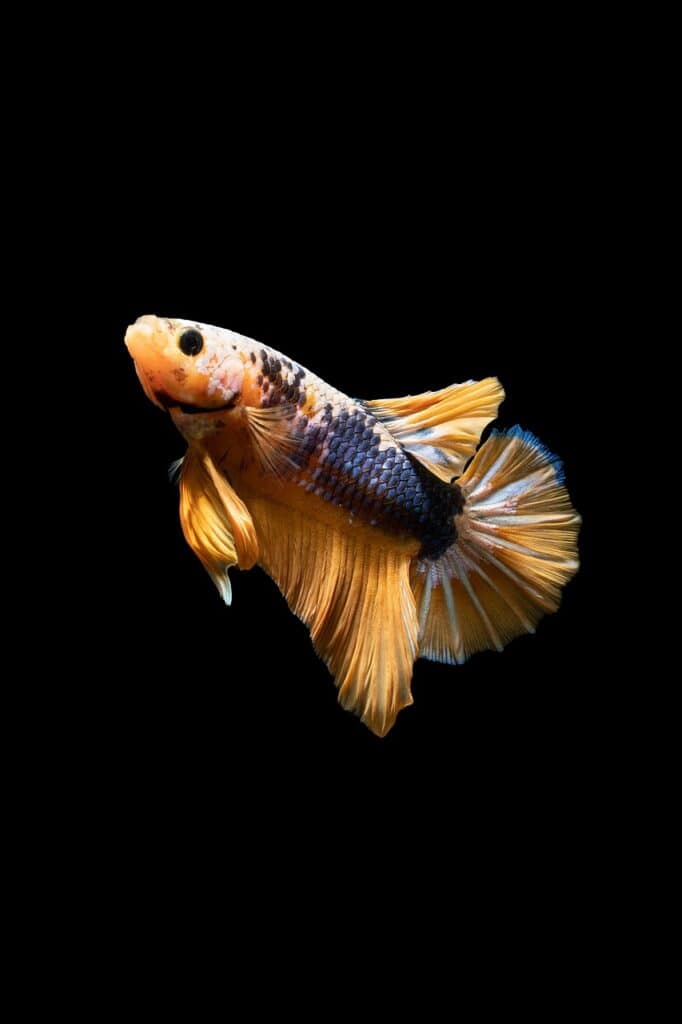
Feeding your betta fish plays an essential role in preventing Swim Bladder Disease, and careful attention to their eating habits can make a significant difference. It’s vital not to overfeed your betta, as this can lead to digestive blockages, a common culprit of swim bladder issues.
Instead, I recommend offering small portions several times a day. Implementing a fasting day each week allows their digestive systems to recover, reducing constipation-related buoyancy issues. Always choose high-quality, nutritious foods, and soak dried options in tank water for better absorption.
Finally, monitoring feeding behavior is key; a sudden change in appetite may signal health concerns. Occasionally natural laxatives like boiled peas can also support their digestive health.
Regular Water Changes
While it’s easy to overlook the impact of water quality on your betta’s health, regular water changes are an essential preventive measure against Swim Bladder Disease. Maintaining ideal water conditions not only keeps your betta happy but also minimizes stress-related issues. Here are three key tips I follow for effective tank maintenance:
- Change 25-50% of the water weekly to dilute toxins and guarantee stable water parameters.
- Monitor water temperature during changes, as fluctuations can worsen buoyancy disorders.
- Consider a bare-bottom tank to simplify waste removal, reducing the risk of digestive issues that can lead to swim bladder complications.
Conclusion
To sum up, addressing swim bladder issues in betta fish requires a combination of understanding, careful observation, and proactive care. By maintaining clean water, adopting effective feeding practices, and being attentive to your betta’s behavior, you can greatly improve their quality of life.
If symptoms arise, don’t hesitate to explore treatment options and dietary interventions. Remember, your betta relies on you for their health, so your commitment to their care can make all the difference in their recovery.