When it comes to calming treatments for stressed Betta fish, effective options include medications like Seachem StressGuard and API StressCoat, which help alleviate stress and protect against harmful substances. Aquarium salt can also aid in recovery by promoting osmosis.
Additionally, creating a comfortable environment with hiding spots, maintaining good water quality, and providing a balanced diet are essential. If you’re looking for more insights on managing Betta stress, there’s plenty more to explore.
Understanding Stress in Betta Fish
When it comes to keeping Betta fish, understanding their stressors is essential for their health and well-being. High-stress levels can lead to a weakened immune system, making them more vulnerable to diseases and potentially shortening their lifespan.
One major factor contributing to stress is poor water quality; it can drastically affect their comfort and behavior. I’ve learned to watch for signs of stress, such as lethargy, lack of appetite, faded coloration, clamped fins, and visible stress stripes. These indicators signal discomfort and warrant immediate attention.
By providing a suitable environment with proper filtration, temperature, and hiding spots, stress can be significantly reduced and their overall quality of life enhanced. Timely interventions truly make a difference in their recovery.
Causes of Stress in Betta Fish
Although Betta fish are known for their vibrant colors and unique personalities, they can easily become stressed due to various environmental factors. One of the primary causes of stress is poor water conditions, particularly high levels of ammonia, nitrite, and nitrate.
These toxic compounds can lead to serious health issues. Overcrowding in tanks is another significant stressor, as Betta fish are solitary creatures that thrive with ample personal space. Additionally, incompatible tank mates, especially aggressive or brightly colored species, can provoke anxiety and territorial disputes.
Sudden changes in water temperature or pH levels can also shock them, exacerbating stress. Finally, insufficient hiding spots can leave Betta fish feeling insecure, contributing to their overall stress levels.
Signs of a Stressed Betta Fish
Observing your Betta fish closely can reveal vital signs of stress that require immediate attention. Recognizing these signs is essential for maintaining their health and happiness. Here are some indicators to watch for:
Lethargy: If your Betta shows reduced activity and excessive hiding, it’s a sign that your fish may be stressed.
Faded Coloration: Dull hues replace vibrant colors, indicating stress in Betta fish.
Clamped Fins: Holding fins close to the body signals discomfort or fear.
Gasping for Air: Frequent surface gasping suggests low oxygen levels or poor water quality, common causes of stress.
How to Help a Stressed Betta Fish
To help a stressed Betta fish, focus should be placed on improving water quality, creating a stress-reducing environment, and providing a balanced diet. Regularly checking parameters like ammonia and pH ensures a safe habitat, while adding hiding spots and dim lighting makes them feel secure. I also pay attention to their diet, offering nutritious options that support their overall health and well-being.
Water Quality Improvement
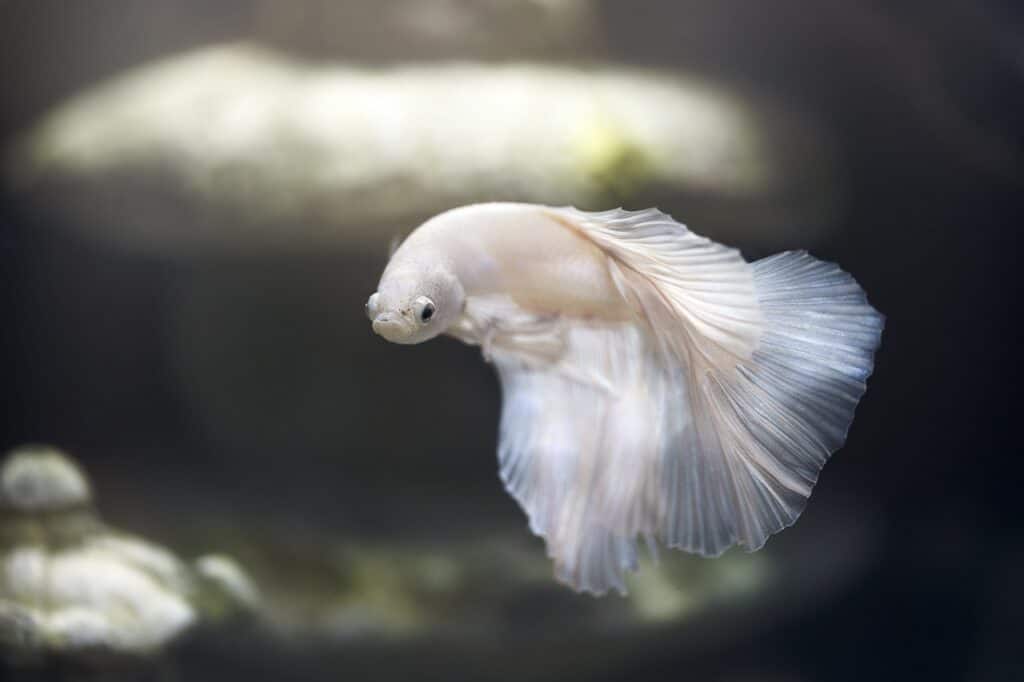
Ensuring ideal water quality is essential for keeping your Betta fish healthy and stress-free. Poor water conditions can quickly stress your fish, so maintaining a clean environment is crucial. Here are some key practices to follow:
Regularly test water parameters: Keep an eye on ammonia, nitrite, nitrate levels, and pH, aiming for ammonia and nitrite at 0 ppm and nitrates below 40-50 ppm.
Conduct weekly water changes: Change 20% to 30% of the water to remove waste and maintain water quality.
Use a high-quality filter: This keeps the water clean and oxygenated, preventing deterioration.
Consider using water conditioners: Products like Seachem Prime help detoxify harmful substances, further improving water quality and reducing stress.
Stress-Reducing Environment
Creating a stress-reducing environment for your Betta fish is just as important as maintaining water quality. Start with a tank of at least 10 gallons, allowing your fish ample swimming space to reduce stress. It’s essential to maintain a stable water temperature between 76-82°F (24-28°C) and proper pH levels (6.5-7.5) to ensure their comfort.
Adding plants or decorations provides places to hide, creating a sense of security that helps alleviate anxiety. Additionally, consider using dim lighting or shaded areas in the tank, as Betta fish prefer less intense conditions.
I recommend regular water changes of 20-30% weekly and a suitable filter to further improve water quality, making your Betta’s home a truly calming environment.
Balanced Diet Options
While providing a stress-free environment is essential, a balanced diet is equally important for your Betta fish’s well-being. To help reduce stress and support their health, consider these options:
High-quality pellets: Choose those formulated for Bettas, containing at least 40% protein.
Frozen or live foods: Incorporate brine shrimp or bloodworms to stimulate natural hunting instincts.
Feeding schedule: Offer 2-3 small meals per day, with only what they can consume in two minutes to maintain water quality.
Variety in diet: Add plant-based options like spirulina or daphnia to provide a varied diet that enhances overall resilience.
Effective Medications and Treatments
When it comes to treating a stressed Betta fish, combining effective medications with natural remedies can make a significant difference. It’s vital to understand the right dosages and administration techniques for each treatment to ensure your fish’s safety and comfort. Let’s explore some recommended stress medications and calming options that can help restore your Betta’s well-being.
Recommended Stress Medications
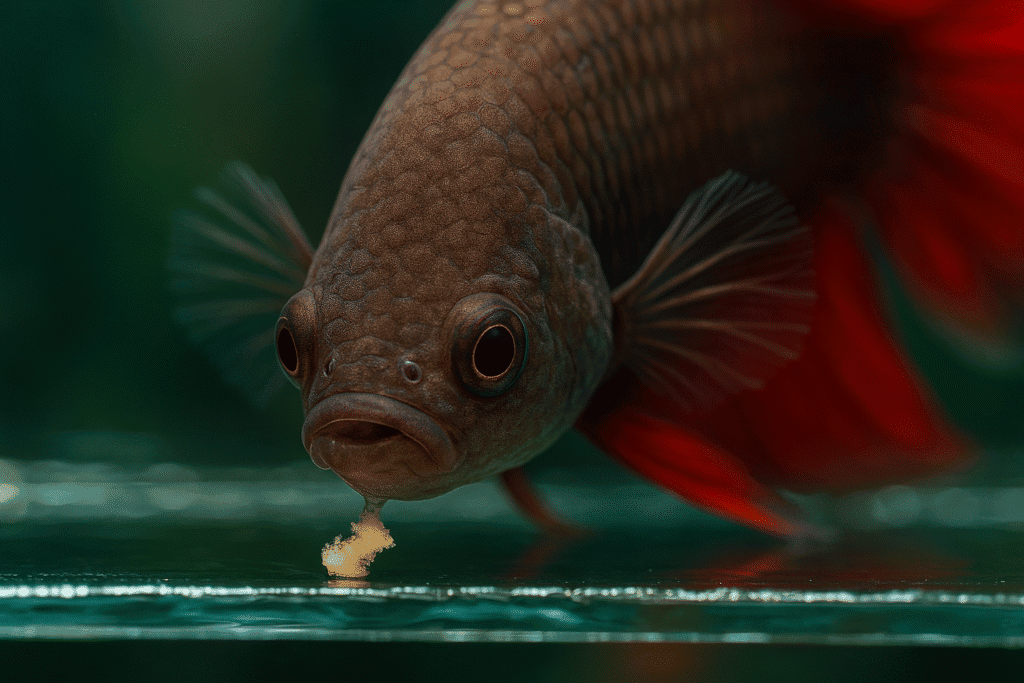
Finding the right stress medications for Betta fish is crucial to their health and well-being. I’ve found several effective options that can truly make a difference:
Seachem StressGuard – This enhances slime coat production and creates a protective barrier against pathogens, reducing stress-related issues.
API StressCoat – A dual-purpose water conditioner that detoxifies harmful substances while alleviating stress, especially beneficial for newly introduced fish.
Aquarium salt – When used in appropriate dosages, it promotes osmosis and aids in recovery from stress-related ailments.
Seachem Prime – An effective conditioner that detoxifies ammonia and nitrite, improving water quality and reducing stress in your Betta’s environment.
Using these medications can help ensure a calm and healthy life for your Betta fish.
Natural Calming Remedies
To effectively support the well-being of your Betta fish, incorporating natural calming remedies can be a game-changer. Several effective options are both gentle and beneficial.
| Remedy | Benefits |
|---|---|
| Aloe Vera | Enhances slime coat, reduces stress, promotes healing |
| Indian Almond Leaves | Releases tannins, mimics natural habitat, improves water quality |
| Chamomile Tea | Provides anti-inflammatory benefits, promotes relaxation |
| Essential Oils (Lavender) | Creates a calming atmosphere, use with caution |
| Stress Coat Products | Often contain aloe vera, detoxifies, and reduces stress |
These natural calming remedies can help create a more serene environment for your Betta, allowing them to thrive and feel secure in their home.
Dosage and Administration Tips
Administering medications and treatments for your Betta fish requires careful attention to dosage and application methods. Following the manufacturer’s instructions is essential to avoid overdosing, which can harm your fish and disrupt the tank’s beneficial bacteria. Here are some helpful dosage tips:
For Seachem StressGuard, use 1 capful (5 mL) per 10 gallons; a partial water change before treatment is recommended.
With API StressCoat, administer 1 teaspoon (5 mL) per 10 gallons to ease stress and support the slime coat.
When using API E.M. Erythromycin, apply 1 packet (0.5 g) per 10 gallons, monitoring water parameters closely.
Always treat in a hospital tank to protect the main aquarium’s ecosystem and maintain water quality.
Preventive Measures for Betta Fish Stress
While ensuring a stable environment is vital for your Betta fish’s well-being, implementing preventive measures can greatly reduce stress. Maintaining a minimum tank size of 5 gallons is recommended; this provides ample space for your Betta to swim freely, which helps prevent stress.
Regularly testing water parameters, such as ammonia and pH levels, keeps the water clean and promotes a healthy habitat. Incorporating a quality filter enhances oxygen levels, important for your Betta’s sensitivity to poor conditions. Additionally, adding hiding spots and decorations gives your fish a sense of security, further reducing anxiety.
Finally, I believe a balanced diet of high-quality pellets and occasional treats ensures your Betta stays healthy and happy, ultimately minimizing stress.
Conclusion
In summary, managing stress in betta fish is essential for their health and well-being. By identifying the causes of stress and observing their behavior closely, proactive steps can be taken to create a calm environment.
Utilizing effective medications and treatments, along with preventive measures, ensures bettas thrive. Remember, a happy betta is a healthy betta, and investing time in their care pays off in spades. I encourage prioritizing their comfort and happiness together.