When treating Betta fish parasites (one of the most common fish diseases), I often select Ich-X for ich, which is effective and safe for scaleless fish. For velvet disease, isolating the fish and raising the temperature helps enhance medication effectiveness. If you’re dealing with gill flukes, praziquantel works well.
Always maintain ideal water conditions and consider regular water changes to support recovery. By following these treatments, you can guarantee your Betta thrives—discover more about maintaining their health and well-being as we explore further.
Understanding Common Betta Fish Parasites
When it comes to keeping betta fish healthy, understanding common parasites is vital. The most notorious is Ichthyophthirius multifiliis, or Ich, which manifests as white spots on the skin and thrives in poor water quality.
Other prevalent parasites include anchor worms and gill flukes, which can cause visible discomfort and respiratory issues. Symptoms often include rapid gill movement, scratching against surfaces, and lethargy, indicating stress and health decline. To effectively treat these parasitic diseases, I rely on medications like API Super Ick Cure for Ich and praziquantel-based products for flukes and tapeworms.
Regular monitoring of water quality and water parameters is essential for early detection, as stressors like overcrowding and poor nutrition can exacerbate these diseases in betta fish.
Ich Treatment Options
When treating Ich in betta fish, a popular tropical fish species, I focus on effective remedies that guarantee quick recovery. It’s essential to follow proper dosage and application techniques, as well as implement preventative measures to maintain a healthy environment. By understanding these aspects, one can better safeguard fish against this common parasite.
Effective Ich Remedies
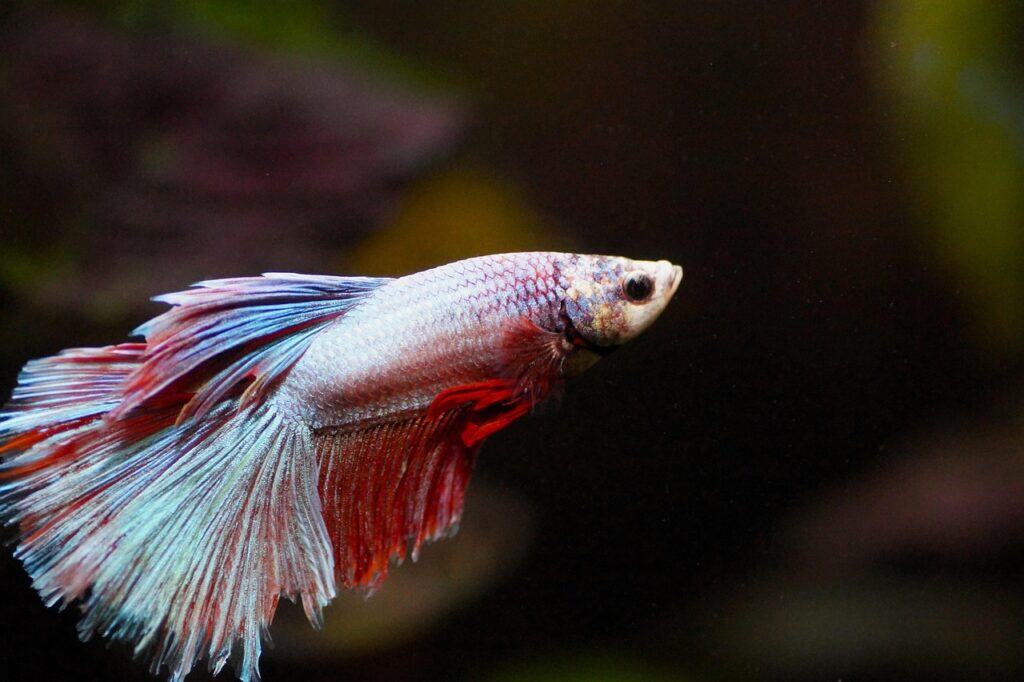
Effective treatment options for ich, caused by the parasite Ichthyophthirius multifiliis, are crucial for maintaining the health of your betta fish. One highly effective remedy is Ich-X, which contains formaldehyde and malachite green chloride and is safe for scaleless fish and invertebrates.
During treatment, I recommend dosing 1 teaspoon per 10 gallons of tank water and changing one-third of the water daily. It’s important to keep an eye on water quality, as poor conditions can worsen the situation for sick fish. Additionally, raising the water temperature to around 82–86°F (28–30°C) can help accelerate the parasite’s life cycle, making it more vulnerable to treatment.
Always monitor your fish closely to guarantee swift action at the first sign of ich. If supplies are purchased from an aquarium or fish store, follow label instructions carefully.
Dosage and Application
Administering the right dosage and application of treatments for ich is essential in ensuring your betta fish’s recovery. For effective Ich treatment, I recommend using Ich-X at a dosage of 1 teaspoon per 10 gallons of water, applied daily while performing one-third water changes to maintain ideal water quality.
Continue treatment for at least three days after the last visible signs of ich to eradicate the external parasites completely. If using ParaCleanse for internal parasites, administer 1 packet per 10 gallons on Day 1 and repeat on Day 3, with a 25% water change on Day 5. Always consider transferring affected fish to a quarantine tank to minimize the risk of spreading parasites to other inhabitants.
Prevention and Maintenance
After ensuring that your betta fish receives the proper treatment for ich, maintaining a proactive approach to prevention and care becomes essential. I recommend focusing on these key preventive maintenance strategies to keep your fish healthy and reduce the risk of future health problems:
- Regularly monitor water quality and maintain stable parameters.
- Quarantine any new fish for at least two weeks before adding them to your aquarium.
- Raise the water temperature to 82–84°F (28–29°C) during ich treatment.
- Use effective anti-parasitic treatments like Ich-X, ensuring compatibility with all tank inhabitants.
- Conduct daily water changes of 25% during treatment to improve oxygen levels and eliminate free-floating ich.
Addressing Velvet Disease
When a gold or rusty dust-like appearance appears on a betta fish, I recognize it as a potential sign of velvet disease caused by the parasite Piscinoodinium. Ensure aquarium water is maintained properly to reduce parasite load. This condition can escalate rapidly, leading to serious health issues or death. In the following sections, effective treatment options and important symptoms to watch for are outlined.
Symptoms of Velvet Disease
I watch for these symptoms:
- Rubbing against tank decor
- Clamped fins
- Loss of appetite
- Lethargy
- A gold or rusty dust-like appearance on their bodies and fins
Effective Treatment Options
To effectively combat velvet disease in your betta fish, it is crucial to implement a multi-faceted treatment approach as soon as symptoms appear. First, isolate the affected fish in a separate tank to minimize stress. Darkening the tank can help make the parasites more vulnerable.
Gradually raise the water temperature to 82–84°F (28–29°C), enhancing the effectiveness of medications like API GENERAL CURE. I also recommend using medicated food to support your fish’s immune system during recovery. Regularly monitor water quality, ensuring that ammonia and nitrite levels are low, as poor conditions can exacerbate the disease.
By taking these steps, you’ll improve your betta’s chances of a full recovery and promote overall health.
Managing Gill Flukes
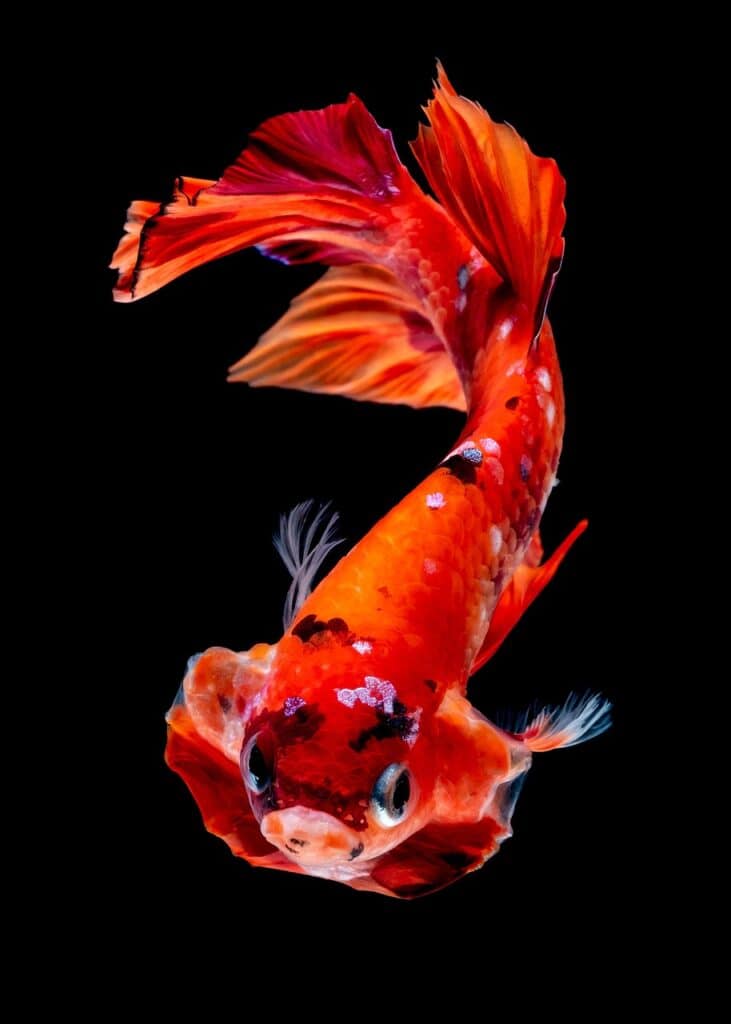
Although gill flukes can pose serious health risks to your betta fish, managing this parasite effectively is essential for their recovery. Here’s how I approach the situation:
- Use anti-parasitic medications like praziquantel, which specifically target gill flukes without harming your fish.
- Increase oxygen levels in the aquarium to support their breathing and overall health.
- Maintain ideal water quality to foster a safe environment for recovery, ensuring beneficial bacteria thrive.
- Administer aquarium salt baths to alleviate gill discomfort and reduce stress.
- Quarantine infected fish promptly to prevent spreading gill flukes to other tank inhabitants.
Effective Medications for External Parasites
When dealing with external parasites in betta fish, selecting the right medication is essential for effective treatment. Ich-X is a great option for tackling protozoan parasites like ich, as it’s safe for scaleless fish and plants.
If you’re facing fish lice or anchor worms, I recommend CyroPro, which uses cyromazine to disrupt parasite molting, though you’ll need to remove crustaceans during treatment.
For a versatile approach, ParaCleanse works on both internal and external parasites, being safe for a variety of aquatic life. Methylene Blue is another effective treatment for parasites and fungi, but keep in mind it’s not plant-friendly and best used in a hospital tank. Adding salt can also enhance treatment effectiveness.
Environmental Adjustments for Parasite Prevention
Maintaining a stable and clean environment is essential for preventing parasite outbreaks in betta fish. By focusing on ideal water quality and cleanliness, I can greatly reduce the risk of infections. Here are some key practices I follow:
- Perform routine cleaning of the tank, substrate, and decorations.
- Monitor ammonia, nitrite, and nitrate levels regularly.
- Use aquarium salt to help manage stress and improve gill function.
- Avoid overcrowding to minimize stress and aggression among fish.
- Provide a varied diet to boost immune systems and resist bacterial infections.
Importance of Isolation and Quarantine
To safeguard the health of betta fish, isolating infected individuals prevents the spread of parasites within the tank. I always quarantine new fish for at least two weeks. This allows observation of any signs of disease while using a dedicated hospital tank for treatment.
Regular monitoring during this period is important to catch emerging issues early, enhancing recovery chances. By taking these steps, the incidence of parasitic infections can be considerably reduced and contribute to the long-term health of the aquarium community.
Maintaining Optimal Water Conditions for Recovery
Ideal water conditions are crucial for the recovery of betta fish, especially after a parasitic infection. I focus on the following key factors:
- Perform regular water changes of 25% every week to dilute harmful toxins.
- Maintain a stable water temperature between 76°F to 82°F (24°C to 28°C) to support their immune system.
- Monitor pH levels, keeping them between 6.5 and 7.5, to avoid stress.
- Guarantee adequate aeration to improve oxygen levels essential for recovery.
- Use a water conditioner during changes to remove harmful chemicals like chlorine.
Conclusion
To summarize, I find that effectively treating betta fish parasites requires a combination of targeted medications and environmental adjustments. By understanding the specific parasites your fish may face, you can choose the right treatment options, whether for ich, velvet disease, or gill flukes.
Remember to isolate affected fish and maintain ideal water conditions to aid recovery and prevent future outbreaks. With careful attention and the right approach, you can guarantee your betta thrives in a healthy environment.