If I’ve noticed fin rot early on in my Betta, I can take action quickly. I keep an eye out for symptoms like shredded edges and discoloration. I make sure the water parameters are stable and consider adding aquarium salt to reduce bacteria.
Regular water changes help immensely, too. By monitoring their recovery, I can see signs of improvement, like regrowth of fins and increased activity. There’s much more to explore about this condition and its treatment.
Understanding Betta Fin Rot: Causes and Symptoms
While caring for my Betta, I’ve learned that fin rot is a serious condition that can quickly escalate if not addressed. This ailment often stems from bacterial infections, particularly from species like Aeromonas and Pseudomonas, which invade through damaged fins or stressed fish.
I’ve noticed some signs of fin rot, such as shredded edges, discolored tips, and inflammation at the base of the fins. If I ignore these early signs, they can lead to severe fin loss. Environmental factors, particularly poor water quality, overcrowding, and inconsistent feeding, heighten the risk.
That’s why I emphasize early detection—catching symptoms like brownish fin edges can prevent further damage and help maintain my Betta’s health in a clean, stress-free environment.
Assessing Your Betta’s Environment
To effectively treat fin rot in my Betta, I’ve realized that evaluating their environment is essential. A healthy fish thrives in a well-maintained habitat, so I focus on several key aspects:
- Regularly test water parameters, ensuring pH levels are between 6.5 and 7.5 and ammonia/nitrite levels are safe.
- Maintain a stable water temperature between 78-81°F to reduce stress.
- Remove sharp decor to prevent injuries that could lead to infections.
- Monitor for environmental stressors, like strong currents and overcrowding.
- Conduct 25%-50% water changes regularly to keep water quality high and minimize the risk of fin rot.
Effective Treatment Options for Fin Rot
When I notice signs of fin rot in my Betta, I immediately turn to effective treatment options to help restore their health. I often start by adding aquarium salt at a dosage of 1 teaspoon per gallon to combat bacterial growth.
For more severe cases, I rely on Kanaplex, a potent antibiotic specifically designed to tackle both bacterial and fungal infections. Meanwhile, I consider using Indian almond leaves, which provide natural antibacterial benefits and promote healing.
Regular water changes are essential; maintaining clean water reduces stress and supports recovery in my betta fish. By combining these methods, I can create an ideal environment for healing and guarantee my beloved fish gets back to full health.
Monitoring Recovery: Signs of Improvement
As I monitor my Betta’s recovery from fin rot, I pay close attention to several key indicators that signal improvement. These signs reassure me that my efforts to treat him are effective:
- Visible regrowth of fins, often starting in a different color before matching the original.
- Increased activity levels suggest he’s regaining strength.
- A return of appetite, indicating his health is improving.
- The absence of new symptoms or progression of fin rot is vital for his recovery.
- Regular monitoring of water parameters, ensuring a safe environment for healing.
Preventive Measures for Long-term Health

To guarantee your Betta thrives long-term, I can’t stress enough the importance of regular water changes and maintaining an appropriately sized tank.
I monitor my fish’s behavior closely, as any signs of stress can indicate underlying issues that need addressing. By prioritizing these preventive measures, I help create a healthier environment that considerably reduces the risk of fin rot.
Regular Water Changes
Regular water changes are crucial for the long-term health of your betta fish. Maintaining ideal water quality helps prevent issues like fin rot, which can severely affect your Betta’s fins. Here’s how I guarantee a healthy environment:
- Change 25% to 50% of the water every 3-4 days for smaller tanks or weekly for larger ones.
- Use a gravel vacuum to eliminate debris and waste, reducing bacteria levels.
- Consistently monitor water parameters, such as pH, ammonia, nitrites, and nitrates.
- Establish a routine for water changes to stabilize your betta fish’s habitat.
- Dilute toxins swiftly, especially if you notice any signs of fin rot.
With these practices, I can promote my Betta’s overall well-being and happiness.
Tank Size Matters
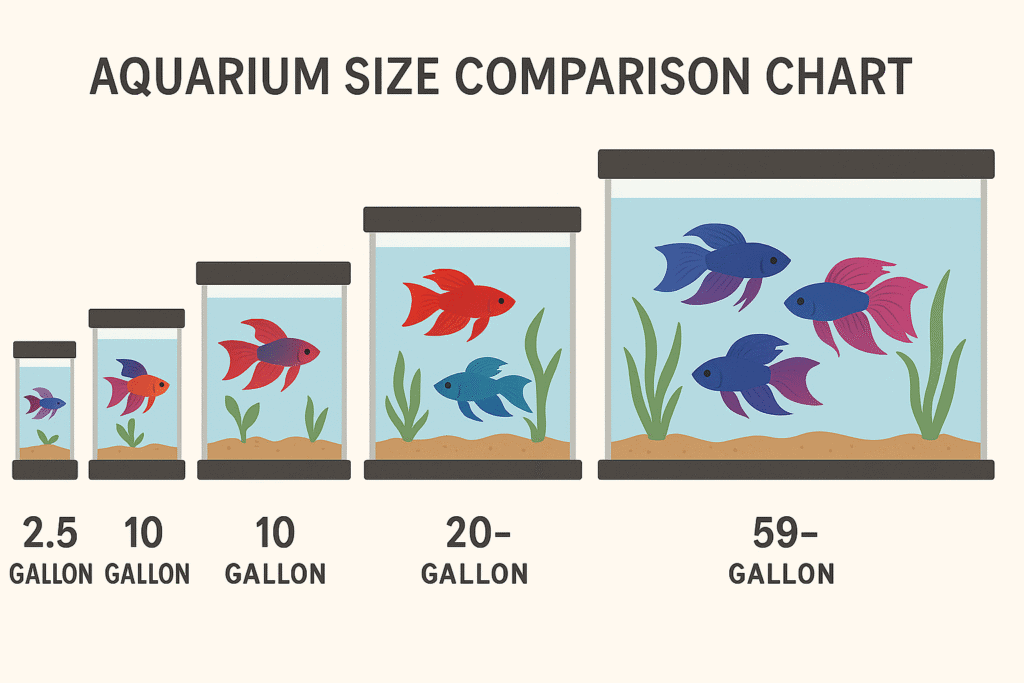
Maintaining a suitable tank size plays a significant role in your Betta’s overall health and well-being. I’ve found that a minimum tank size of 5 gallons is ideal for reducing stress and promoting a healthy living condition.
Smaller tanks, particularly those under 2.5 gallons, require frequent water changes to maintain water quality, preventing issues like fin rot. Overcrowding can lead to aggression and heightened stress, weakening your betta fish’s immune system.
It’s crucial to cycle your tank properly to avoid harmful ammonia spikes, which can further compromise their health. Additionally, incorporating plants and decorations provides hiding spots, enhancing your Betta’s environment and contributing to a more relaxed and thriving atmosphere. Your Betta deserves the best!
Monitor Fish Behavior
Observing your Betta’s behavior closely can reveal essential insights into their health and well-being. By monitoring their daily activities, you can spot potential issues like fin rot early. Here are key symptoms to watch for:
- Activity Levels: Notice any lethargy or decreased swimming patterns.
- Feeding Behavior: A sudden drop in appetite may indicate stress or illness.
- Visual Symptoms: Look for discoloration or fraying of fins, which are early signs of fin rot.
- Tank Environment: Keep track of water temperature and pH levels; fluctuations can stress your fish.
- Behavioral Changes: Document any unusual hiding or aggression, as these may reflect underlying health problems.
Community Support and Resources
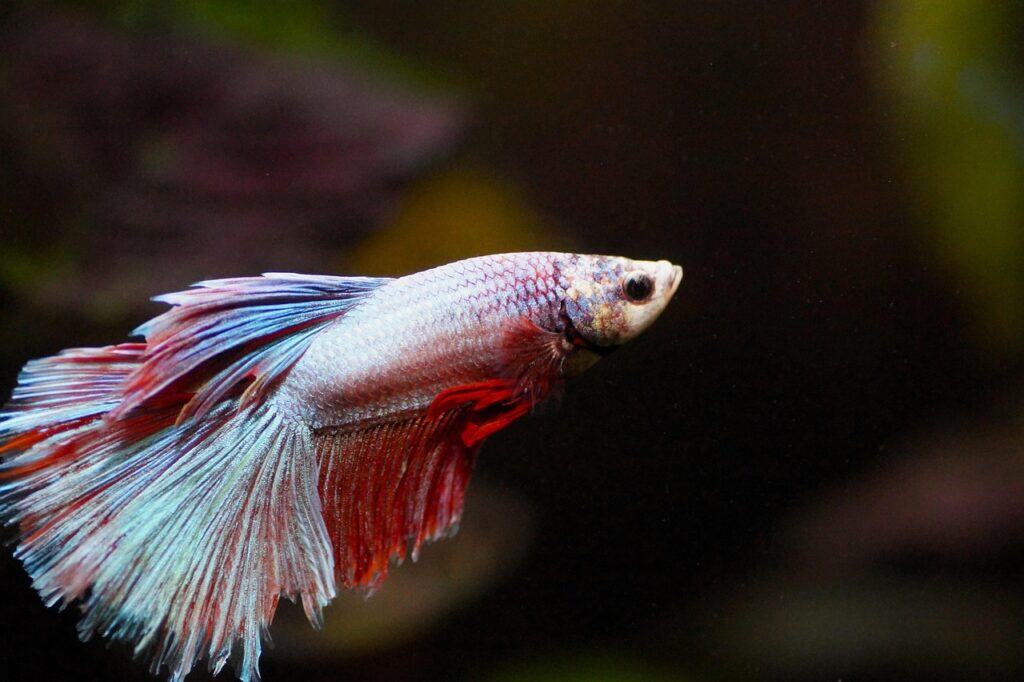
While maneuvering through the challenges of treating fin rot in my betta fish, I found that engaging with online fishkeeping communities can be incredibly beneficial. These platforms connect me with experienced aquarists who offer invaluable insights, share their treatment progress, and provide tailored resources. I’ve learned the importance of documenting my Betta’s condition with photos for effective discussions.
Here’s a quick overview of community resources:
| Resource Type | Description | Benefits |
|---|---|---|
| Forums | Discussion boards for fish owners | Peer support and shared experiences |
| Social Media | Groups on platforms like Facebook | Real-time advice and updates |
| Expert Consults | Direct communication with specialists | Personalized guidance for persistent issues |
| Educational Blogs | Articles by seasoned aquarists | In-depth knowledge and care strategies |
Sharing our journeys creates a supportive environment where we all learn and grow together.
Conclusion
In summary, addressing betta fin rot requires vigilance and compassion. By understanding the causes and symptoms, I can create a healthier environment and implement effective treatments. Monitoring my Betta’s recovery allows me to celebrate small victories, reinforcing our bond.
Preventive measures guarantee my fish thrives in the long run, minimizing future health issues. Remember, I’m not alone in this journey—community support and resources can provide valuable guidance as I aim for my Betta’s well-being.