Betta fish truly amaze me with their intelligence and problem-solving abilities. I’ve observed them navigate mazes and interact with floating toys like ping-pong balls. Using safe aquarium decorations and puzzle feeders, we can create engaging challenges.
Incorporating mirrors also reveals their recognition skills. By adding live plants, we encourage exploration, while rewarding with treats reinforces learned behaviors. These experiments not only test their skills but also enhance our bond. There’s so much more to discover about their cognitive abilities.
Understanding Betta Fish Intelligence
As I observe betta fish in their environments, it becomes evident that their intelligence extends far beyond mere instinct. Their problem-solving skills are remarkable; they can navigate mazes with ease and remember where food is located.
I’ve noticed they learn through associative learning, linking specific cues to feeding times. This ability suggests a sophisticated cognitive process at play. Additionally, bettas can retain learned behaviors and recognize objects or individuals for up to five months, highlighting their impressive memory capacity.
They demonstrate a keen awareness of shapes and colors, further showcasing their intelligence. These interactions with their surroundings—navigating obstacles and manipulating objects for rewards—illustrate a profound level of engagement, marking them as more than just instinct-driven creatures.
Setting Up Problem-Solving Experiments
When setting up problem-solving experiments, I focus on selecting non-toxic materials to create engaging mazes and tasks for my betta fish. I also incorporate food rewards to motivate them and observe their behavior closely during each challenge. By doing this, I can analyze their problem-solving skills and memory over time while ensuring their environment remains stimulating.
Experiment Materials Needed
Setting up problem-solving experiments for betta fish requires specific materials to effectively gauge their intelligence and behavior. In my experience, I’ve found that using a fish tank equipped with clear plastic mazes, floating toys like ping-pong balls, and simple puzzle feeders truly enhances the experiment. Observing their interactions with mirrors can also yield fascinating insights into their social recognition skills.
Material
| Purpose | Observation Focus |
|---|---|
| Clear plastic maze | Challenge navigation skills, problem-solving abilities |
| Floating toys | Stimulate interaction, manipulative behavior |
| Puzzle feeder | Test cognitive skills, cause-and-effect understanding |
| Mirrors | Create social interaction scenario, recognition of reflection |
These materials set the stage for meaningful observations into the cognitive world of betta fish.
Designing Problem-Solving Tasks
Designing problem-solving tasks for betta fish involves a careful selection of challenges that can reveal their cognitive abilities. I recommend setting up a maze using safe aquarium decorations, allowing your betta to navigate toward a food reward.
This tests their problem-solving abilities effectively. Incorporating interactive toys, like floating hoops or ping pong balls, encourages playful engagement as they nudge or maneuver around obstacles. Experimenting with various shapes and colors can further showcase their capacity to recognize and differentiate objects.
Additionally, using a mirrored surface briefly stimulates their flaring behavior, prompting observation of learned responses. Finally, introducing live food encourages natural hunting behaviors, providing insight into their ability to solve challenges related to locating and capturing prey.
Observing Betta Behavior

To effectively observe betta fish behavior during problem-solving experiments, I focus on creating an environment that encourages natural instincts and cognitive challenges. As a Betta fish owner, I’ve found that these setups can reveal fascinating insights:
- Create a maze using aquarium-safe materials to test navigation skills.
- Use reflective surfaces, like mirrors, to stimulate hunting instincts.
- Introduce floating toys, such as ping-pong balls, for playful interaction.
- Document behaviors to track learning curves and memory retention.
Maze Challenges for Betta Fish
How can maze challenges enhance a betta fish’s cognitive abilities? By introducing a simple maze made from plastic dividers, I’ve noticed my betta fish display remarkable problem-solving skills. These challenges encourage exploration and stimulate their minds, allowing them to link specific cues to rewards like a feeding hole.
After repeated trials, my betta became adept at maneuvering the maze, showcasing its capacity for associative learning. This not only demonstrates its intelligence but also provides valuable insight into its ranking on the B-FILE intelligence scale, which sits between 50 to 75.
Regularly engaging in these maze challenges has considerably improved my betta’s mental stimulation, contributing to its overall health and behavioral enrichment.
Navigating Obstacles: A Fun Activity
While maneuvering obstacles might seem like a simple task for a betta fish, I’ve found that it can be an engaging and enriching activity that sharpens their cognitive skills. By setting up a maze, I’ve observed several benefits:
- Visual Cues: Incorporating different shapes and colors helps my betta recognize patterns.
- Physical Challenges: Using floating hoops or tunnels enhances agility while traversing obstacles.
- Spacious Design: Ensuring the maze is roomy reduces stress and allows for comfortable swimming.
- Performance Monitoring: Tracking my betta’s progress reveals improvements in navigation and memory over time.
This method not only stimulates my fish mentally but also strengthens our bond, making it a rewarding experience for both of us.
Using Mirrors to Test Recognition Skills
Engaging my betta fish with a mirror has proven to be an intriguing way to test its recognition skills. When I present the mirror, my fish perceives its reflection as another betta, triggering flaring behavior and interaction. I’ve learned that brief exposures—just a few minutes—are best to prevent stress, allowing my fish to exhibit natural behaviors like demonstrating size and territoriality.
Observing its reactions has given me insights into its intelligence and social behavior, as it displays both curious and aggressive actions. This simple experiment not only provides mental stimulation but also seems to enhance its ability to recognize its owners over time. I find that these interactions greatly improve my betta’s overall well-being and reduce boredom.
Engaging With Floating Toys
When I observe my betta fish interacting with floating toys, I notice distinct patterns in their behavior that highlight their intelligence. Selecting the right toys—like lightweight ping pong balls or hoops—fosters engagement and encourages problem-solving. By carefully monitoring how they navigate these objects, I can better understand their preferences and cognitive abilities.
Toy Selection Criteria
Selecting the right floating toys for your betta fish can greatly enhance their quality of life and mental stimulation. When considering toy selection criteria, I focus on a few important factors:
- Non-toxic Materials: Verify the toys are safe for your fish to avoid health issues.
- Variety in Shapes and Sizes: Different designs can promote exploration, showcasing their agility.
- Avoiding Bubble Nests: Keep toys away from these areas to prevent stress during playtime.
- Regular Rotation: Changing toys frequently helps maintain engagement and prevents boredom.
Observation of Interaction
Observing how my Betta fish interact with floating toys has provided fascinating insights into their behavior and intelligence. Engaging them with items like ping-pong balls reveals a playful nature as they nudge and chase these objects. This interaction not only stimulates their mental activity but also enhances their problem-solving skills.
I’ve noticed each fish displays unique approaches to play, showcasing their individual intelligence traits. It’s essential for owners to introduce these toys carefully, ensuring they’re away from bubble nests to avoid stress or trauma. Ultimately, these moments of play strengthen the bond between Betta fish and their owners, as my fish recognize my presence during these engaging activities. It’s a rewarding experience for both of us.
Incorporating Live Plants for Exploration
Incorporating live plants into a betta fish’s habitat not only enriches their environment but also enhances their overall well-being. I’ve observed several key benefits of adding these plants:
- Hiding Spots: Live plants create safe spaces for bettas, encouraging exploration and reducing stress.
- Oxygenation: Species like Java moss improve water quality, promoting a healthier tank.
- Foraging Behavior: Plants stimulate natural behaviors, allowing bettas to explore and interact with their surroundings.
- Problem-Solving Skills: Maneuvering through diverse textures challenges bettas, enhancing their cognitive abilities.
Observing Learning Abilities With Rewards
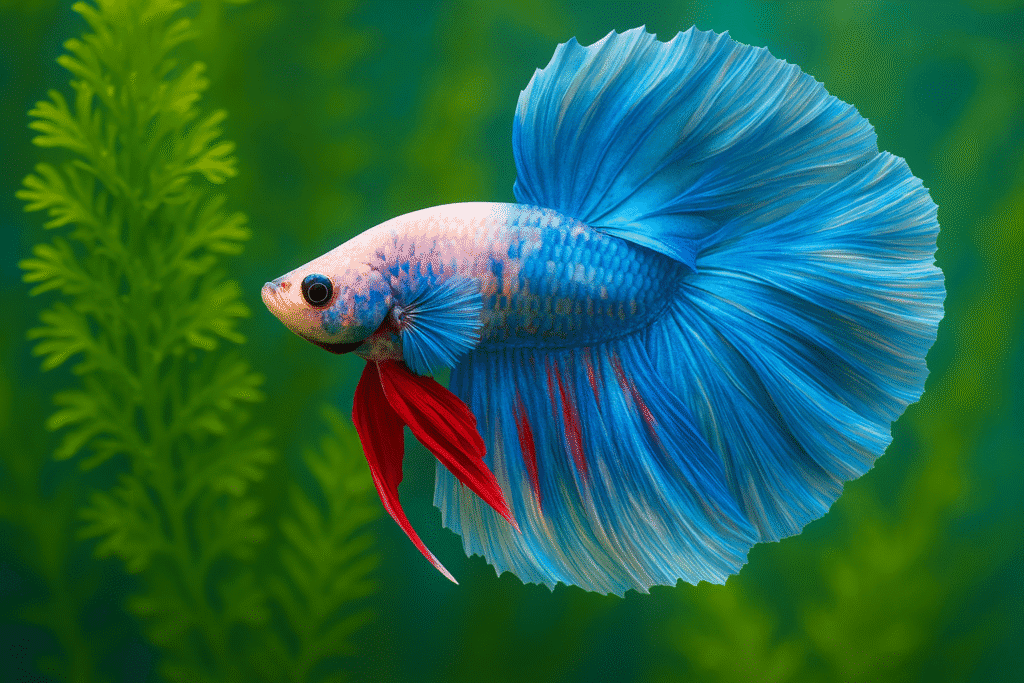
While working with betta fish, I’ve discovered that these vibrant creatures possess remarkable learning abilities, especially when rewards are involved. They can learn to associate actions, like pushing a ball, with tasty rewards. Using positive reinforcement, such as live food, makes training sessions more effective and engaging.
Here’s a quick overview of the methods I’ve used:
| Learning Task | Reward Type |
|---|---|
| Pushing a ball | Live food |
| Opening a sliding door | Treats |
| Maneuvering through a Simple Maze | Attention |
Observational studies reveal that bettas can remember behaviors for up to five months, allowing them to anticipate rewards. This capacity highlights their impressive cognitive skills, making them not just pets but interactive companions.
Evaluating Problem-Solving Skills
As I explore the problem-solving skills of betta fish, it becomes clear that these clever creatures exhibit cognitive abilities that extend far beyond instinct. Their problem-solving skills can be evaluated through several fascinating behaviors:
- Maze Navigation: They can navigate mazes or puzzles to reach food rewards.
- Visual Recognition: Betta fish recognize reflections and differentiate shapes and colors.
- Memory Retention: They remember food locations and anticipate feeding times based on cues.
- Learning Tricks: Observations show they can learn tricks, like pushing a ball through hoops.
These abilities reflect their intelligence, demonstrating that betta fish are not just beautiful but also capable of complex thought processes that enrich their interactions with us.
Enhancing Owner-Fish Bond Through Interaction
I’ve noticed that interactive playtime activities considerably enhance the bond I share with my Betta fish. When I engage them with toys or mirrors, their flaring behavior shows a level of recognition and excitement that deepens our connection. Establishing a routine where they recognize my presence not only builds trust but also transforms our interactions into meaningful experiences.
Interactive Playtime Activities
Engaging in interactive playtime activities with your betta fish not only enhances their mental stimulation but also deepens the bond you share. Here are four effective activities you can try:
- Ping Pong Balls: Introduce these floating toys for your betta to nudge and chase, promoting playful exploration.
- Mirrors: Use mirrors for short periods to encourage flaring behavior, boosting their confidence and interaction.
- Floating Logs and Leaf Hammocks: Incorporate these for resting and exploring, further connecting you with your fish.
- Homemade Toys: Observe your betta’s reactions to various textures and shapes, enhancing your understanding of their intelligence.
Recognizing Owner Presence
The connection between a betta fish and its owner can be fascinating, revealing layers of social intelligence. I’ve noticed that my betta recognizes my presence, often swimming towards me as I approach the tank. This behavior suggests a remarkable ability to recognize owner presence, likely tied to associative learning.
Each feeding time reinforces this bond, reminding my fish that my arrival means sustenance. Studies indicate that bettas can remember individuals for up to five months, showcasing their impressive long-term memory. Engaging through consistent routines and gentle interactions strengthens our connection, enhancing their social behavior.
By observing these nuances, I realize that our interactions not only fulfill their needs but also enrich our shared experience, fostering a deeper bond.
Conclusion
Through these experiments, I’ve witnessed firsthand the remarkable intelligence of betta fish. Their ability to navigate mazes and solve problems not only showcases their cognitive skills but also enhances our bond. By incorporating challenges like obstacles and mirrors, I’ve observed their curiosity and learning abilities in action.
Engaging with my betta in these activities has deepened my appreciation for these creatures, proving that they are more than just beautiful fish—they’re intelligent companions deserving of our attention and care.