If you notice signs of infection—lethargy, swelling, or clamped fins—act quickly. From your local fish store, obtain antibiotics like Kanamycin or Ampicillin for treatment, but follow dosage instructions carefully.
I recommend isolating your fish in a quarantine tank to prevent spreading the infection. Maintaining ideal water conditions during treatment is critical to support recovery.
Understanding Bacterial Infections in Betta Fish
When unusual symptoms appear in your Betta—such as lethargy or discoloration—it often signals a bacterial infection. I often find these infections stem from poor water quality, which stresses aquarium fish and compromises their immune system.
Harmful toxins can overwhelm your Betta, making prompt isolation in a quarantine tank essential. Regular water changes and clean conditions support recovery, and antibiotics like Kanamycin, Ampicillin, or Tetracycline can be administered to combat the infection.
Signs and Symptoms of Infection
I monitor the following indicators closely to catch infections early and improve recovery outcomes:
- Lethargy and decreased activity levels
- Difficulty swimming or noticeable swelling (swim bladder disorders or dropsy)
- Reduced appetite and loss of color
- Clamped fins indicating distress
- Cloudy slime or white patches on the skin
Common Types of Bacterial Infections
Bacterial infections in Betta fish can escalate quickly if left unchecked, often stemming from the symptoms listed above. I’ve observed that common infections include fin rot, popeye, and dropsy. Fin rot presents as frayed or disintegrating fins, typically due to poor water quality or injury.
Popeye shows swollen eyes and may indicate an internal infection requiring immediate treatment. Dropsy features abdominal swelling and pinecone-like scales, signaling fluid retention and possible organ failure. Prompt action is essential for restoring the health of your tropical fish.
Recommended Antibiotics for Betta Fish
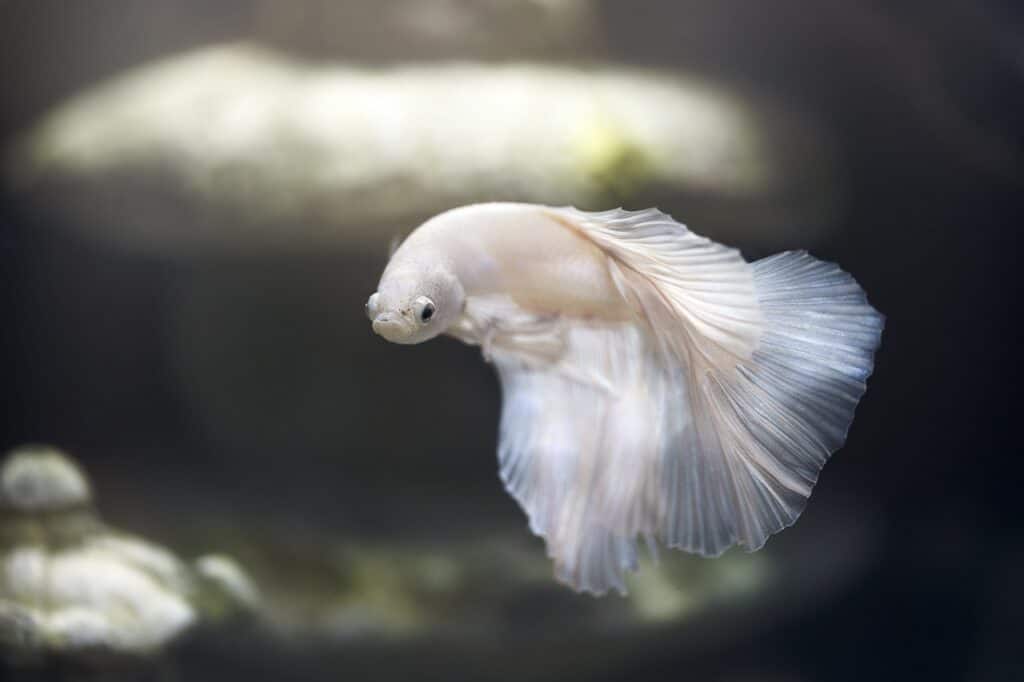
When choosing treatment options, I’ve found several antibiotics that target specific bacterial infections. Each comes with dosage and application guidelines crucial for effective care.
Effective Antibiotic Options
- Kanamycin: Best for gram-negative bacterial infections; limit use to 7 days to avoid kidney damage.
- Ampicillin: A broad-spectrum antibiotic effective against various diseases, including popeye and fin rot; use alongside regular water changes.
- Tetracycline: Targets gram-positive bacteria but is ineffective in high pH conditions (above 7.5).
- Nitrofurazone: Bactericidal for many bacteria; administer 250–500 mg per 20 gallons every 24 hours for 10 days.
- Methylene Blue: Primarily for fungal infections, but can also help with certain bacterial issues; use one teaspoon per 10 gallons every other day for 10 days.
Dosage and Application Guidelines
I emphasize precise dosing and application to guarantee successful treatment:
| Antibiotic | Dosage & Application |
|---|---|
| Kanamycin | 250 mg per 10 gallons daily for 5-10 days; treat every 24 hours with 25% water change before each dose; monitor fish for stress |
| Ampicillin | 250–500 mg per 20 gallons daily with 25% water change; treat for 10 days |
| Tetracycline | 250–500 mg per 20 gallons daily; avoid use if pH > 7.5; treat for 10 days |
| Nitrofurazone | ¼ teaspoon per 20-30 gallons daily with 25% water change before each dose; treat |
Dosage Instructions for Effective Treatment
I ensure effective treatment of your Betta with antibiotics by adhering strictly to the recommended dosages. For Kanamycin or Tetracycline, use 250–500 mg per 20 gallons every 24 hours, along with a 25% water change; limit Kanamycin to 7 days to avoid kidney damage.
Perform a complete water change before starting treatment to remove toxins, and for Methylene Blue, use one teaspoon per 10 gallons every other day for up to 10 days. Always monitor your Betta closely for adverse reactions and maintain ideal water conditions.
Quarantine Procedures for Infected Fish
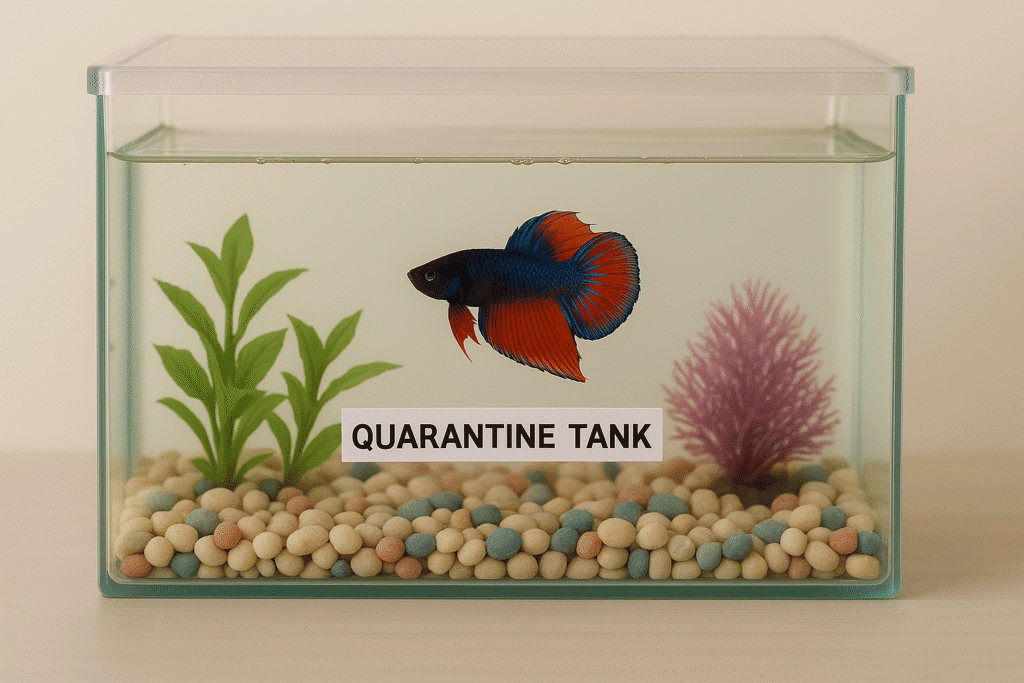
While it’s tempting to introduce a new Betta directly into your main aquarium, I find that a quarantine tank is invaluable for isolating new or sick fish and preventing disease spread.
Maintain quarantine for at least 2–4 weeks to reveal hidden pathogens. During this period, monitor water parameters closely, as fluctuations can stress the fish and worsen health issues. Preventive medications in the quarantine tank can also help combat infections that aren’t yet apparent.
Maintaining Optimal Water Conditions During Treatment
During treatment, I focus on stable water parameters to support recovery. Test pH, ammonia, nitrite, and nitrate levels regularly, and keep the temperature between 78 °F and 80 °F. Perform partial water changes of 25–50% every few days to remove medication residues, and always treat new water with conditioner and aquarium salt to eliminate chlorine and chloramine before adding it to the tank.
Temperature Control Essentials
I emphasize consistent temperature control to promote recovery and metabolic function. Maintain a stable water temperature between 78 °F and 80 °F, and avoid sudden changes that can stress your Betta. When combating ich, you may cautiously raise the temperature to 85 °F, but do so gradually and monitor closely to prevent undue stress.
Preventative Measures for Betta Fish Health
To help your Betta thrive, I recommend routine tank maintenance and vigilant observation. Monitor water quality parameters like pH, ammonia, nitrite, and nitrate to prevent stress and disease. Weekly water changes of 25–50% should be performed to reduce harmful bacteria buildup.
Quarantine new fish for at least two weeks to avoid introducing parasites and pathogens. Feed a varied, high-quality diet to bolster the immune system, and observe your Betta daily for any behavioral changes to catch issues early.
Conclusion
I conclude that using antibiotics for Betta fish requires careful consideration and knowledge. Early recognition of bacterial infections and choosing the appropriate treatment are essential for ensuring your fish’s recovery. Always follow dosage instructions and maintain ideal water conditions during treatment.
Quarantining infected fish prevents the spread of illness, while preventive measures help keep your Betta healthy over the long term. By staying informed, you can provide the best care for your aquatic companion.