Caring for giant wild betta fish, like Betta macrostoma, requires a thoughtful approach. They thrive in a minimum 10-gallon tank, ideally with plants and calm waters. Maintain stable temperatures between 77°F and 86°F, with a slightly acidic pH of 6.0 to 7.0.
Feed them high-quality protein, including live and frozen foods, and perform regular water changes to keep their environment clean. Understanding their unique needs guarantees a healthy life, and there’s much more to explore about their behavior, including their vertical stripes and compatibility.
Overview of Giant Wild Betta Species
When it comes to giant wild betta species, one of the most fascinating examples is Betta macrostoma and related species like Betta mahachaiensis. This remarkable wild betta fish can grow over 5 inches, making it considerably larger than typical domesticated bettas. Giant bettas prefer specific habitats, thriving in shallow pools and streams in Southeast Asia, where they enjoy brown, tannin-rich waters that benefit their health.
Their care requirements are quite particular; they thrive in cooler temperatures between 72°F and 80°F and require a pH range of 6.0 to 7.0. Significantly, these mouthbrooding species exhibit unique breeding behaviors, with males carrying fertilized eggs in their mouths. Given their natural aggression, it’s crucial to provide ample space and hiding spots to minimize territorial disputes.
Ideal Tank Size and Setup
For giant wild betta fish, a minimum tank size of 10 gallons is essential, though I highly recommend opting for larger tanks to enhance water quality and provide ample swimming space. Regarding tank setup, a well-planted environment with broad-leaved plants is imperative, as it offers hiding spots that help reduce stress in these fish.
Maintaining calm water with minimal flow is important, so choose gentle filtration systems to accommodate their weak swimming abilities. Additionally, incorporating natural elements like Indian almond leaves can replicate their habitat while releasing beneficial tannins. Regularly monitor water parameters, ensuring a temperature range of 77 to 86°F and a pH of 6.8 to 7.2, to promote the overall health of your giant wild betta fish.
Water Quality and Parameters
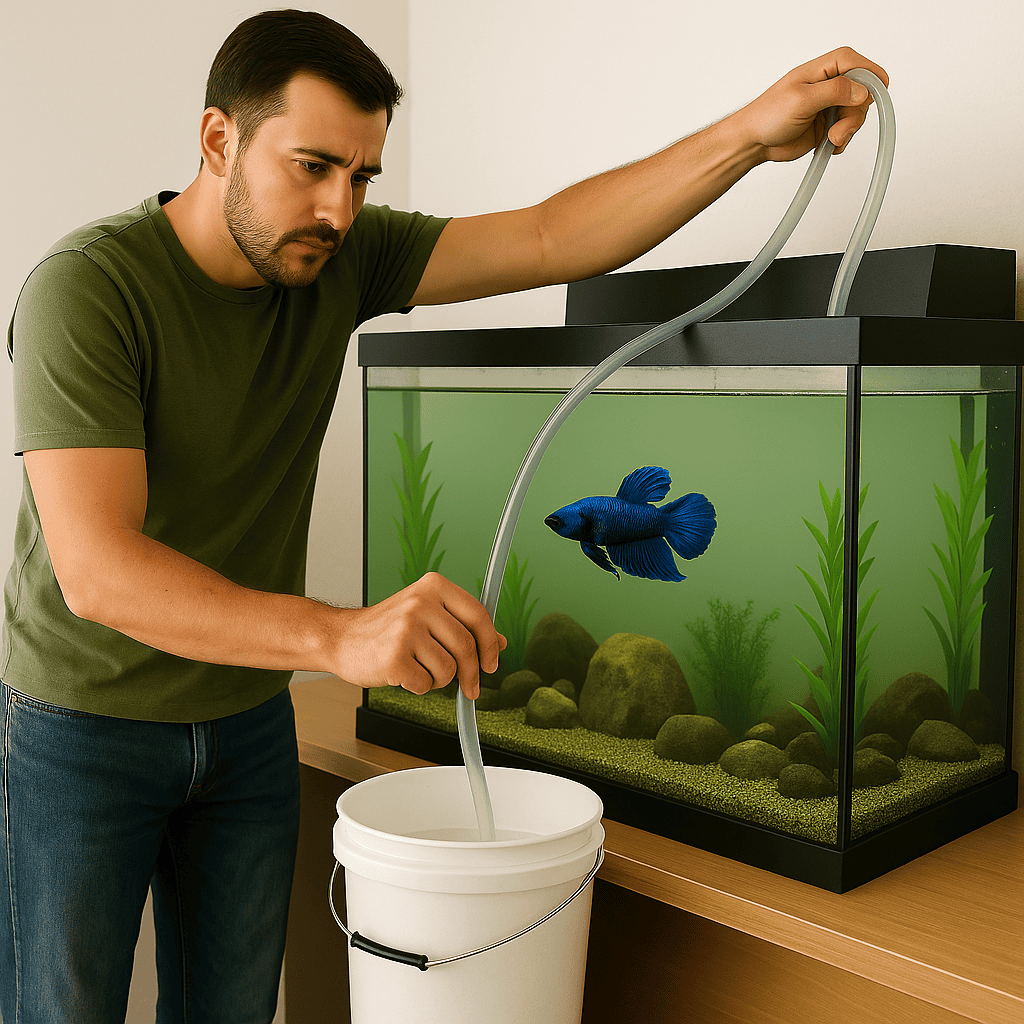
Creating a suitable environment for giant wild betta fish involves more than just tank size and setup; water quality and parameters play a significant role in their overall well-being. These fish thrive in slightly acidic water with a pH of 5.0 to 6.5, reflecting their natural, tannin-rich habitats. Maintaining a stable water temperature between 77°F and 86°F is essential.
Regular water changes are necessary—replace at least 25% bi-weekly to prevent toxin buildup. Monitoring water parameters is important; keep ammonia and nitrite levels at 0 ppm and nitrates below 20 ppm to avoid poor water quality. A high-quality filtration system can enhance water clarity but make sure the flow remains minimal, as giant bettas prefer calmer tank conditions for peak health.
Nutritional Needs and Feeding Habits
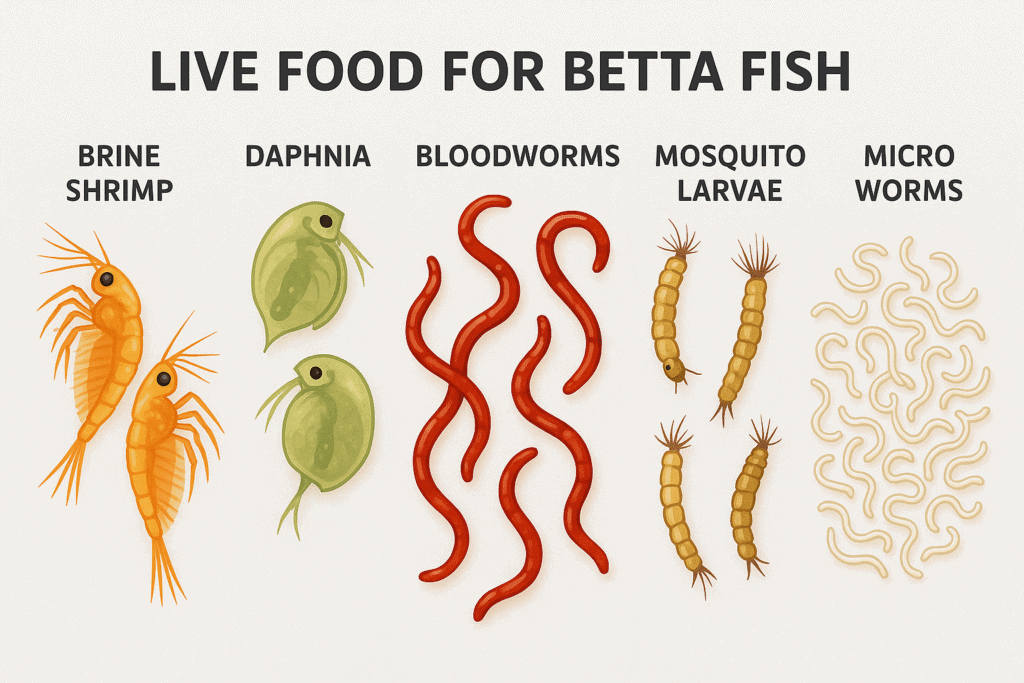
To guarantee your giant wild betta fish thrive, it’s vital to understand their specific nutritional needs and feeding habits. These fish thrive on high-quality protein, favoring live foods like mosquito larvae and brine shrimp. For a balanced diet, I recommend incorporating frozen bloodworms and specialized pellets designed for larger fish.
Here is your feeding schedule in table format, ready to use in WordPress:
| Type of Food | Frequency | Notes |
|---|---|---|
| Live Foods | Daily | Essential for protein intake |
| Frozen Bloodworms | 2–3 times weekly | Great for variety |
| Specialized Pellets | Once daily | Confirm they sink properly |
| Young Bettas | 2–3 times daily | Supports growth |
| Adults | Once or twice daily | Prevent overfeeding |
Behavioral Traits and Compatibility
While many aquarists appreciate the vibrant colors of giant wild bettas, understanding their behavioral traits and compatibility is important for maintaining a harmonious tank environment. Giant bettas, like Betta macrostoma, exhibit strong territorial behavior, so I recommend keeping them alone or in specially designed setups to mitigate aggression. Some species, such as B. imbellis, may tolerate living in pairs or small groups, but careful monitoring is essential.
They thrive in heavily planted environments that offer cover and reduce stress. When introducing suitable tank mates, opt for calm, non-aggressive species like Corydoras, small tetras, or tiger barbs to prevent territorial disputes. Each species has unique social structures, so researching their compatibility is important for a successful community aquarium setup.
Breeding and Care for Fry

When setting up a breeding tank for Giant Wild Bettas, it’s at least 8 gallons with stable water conditions, maintaining a pH of 6.0 to 7.0 and temperatures between 77°F to 86°F. After the fry hatch, I focus on their care by providing suitable feeding options like infusoria and moving on to baby brine shrimp as they grow.
Regular water changes are essential to promoting healthy development and preventing disease during this vulnerable stage. During this mouthbrooding phase, the male’s nuptial embrace and careful protection of the eggs are critical to successful reproduction.
Breeding Tank Setup
Setting up a breeding tank for Giant Wild Bettas can greatly influence the success of spawning and the health of the fry. I recommend a tank size of at least 10–15 gallons filled with 7–10 inches of water. Incorporating live plants and catappa leaves is vital, as they promote natural breeding behaviors and provide shelter for the fry.
Prior to introducing the breeding pair, condition them with a high-quality diet to guarantee successful spawning. It’s essential to maintain a peaceful environment, as male Giant Wild Bettas are mouthbrooders and need minimal stress while caring for the eggs. After spawning, remove the female to prevent aggression and provide a dimly lit space to help the male feel secure.
Fry Care Guidelines
To guarantee the healthy development of Giant Wild Betta fry, it’s crucial to provide them with the right care immediately after hatching. First, confirm stable water parameters; maintain the temperature between 77 to 82°F and a pH close to neutral (6.8 to 7.2). Using a sponge filter or gentle aeration helps maintain the health of the fry without creating strong currents, as they are weak swimmers.
Initially, feed them infusoria and baby brine shrimp to provide essential nutrients. Once they grow larger, separate them into individual containers or larger tanks to minimize aggression and competition. Regularly monitor their health, watch for signs of illness, and perform partial water changes to sustain clean conditions.
Feeding Newly Hatched Fry
Feeding newly hatched fry of giant wild bettas, such as Betta macrostoma, is critical for their growth and development, as these tiny fish require specific nutrients right from the start. I recommend starting with infusoria or newly hatched brine shrimp within the first few days. It’s vital to provide small, frequent feedings several times a day to support their rapid development. As they grow, you can shift to larger foods like crushed high-quality pellets or finely chopped frozen options.
- Maintain pristine water quality with regular changes.
- Create a well-planted tank with hiding spots to reduce stress.
- Monitor their nutrition closely to guarantee peak growth.
Common Health Issues and Prevention
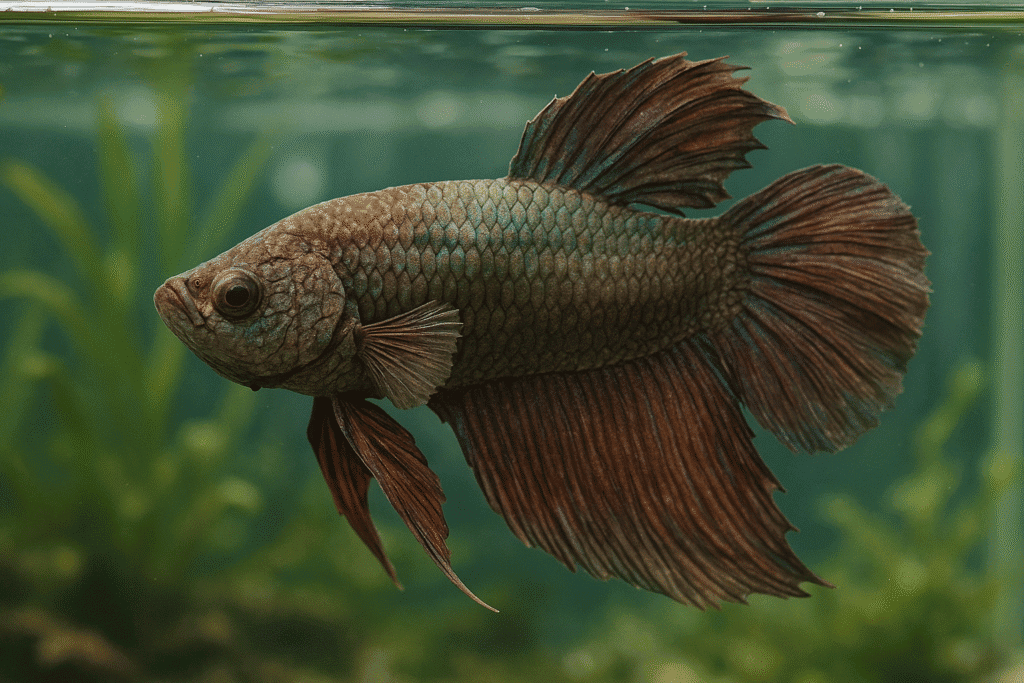
When caring for giant wild betta fish, I’ve found that recognizing symptoms early is essential for their health. Implementing preventative care practices, like maintaining ideal water conditions and providing a balanced diet, can notably reduce the risk of common diseases. If issues like fin rot or ich do arise, knowing the appropriate treatments can make all the difference in their recovery.
Recognizing Symptoms Early
How can you guarantee your giant betta stays healthy and thrives in its environment? Recognizing symptoms early is essential for addressing common health issues. You’ll want to watch for:
- Lethargy, as they sit motionless near the tank bottom
- Loss of appetite, with uneaten food lingering
- Irregular swimming patterns, such as erratic darting or floating
Maintaining ideal water quality with a pH of 6.8 to 7.2 and a temperature between 77 to 86°F is critical. Early detection of health issues greatly enhances the chances of recovery. If you observe any abnormal symptoms, prompt evaluation and treatment are necessary. Additionally, a varied diet boosts their immune system, making them less susceptible to diseases and ensuring your betta’s vibrant health.
Preventative Care Practices
While maintaining a healthy environment for your giant wild betta fish may seem challenging, implementing effective preventative care practices can greatly reduce the risk of common health issues. Start by regularly monitoring water quality parameters, ensuring temperatures remain between 77–86°F and pH levels between 6.8–7.2. Weekly water changes of 10–25% are essential for keeping the tank clean and mitigating diseases like fin rot.
Provide a varied diet rich in high-quality proteins to support a healthy digestive system and prevent nutritional deficiencies. In community aquariums, create ample hiding spots to reduce stress and territorial aggression. Stay vigilant for early signs of illness, such as loss of appetite, and be ready to quarantine affected fish to protect the entire tank.
Common Disease Treatments
Understanding the common diseases that can affect giant wild betta fish is essential for effective treatment and prevention. Several health issues can arise, including:
- Fin rot: Characterized by frayed fins and inflammation.
- Ich: Noted by white spots on the body and fins.
- Popeye: Indicated by swollen eyes and lethargy.
Maintaining high water quality is critical for prevention. Regular water changes and monitoring parameters like pH (6.8 to 7.2) and temperature (77 to 86°F) are crucial. Early detection of symptoms such as color changes or abnormal behavior is imperative for successful treatment. If I notice these signs, I promptly use appropriate medications or natural remedies. Quarantining new fish can also prevent introducing diseases, further safeguarding the health of my giant wild bettas.
Environmental Enrichment for Giant Bettas
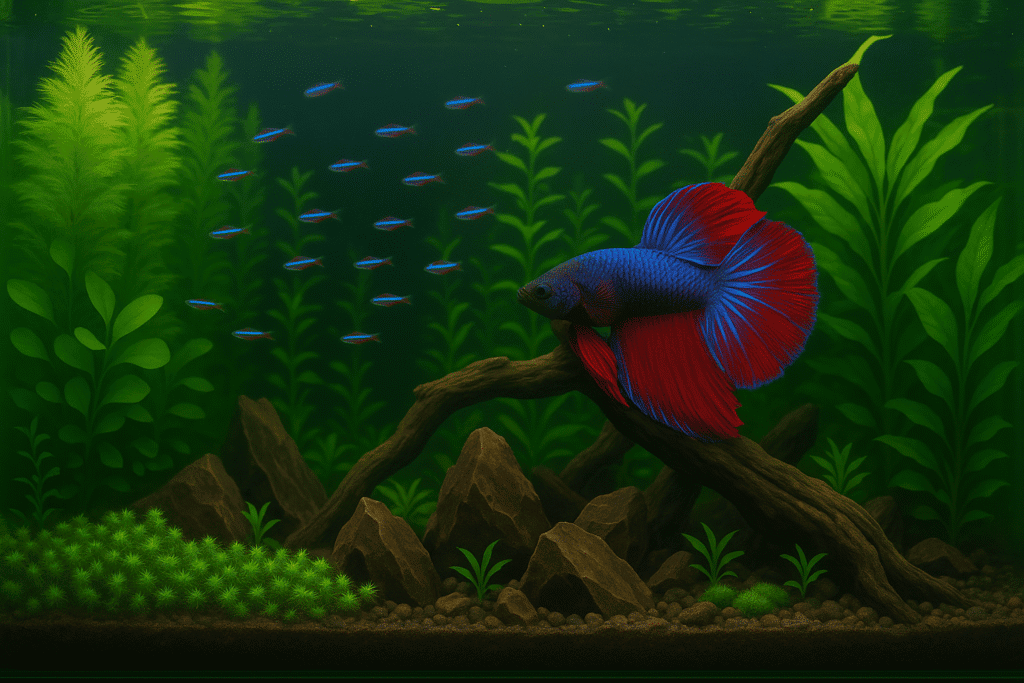
To guarantee the well-being of giant bettas, it is crucial to create an enriched environment that mimics their natural habitat. I recommend focusing on several key elements for ideal environmental enrichment:
Here is your aquarium setup guide in table format, ready to use in WordPress:
| Element | Purpose | Recommendation |
|---|---|---|
| Broad-leaved plants | Provides hiding spots and exploration | Use native aquatic plants |
| Floating plants | Creates shaded areas | Incorporate duckweed or moss |
| Caves and driftwood | Offers territories for males | Include various decorations |
Additionally, maintaining calm water flow with sponge filters is important, as these fish aren’t strong swimmers. Experiment with different color combinations in decorations and plant choices to keep giant bettas mentally engaged and reduce stress.
Ethical Considerations in Keeping Wild Bettas
When considering the ethical implications of keeping wild bettas, it is essential to recognize the challenges many species face in their natural habitats. Many wild bettas are endangered, grappling with habitat destruction and overfishing. To responsibly keep these fish, I focus on:
- Supporting sustainable practices that protect their populations
- Researching the conservation status of specific species before acquisition
- Providing environments that mimic their natural habitats
- Opting for aquarium-bred varieties is often more ethical, helping alleviate pressure on wild populations
By making informed choices, we can enjoy keeping wild bettas while actively protecting them for future generations.
Conclusion
Caring for giant wild betta fish requires a commitment to their unique needs and environment. By providing the right tank size, maintaining ideal water conditions, and ensuring a balanced diet, you can promote their health and well-being. Understanding their behavioral traits and compatibility will enhance your experience as an aquarist.
Remember, responsible care and ethical considerations are paramount in preserving these magnificent creatures for future generations. With dedication, you can create a thriving habitat for your giant wild bettas.