As your betta ages, their nutritional needs change considerably. I recommend incorporating high-quality, protein-rich foods like pellets, freeze-dried bloodworms, and brine shrimp to maintain muscle health. A blend of plant-based diets, including spirulina, guarantees they receive essential vitamins and minerals.
Monitor their food intake and appetite, adjusting portion sizes to prevent overfeeding. Keeping an eye on specific health concerns can guide dietary modifications. There’s much more to reflect on for your aging betta’s well-being.
Understanding the Nutritional Needs of Aging Bettas
As bettas age, their nutritional needs evolve, so it’s essential to adapt their diet accordingly. Aging bettas require a nutritious, varied diet, incorporating high-quality pellets, freeze-dried foods, and occasional live foods to support their declining metabolism. Increasing protein content is vital; options like brine shrimp or daphnia can provide essential nutrients and help combat weight loss.
I’ve found that offering softer foods, such as soaked pellets or high-protein gel foods, benefits older fish with chewing difficulties. Maintaining regular feeding schedules is important, but adjusting portion sizes prevents overfeeding issues. Finally, supplementing their diet with vitamin-rich foods can greatly enhance their immune system and improve their overall quality of life as they age.
Signs Your Betta May Need Dietary Adjustments
Recognizing when your elderly betta fish needs dietary adjustments is essential for maintaining their health and well-being. You might notice signs like decreased enthusiasm for food, weight loss, or lethargy. These changes indicate that your Betta may benefit from more appealing options, higher-calorie foods, or softer textures for easier consumption.
Additionally, health issues like chronic fin rot can signal the need for immune-boosting ingredients. Adapting their feeding strategy to smaller, more frequent meals can also enhance digestion.
| Sign | Possible Adjustment | Reason |
|---|---|---|
| Decreased food interest | More palatable food options | To entice appetite |
| Weight loss | Higher-calorie foods | To support nutritional needs |
| Increased lethargy | Softer foods | To accommodate lower energy levels |
| Health issues | Immune-boosting ingredients | To improve overall health |
| Poor digestion | Smaller, frequent meals | To aid in digestion and absorption |
Importance of High-Quality Pellets
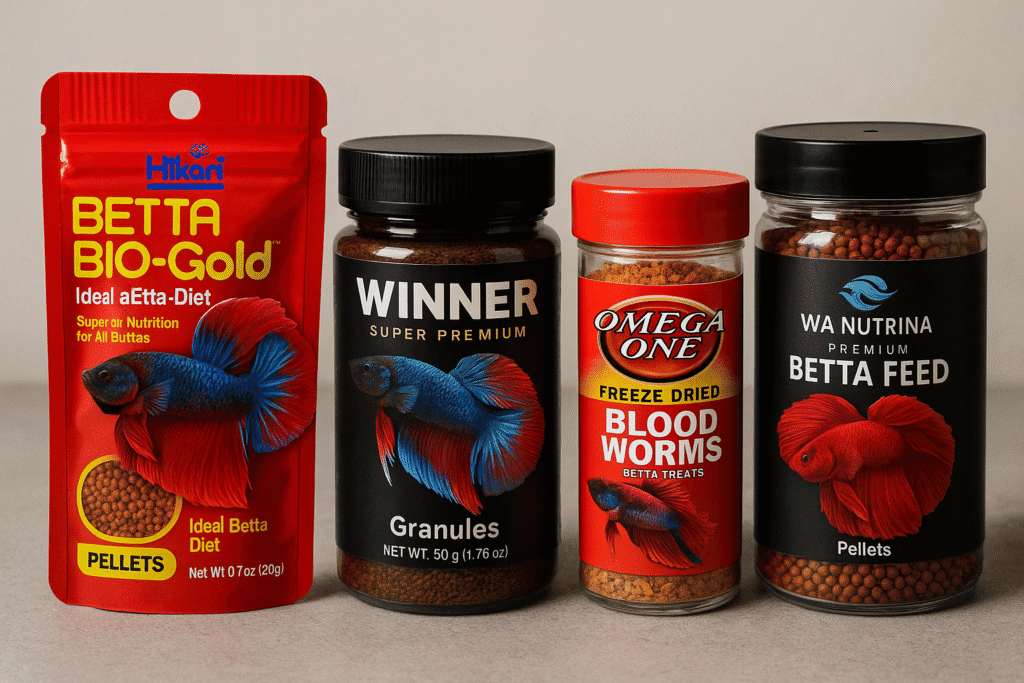
Choosing high-quality pellets for your elderly betta fish is essential for their health and longevity, particularly as their dietary needs evolve with age. These pellets should have a protein content of around 30-40% to help maintain muscle mass and energy levels, especially since an elderly betta’s metabolism may slow down.
I recommend selecting pellets that include whole fish meal, shrimp, and spirulina, as these ingredients provide a balanced diet rich in necessary vitamins and minerals for immune support. Additionally, guarantee the pellets are appropriately sized for your aging Betta to facilitate easy consumption and reduce feeding stress. Regularly rotating these high-quality pellets with soft, nutritious foods can further stimulate your Betta’s appetite and enhance their overall well-being.
Incorporating Protein-Rich Foods
Incorporating protein-rich foods into the diet of elderly betta fish is essential for their health and vigor. Older bettas need a diet comprising 30-40% protein to support muscle maintenance as their metabolism slows. A variety of protein sources, such as high-quality pellets, bloodworms, and brine shrimp, can prevent nutritional deficiencies and stimulate appetite.
However, I must avoid overfeeding, as it can lead to fatty liver disease. Offering smaller, more frequent meals is advisable.
Here’s a quick reference table for protein-rich foods:
| Food Type | Protein Content | Serving Suggestion |
|---|---|---|
| High-Quality Pellets | 30-40% | 2-3 times daily |
| Bloodworms | 45% | 1-2 times weekly |
| Brine Shrimp | 50% | 1-2 times weekly |
| Freeze-Dried Options | 40-45% | 2-3 times weekly |
| Fresh Protein Sources | Varies | Occasional treat |
The Role of Plant-Based Diets

When considering the diet of elderly betta fish, incorporating plant-based nutrition is vital for their health. These foods not only provide essential vitamins and minerals but also promote digestive health and stimulate natural behaviors. In this section, I’ll discuss suitable plant-based options and how often to feed them to guarantee your Betta thrives.
Benefits of Plant Nutrition
Many aquarists may not realize that a plant-based diet can greatly benefit aging Betta fish, including female Bettas. Incorporating plant nutrition into their diet provides essential vitamins, minerals, and antioxidants that support immune function, reducing disease risk. Ingredients like spirulina and dandelion greens enhance digestion and nutrient absorption, which is vital for elderly fish with slower metabolisms.
A rich plant-based diet also helps maintain vibrant coloration, counteracting the dull hues often seen in older Betta fish. Additionally, plant nutrition promotes better buoyancy and can prevent fatty liver disease, which is common in older, sedentary fish. Finally, offering diverse plant-based foods encourages natural foraging behaviors, provides mental stimulation, and improves the overall quality of life for aging Bettas.
Suitable Plant-Based Foods
Selecting suitable plant-based foods for elderly Betta fish is crucial for their health and well-being. Additionally, options like spirulina, green peas, and blanched spinach can provide essential vitamins and minerals, supporting their immune systems. Plant-based foods also promote digestive health, helping prevent constipation, which is common in aging fish.
High-quality fish foods often contain beneficial plant ingredients, ensuring balanced nutrition. Additionally, offering small amounts of finely chopped vegetables enhances dietary variety and caters to older bettas’ preference for softer foods. A diet rich in plant-based foods is generally lower in fat, helping prevent obesity and related health issues. By prioritizing these foods, we can greatly improve the quality of life for our aging Betta fish.
Feeding Frequency Considerations
To guarantee the well-being of elderly Betta fish, I find it essential to contemplate their feeding frequency alongside the quality of their plant-based diet. Typically, It’s advisable to feed them 1-2 times a day to avoid overfeeding, which can lead to health issues like fatty liver disease. A plant-based diet, incorporating high-quality pellets or flakes with spirulina, supports digestive health and provides important nutrients.
Additionally, offering occasional vegetable treats, like blanched peas, can help prevent constipation. It’s important to monitor each Betta’s eating habits, as some may need more frequent feedings due to age-related health conditions. Maintaining appropriate feeding frequency considerations is critical for preventing poor water quality problems when regular water changes are neglected and ensuring a healthy environment for these aging fish.
Feeding Strategies for Older Bettas
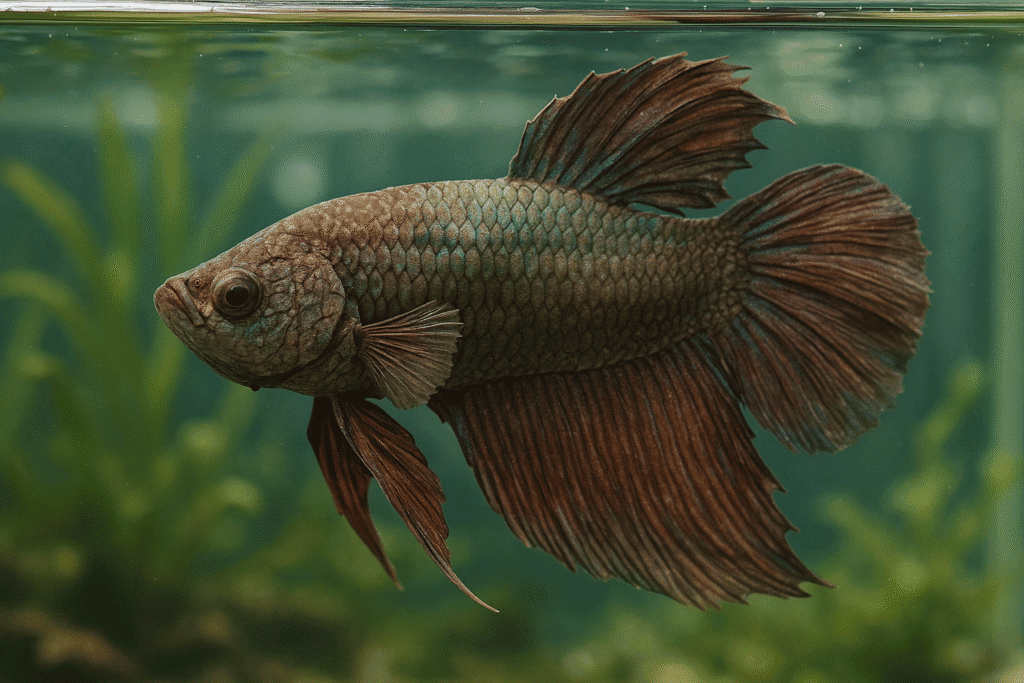
When feeding older bettas, I focus on providing a nutrient-rich diet that includes high-quality pellets, freeze-dried foods, and live or frozen options like brine shrimp and daphnia. Additionally, they should adjust the frequency of their meals and opt for smaller portions more often to support their slower metabolism and aid digestion. By closely monitoring their feeding behavior and preferences, I can guarantee they receive the best nutrition tailored to their aging needs.
Nutrient-Rich Food Options
As I consider the dietary needs of elderly betta fish, it’s crucial to provide nutrient-rich food options that cater specifically to their aging bodies. High-quality protein sources, like freeze-dried bloodworms and frozen brine shrimp, support muscle maintenance and overall health. Incorporating vegetable-based foods, such as spirulina flakes or blanched peas, enhances digestion and provides vital vitamins.
Additionally, offering a variety of foods, including high-quality betta pellets formulated for older fish, to meet their unique nutritional requirements. Additionally, supplementing their diet with vitamin-rich additives, like garlic or marine algae, can boost their immune system. By focusing on these nutrient-rich food options, we can help guarantee our elderly bettas thrive in their later years.
Feeding Frequency Adjustments
Adjusting the feeding frequency for elderly betta fish is essential for their well-being. Older bettas benefit from more frequent, smaller meals due to their slower metabolism. I recommend feeding them 2-3 times a day and carefully adjusting portion sizes to prevent overfeeding, which can lead to health issues like fatty liver disease. Ensuring soft, easily digestible foods, along with a variety of options, will stimulate their appetite.
| Feeding Frequency | Portion Size | Food Type |
|---|---|---|
| 2 times a day | Small | High-quality pellets |
| 3 times a day | Smaller than usual | Freeze-dried options |
| 2-3 times a day | Varies | Live or frozen treats |
| 2 times a day | Controlled | Soft, nutritious foods |
| Daily observations | Adjust as needed | Monitor for health signals |
Monitoring Food Intake and Appetite
I closely monitor my elderly betta fish’s appetite, as a decline in food intake can signal health issues that warrant attention. Adjusting feeding techniques to include smaller, more frequent meals helps accommodate their slower metabolism, ensuring they receive proper nutrition. Additionally, I assess their nutritional needs by offering high-quality foods that are easier to digest, which can support their overall health during this stage.
Signs of Decreased Appetite
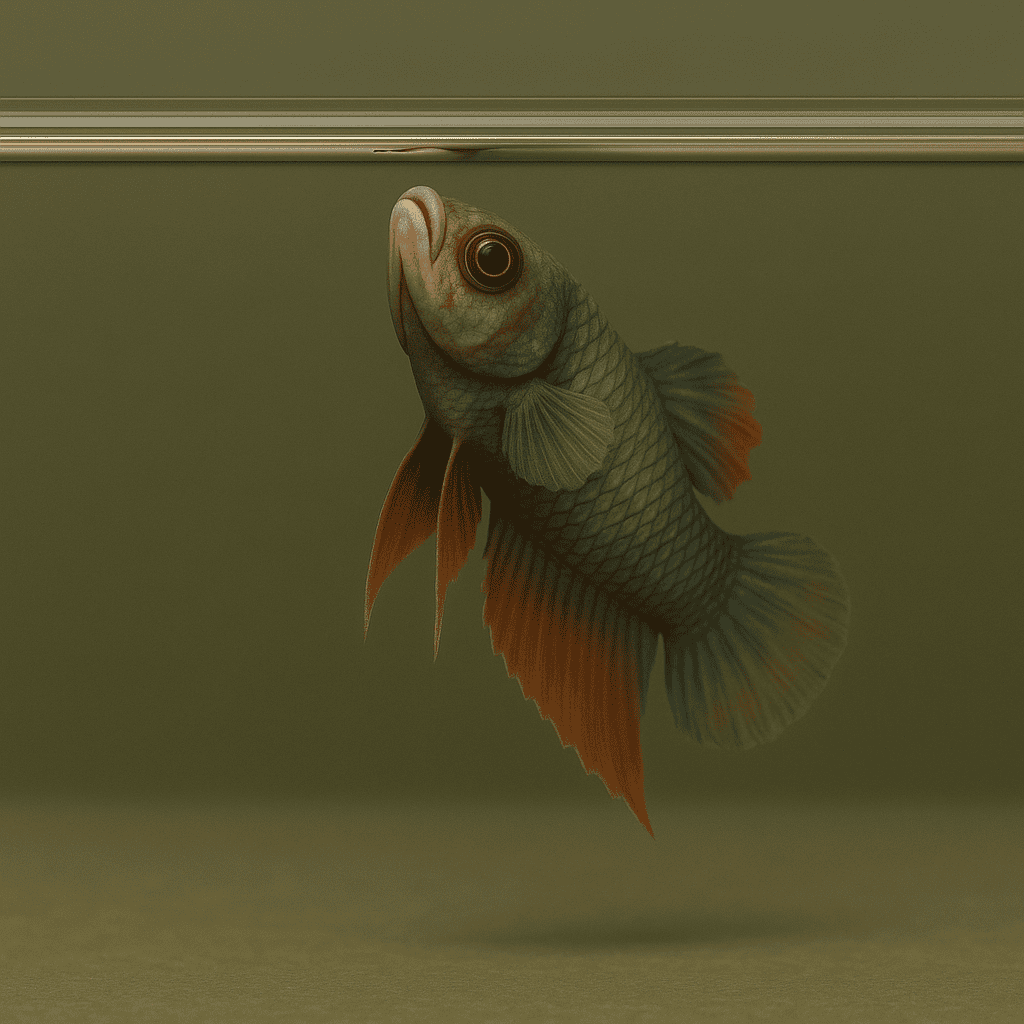
As aging betta fish may exhibit signs of decreased appetite, it is essential to monitor their food intake closely. A reluctance to eat or a noticeable drop in food consumption can indicate potential health issues. Behavioral changes such as increased lethargy or reduced interaction during feeding times are also significant signs of illness to observe. Keeping track of uneaten food can help assess appetite and overall health, as it can lead to water quality problems if not addressed.
| Observation | Potential Sign of Decreased Appetite | Action Required |
|---|---|---|
| Reluctance to eat | Possible illness | Consult a veterinarian |
| Increased lethargy | Health decline | Monitor closely |
| Less interaction | Stress or discomfort | Check environment conditions |
| Uneaten food | Overfeeding or health issues | Adjust feeding amounts |
| Consistent changes | Signs of illness | Seek professional advice |
Adjusting Feeding Techniques
To guarantee your elderly betta fish maintains a healthy diet, adjusting feeding techniques is essential, especially given their potential decrease in appetite. I closely monitor their feeding habits, noting any changes in behavior. Here are some effective strategies:
- Offer smaller portions to match their decreased appetite.
- Introduce age-appropriate foods, such as freeze-dried or frozen options, to stimulate interest.
- Employ feeding tools like droppers or tongs to provide food directly.
- Adjust feeding frequency, opting for smaller, more frequent meals to prevent overfeeding.
- Keep track of any significant changes in their eating behavior, as these could indicate health issues needing attention.
Nutritional Needs Assessment
Monitoring food intake and appetite in elderly betta fish is crucial for identifying potential health issues or aging-related challenges. A nutritional needs assessment starts with observing changes in their feeding behavior. If your betta shows decreased enthusiasm for food, it might be time to adjust their diet or feeding techniques.
Employing droppers or tongs can make feeding easier and more accessible. Regularly noting their energy levels and interactions with tank mates can indicate if they’re struggling during mealtimes. Establishing a consistent feeding schedule with smaller, frequent meals can enhance digestion and overall health. Finally, understanding each fish’s specific dietary preferences guarantees they receive adequate nutrition as they age, promoting their well-being effectively.
Adapting Diet to Specific Health Issues
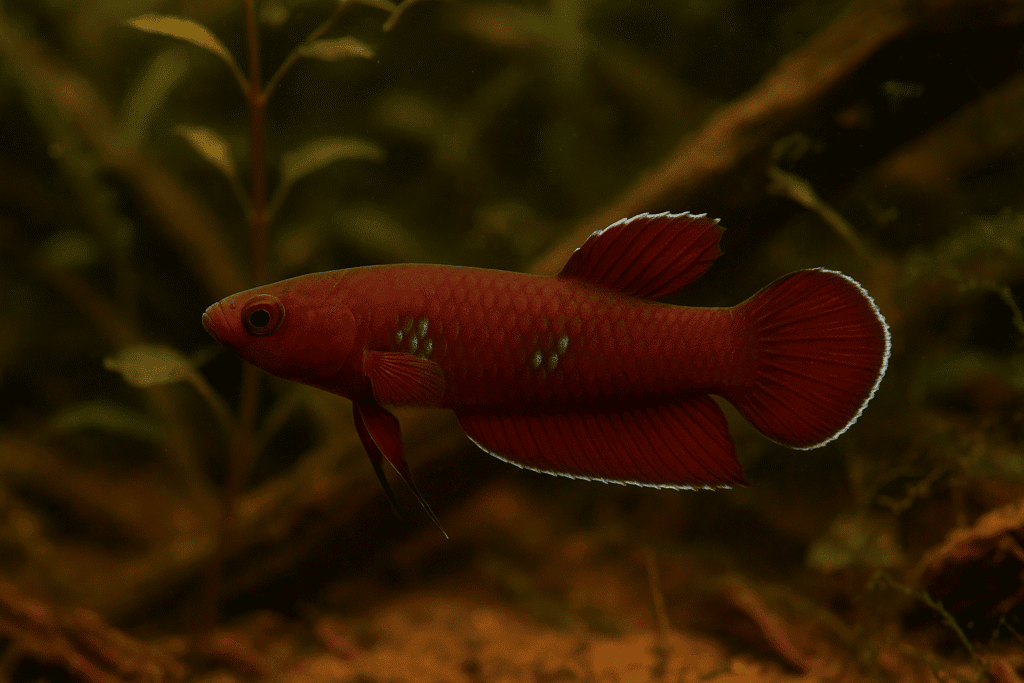
When caring for elderly Betta fish, it’s crucial to adapt their diet based on specific health issues that may arise with age. Here are some considerations to keep in mind:
- For muscle maintenance and energy, include high-quality, protein-rich foods like freeze-dried bloodworms or live brine shrimp.
- If you notice weight loss, add higher-fat options to boost calorie intake.
- For digestive issues, opt for easily digestible, high-quality pellets tailored for older fish.
- If your Betta has fin rot or skin problems, enrich their diet with vitamins such as vitamin C to enhance skin health.
- To prevent fatty liver disease, incorporate fiber-rich foods like peas or specialized pellets that promote digestive health.
Adjusting their diet can greatly impact their overall well-being.
Treats and Supplements for Enhanced Nutrition
Treats and supplements play an essential role in enhancing the diet of elderly Betta fish, ensuring they receive the necessary nutrients for ideal health. It’s advisable to offer protein-rich treats like freeze-dried bloodworms or brine shrimp to support muscle maintenance and overall vitality. High-quality pellets specifically formulated for Betta fish can provide essential vitamins and minerals tailored to their aging needs.
Incorporating spirulina flakes enriches their diet with fatty acids, promoting vibrant coloration. Adding garlic can stimulate appetite and bolster immune health, which is critical for older fish, with aquarium salt occasionally beneficial for health support. Finally, occasional vegetable treats, such as blanched peas or zucchini, aid digestion and combat constipation, a common challenge in aging Betta fish. These treats and supplements for enhanced nutrition greatly contribute to their well-being.
Creating a Balanced Meal Plan for Aging Bettas
Creating a balanced meal plan for aging Bettas involves careful consideration of their unique dietary needs. Ensure that high-quality pellets specifically formulated for Bettas are included, which provide the necessary protein and nutrients for their health. To promote natural foraging behavior, I incorporate a variety of freeze-dried or frozen foods like bloodworms and brine shrimp, which are rich in essential fatty acids.
Plant-based options, such as blanched peas or spirulina, aid digestion and help prevent constipation, a common issue in older fish. Additionally, feeding smaller portions multiple times a day to avoid overfeeding reduces the risk of fatty liver disease. Finally, I consider vitamin-enriched foods or supplements to bolster their immune system and overall wellness.
Conclusion
In summary, providing a well-rounded diet for your aging betta fish is vital for their health and longevity. By understanding their nutritional needs and monitoring their appetite, you can make necessary dietary adjustments. Incorporating high-quality pellets, protein-rich foods, and plant-based options guarantees they receive the essential nutrients.
Remember to tailor your diet based on any specific health issues. With these considerations, you’ll help your Betta live a happy life well into their golden years.