In studying Betta fish, I find that natural mutations and induced changes create significant phenotypic diversity. Wild Betta Fish exhibit greater genetic variation due to environmental influences, while domesticated forms, shaped by selective breeding, show reduced genetic diversity.
Techniques like CRISPR/Cas9 enable precise mutations that enhance the understanding of pigmentation. By examining these factors more closely, this research can uncover how both natural and manipulated traits impact Betta fish transformations and their implications for conservation and aquaculture, especially in the era of genome sequencing.
Overview of Betta Fish and Their Genetic Diversity
When we explore the fascinating world of Betta fish, or Betta splendens, also known as the Siamese fighting fish, it’s clear that their genetic diversity is both remarkable and complex. In wild populations, genetic analysis reveals a significant array of phenotypes rooted in rich genetic variation.
However, selective breeding has markedly reduced this diversity in domesticated Betta. For instance, nucleotide diversity plummets from 0.0025 in wild fish to just 0.0003 among their domesticated counterparts. This loss stems from artificial selection, which emphasizes specific traits like the double tail and elephant ear, often arising from distinct mutations.
Additionally, rare single nucleotide polymorphisms (SNPs) drop dramatically, showcasing the impact of domestication. Understanding these changes is vital for those of us passionate about preserving the Betta’s genetic heritage.
Historical Context of Selective Breeding
Selective breeding of Betta splendens has a rich history that dates back approximately 600 years, with its origins rooted in the practice of enhancing traits for staged fighting contests. Over time, breeders shifted focus toward aesthetic qualities, fostering a remarkable variety of morphological traits. However, this domestication has led to notable consequences regarding genetic diversity.
- Domesticated bettas show reduced nucleotide diversity (0.0003) compared to wild counterparts (0.0025).
- Genetic bottlenecks during strain establishment have played a significant role in diminishing genetic variance.
- Major-effect loci and cis-regulatory elements are linked to phenotypic variations, highlighting the impact of artificial selection and aiding in constructing a reference genome.
Natural Mutations and Phenotypic Variation
The genetic landscape of Betta splendens is not solely shaped by selective breeding; natural mutations also play a vital role in creating phenotypic variation. In the wild, I observe significant differences in coloration and fin shapes among Betta populations, which are essential for survival and mating strategies.
These natural mutations contribute to a greater genetic diversity, with wild Betta exhibiting a nucleotide diversity of 0.0025, compared to just 0.0003 in domesticated variants. Environmental factors further influence these traits, demonstrating natural selection’s impact.
Genetic studies reveal major-effect loci that underpin variations in body color and fin morphology alongside patterns of gene expression, highlighting the genetic basis for the stunning diversity seen in wild Betta splendens, in stark contrast to the limitations imposed by selective breeding.
Induced Mutations Through Genetic Manipulation
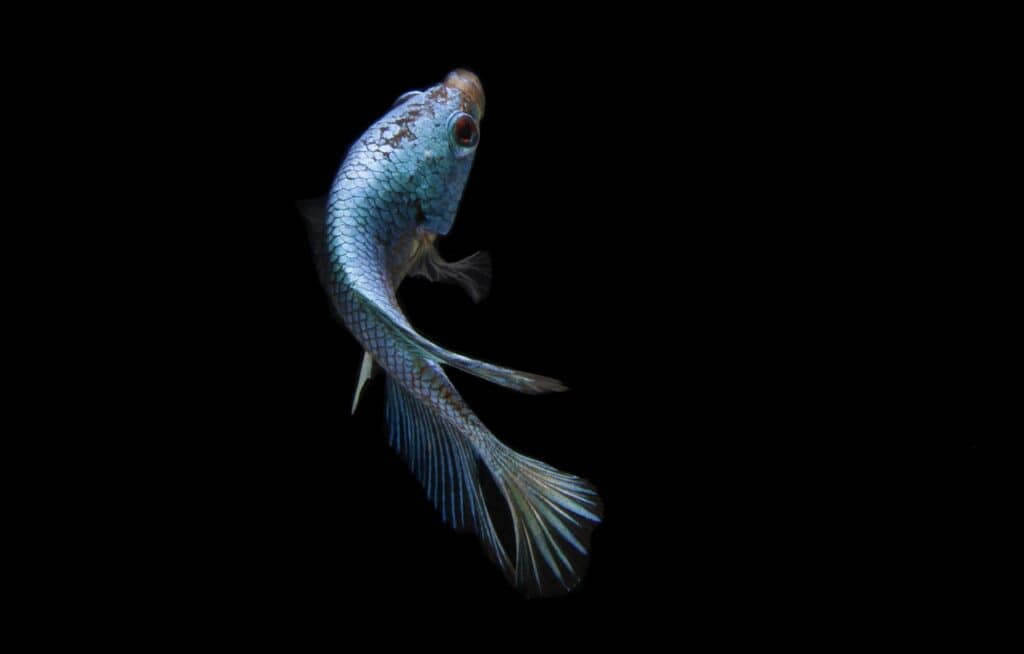
While exploring the genetic manipulation of Betta splendens, I find that induced mutations offer fascinating insights into the underlying mechanisms of pigmentation and viability. Techniques like CRISPR/Cas9 genome editing enable precise modifications with notable results:
- The knockout of alkal2l drastically reduces blue pigmentation, revealing its critical role in color expression.
- Homozygous mutants for bco1l are absent in subsequent generations, hinting at potential lethality.
- The knocking of a fluorescent protein into the militia locus showcases the targeted gene insertion’s power.
These advancements in transgenesis allow us to create Betta fish that express a green fluorescent protein (GFP), enhancing our understanding of gene function and development. By leveraging genetic manipulation, we can explore behavioral traits and the complexities of Betta biology more effectively.
Techniques in Betta Fish Genetic Research
As I explore the techniques used in Betta fish genetic research, modern methodologies are transforming our understanding of this species. The CRISPR/Cas9 technique has proven effective in disrupting genes like alkal2l and bco1l, shedding light on their roles in pigmentation and viability.
Additionally, gene knockin experiments reveal the potential of inserting fluorescent proteins into the mitfa locus, enhancing targeted genetic manipulation. Through Tol2-mediated transgenesis, researchers can introduce new genetic material, resulting in Betta splendens with green fluorescent protein (GFP) expression for tracking genetic traits.
By integrating whole genome sequencing data with functional assays, these genetic tools are invaluable for probing the genetic basis of phenotypic traits and aggressive behaviors, establishing a solid foundation for future studies in this intriguing model organism.
Implications for Aquaculture and Conservation
As I explore the implications of Betta fish mutation research, preserving genetic diversity is essential for both aquaculture and conservation efforts. Sustainable breeding practices must be prioritized to mitigate the risks associated with genetic bottlenecks, ensuring Wild Betta Fish populations remain viable amid environmental changes.
Additionally, evaluating the ecological impacts of domesticated Betta populations will be important in maintaining balance within their natural habitats.
Genetic Diversity Preservation
Genetic diversity preservation in Betta fish is essential for the sustainability of both aquaculture and conservation efforts. The stark contrast between domesticated Betta and wild populations highlights the urgent need for action:
- Domesticated Betta exhibits a 10-fold reduction in genetic diversity, risking their resilience and affecting sex determination pathways.
- Loss of rare alleles due to genetic bottlenecks diminishes the gene pool, making selective breeding problematic.
- Conservation measures must be prioritized to protect wild populations and maintain genetic differences.
Sustainable Breeding Practices
The stark reduction in genetic diversity among domesticated Betta fish poses significant challenges for both aquaculture and conservation efforts. Sustainable breeding practices emphasize the need to maintain this genetic diversity, especially since domesticated strains show a nucleotide diversity of only 0.0003, compared to 0.0025 in wild populations.
Employing gene editing technologies like CRISPR/Cas9 can target trait improvements while working to preserve genetic integrity. To combat genetic bottlenecks from selective breeding, introducing wild genetic variants into breeding programs is essential for enhancing resilience and adaptability across Betta species.
Balancing aesthetic traits with conservation goals is vital, as improper breeding can lead to phenotypic extremes that jeopardize fish health. Ultimately, these sustainable practices support ecological conservation and mitigate risks associated with invasive species dynamics.
Ecological Impact Assessment
While evaluating the ecological impact of Betta fish domestication, I find it essential to contemplate both aquaculture and conservation implications. Here are some key considerations:
- Invasive Species: Betta fish can disrupt native ecosystems, as seen in Australia with populations of Betta imbellis.
- Genetic Integrity: Preserving wild populations is imperative amidst increasing domestic demand.
- Food Security: Enhanced trait selection can improve disease resistance and growth rates, supporting aquaculture.
Balancing these factors is essential. We must adapt our practices to guarantee that our ornamental fish market doesn’t compromise conservation efforts, thereby protecting both the genetic diversity of wild populations and our future food security.
Future Directions in Betta Fish Genetic Studies
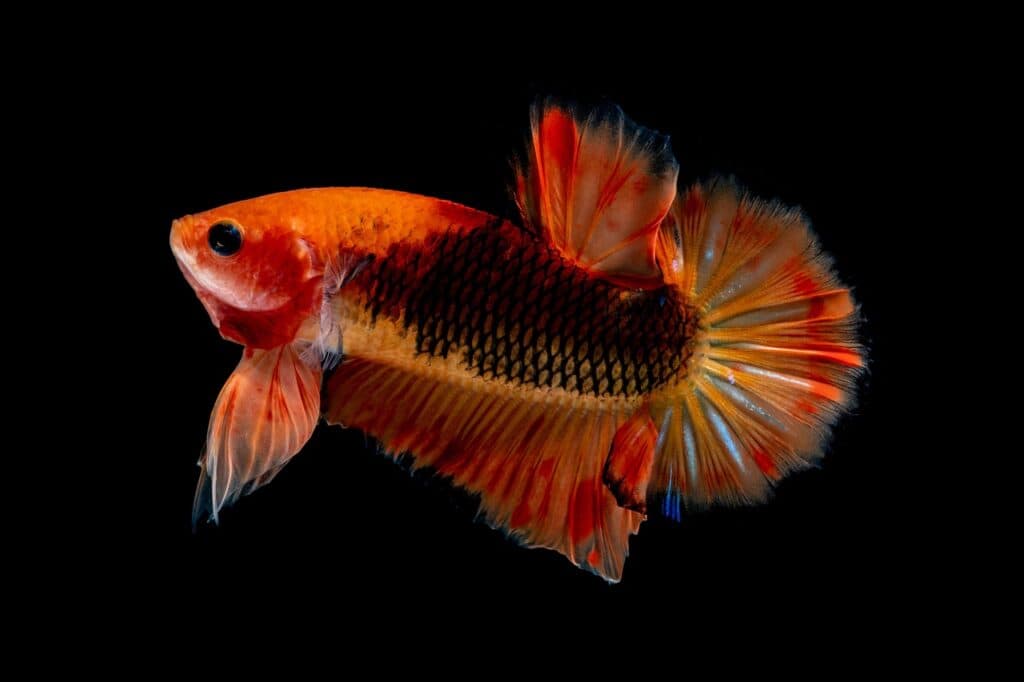
As researchers explore deeper into Betta smaragdina and other Betta fish genetics, exciting possibilities emerge that could revolutionize our understanding of this species. Utilizing CRISPR/Cas9 technology, we can conduct targeted gene knockout and knockin experiments, shedding light on specific phenotypic traits like coloration and fin morphology.
Identifying major-effect loci related to traits such as double tails enhances our grasp of artificial selection processes in selective breeding. Additionally, studying the compact genome of Betta splendens reveals genetic variants tied to aggression and behavioral traits, vital for understanding evolutionary adaptations.
The potential of transgenic technologies, like Tol2-mediated transgenesis, further allows us to investigate gene function and expression, ultimately advancing both aquaculture practices and ornamental fish breeding while promoting genetic diversity and mitigating genetic bottlenecks.
Conclusion
In exploring the fascinating world of betta fish mutations, I’ve uncovered the delicate balance between natural and induced changes. Both avenues offer unique insights into genetic diversity and breeding practices.
Continued investigation into these genetic variations in Betta mahachaiensis will not only enhance our appreciation for betta fish but also contribute to sustainable practices in their care and preservation.