To maximize your betta fish’s lifespan, I recommend providing a minimum 10-gallon tank, maintaining a stable water temperature between 76-81°F, and performing regular water changes. A nutritious diet rich in protein is vital for their health.
It’s also essential to monitor their behavior for signs of illness and to choose a healthy betta with vibrant colors and active traits. By ensuring the right environment and care practices, you can enhance their longevity and overall well-being. There’s more to explore on this topic.
Understanding Betta Fish Lifespan
When it comes to understanding betta fish lifespan, it’s essential to recognize that these vibrant creatures typically live between 3 to 5 years, though some can thrive for up to a decade with the right care. Proper care plays a critical role in maximizing lifespan, and this includes maintaining excellent water quality and providing a suitable diet.
Unfortunately, captive-bred bettas may experience shorter lifespans due to genetics and potential inbreeding issues. As I care for my bettas, I’ve learned that environmental conditions can greatly impact their health. It’s heartening to see elderly bettas, around 5 years old, still enjoying life. By focusing on their needs, we can truly enhance their quality of life and longevity.
Key Factors Influencing Lifespan
When it comes to a betta fish’s lifespan, proper care techniques and environmental conditions are essential. I’ve seen firsthand how a suitable tank size and high water quality can make a significant difference in how long these beautiful fish thrive. By focusing on these key factors, we can guarantee our bettas live as long and healthy as possible.
Proper Care Techniques
To guarantee your betta fish thrives and lives a long, healthy life, it’s essential to implement proper care techniques. Here’s a quick overview of key factors that can enhance your betta’s lifespan:
| Care Technique | Importance |
|---|---|
| Tank Size | A minimum of 10 gallons provides a stable environment. |
| Water Temperature | Maintain between 76-81°F to reduce stress. |
| Regular Water Changes | Change 20-25% weekly for clean water and ideal health. |
| Protein Diet | High-quality pellets and occasional live foods support growth. |
| Quarantine New Fish | Prevents disease transmission, protecting your betta’s health. |
Environmental Conditions Impact
Maintaining ideal environmental conditions plays a significant role in the lifespan of betta fish. Typically, betta fish live 3 to 5 years, but with favorable conditions, they can thrive for up to 10 years. A tank size of at least 10 gallons is essential, as it stabilizes water quality and reduces stress levels.
Keeping the water temperature between 76 to 81°F is vital, as fluctuations can heighten stress and disease susceptibility. Regular water changes of 20-25% weekly prevent harmful ammonia and nitrites from accumulating.
Additionally, providing a well-planted tank with hiding spots enhances their environment, further reducing stress. Prioritizing these environmental conditions guarantees your betta enjoys a healthier, longer life.
Choosing a Healthy Betta Fish
Choosing a healthy betta fish is essential for guaranteeing a long and vibrant life in your aquarium. When selecting a betta, I recommend visiting reputable breeders or local fish stores. Look for fish with vibrant coloration and active behavior, avoiding any with torn fins or signs of illness.
Younger bettas often have a longer potential lifespan, so prioritize smaller, healthier fish. Check for clear eyes and smooth scales, as these indicate overall good health. If you plan to keep your betta in a community tank, observe their temperament to guarantee compatibility with other fish.
Aggressive individuals can contribute to stress, which may negatively impact their lifespan. By making mindful choices, you’ll foster a thriving aquatic environment for your betta.
Essential Tank Setup and Maintenance
After selecting a healthy betta fish, setting up the right tank environment plays an important role in ensuring its longevity and well-being. I recommend a minimum tank size of 10 gallons, which provides ample swimming space and helps maintain stable water quality.
Keeping the water temperature between 76 to 81°F is essential for betta health; a reliable heater can help with this. Regular water changes of 20-25% weekly are necessary to keep ammonia and nitrite levels at zero. Opt for gentle filtration to avoid stressing your betta with strong currents.
Additionally, incorporating live plants and providing hiding spots creates a more natural and enriching aquarium setup, ultimately reducing stress and promoting your betta’s overall health.
Proper Nutrition and Feeding Practices
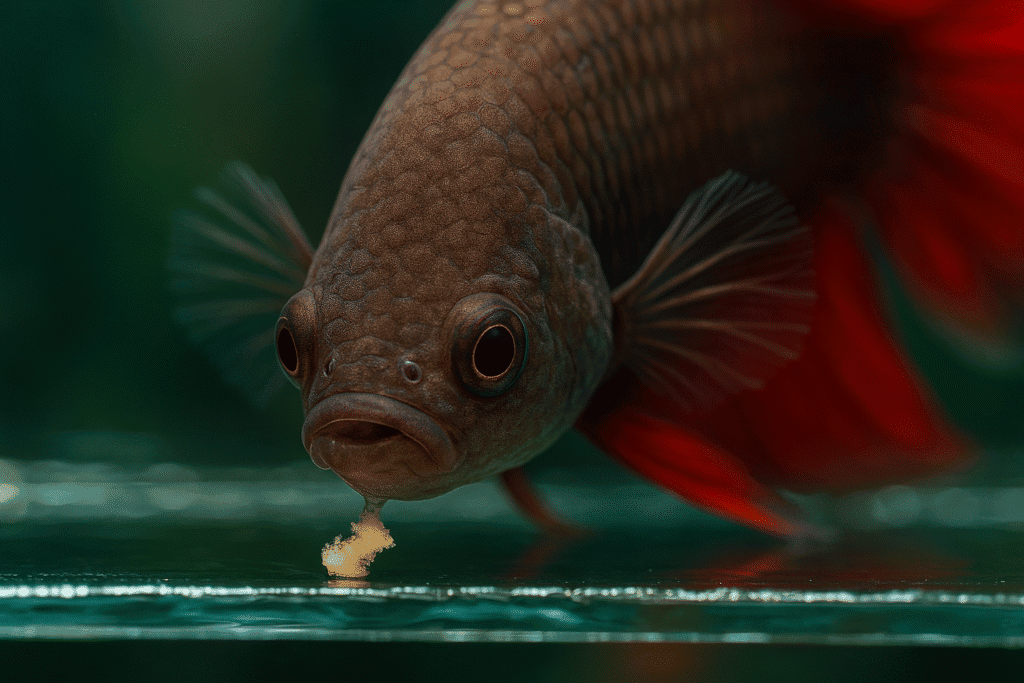
Proper nutrition is essential for the health and longevity of your betta fish. A high-protein diet consisting of quality pellets tailored to their nutritional needs should be the foundation of their meals. I recommend supplementing their diet with live or frozen foods like bloodworms and brine shrimp to enhance their health and mimic natural feeding behaviors.
Feeding small portions once or twice daily, which they can consume in about two minutes, helps prevent overfeeding and supports water quality. Additionally, incorporating a fasting day each week aids digestion and reduces potential health issues. It’s vital to monitor your betta’s appetite and behavior during feeding times, as a lack of interest might indicate stress or illness, ultimately impacting their lifespan.
Monitoring Health and Preventing Illness
I regularly check my betta fish for any signs of health issues, like lethargy or unusual swimming patterns, to catch problems early. Maintaining ideal water quality is essential; I keep ammonia and nitrite levels at zero and monitor pH closely. By recognizing stress signals and addressing them promptly, I can help guarantee a long, healthy life for my betta.
Regular Health Checks
Regular health checks are essential for ensuring the well-being of your betta fish and can greatly extend their life expectancy. I always take the time to observe my betta’s behavior, noting any changes like lethargy or loss of appetite, as these can signal health issues.
Weekly water quality tests help me monitor ammonia, nitrite, and nitrate levels, ensuring they stay safe. I check for visible signs of diseases, like fin rot or ich, and maintain clean tank conditions to reduce infection risks.
Additionally, I quarantine any new fish for at least two weeks before introducing them to the main tank. Keeping a health log detailing observations, water quality, and treatments helps me track trends and improve care, promoting a longer lifespan for my betta.
Water Quality Maintenance
Since maintaining ideal water quality is essential for your betta’s health, you’ll want to stay vigilant about monitoring various parameters. I regularly test for ammonia and nitrite levels, ensuring they remain at zero, while keeping nitrates low to prevent stress.
Monitoring pH levels is equally important; they should stay between 6.5 and 7.5 for optimal well-being. I perform weekly water changes of 20-25% to maintain clean conditions and reduce waste buildup. Bettas thrive in temperatures between 76 and 81 degrees Fahrenheit, so I use a heater to avoid fluctuations.
Additionally, I recommend a low-flow filter to keep the water clean, protecting those delicate betta fins from strong currents that can cause fatigue and injury.
Recognizing Stress Signals
Understanding the stress signals your betta fish exhibits is essential for maintaining their health and preventing illness. I’ve found that monitoring water parameters, like temperature and pH, helps me keep their environment stable.
When my betta shows physical signs of stress—like clamped fins, fading colors, or excessive hiding—it often indicates discomfort or threats from environmental stressors or aggressive interactions with tank mates. Regular observation of behavior can reveal early issues, allowing for timely intervention.
By ensuring stable tank conditions and reducing stressors, I can greatly increase my betta’s lifespan. Compassionate care and vigilance are key to fostering a thriving, healthy betta fish that brings joy for years to come.
Creating a Stress-Free Environment
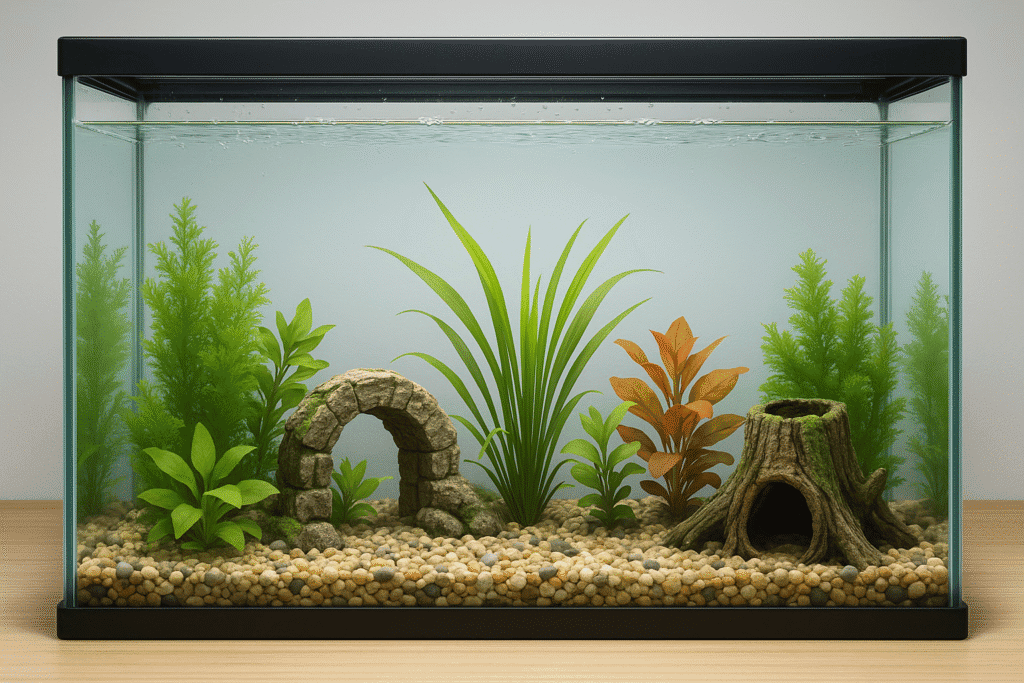
Creating a stress-free environment for your betta fish is vital for their health and longevity. I recommend using a tank of at least 10 gallons to provide ample swimming space, which greatly reduces stress. Maintaining stable water temperatures between 76 and 81°F is important, as fluctuations can lead to health issues.
Incorporating live or silk plants and hiding spots not only beautifies the tank but also gives your betta a sense of security. Regular water changes of 20-25% weekly help maintain water quality, while monitoring ammonia and nitrite levels keeps stress at bay. Finally, using low-flow filtration systems guarantees your betta enjoys clean water without the exhausting currents that can cause additional stress.
Conclusion
To sum up, ensuring your betta fish lives a long, healthy life involves a combination of proper care, environment, and nutrition. By understanding their needs and being proactive about their health, you can greatly enhance their lifespan.
Remember, your betta’s happiness directly impacts their longevity, so creating a stress-free habitat is key. With your dedication and attention, you can enjoy the vibrant companionship of your betta fish for years to come.