Keeping bettas in small containers can severely harm their health. These fish thrive in at least a 5-gallon tank to guarantee stable water conditions and adequate space for swimming and natural behaviors. Confinement leads to stress, loss of vibrant colors, and increases the risk of diseases like fin rot.
A proper habitat includes a heater and filtered water, promoting their well-being. I encourage you to discover more about creating the perfect environment for your betta.
The Reality of Betta Fish Habitat Needs

When it comes to understanding betta fish habitat needs, it’s essential to recognize that these vibrant creatures require more than just a tiny bowl to thrive. Bettas flourish in tanks of at least 5 gallons, as small tanks can lead to stress and health issues due to poor water quality and limited swimming space.
They originate from warm, shallow waters and need a stable temperature between 75–80°F, which small containers struggle to maintain. A filtered environment is important for managing toxic waste, something often absent in minimalistic setups. By providing live plants and hiding spots, you enhance their habitat, allowing them to exhibit natural behaviors.
This enrichment is significant for their overall well-being, proving that bigger is indeed better for bettas.
The Importance of Tank Size for Betta Health
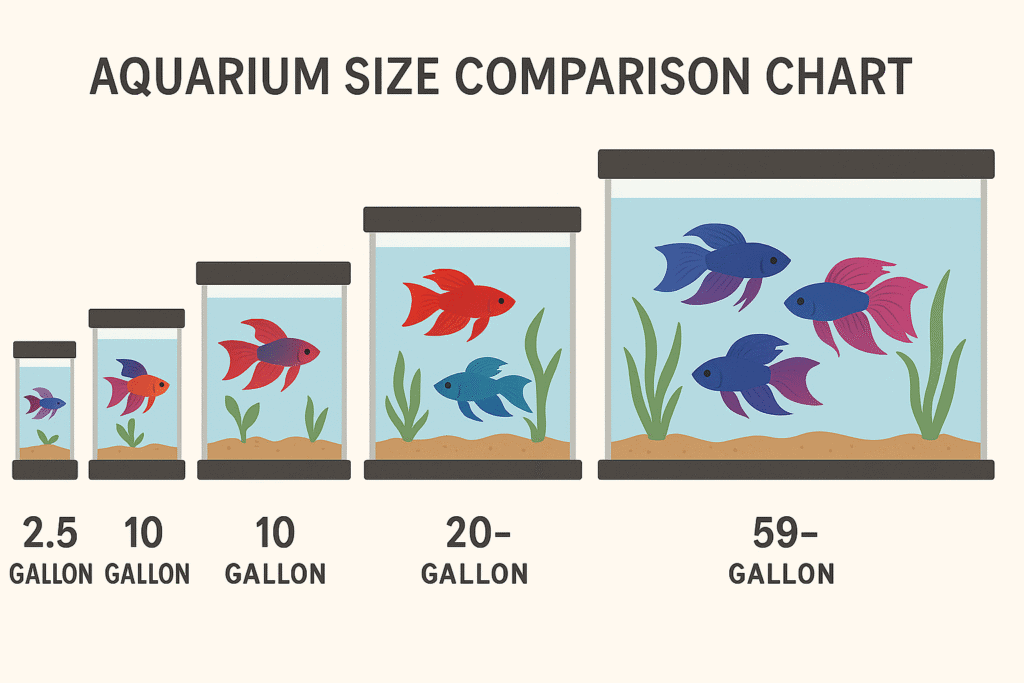
Understanding the importance of tank size for betta health is crucial for any aquarist who wants to provide the best environment for their fish. Bettas thrive in a minimum tank size of at least 5 gallons, which guarantees better water stability and allows for their natural behaviors. Small containers often lead to stress and health issues due to rapid waste accumulation that can compromise their immune systems.
Adequate space lets bettas swim freely, promoting physical health and preventing muscle atrophy. Additionally, studies show that bettas in larger tanks display more vibrant colors and increased activity levels.
By providing hiding spots and ample space, we can greatly enhance their overall well-being and create an environment where they truly flourish.
Misconceptions About Betta Behavior in Small Spaces
Many people mistakenly believe that bettas are inherently lazy or low-energy fish, but this perception often stems from their confinement in small bowls. In these small containers, bettas can lose their vibrant colors and energy, leading to misconceptions about their true nature.
The stress of living in confined spaces contributes to health issues like fin rot and ammonia burns, which further mislead owners regarding their well-being. When provided with larger tanks, bettas can swim freely, explore, and engage in natural behaviors that showcase their energetic personalities. Studies show that fish, including bettas, need adequate space for exercise to maintain muscle strength and overall health.
By understanding these misconceptions, we can guarantee our bettas thrive in a nurturing environment.
Essential Equipment for Betta Care
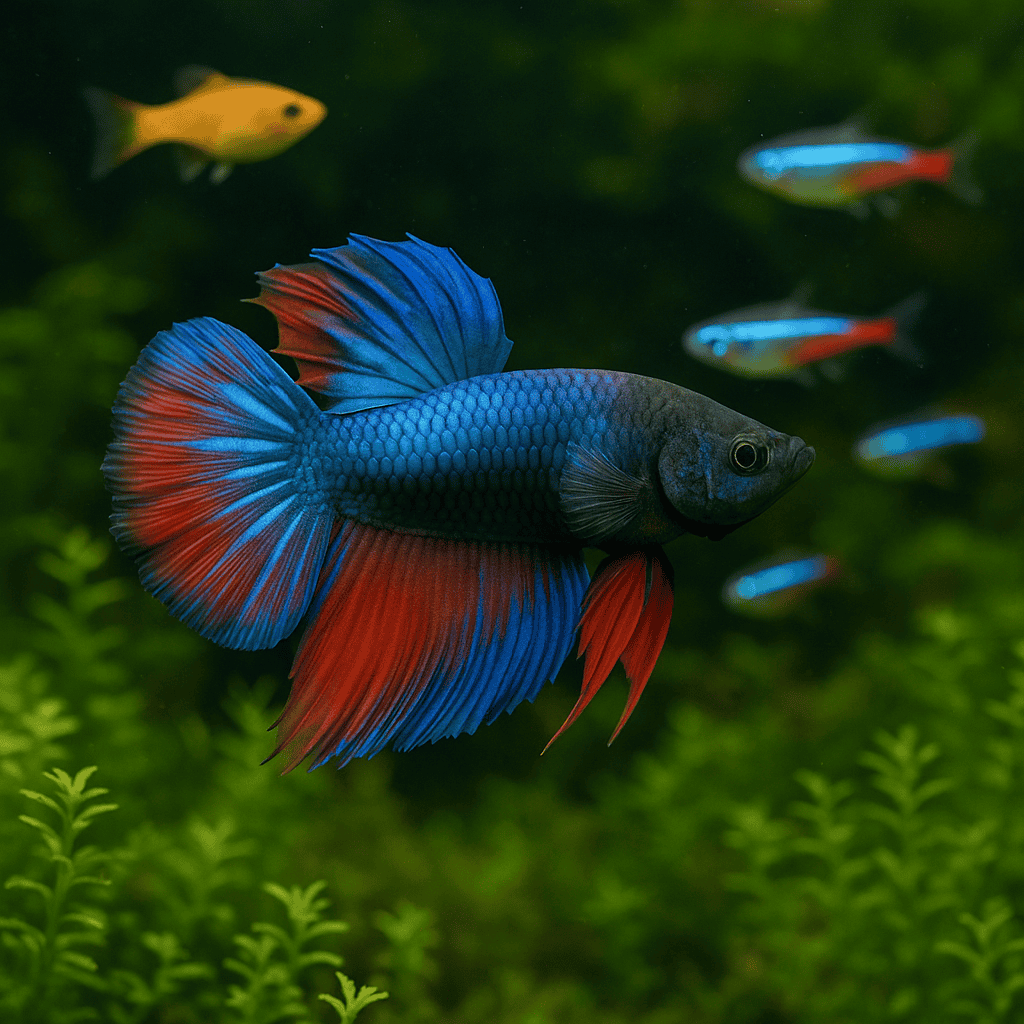
To guarantee your betta fish thrives, it’s vital to equip their tank with the right essentials. A minimum of a 5-gallon tank guarantees stable water conditions and reduces stress. You’ll need a heater to maintain water temperatures between 75–80°F, as bettas prefer warmth.
A high-quality filter with gentle flow settings is essential for managing waste and protecting delicate fins. Incorporating live plants and hiding spots enhances their environment, supporting natural behaviors and mental well-being. Regular water changes of 25–50% weekly keep the water clean and safe.
| Essential Equipment | Purpose |
|---|---|
| 5-gallon tank | Stable water conditions |
| Heater | Maintains water temperature |
| Filter | Manages waste and toxins |
| Live plants | Enhances mental well-being |
The Consequences of Ignoring Betta Care Guidelines
Ignoring betta care guidelines can lead to dire consequences for these beautiful fish. When kept in small containers, toxic ammonia accumulates quickly, drastically shortening their lifespan and increasing disease risk. Without proper filtration, maintaining water quality requires frequent changes, which stresses bettas due to habitat disruption.
They thrive in environments of at least 5 gallons, where they can exhibit natural behaviors and maintain stable temperatures. Inadequate heating in small bowls causes lethargy and weakens their immune systems, making them more vulnerable to illness. This stress, combined with poor water conditions, can lead to serious health issues like ammonia burns and fin rot.
By understanding these factors, we can provide the care our bettas truly deserve.
Conclusion
In summary, it’s essential to understand that betta fish thrive in spacious, well-maintained environments rather than small bowls. By providing adequate tank size, proper filtration, and enriching habitats, we can greatly enhance their well-being.
Let’s dispel the myths surrounding bettas and commit to caring for them as the complex creatures they are. With the right knowledge and compassion, we can guarantee our bettas live healthy, fulfilling lives in homes that truly suit them.