When it comes to feeding betta fish, premium pellets are preferred over cheap alternatives. Premium pellets contain higher protein levels and essential nutrients that promote vibrant coloration and better overall health. Many fish stores recommend these premium options for optimal betta care.
In contrast, cheap foods often have fillers and harmful additives, which can lead to digestive issues and poor health. Investing in quality food improves water quality and minimizes waste. Fish stores often carry both premium and budget options. Discovering the differences in nutritional profiles can further inform your decisions for your betta’s diet.
Understanding Betta Fish Dietary Needs
Understanding the dietary needs of betta fish is vital for their health and well-being. As carnivores, bettas require a diet rich in high-quality protein to mimic their natural food sources, such as insects. When selecting betta fish food, opt for high-quality pellets, flakes, freeze-dried, frozen, and live options, steering clear of fillers like corn and wheat.
Adult bettas should typically be fed 2-4 pellets or 2-3 pieces of live or frozen food through consistent daily feeding. This guarantees they receive the necessary nutrients, including protein, fat, fiber, and essential vitamins. Remember, overfeeding can lead to health issues such as constipation and bloating, so it’s vital to control portions based on their stomach size, which is roughly equivalent to their eye size.
Benefits of High-Quality Betta Pellets
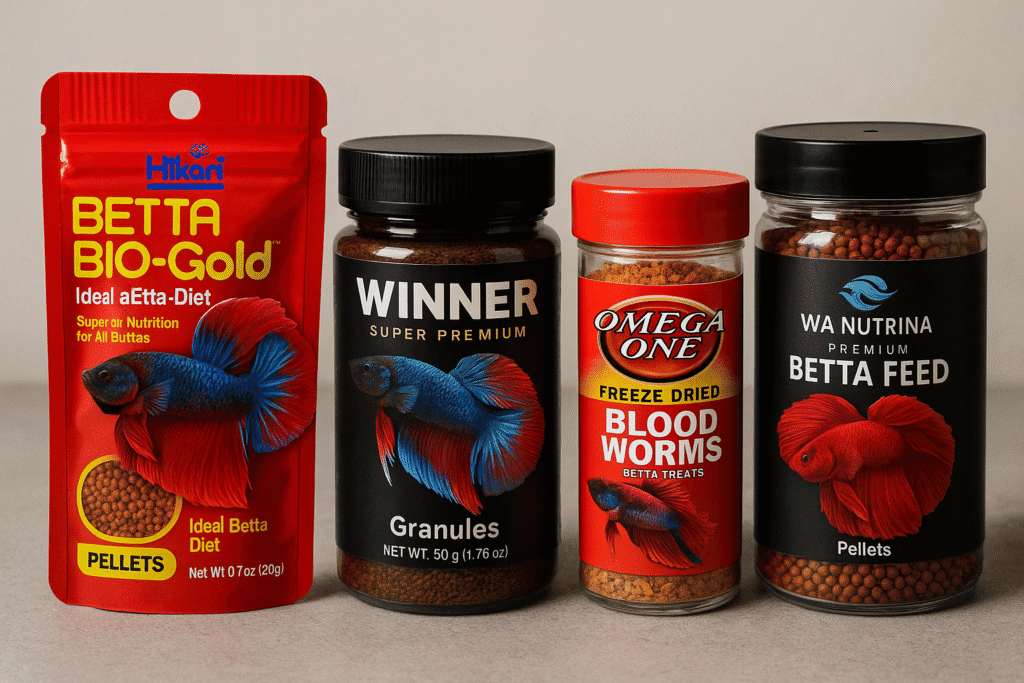
Selecting the right food for betta fish greatly impacts their overall health, and high-quality betta pellets stand out as one of the best options available. I highly recommend choosing pellets that provide crucial nutrients, as they support growth and liveliness.
| Benefits | Details | Impact on Betta Fish |
|---|---|---|
| High Protein Content | 40-50% protein from sources like krill | Promotes growth and energy |
| Essential Vitamins | Boosts immune system and reduces stress | Enhances overall health |
| Reduced waste | Less filler content | Improves water quality |
| Safe Ingredients | No harmful additives or artificial colors | Guarantees a safer diet |
| Enhanced Coloration | Natural ingredients boost pigmentation | Improves appearance |
Investing in these pellets can truly elevate your betta’s well-being.
Comparing Cheap Betta Food Alternatives
When comparing cheap betta food alternatives, it’s essential to evaluate their nutritional quality against premium options. While the lower price might seem appealing, these cost-effective choices often compromise on essential protein levels and important nutrients. Ultimately, the long-term health impacts of feeding your betta inadequate food can outweigh any initial savings, leading to potential health complications and increased costs.
Nutritional Quality Comparison
While many aquarium enthusiasts might be tempted to choose cheaper betta food options for budgetary reasons, it’s crucial to recognize the significant differences in nutritional quality between these alternatives and premium products. Premium betta pellets often boast high-quality protein sources and essential nutrients, while cheap betta foods may rely on fillers, leading to inadequate nutrition. Consider these concerns:
Lower protein content (as low as 25%) in cheap options.
Potential harmful additives and artificial colors in cheaper brands.
Poor digestibility leads to waste and poor water quality.
Investing in premium betta food promotes better growth, vibrant coloration, and overall health for your betta. Prioritizing quality guarantees your fish thrives, which ultimately enhances your aquarium experience.
Price vs. Value
Choosing the right betta food involves evaluating not just the price but also the worth it offers for your fish’s health. While cheap betta food may seem budget-friendly, it often contains fillers like corn and wheat, which can lead to digestive issues. In contrast, premium betta pellets boast a higher protein content of 45% or more and include quality ingredients such as whole fish and krill.
This nutritional richness supports better growth and liveliness. Investing in high-quality brands like NorthFin or Omega One can greatly enhance your betta’s long-term health, reducing the risk of illnesses associated with poor nutrition. Ultimately, the worth of premium betta food far outweighs its initial cost, ensuring a healthier, happier fish.
Long-Term Health Impacts
Although many betta owners might be tempted by the low price of cheap food alternatives, the long-term health impacts can be detrimental to their fish. Research shows how these diets can lead to serious issues, such as:
- Digestive problems from fillers like corn and wheat
- Obesity and stunted growth due to low protein content
- Dull colors and lethargy from lack of essential vitamins and minerals
In contrast, premium pellets provide high-quality ingredients and about 45% protein, supporting your betta’s health and well-being. Investing in better food and maintaining regular feeding schedules not only enhances their vibrant colors and energy but also reduces the risk of costly health problems in the future. Remember, healthy fish live longer and require fewer veterinary interventions.
Nutritional Content of Premium Pellets
Premium betta pellets offer a significant nutritional advantage over lower-quality alternatives, boasting protein content that often exceeds 40%. These premium pellets typically use high-quality ingredients like whole fish and shrimp, aligning with a betta’s natural carnivorous diet. Brands such as NorthFin Betta Bits and Hikari Betta Bio-Gold are formulated without artificial colors or hormones, ensuring a wholesome, nutritious experience.
Additionally, they contain essential vitamins and minerals—like vitamins A, D3, E, and B-complex—critical for maintaining a betta’s health, growth, and immune function. The superior digestibility of premium pellets reduces the risk of digestive issues, enabling bettas to thrive. By choosing premium pellets, you’re providing a balanced diet that supports their active lifestyle and enhances their vibrant coloration.
Potential Risks of Low-Quality Foods
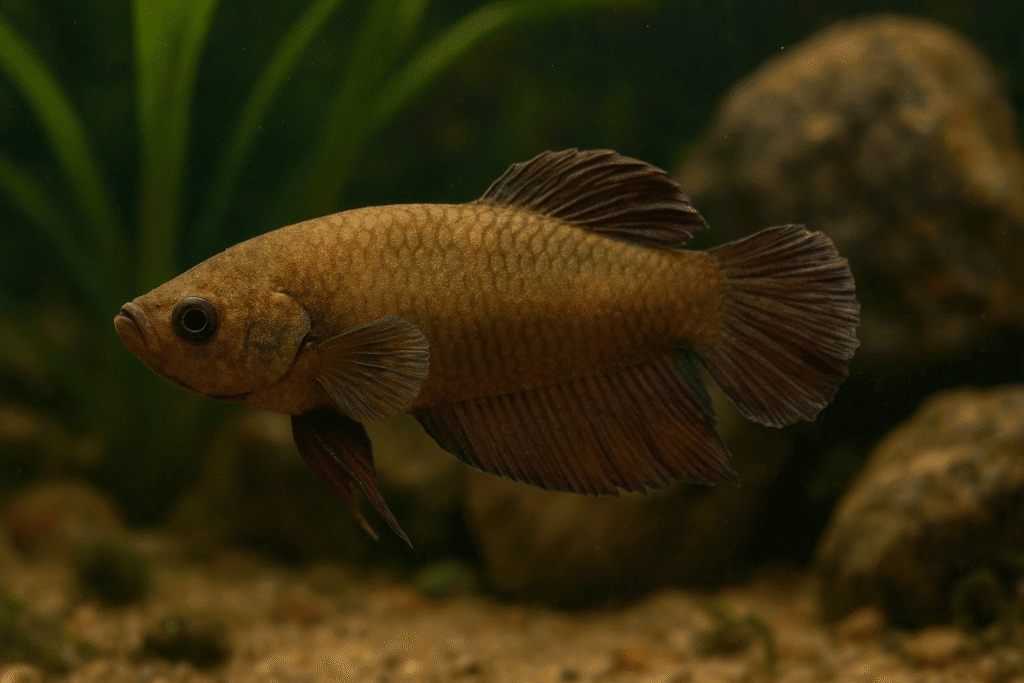
When it comes to feeding bettas, research shows that opting for low-quality foods can pose serious risks to their health. These foods often contain fillers that disrupt digestion, leading to various health issues. Studies indicate that inadequate protein and missing essential nutrients can result in debilitating conditions for fish.
Here are some potential risks worth considering:
- Malnutrition and stunted growth from insufficient protein content
- Nutritional deficiencies causing lethargy and poor coloration
- Poor water quality due to disintegrating pellets, risking ammonia spikes
It’s concerning to see bettas suffer because of low-quality food. Prioritizing their well-being by choosing high-quality options ensures they thrive and remain vibrant.
Top Recommended Betta Fish Food Brands
When it comes to selecting betta fish food, I’ve found that quality ingredients greatly impact their health and vitality. Premium brands like NorthFin and Omega One offer higher protein content and essential nutrients, which are essential for a balanced diet. In contrast, cheaper alternatives commonly found in pet stores often fall short, leading to potential health issues for your betta.
Quality Ingredients Matter
While it’s tempting to opt for cheaper options when feeding your betta, the quality of ingredients really matters. Premium betta pellets, like NorthFin Beta Bits and Fluval Bug Bites, offer high-quality protein sources essential for your betta’s health. Choosing the right food can greatly impact their well-being.
Consider these points:
- Premium options contain whole krill and larvae, providing critical nutrients.
- Cheap betta food often includes fillers that can cause digestive issues.
- High-quality foods promote better coloration, growth, and overall vitality.
Investing in quality not only supports your fish but also helps maintain a cleaner tank. It’s a small step that makes a substantial difference for these amazing fish.
Nutritional Value Comparison
Understanding the nutritional value of different betta fish food brands is essential for guaranteeing your fish’s health and well-being. Premium betta pellets, such as NorthFin Beta Bits and Fluval Bug Bites, boast protein levels of up to 50% from quality sources like krill and black soldier fly larvae. In contrast, cheap alternatives often rely on fillers and provide lower protein content, compromising your betta’s health.
Recommended brands like Omega One and New Life Spectrum guarantee balanced nutrition with essential vitamins and minimal fillers. Additionally, freeze-dried and frozen options, like bloodworms, support their carnivorous diet effectively. Investing in premium food not only enhances color and growth but also minimizes waste, maintaining better water quality compared to cheaper options.
Importance of Variety in Betta Diets

Incorporating a variety of foods into your betta’s diet is crucial for ensuring their health and well-being. As carnivores, bettas thrive on diverse nutrition that mimics their natural diet. By providing a mix of foods, you can support their growth, coloration, and overall vigor. Here are a few reasons why variety matters:
- A balanced intake of essential nutrients prevents deficiencies.
- High-quality pellets combined with freeze-dried treats enhance digestion and health.
- Different food types encourage natural hunting instincts, increasing mental stimulation.
Regularly changing their diet can also keep picky eaters engaged. By offering a range of options—from premium pellets to freeze-dried delicacies—you’ll help your betta live a vibrant, active life.
Tips for Transitioning Betta Fish to New Foods
When introducing new foods to your betta fish, it’s essential to shift gradually to prevent digestive issues and guarantee their comfort. Start by mixing a small amount of the new food, like fish flakes or other food alternatives, with their current diet over several days. This acclimation period helps them adjust without stress.
Keep an eye on your betta’s response; if they show a lack of appetite, it might signal discomfort or the need for further adjustments, especially if the water temperature is below 76°F. For picky eaters, try varying their diet with different food alternatives, like freeze-dried or live foods, to sustain their interest. Always maintain a consistent feeding routine during the change for best results.
Observing Betta Behavior and Health Indicators
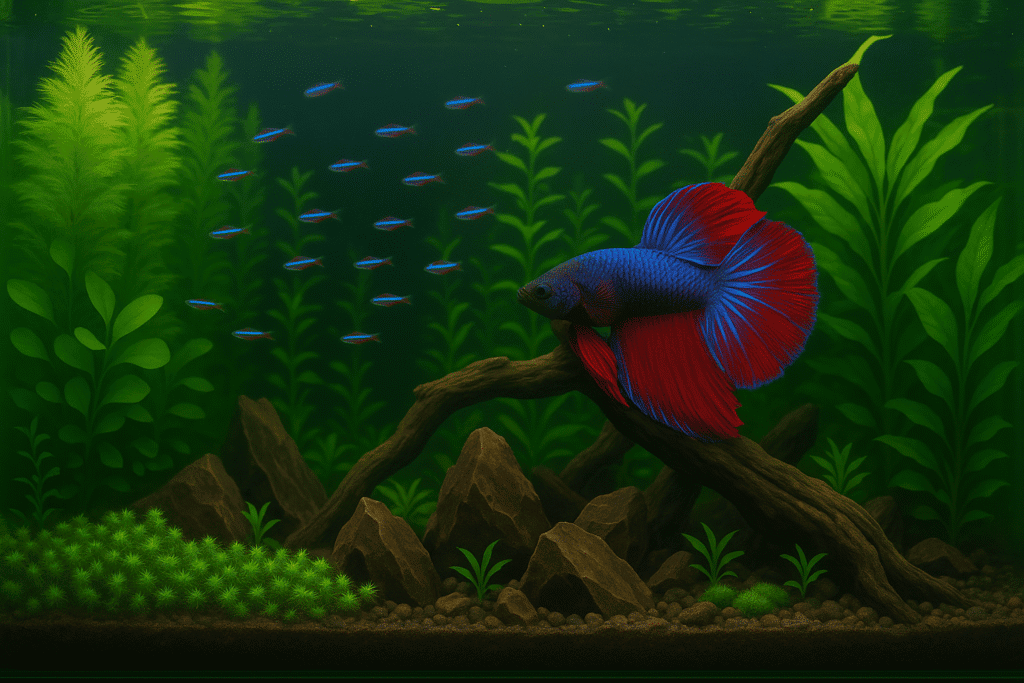
Observing your betta fish closely can reveal crucial insights into their health and well-being. I’ve learned that monitoring their behavior is essential for identifying potential issues. Here are some key indicators to watch for:
- Lethargy or unusual swimming patterns may signal stress or health problems.
- A bloated stomach could indicate overfeeding or constipation; fasting for a few days might help.
- Changes in feeding behavior, like aggressive surface greeting, can show their overall health.
Conclusion
In summary, investing in premium betta pellets offers significant advantages over cheaper alternatives, ensuring your fish receives the essential nutrients for ideal health. While low-quality foods may seem cost-effective, they often lack vital ingredients, potentially leading to health issues.
By prioritizing quality and variety in your betta’s diet, you’re setting the stage for a vibrant, active fish. Always observe your betta’s behavior and health, as these indicators will guide you in making informed dietary choices.