I’ve observed betta fish develop Popeye, which causes one or both eyes to swell and protrude. This condition can stem from poor water quality, injuries, infections, or nutritional deficiencies.
Treating Popeye involves isolating the affected fish, improving tank conditions, and using medications like Kanamycin or Erythromycin. It’s essential to monitor water parameters regularly and guarantee a balanced diet to prevent this issue.
What Is Popeye?
Popeye in betta fish is a concerning condition known medically as exophthalmia, where one or both eyes become swollen and protrude. I often see symptoms such as bulging, swollen, or cloudy eyes, which may indicate bacterial infection, trauma, or other underlying health problems.
Affected fish can also become lethargic and lose their appetite. Early detection and prompt treatment—isolating the fish, optimizing water conditions, and administering antibiotics—are vital to prevent permanent damage.
Symptoms of Popeye in Betta Fish
When I notice a betta fish with protruding or cloudy eyes, I immediately suspect Popeye. Key signs include:
- Bulging or swollen eyes
- Cloudy or bloodshot appearance
- Redness or irritation around the eye area
- Lethargy and reduced appetite
- Abnormal swimming, sometimes bumping into tank décor
- Thick white rings around the eyes in advanced stages
Monitoring these symptoms closely allows for timely intervention and better recovery outcomes.
Causes of Popeye in Betta Fish
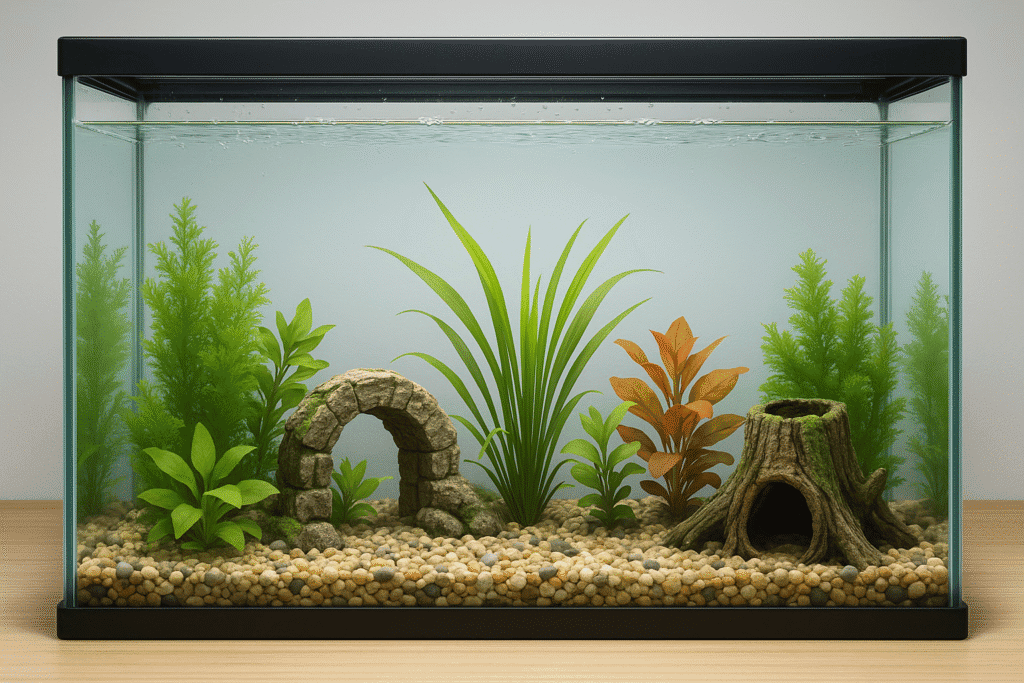
Understanding why Popeye occurs helps in prevention and treatment:
- Poor Water Quality: Elevated ammonia or nitrite levels and low oxygen can lead to exophthalmia.
- Injuries: Sharp decorations or aggressive tank mates can damage the eye.
- Infections: Bacterial, parasitic, or fungal infections often underlie Popeye cases.
- Environmental Stress: Overcrowding or sudden changes in temperature or pH weaken immune defenses.
- Nutritional Deficiencies: Lack of essential vitamins and minerals compromises eye health.
I’ve found that maintaining stable, clean water and providing a nutritious diet dramatically reduces the risk.
Is Popeye Contagious?
The contagiousness depends on its origin:
- Injury-induced cases are not contagious.
- Infections (bacterial, fungal, parasitic) can spread to other fish.
Quarantining any fish showing symptoms and practicing strict tank hygiene are crucial to prevent outbreaks.
Treatment Options for Popeye in Betta Fish
Effective treatment combines isolation, water quality management, and appropriate medications.
Isolation and Quarantine
- Move the affected fish to a separate quarantine tank.
- Maintain ideal water parameters with regular testing and partial water changes (20–50% weekly).
- Provide Epsom salt baths (1 tablespoon per gallon) to reduce swelling.
- Add Indian almond leaves for natural antibacterial support.
Medication Options
After isolation, select medications based on response:
| Antibiotic | Notes |
|---|---|
| Kanamycin | First-line treatment |
| Erythromycin | Switch if no improvement in 3 days |
| Maracyn II | Broad-spectrum antibiotic |
| Furan 2 | Targets internal bacterial infections |
| Seachem SulfaPlex | Antibacterial sulfa-based treatment |
Administer dosages according to manufacturer guidelines and monitor the fish daily.
Water Quality Improvement
Maintaining optimal water conditions is essential:
- Keep ammonia and nitrite at 0 ppm; nitrates below 20 ppm.
- Perform weekly water changes of 20–30% and up to 90% during treatment.
- Maintain pH between 6.5 and 7.5 and temperature at 75–80 °F.
- Use aquarium salt sparingly to support minor health issues.
I always test water parameters before and after treatment to ensure a clean environment.
Alternative Treatments for Popeye
If standard antibiotics are ineffective, consider the following:
- Epsom Salt Baths: 1 tbsp per gallon to reduce eye swelling.
- Indian Almond Leaves: Natural antibacterial properties.
- API Triple Sulfa: Broad-spectrum sulfa treatment.
- Natural Remedies: Continued use of almond leaf extracts and supportive care.
Careful observation during alternative treatments is key to adjusting protocols as needed.
Prevention Strategies for Popeye in Betta Fish
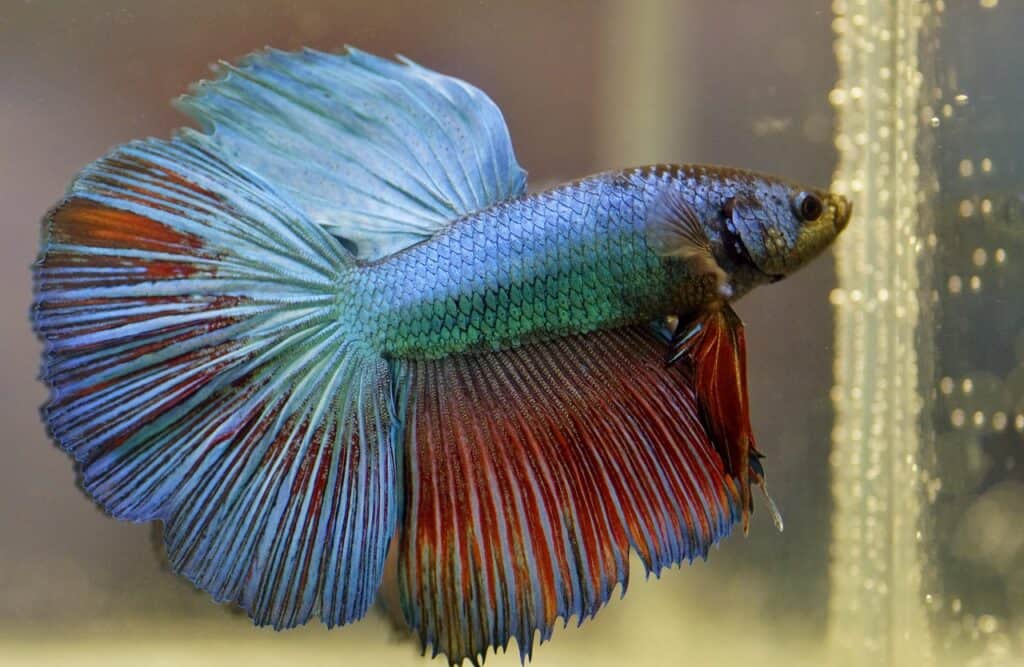
Preventing Popeye focuses on stable, stress-free conditions:
- Quarantine new fish for at least two weeks.
- Avoid sharp decorations and overcrowding.
- Perform regular partial water changes (20–30% weekly).
- Feed a balanced diet rich in vitamins and minerals.
- Monitor water parameters (ammonia, nitrite, nitrate, pH, temperature) consistently.
Maintaining these practices helps ensure your betta remains healthy and resilient.
Conclusion
Addressing Popeye in betta fish requires vigilance, proper tank maintenance, and timely intervention. By understanding its causes, recognizing early symptoms, and applying effective treatments, you can help your betta recover and thrive.