Floating aquarium plants are essential for betta fish, as they provide secure anchoring for bubble nests during breeding. Plants like Amazon frogbit and water lettuce minimize surface movement, creating an ideal nesting environment. They also improve water quality and mimic natural habitats, reducing stress in your bettas.
I recently added aquarium plants to my tank and noticed immediate benefits. Regular maintenance guarantees these plants thrive and support your fish’s well-being. Interested in discovering more about enhancing your betta’s habitat and breeding success?
The Importance of Floating Plants for Betta Fish
Floating plants play an essential role in the well-being of betta fish. They provide vital surface cover, enhancing security and mimicking the betta’s natural habitat, which minimizes stress. These plants, like Amazon frogbit, improve water quality by absorbing excess nutrients, helping maintain a balanced aquarium environment. I’ve found that the shade they create limits light penetration, reducing algae growth and promoting a healthier ecosystem.
The dense foliage offers ideal hiding spots, allowing bettas to exhibit natural behaviors, including constructing bubble nests. This natural environment facilitates breeding readiness, as floating plants provide materials for nest construction and shelter for fry. By incorporating floating plants, we not only enrich the lives of our bettas but also create a vibrant, thriving aquarium. These healthy plant additions have changed the way I view tank design.
Recommended Floating Plants
When selecting floating plants for your betta’s habitat, I recommend considering options among various plant species such as Amazon Frogbit, Duckweed, and Water Lettuce. Each of these plants offers unique benefits, from creating protective cover to enhancing nesting opportunities.
By incorporating these submerged plants alongside floating ones, you can improve your betta’s environment and promote their natural behaviors effectively. I’ve personally experimented with these plant species combinations to great success.
Ideal Floating Plant Options
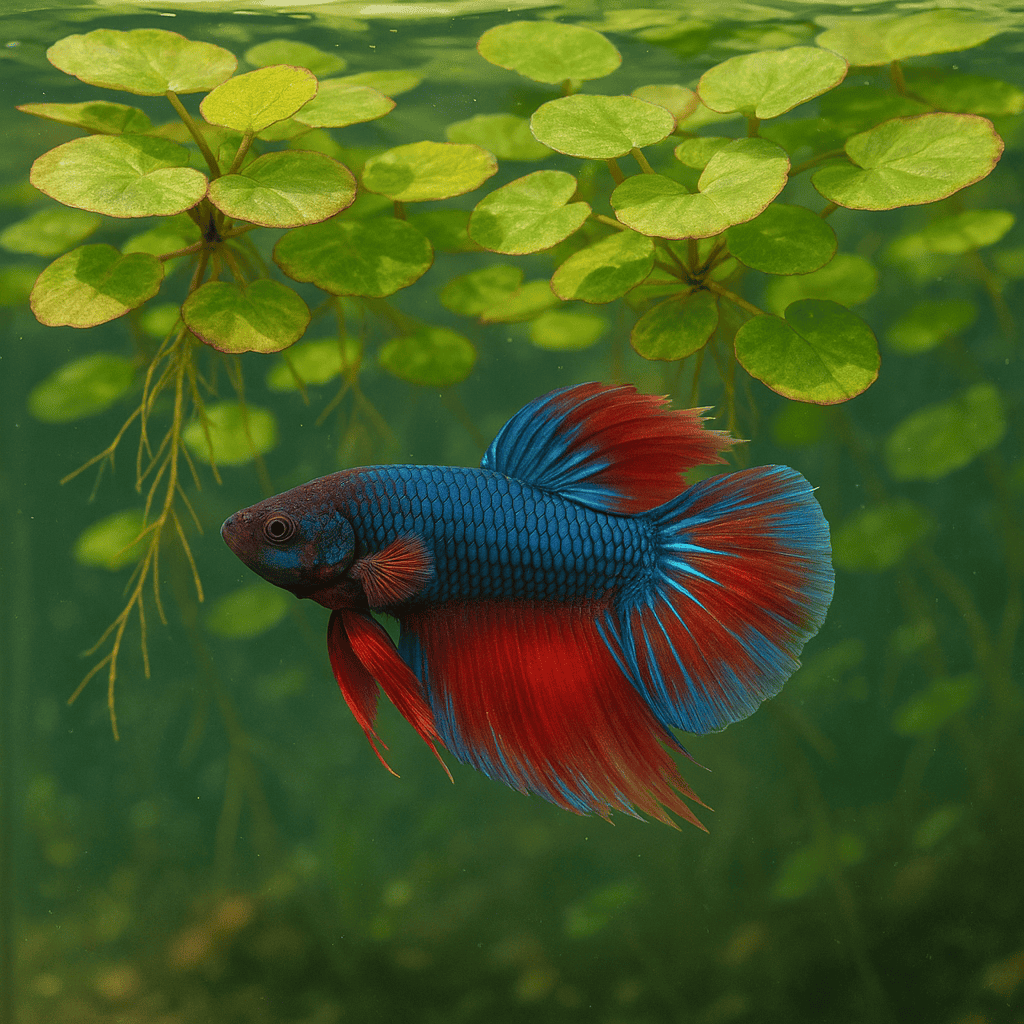
A selection of ideal floating plants can greatly enhance the environment for your betta fish, promoting both their well-being and natural behaviors. Amazon Frogbit is excellent, offering a canopy that minimizes water surface movement, which is essential for bubble nest construction. Water Lettuce, with its rosette-shaped leaves, provides shade and cover, creating a more natural environment.
For rapid growth and effective surface plant coverage, Duckweed excels, absorbing excess nutrients while encouraging nesting behaviors. Diminutive plants like Salvinia are another low-maintenance option that softens the water surface, enhancing security for your bettas. Finally, Red Root Floaters not only add aesthetic appeal with their vibrant roots but also serve as a superb nesting substrate, reducing surface agitation and supporting bubble nest development. I’ve found that combining these options maximizes plant coverage and visual appeal.
Benefits for Betta Habitats
While it’s easy to overlook the impact of aquatic plants, their integration into a betta fish habitat offers numerous benefits that can greatly enhance your fish’s quality of life. Floating plants like Amazon Frogbit and Water Lettuce provide essential cover, reducing stress and mimicking their natural habitat. They also serve as natural anchors for bubble nests, which are vital for breeding.
Additionally, these plants improve water quality by absorbing excess nutrients and curbing algae growth. The dense foliage creates safe environments, allowing betta fish to exhibit natural behaviors. Rapid growers like Duckweed and Red Root Floaters enhance oxygenation and surface coverage, supporting a balanced ecosystem. When I introduced these submerged plants alongside floating ones, I saw a marked improvement in my betta’s activity and color.
Benefits of Floating Plants
Floating plants offer significant benefits for betta fish, primarily by enhancing their sense of security and improving water quality. By mimicking their natural environment, these plants reduce stress and encourage natural behaviors, like bubble nesting. Additionally, they help maintain a balanced ecosystem by absorbing excess nutrients, which ultimately leads to a healthier tank. I’ve noticed that a well-chosen, healthy plant lineup can make all the difference in tank stability.
Enhances Betta Security
When I introduce floating plants alongside other aquarium plants into a betta fish tank, I greatly enhance their sense of security. These plants create an essential layer of cover that mimics the natural habitats of bettas, reducing stress and allowing them to thrive.
The dense foliage of species like Amazon Frogbit and Water Lettuce provides ideal hiding spots, enabling bettas to retreat from perceived threats. This security encourages natural behaviors, including bubble nesting and breeding activities, as your bettas feel safe in their environment. Additionally, the presence of artificial plants can complement live flora by providing consistent cover during maintenance. Overall, these factors considerably improve the well-being of your betta fish.
Improves Water Quality

Incorporating floating plants and submerged plants into a betta fish tank greatly enhances water quality by effectively managing nutrient levels. These plants absorb excess nutrients, like nitrates, which help maintain a balanced environment. By competing for resources, floating plants limit algae growth, improve water clarity, and reduce the need for frequent water changes. Additionally, they enhance oxygenation through photosynthesis, which is essential for the health of your bettas and the overall ecosystem.
The shade and cover provided by these plants can also lower stress levels in bettas, encouraging natural behaviors and contributing to a healthier environment. Furthermore, the decaying organic matter from these plants serves as a food source for beneficial microorganisms, improving biological filtration and further optimizing water quality. I often supplement with fake plants to ensure there’s always adequate cover, especially when live plants are being trimmed.
Maintenance Tips for Floating Plants
Regular maintenance is key to keeping your floating and artificial plants thriving in a betta fish aquarium. Floating plants help improve water quality, but you need to monitor water parameters closely. I suggest checking nutrient levels and pH regularly to guarantee ideal growth. Balanced lighting is vital; adequate light promotes vigorous growth and maintains the overall health of your plants.
Regular trimming is essential to prevent overgrowth that can hinder water circulation and light penetration for other species in the tank. Adjust the number of floating plants based on your tank size and fish activity to maintain clear water for gas exchange. I’ve learned to watch for pests and yellowing leaves during inspections to keep a healthy aquarium environment for both live and artificial plants.
Surface Blockers for Bubble Nesting
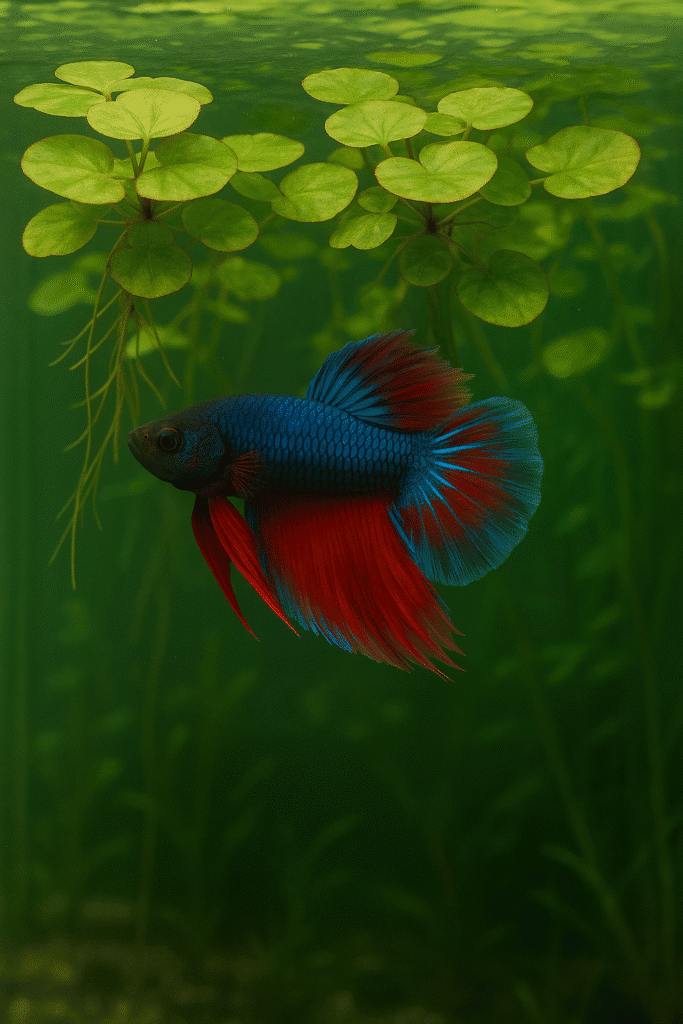
Floating plants not only enhance the aesthetic of your betta fish aquarium but also serve a practical purpose by providing an excellent environment for bubble nesting. To create a stable nesting area, consider using surface blockers. These can greatly reduce water agitation, allowing your betta to focus on bubble nest construction. Here’s a quick overview of effective surface blockers:
| Surface Blocker | Description | Benefits |
|---|---|---|
| Airline Tubing | Large ring to stabilize bubbles | Reduces disruption |
| Feeding Rings | Designed for feeding, doubles as nesting area | Provides a secure location |
| Suction Cup Leaves | Betta hammocks that minimize surface movement | Offers a reliable nesting spot |
Water Movement and Environmental Factors
While many aquarium enthusiasts may overlook the importance of water movement, I’ve learned that understanding its impact on betta fish is essential for fostering a suitable environment for bubble nesting. Betta splendens thrive in calm waters; excessive surface agitation disrupts their bubble nests, making it challenging for them to secure their breeding structures.
Consequently, I position filters to minimize disturbance, allowing floating plants to aid in creating a tranquil atmosphere. Monitoring water parameters, including flow rate, guarantees ideal conditions for these fish. Soft water, often achieved with Indian almond leaves, further enhances their nesting behavior. By controlling water movement and maintaining a natural environment, we can considerably improve the chances of successful bubble nesting for our beloved bettas.
Natural Leaf Options and Usage
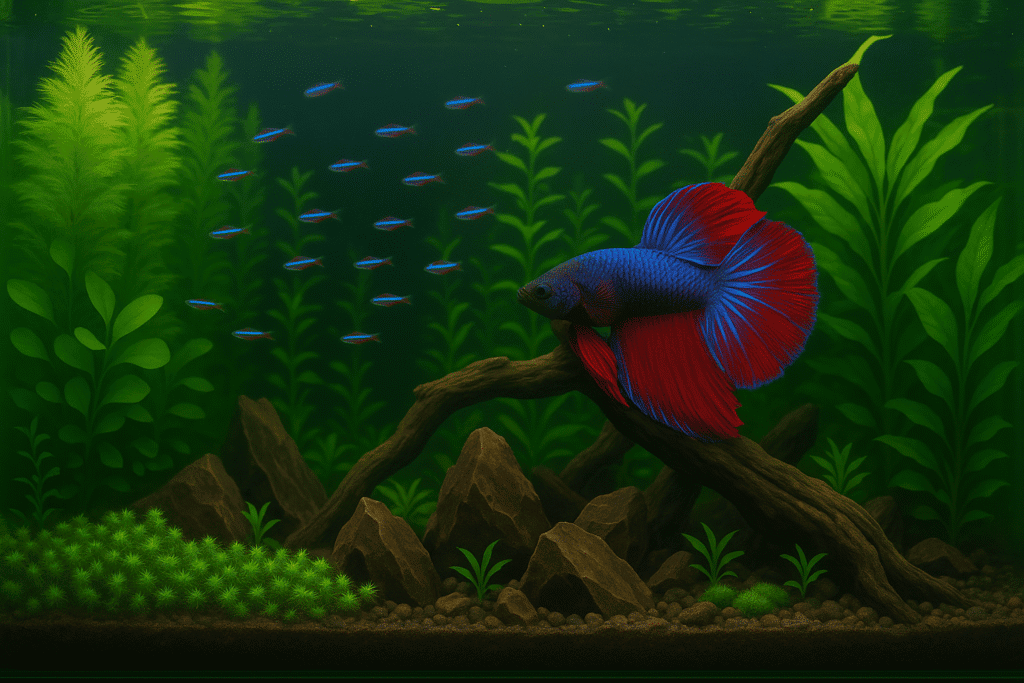
When contemplating natural leaf options for betta fish, Indian almond leaves (IAL) stand out as a top choice due to their ability to release beneficial tannins that enhance water quality and simulate a betta’s natural habitat. Other feasible options include leaves from non-toxic trees like maple and oak, which I clean and dry before use. It’s crucial to collect these leaves from safe environments to avoid harmful chemicals. Regular checks guarantee leaves remain healthy and safe. Using these natural leaves enriches my betta’s environment and well-being.
Bubble Nesting Behavior and Materials
Understanding betta fish behavior reveals their fascinating bubble-nesting instinct, which plays an important role in their breeding process. I find that bettas exhibit bubble nesting behavior by creating nests of bubbles at the water surface, often using floating plants and leaves as anchor points.
The inclusion of Indian almond leaves (IAL) can enhance this behavior, providing both structural materials and beneficial tannins that improve water quality. Additionally, maintaining minimal surface movement is vital, as disturbances can disrupt the nests. Floating plants, like water lettuce or pennywort, stabilize the water surface and promote ideal conditions for bubble nest construction. By experimenting with various natural materials, bettas can better express their breeding readiness, ensuring a successful nesting environment.
Tips for Using Airline Tubing and DIY Solutions
Creating an ideal bubble-nesting environment for betta fish can be greatly enhanced with the use of airline tubing. By shaping the tubing into rings or arches, I can create stable surfaces that minimize surface movement, allowing my betta to focus on nesting.
Secure the tubing with suction cups or weights to keep it submerged.
Use gel super glue to bond segments, customizing designs to fit my aquarium.
Regularly check the stability of the structure, as currents can shift it.
Experiment with configurations to best adapt to my betta’s behaviors.
These tips guarantee a comfortable, nurturing environment, promoting the natural bubble-nesting behavior that’s essential for their well-being and happiness.
Conclusion
Incorporating floating plants into your betta fish tank isn’t just an aesthetic choice; it’s essential for their well-being. These plants provide natural anchors for bubble nests, promoting healthy breeding behaviors. By selecting the right species and maintaining them properly, you can create an ideal environment for your betta to thrive.
Remember to contemplate water movement and surface blockers, ensuring even fake plant placement does not disrupt nesting, providing your betta with the perfect setting to express its natural instincts. I hope this guidance helps you achieve a harmonious aquascape.