In my experience, maintaining ideal water chemistry for bettas involves closely monitoring ammonia, nitrite, and nitrate levels. Ammonia should be at 0.0 PPM; even 0.25 PPM can harm your fish. Nitrites should also be at 0.0 PPM, as levels above 1 PPM can be fatal.
For nitrates, aim for 20 PPM or lower. Regular testing and water changes are essential for keeping these levels safe. Let’s explore how to enhance your tank’s health further.
Understanding Ammonia in Betta Tanks
When considering a healthy environment for bettas, ammonia levels immediately come to mind. Ammonia is highly toxic, and keeping it at 0.0 PPM is vital to guarantee betta health and well-being. Even levels as low as 0.25 PPM can be harmful, so regular tank maintenance is essential. Ammonia originates from fish waste, uneaten food, and decaying plant matter, making vigilance even more important.
The nitrogen cycle plays a significant role in managing ammonia, as beneficial bacteria convert it into less harmful substances. Test kits can consistently monitor ammonia levels and prevent potential spikes, especially during the cycling process, which can lead to serious health issues for bettas if not addressed promptly. This is particularly important for bettas due to their unique labyrinth organ, which allows them to breathe atmospheric air but makes them sensitive to poor water quality.
The Importance of Nitrite Monitoring
After ensuring ammonia levels are under control, attention shifts to monitoring nitrite levels in betta tanks. Maintaining nitrite levels at 0.0 ppm is vital, as even minor concentrations can cause significant health issues. Here’s what to focus on:
- High nitrite levels (above one ppm) can be fatal.
- Symptoms of nitrite toxicity include lethargy and difficulty swimming.
- Regular water testing is essential during cycling or after overfeeding.
- Beneficial bacteria must thrive to convert nitrites to less harmful nitrates.
- Consistent water changes (at least 25% weekly) are necessary to manage nitrite levels effectively.
Nitrate Management for Betta Health
Maintaining ideal nitrate levels is vital for the health of bettas, and keeping them at 20 PPM or lower is recommended. Regular water changes, typically 30% weekly, are essential in managing nitrate levels and enhancing water quality. Live plants can also be incorporated into tanks, which naturally absorb nitrates, creating a more enriching habitat.
| Nitrate Level (PPM) | Effect on Bettas |
|---|---|
| 0-20 | Best health |
| 21-40 | Possible stress |
| Above 40 | Lethargy and poor appetite |
Testing nitrate levels regularly with aquarium kits ensures the best conditions for bettas, preventing stress and disease susceptibility. This is especially important when considering tank mates, as multiple fish produce more waste and can increase nitrate levels more quickly.
The Nitrogen Cycle Explained
Understanding nitrate management is just one aspect of maintaining a healthy environment for bettas; the nitrogen cycle is the underlying process that makes this possible. This biological cycle ensures that harmful ammonia transforms into less toxic forms, safeguarding fish.
- Beneficial bacteria convert ammonia from waste into nitrites
- Another bacteria species then converts nitrites into nitrates
- Ammonia levels above 0.0 ppm are toxic, while nitrites at 0.5 ppm can be fatal
- The cycling process typically spans 4-8 weeks, requiring regular testing of water parameters
- Nitrates should remain below 20 ppm, managed through water changes or live plants
Signs of Water Quality Issues in Bettas
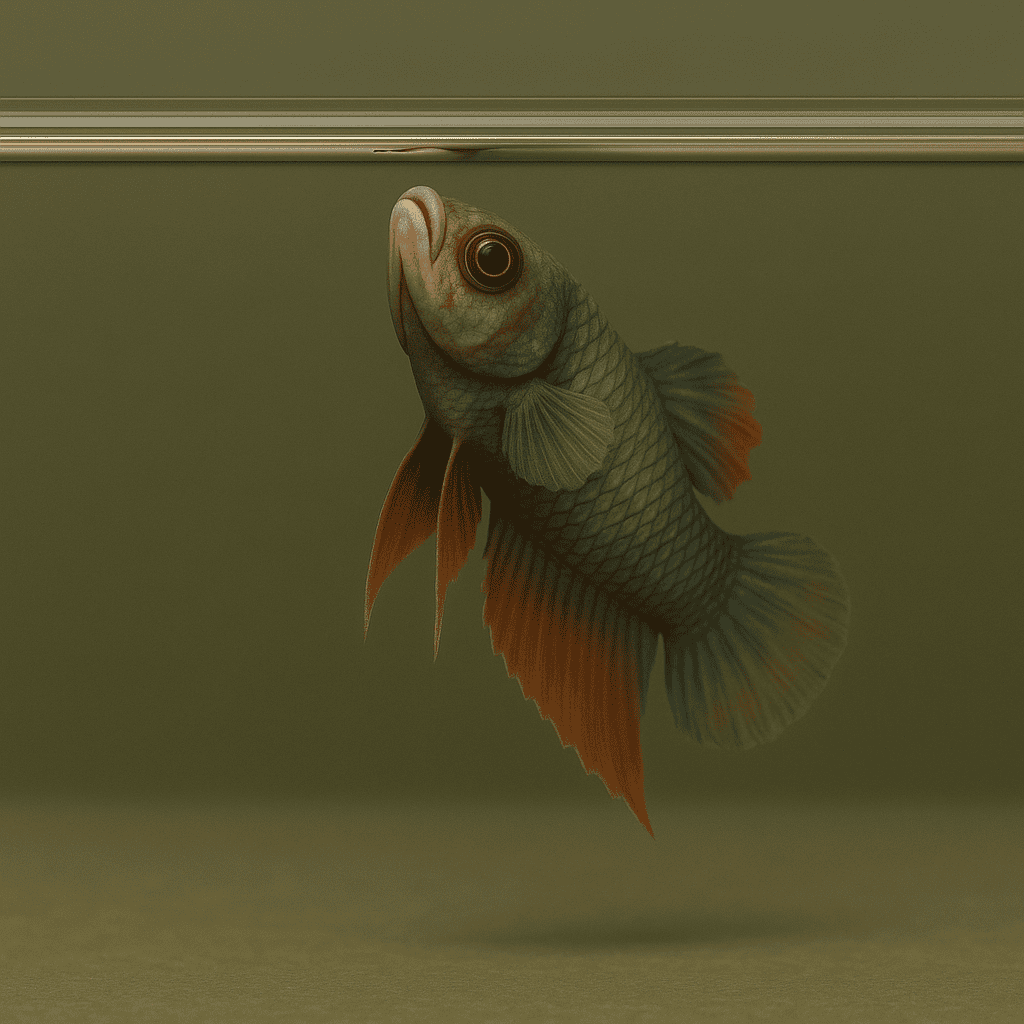
While keeping an eye on bettas, signs of water quality issues can manifest in various ways, often indicating underlying problems that need immediate attention. High ammonia levels can cause stress, lethargy, and even death, so consistently testing for readings above 0.0 PPM is important. If bettas are noticed gasping at the surface or struggling to swim, it’s likely due to elevated nitrites, which are toxic above 0.0 PPM.
Additionally, ragged fins or discoloration may suggest fin rot, exacerbated by poor water quality. Keeping nitrate levels below 20 PPM through regular water changes is also important, as elevated nitrates can lead to long-term health issues. Observing these signs ensures effective betta fish care and a healthier environment.
Regular Testing and Maintenance Practices
To guarantee a thriving betta ecosystem, prioritizing regular testing of water parameters is essential, ideally every few days during the cycling phase and weekly thereafter.
The critical role of consistent water changes, typically 25-50% weekly, helps mitigate harmful chemical buildup. Finally, maintaining and calibrating testing equipment is important, as accurate readings are essential for effective maintenance practices.
Testing Frequency Recommendations
Regular testing of water parameters is essential for maintaining a healthy environment for betta fish. Establishing a consistent testing frequency helps safeguard their well-being. Here are some key practices:
- Test ammonia and nitrite levels daily during cycling or when introducing new fish.
- Conduct weekly tests for ammonia, nitrite, and nitrate levels.
- If nitrite exceeds 0.5 ppm, perform a 25-50% water change immediately.
- Use a reliable test kit designed for accurate readings in freshwater aquariums.
- Keep nitrate levels under 20 ppm to prevent health issues.
Importance of Water Changes
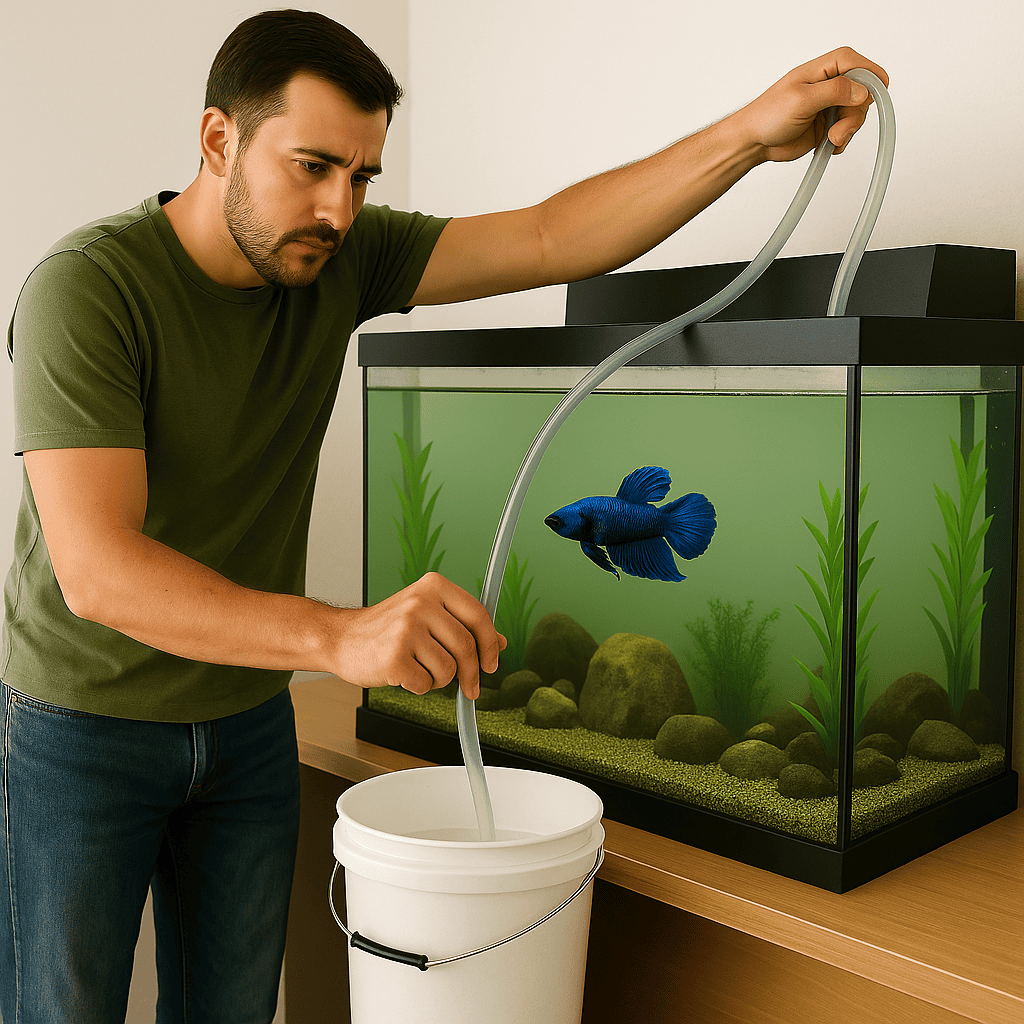
Understanding the significance of water changes is crucial for maintaining a stable environment for betta fish. Regular water changes of 25-50% weekly are essential in managing ammonia and nitrite levels, preventing harmful spikes that could jeopardize fish health. Testing water parameters every few days is recommended, especially during cycling or after changes, to verify ammonia and nitrite levels remain at 0.0 PPM.
Even minimal amounts can induce stress or illness. Additionally, keeping nitrate levels below 20 PPM is imperative for overall well-being. Always use a water conditioner during changes to eliminate harmful chemicals, ensuring that tap water is safe for bettas. Consistent maintenance practices truly make a difference in promoting a thriving aquatic environment.
Monitoring Equipment Maintenance
Maintaining a stable environment for betta fish goes beyond just water changes; it also involves diligent monitoring of water parameters. Regular testing is essential to prevent toxic spikes in ammonia and nitrites. Here’s how to ensure ideal conditions:
- Use reliable test strips or liquid kits to check parameters every few days during the cycling process and weekly afterward.
- Keep an eye on ammonia and nitrite levels, aiming for 0.0 PPM and nitrate below 20 PPM.
- Regularly clean and maintain sponge filters to support beneficial bacteria without over-cleaning
- Perform weekly water changes of 25-50%, adjusting based on test results.
- Always condition replacement water to eliminate harmful chemicals before adding it to the tank
This proactive approach keeps bettas thriving.
Steps to Improve Water Chemistry
To improve water chemistry effectively, focusing on regular water changes and vigilant monitoring of key parameters is important. Aiming for ammonia and nitrite levels to stay at 0.0 PPM while keeping nitrates around 20 PPM is recommended. By implementing these steps, a healthier environment for bettas is ensured.
Regular Water Changes
While managing a betta’s water chemistry, regular water changes play an essential role in maintaining a healthy environment. Performing 25-50% water changes weekly helps keep ammonia and nitrite levels at 0.0 PPM. Here are some key steps to follow:
- Use a water conditioner to detoxify tap water
- Monitor water parameters with an aquarium test kit
- Increase water changes to 50% or more when treating conditions like fin rot
- Adjust the frequency and volume of changes based on test results
- Ensure timely interventions to protect bettas from toxic spikes
Monitor and Test Levels
Testing water parameters is essential for ensuring a stable environment for bettas. Regularly using an aquarium test kit to check ammonia, nitrite, and nitrate levels, aiming for ammonia and nitrite at 0.0 PPM and nitrate below 20 PPM is recommended. Weekly water changes of up to 30% help reduce harmful ammonia and nitrite while stabilizing nitrate levels.
Relying on a water conditioner like Prime during these changes helps detoxify any ammonia present. Monitoring the cycling process is vital; verifying zero ammonia and nitrite levels and utilizing products like Dr. Tim’s Aquatics Ammonium Chloride promotes beneficial bacteria. Finally, always test replacement water for toxins to safeguard betta health.
Utilizing Live Plants for Better Water Quality

Incorporating live plants into a betta tank not only enhances its aesthetic appeal but also serves as an important strategy for improving water quality. These plants act as natural filters, absorbing nitrates and reducing ammonia and nitrite levels. Here’s how they contribute:
- Java Fern, Anubias, and Amazon Swords thrive in varying light conditions
- They provide hiding spots, promoting stress reduction for bettas
- Healthy plants support beneficial bacteria, breaking down harmful substances
- Increased oxygenation from plants is crucial for the overall health of tank inhabitants
- Regular maintenance and trimming prevent decay, helping to stabilize water parameters
Conclusion
In summary, maintaining ideal water chemistry is essential for the health and well-being of bettas. By understanding ammonia, nitrite, and nitrate levels, a stable environment can be ensured. Regular testing and employing effective maintenance practices will help prevent water quality issues.
Don’t forget to consider adding live plants, as they can enhance water quality naturally. By taking these steps, a thriving habitat for bettas is created, promoting a longer, healthier life.