Digital water testing systems are essential for maintaining ideal conditions in betta tanks. They allow fish farming enthusiasts to monitor key parameters like pH, ammonia, nitrite, and nitrate levels in real time. With their user-friendly designs and automatic alerts, aquarists can quickly address any fluctuations that may stress my bettas.
These systems not only streamline maintenance routines but also enhance the overall health of the fish. Discover how to choose the right system for your setup.
Understanding the Importance of Water Quality in Betta Tanks
When I think about the fish health of the Betta, it’s clear that maintaining ideal water quality is non-negotiable. The pH levels should stay within the 6.5 to 7.5 range to guarantee my Betta thrives. Regular monitoring of ammonia levels, nitrite, and nitrate is crucial to prevent toxic conditions that could stress the fish.
I’ve learned that fluctuations can occur due to fish waste or water additives, making consistent checks essential for stability. Using reliable testing kits and digital tools like pH meters guarantees I get accurate readings, allowing for timely adjustments. Ignoring water quality can lead to diseases and abnormal behaviors, emphasizing the significance of a healthy aquatic environment for my Betta’s well-being.
Overview of Key Water Parameters to Monitor
Maintaining a healthy environment for the Betta fish goes beyond just checking the pH levels. Aquarists need to monitor several key water parameters to guarantee their well-being. The pH should ideally range from 6.5 to 7.5 for peak comfort. Ammonia and nitrite levels must remain near zero since even slight elevations can be toxic.
Additionally, I keep nitrates below 20 ppm to maintain ideal water conditions. Dissolved oxygen is essential, as Betta fish thrive in well-oxygenated water. Finally, temperature control is critical; it is best to aim for a range of 76°F to 82°F (24°C to 28°C) to support their metabolism. Using a reliable monitoring system helps me track these parameters consistently, preventing stress and health issues for my Betta.
Benefits of Digital Water Testing Systems
Digital water testing systems offer significant advantages for monitoring the aquatic environment in my Betta tank. With real-time readings for pH, ammonia, nitrite, and nitrate levels, I can make immediate adjustments to guarantee ideal conditions for my fish. Unlike traditional pH test kits, these systems provide reliable results effortlessly. They often feature multifunctional capabilities, allowing for a thorough water quality assessment, including TDS and temperature, all in one device.
The user-friendly designs, with large backlit LCD screens, make it easy to read results, even in low light. Plus, automatic calibration and data logging enhance accuracy and promote continuous monitoring. Overall, these systems simplify water quality management, making them perfect for both beginners and seasoned aquarists.
How Digital Systems Work: Sensors and Real-Time Monitoring
Understanding how digital water testing systems function is essential for optimizing the health of the Betta tank. These systems utilize sensors to continuously measure critical parameters like pH, temperature, and ammonia levels in real-time. By employing advanced technologies such as electrical conductivity and optical measurement, these sensors deliver accurate readings, ensuring I stay informed about the tank’s water quality.
The real-time monitoring feature sends immediate alerts through connected apps when any parameter falls outside the desired range, allowing aquarists to take prompt corrective actions. Additionally, many digital systems include automated calibration processes, maintaining sensor accuracy without frequent manual adjustments. With some models integrating with smart home systems, aquarists can monitor my Betta tank effortlessly from anywhere.
Top Digital Water Testing Systems for Betta Tanks

When it comes to ensuring the health of my Betta tank, choosing the right water testing system has become an essential decision. Here are my top three digital water testing systems that I find invaluable:
VIVOSUN Digital pH and TDS Meter: This multifunctional tool measures pH, TDS, and temperature, ensuring excellent water quality for my Betta fish.
TEKCOPLUS Fish Tank pH Monitor: It offers real-time pH and temperature readings with automatic compensation, helping me maintain stable water parameters effortlessly.
Apera Instruments Automated Monitoring Systems: Known for auto-calibration and long battery life, this system provides consistent, accurate data, preventing harmful fluctuations in water quality.
Investing in these digital water testing solutions has transformed my Betta tank management, ensuring a healthier environment for my fish.
Factors to Consider When Choosing a Digital Testing System
Choosing the right digital testing system for the Betta tank involves careful consideration of several key factors. Accuracy is paramount; many prefer devices like the VIVOSUN Digital pH and TDS Meter for precise readings. Ease of use is also vital, so many appreciate systems such as the TEKCOPLUS Fish Tank pH Monitor that offer automatic temperature compensation and simple calibration.
Battery life matters, too; the APERA Digital Fish Tank pH Tester impresses with up to 2000 hours of usage, minimizing replacements. Portability is essential for on-the-go monitoring, making lightweight options like the HoneForest Water Quality Tester ideal. Finally, it is important to evaluate multifunctionality—digital testers that measure pH, TDS, and temperature provide extensive solutions for maintaining ideal Betta tank conditions.
Establishing a Routine for Water Testing
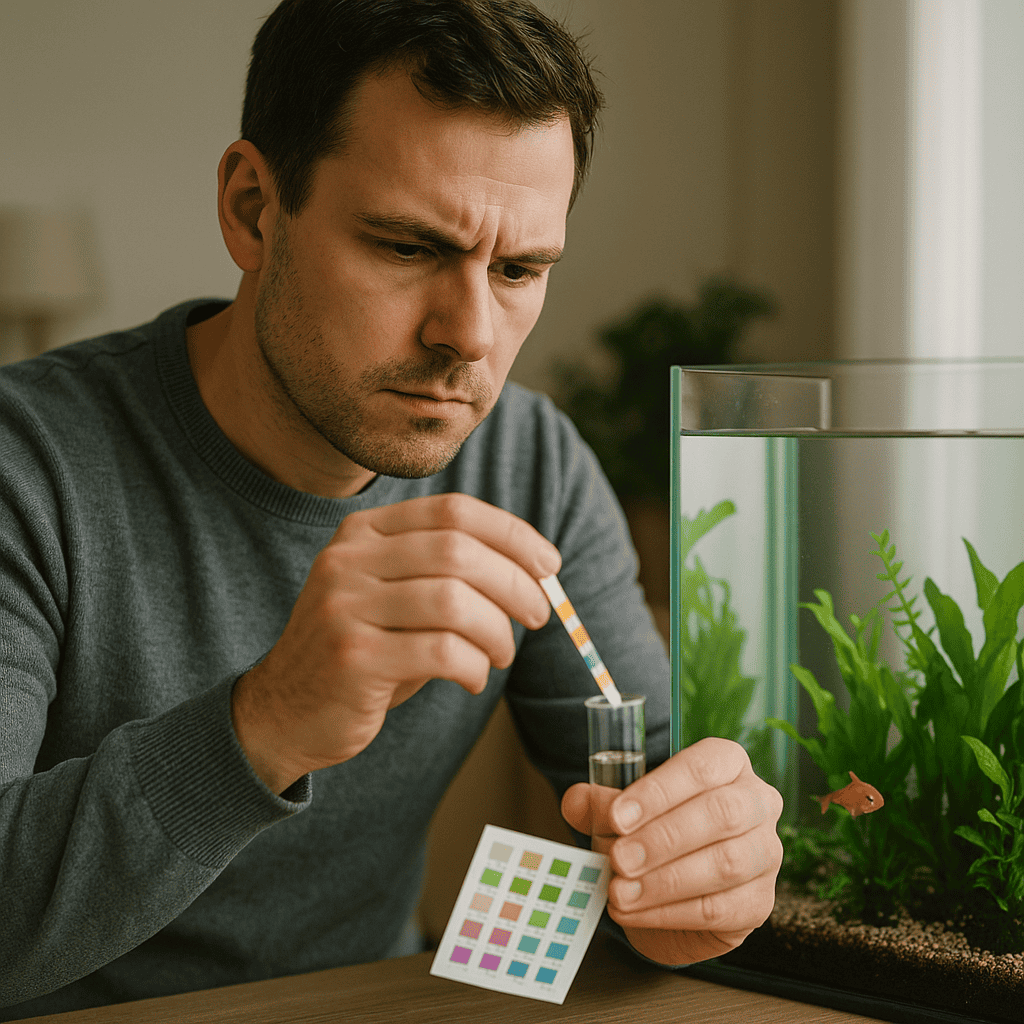
To keep the Betta thriving, I’ve found that testing the water at least once a week is essential, especially after adding new fish or plants. Aquarists focus on key parameters like pH, TDS, and temperature to guarantee ideal conditions. By establishing this routine, aquarists can quickly identify any fluctuations that may affect the fish’s health.
Frequency of Testing
Although establishing a routine for water testing might seem tedious at first, it’s essential for maintaining a healthy environment in your betta tank. To guarantee your fish thrive, I recommend the following frequency of testing:
Weekly Tests: Check aquarium water parameters at least once a week to catch any potential issues early.
New Introductions: Test immediately after adding new fish or plants, then continue weekly to monitor changes.
Post-Treatment: Conduct tests after administering any medications to verify the tank’s overall health hasn’t been compromised.
Essential Parameters to Monitor
Monitoring specific water parameters is vital for the health and well-being of your betta fish. Aquarists focus on maintaining a pH range of 6.5 to 7.5, as fluctuations can stress the fish and increase disease risks. Regularly conducting an ammonia test and nitrite test is important; it is best to aim for safe levels of 0 ppm for both.
Nitrate levels should remain below 20 ppm to guarantee ideal water conditions. Many find that using a digital water testing kit is an important tool, providing accurate readings with features like auto-calibration. Establishing a routine of weekly checks, especially after introducing new fish or plants, helps me track changes over time and make informed decisions for effective fish care.
Tips for Effective Monitoring and Maintenance
Guaranteeing your betta fish thrive requires a commitment to regular and precise monitoring of water quality. As an aquarium owner, I’ve found that effective maintenance hinges on a few essential practices:
Test Weekly: Regularly check pH, ammonia, and nitrite levels. Aim for a pH between 6.5 and 7.5 to maintain ideal water conditions.
Utilize Digital Testers: Tools like the VIVOSUN Digital pH and TDS Meter Kits offer accurate readings and ease of use, streamlining the monitoring process.
Keep Equipment Clean: Make sure your digital testers are calibrated and clean. Inaccurate measurements can stress my Betta and lead to poor water quality.
Enhancing Betta Health Through Technology
When it comes to enhancing betta health, accurate water quality testing is essential. Many find that real-time monitoring solutions not only simplify maintenance practices but also help me maintain ideal conditions for the fish. By leveraging technology, aquarists can guarantee my bettas thrive in a stable and healthy environment.
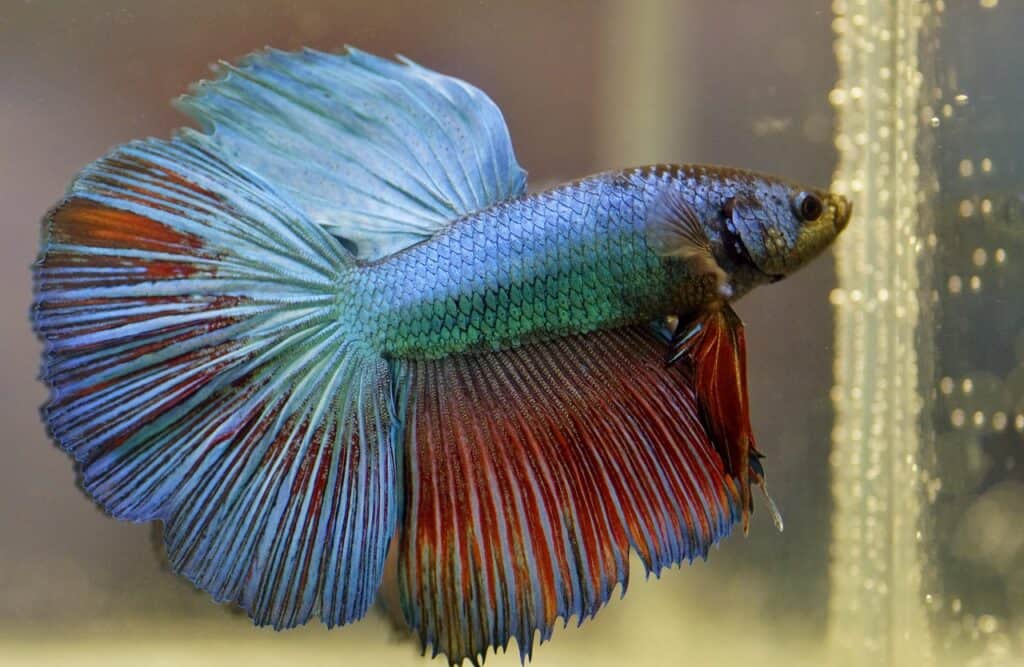
Accurate Water Quality Testing
Accurate water quality testing is vital for maintaining the health of betta fish, as even slight fluctuations in their environment can lead to stress or illness. By utilizing digital testers, I can guarantee ideal conditions through precise measurements. Here are three key benefits of accurate water quality testing:
Reliable Measurements: Digital testers provide accurate readings of water quality parameters like pH, TDS, and temperature, essential for bettas thriving in a pH range of 6.5 to 7.5.
User-Friendly Design: Many testers feature backlit LCD displays, making it easy to monitor water conditions and ensuring a stable aquatic environment.
Consistent Monitoring: Regular use of these monitoring systems helps track the health of the tank, preventing potential health issues and promoting a thriving habitat for my bettas.
Real-Time Monitoring Solutions
Maintaining ideal water quality goes beyond periodic testing; it involves continuous monitoring to safeguard the well-being of my bettas. Real-time monitoring solutions equipped with digital sensors track critical water parameters like pH, temperature, ammonia, nitrite, and nitrate levels. These automated monitoring systems send alerts directly to my smartphone, allowing for immediate action if water quality deteriorates, thereby enhancing my bettas’ health.
Furthermore, many advanced tools feature data logging capabilities, helping me analyze historical trends in water quality over time. With Wi-Fi connectivity, aquarists can monitor the tank remotely, which is invaluable for my busy schedule. Ultimately, these digital solutions provide precise readings and help maintain stable conditions, reducing risks associated with human error in caring for my cherished bettas.
Simplified Maintenance Practices
To simplify maintenance practices in my betta tank, aquarists rely on technology that enhances both efficiency and accuracy. Digital water testing tools are game-changers for maintaining ideal conditions for the Betta fish. Here are three key benefits I experienced:
Real-time Measurements: Tools like the VIVOSUN Digital pH and TDS Meter provide immediate readings of pH levels and TDS, ensuring stable water quality.
Automated Monitoring: Systems alert me to fluctuations in water quality, reducing stress on my Betta fish by addressing issues quickly.
User-Friendly Features: Backlit displays and auto-lock functions make it easy to record data accurately during maintenance routines.
Incorporating these technologies not only streamlines my maintenance efforts but also promotes a healthier aquatic environment for my Betta fish.
Conclusion
In summary, investing in digital water testing systems for my betta tank not only simplifies monitoring but also guarantees a healthier environment for your fish. By keeping a close eye on key water parameters, you can promptly address any issues that arise.
Embracing this technology allows you to maintain ideal conditions, enhancing your Betta’s well-being and health. With regular testing and proper maintenance, you’ll create a thriving habitat for your aquatic companion.