Betta mahachaiensis is an enthralling betta species discovered in Thailand and one of the most captivating Wild Bettas, thriving in slightly brackish waters. These Fish exhibit stunning iridescent blue patterns against a darker background.
They prefer pH levels around 6.0 and temperatures between 75-85°F. Known for their aggression, males need solitary housing or can cohabit with multiple females. Their breeding habits involve constructing bubble nests, and they require specific environmental conditions for optimum health.
There’s much more to explore about their unique traits and conservation needs.
Overview of Betta Mahachaiensis
Betta mahachaiensis, which I find particularly fascinating, was discovered in 2012 in Thailand and belongs to the Betta splendens group, one of several species of Betta. This species stands out due to its preference for slightly brackish water, thriving in conditions with a pH of 6.0 and temperatures ranging from 75-85°F.
The males exhibit striking coloration, featuring iridescent blue patterns on a brown-black background, making them visually appealing. However, it’s essential to recognize that males can be quite aggressive, necessitating solitary housing or companionship with non-male bettas to mitigate territorial disputes.
Carnivorous Fish primarily consume live blackworms, frozen bloodworms, and specialized pellets, showcasing their dietary needs tailored for both brackish and freshwater environments.
Physical Characteristics and Distinguishing Features
The striking physical characteristics of the mahachaiensis species make it a unique addition to the Betta family; these Betta Fish also possess a labyrinth organ that allows them to breathe atmospheric air. I find its features particularly fascinating:
- Slender, elongated body: Reaching a maximum length of 5-6 cm (2-2.4 inches).
- Male-female coloration: Males exhibit iridescent green-blue patterns against a brown-black background, while females tend to be browner with hints of green.
- Distinct fins: Both genders have brown to black fins with iridescent green-blue membranes, enhancing their visual appeal.
- Distinguishing characteristic: The opercular membrane features two parallel iridescent vertical bars, and mature males boast notable red eyes and a spade-shaped tail, setting them apart from other Betta species.
These traits not only enhance their beauty but also contribute to their ecological niche.
Habitat and Environmental Requirements
Betta mahachaiensis has quite specific habitat requirements, often in peat swamps. This species flourishes in brackish water conditions, thriving at salinity levels between 1.1 to 10.6 ppt, with a preferred temperature range of 75°F to 85°F and a pH of around 6.0. Additionally, the natural environment features fine substrates and ample hiding spots, which are essential for their security and well-being.
Brackish Water Conditions
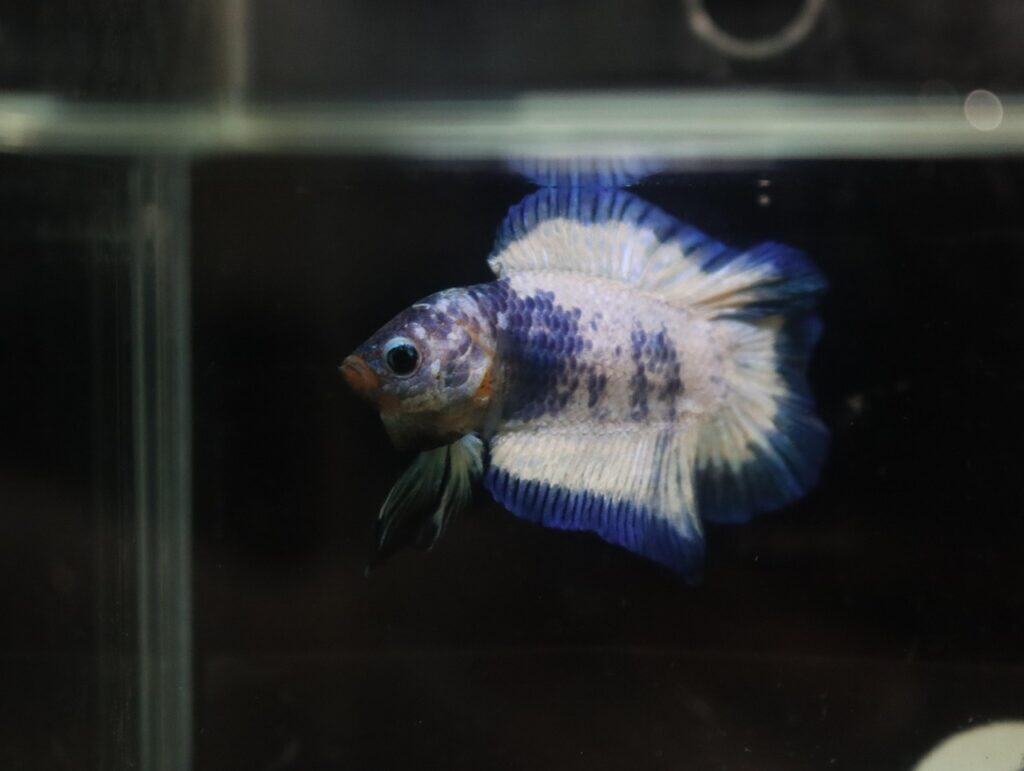
Brackish water conditions play a crucial role in the survival of Betta mahachaiensis, with salinity levels ranging from 1.1 to 10.6 ppt being fundamental for their well-being, as observed in species like Betta imbellis. To guarantee ideal water conditions in your aquarium, consider the following:
- Maintain total dissolved solids (TDS) between 60 – 200 mg/L.
- Keep the pH level around 6.0 to closely mimic their natural habitat.
- Create a well-planted aquarium with fine gravel or silica sand substrate for comfort.
- Provide plenty of hiding places to reduce stress and promote healthy, high-quality Fish.
- These factors collectively replicate the coastal swamps in which they thrive, supporting their overall health and vibrancy in captivity.
Temperature and Ph Levels
While keeping Betta mahachaiensis, you’ll want to guarantee their environment mimics their natural habitat as closely as possible, particularly regarding temperature and pH levels. The ideal temperature range is between 75-85°F, with better coloration observed at temperatures above 78°F.
These Fish thrive in slightly brackish water, preferring salinity levels from 1.1 to 10.6 ppt, which reflects their native habitat conditions similar to those of Betta smaragdina. Optimal water parameters include total dissolved solids (TDS) of 60-200 and a pH level of around 6.0. Their native habitat shows pH levels between 6.87 and 7.80, indicating a slight preference for acidic to neutral conditions.
Maintaining stable temperatures and water parameters is essential, as fluctuations can lead to stress and various health issues for Betta mahachaiensis.
Natural Habitat Features
Although Betta mahachaiensis is often found in aquariums, understanding its natural habitat in Southeast Asia is essential for successful care. This species thrives in the Mahachai region of Thailand, primarily inhabiting brackish waters rich in Nypa fruticans and dense vegetation. To replicate its environment effectively, consider these factors:
- Water Temperature: Maintain warm water temperatures between 75 to 85°F, ideally above 78°F for best coloration.
- pH Level: Guarantee a pH level between 6.0 and 7.8 to mimic its natural conditions.
- Total Dissolved Solids: Aim for a TDS range of 60 to 200.
Conservation Awareness: Recognize that urban expansion threatens these habitats, necessitating conservation efforts for Betta mahachaiensis.
Behavior and Temperament
Aggression and Territoriality
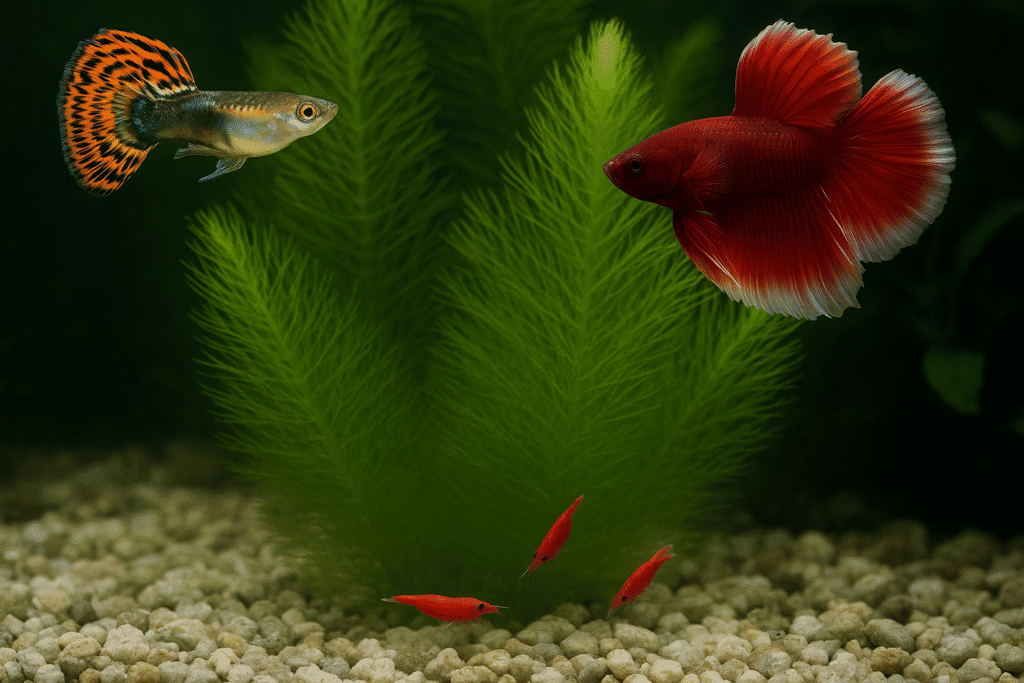
Understanding the aggression and territoriality of Betta mahachaiensis is essential for any aquarist looking to maintain a harmonious tank environment; unlike other fighting fishes, these Fish exhibit distinct behaviors that can affect their living conditions:
- Male Betta mahachaiensis display high aggression and should be housed alone or with non-male betta mates to prevent territorial disputes.
- Inadequately spaced planted community tanks, males can coexist with multiple females, which helps reduce stress.
- During breeding, males construct bubble nests and fiercely defend their territory from perceived intruders.
- Although males can engage in occasional territorial disputes, their overall temperament is relatively peaceful compared to other betta species, yet they remain sensitive to stress and may dart to dark corners when frightened.
Breeding and Nesting Behavior
Breeding and nesting behavior in Betta mahachaiensis is intriguing, especially given their unique bubble nester habits. Males construct bubble nests to attract females, and they can mate with multiple partners, allowing females to remain in the same tank during spawning, as seen in the Siamese Fighting Fish.
However, the male’s aggressive nature can lead to territorial disputes, so careful monitoring of community tanks is essential. After spawning, the fry is typically ignored by adult fish, which poses no threat to their survival. It’s worth noting that growth rates for Betta mahachaiensis are slower compared to common bettas, complicating gender identification until maturity.
Understanding these dynamics is vital for anyone looking to breed this enthralling species effectively and responsibly.
Breeding and Spawning Habits
While studying Betta mahachaiensis, I’ve observed that these Fish showcase fascinating bubble nester breeding behaviors, which share some similarities with Betta Immaculata. Their unique approach to spawning involves several key aspects:
- Males build bubble nests to attract females, enhancing their breeding behavior.
- During spawning, males often mate with multiple females within the same nest, maximizing reproductive success.
- Females can stay in the same tank as males, promoting a natural breeding environment.
- The fry produced is typically ignored by adult fish, markedly reducing predation risks.
It’s important to note that the growth rate of Betta mahachaiensis is slower than that of common bettas, making it take longer to identify the genders of the young. This adds an extra layer of intrigue to their breeding and spawning habits.
Care and Maintenance in Aquariums
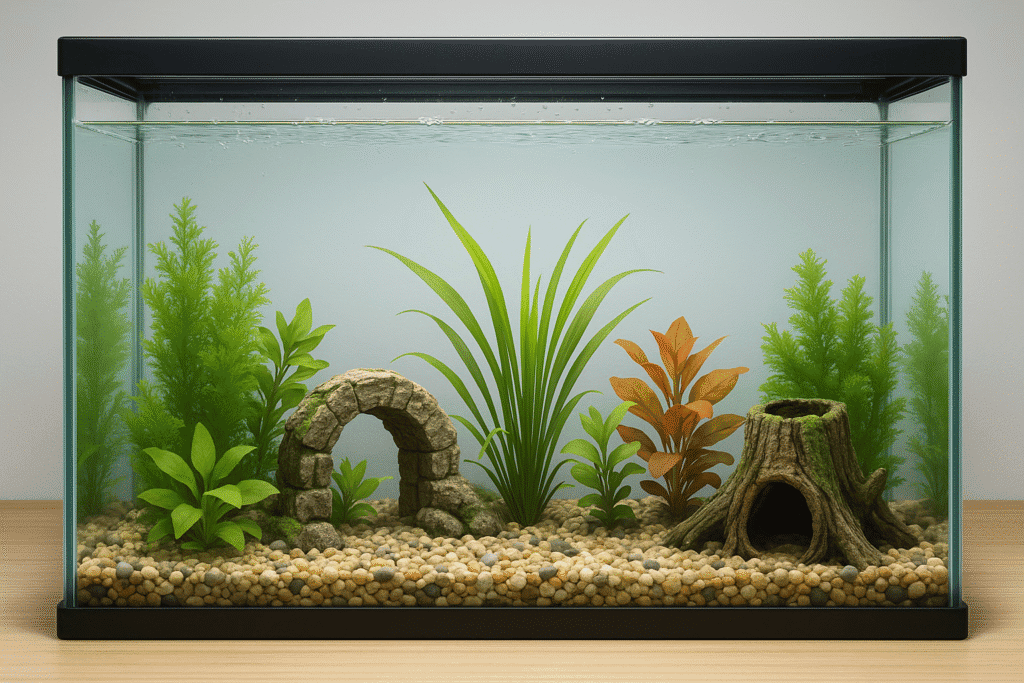
To guarantee the health and well-being of Betta mahachaiensis in an aquarium setting, it’s essential to replicate their natural habitat as closely as possible. A minimum tank size of 10 gallons is important, with slightly hard, slightly brackish water enriched with tannins.
Maintaining ideal water conditions is critical; aim for a TDS of 60-200, a pH around 6.0, and temperatures between 75-85°F to enhance coloration. Creating a well-planted environment with fine gravel or silica sand, along with ample hiding spots, reduces stress. Be aware of aggression; males should be housed alone or with non-male companions, while females can thrive in a community tank if space allows.
This knowledge is particularly valued in the aquarium hobby.
Diet and Feeding Preferences
Understanding the diet and feeding preferences of Betta mahachaiensis is vital for guaranteeing their ideal health and vibrant coloration. This carnivorous species of Fish thrives on a protein-rich diet that reflects their natural habitat. Here’s what I recommend for their diet:
Live blackworms: A primary food source that mimics their natural hunting behavior.
Frozen bloodworms: A convenient option that provides essential nutrients.
High-quality pellets: Confirm they are specifically formulated for carnivorous Fish to promote health.
Variety: Incorporating different food types helps replicate their feeding habits in brackish waters.
Maintaining regular feeding schedules and clean water conditions is vital for the well-being of Betta mahachaiensis, as it greatly affects their growth and overall health.
Conservation Status and Threats
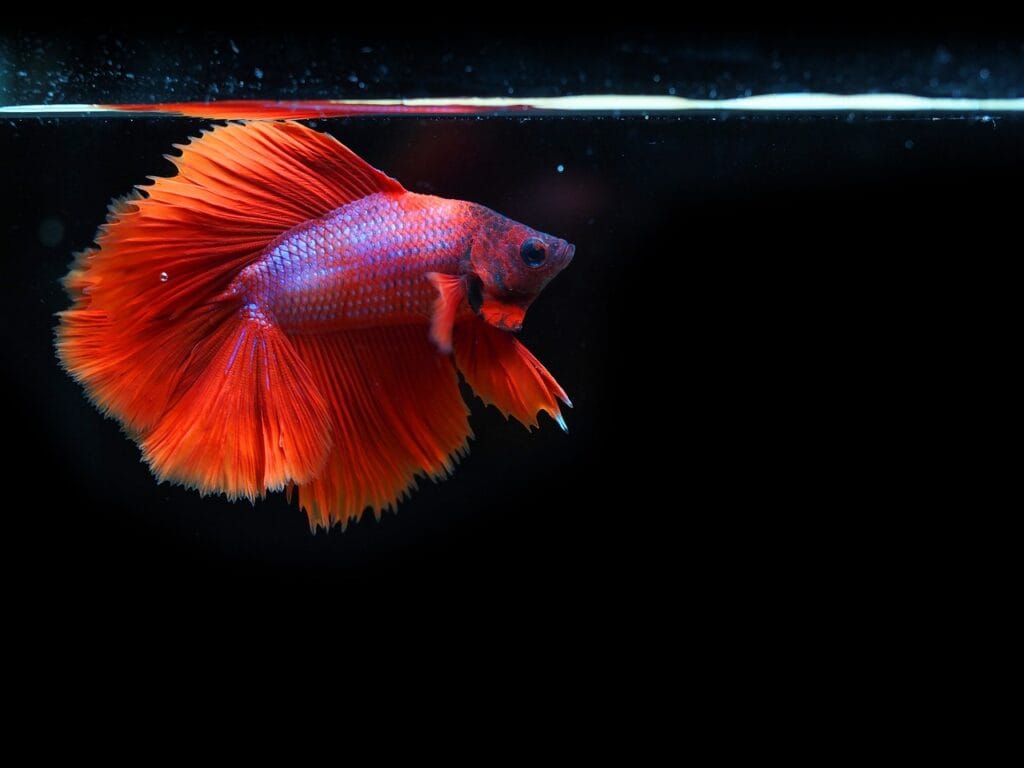
The health and vibrant coloration of Betta mahachaiensis are closely linked to their natural habitats, which are currently under threat. Urban expansion and commercial developments near Bangkok have led to significant habitat loss, particularly in peat swamps and rice paddies essential for their breeding environments.
Although the conservation status of Betta mahachaiensis remains unassessed, recent surveys indicate potential declines in local populations, highlighting its vulnerability. The species faces challenges due to its limited distribution and specific habitat requirements, which further jeopardize its population stability.
These factors underscore the urgent need for targeted conservation efforts to protect Betta mahachaiensis and its diminishing habitats, ensuring a sustainable future for this remarkable species of Betta coccina.
Community Engagement and Contributions
How can we foster a deeper connection with Betta mahachaiensis and its conservation needs? Engaging with fellow enthusiasts and researchers is essential for enhancing our understanding of this blackwater specialist. Here are some ways to contribute:
Share Insights: Discuss species identification and personal experiences, including comparisons with the Crescent Betta.
Log Inquiries: Contribute data on specific location codes to support research efforts.
Participate in Forums: Exchange care tips, breeding techniques, and habitat recommendations tailored to this species.
Gather Data: Engage in community initiatives that document the behavior and adaptability of Betta mahachaiensis in various community tank conditions.
Conclusion
In conclusion, Betta mahachaiensis stands out as a fascinating blackwater specialist, showcasing unique adaptations and behaviors reminiscent of the title once given to Betta splendens as the King of Siam. Its specific habitat requirements demand careful consideration for successful care in aquariums.
By understanding its breeding habits and dietary needs, we can better support this species in captivity. As conservation threats loom, it’s essential for enthusiasts and aquarists alike to engage in responsible practices, ensuring the survival of Betta mahachaiensis for future generations.