As temperatures drop in fall, I make certain to prepare my betta fish for winter by maintaining ideal tank conditions. I keep the water temperature stable between 75°F and 80°F and monitor pH and nitrate levels to guarantee a healthy environment. I also reduce feeding frequency and provide high-quality, protein-rich foods.
Enhancing their habitat with decorations to reduce stress is essential for a happy betta fish. If you want to explore more specific care tips for the winter, there’s plenty to discover.
Understanding Betta Fish Care
When caring for betta fish, it’s essential to understand their specific needs, especially during the winter months. A minimum tank size of 5 gallons is important to maintain stable tank water conditions and reduce stress, as well as to ensure plenty of space. Water temperature must stay between 75°F and 80°F, as colder temperatures can compromise their health.
I monitor ammonia to remain at 0.0 PPM and nitrates, ideally below 20 PPM, to avoid toxicity. Additionally, maintaining an ideal pH between 6.5 and 7.5 supports their overall well-being. I also provide hiding spots with decorations—including artificial plants—to help my bettas feel secure and minimize stress during this season.
Essential Tank Conditions for Winter
To guarantee your betta fish thrive during winter, I focus on maintaining essential tank conditions that support their health and well-being. Keeping stable water temperature between 75°F and 80°F is critical, as sudden drops can stress them. I verify water volume and confirm my aquarium heater is properly sized to eliminate cold spots.
Regularly testing water parameters—including pH levels between 6.5 and 7.5 and monitoring bacteria levels—is crucial for a healthy environment. I perform weekly water changes of 20–25% with dechlorinated water to maintain water quality and remove toxins. Using a reliable water conditioner to treat tap water is necessary, especially with seasonal changes in water supply treatments.
| Condition | Ideal Range | Importance |
|---|---|---|
| Water Temperature | 75°F–80°F (24°C–27°C) | Prevents stress |
| pH Levels | 6.5–7.5 | Guarantees healthy conditions |
| Ammonia Levels | 0 ppm | Protects betta health |
| Water Changes | 20–25% weekly | Maintains water quality |
Water Quality and Temperature Management
Maintaining a water temperature between 75°F and 80°F is essential to keep betta fish healthy during winter, as colder temperatures can stress them and weaken their immune systems. I regularly test water parameters like pH, ammonia, nitrite, nitrate, and bacteria levels to guarantee a stable environment. By doing this, I can prevent potential health issues and create the best habitat for my fish.
Ideal Temperature Range
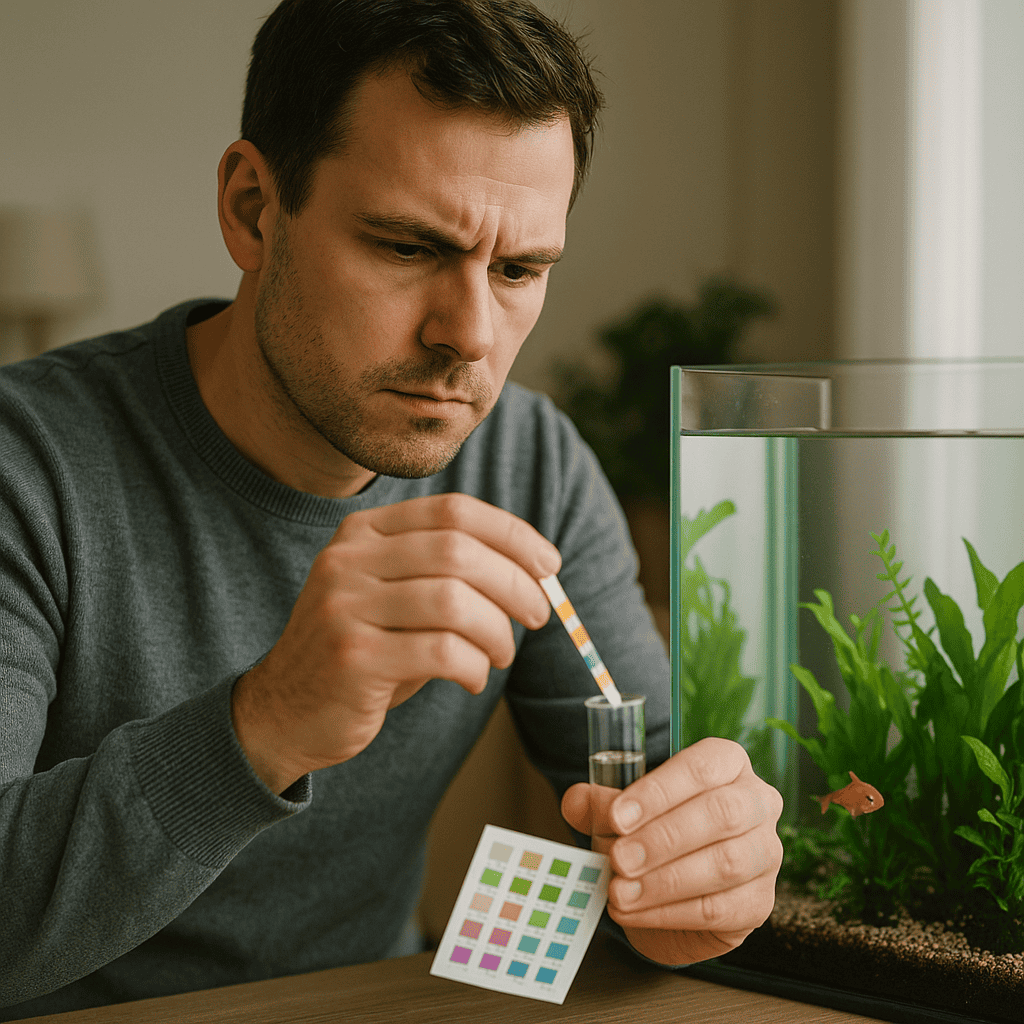
While maintaining a stable environment is essential for your betta fish’s health, understanding their ideal temperature range is crucial to successful winter care. Bettas thrive in water temperatures between 75°F and 80°F (24°C to 27°C). To promote their well-being, consider these key points:
- Use a reliable heater to maintain stable temperatures.
- Monitor water temperature regularly with an aquarium-safe thermometer.
- Avoid temperature fluctuations, as they can stress your betta fish and lead to health issues.
- Implement a heater with a built-in thermostat for consistent warmth and hot water delivery.
Regular Water Testing
Regular water testing is as important as temperature control for overall betta fish health. I conduct weekly water tests to guarantee ammonia and nitrite levels remain at 0.0 PPM and nitrate levels below 20 PPM. This helps create a healthy habitat for my betta fish.
Maintaining a stable pH range of 6.5 to 7.5 is essential, so pH kits are used to monitor changes. Additionally, I make sure to perform water changes of 20–25% weekly using dechlorinated water to support low ammonia and nitrate levels. By focusing on temperature stability and water quality, my betta fish thrive through the colder months.
Acclimating Your Betta to Seasonal Changes
As the temperatures drop, I acclimate betta fish gradually to avoid thermal shock and secure their well-being during the colder months. Here’s how I approach acclimating my betta to seasonal changes:
- Adjust the tank water temperature in increments of 1–2°F (0.5–1°C) every few hours.
- Aim for a stable winter range of 75–80°F (24–27°C).
- Increase water changes to 25% weekly to maintain water quality.
- Monitor your betta’s behavior, looking for signs of stress or health issues.
- I verify my heater was functioning properly, using an adjustable one with a thermostat.
Feeding Adjustments for Winter Months
As winter approaches, I make essential adjustments to my betta’s feeding routine to guarantee their health. High-quality pellets and protein-rich treats are provided while closely monitoring eating habits since cooler temperatures can affect appetite. I also ensure proper nutrition practices for Baby betta fish to support growth in chilly conditions.
Adjust Feeding Frequency

I reduce feeding frequency to promote an Average Life expectancy. During winter months, consider these guidelines:
- Monitor temperature and tank conditions closely, as cold water slows metabolism.
- Only offer as much food as your betta can consume in two minutes.
- Incorporate high-quality protein-rich pellets for essential nutrients.
- Observe for signs of stress, like disinterest in food.
Include Nutrient-Rich Treats
Including nutrient-rich treats in your betta’s winter diet can greatly enhance their energy levels and overall health. I recommend incorporating freeze-dried bloodworms and brine shrimp, which provide essential protein-rich ingredients. These treats support your betta’s immune function, helping them combat winter-related stressors.
Additionally, consider high-quality betta pellets that contain vitamins and probiotics, as with any tropical fish, to promote resilience and wellness. It’s crucial to adjust feeding to 2–3 times daily, offering small portions that can be consumed within two minutes.
Monitor Eating Habits
I closely watch eating habits to prevent issues like Tail Rot. Offering high-quality, protein-rich foods like pellets or freeze-dried options is recommended. Keep an eye on uneaten food; remove any leftovers after two minutes to maintain water quality. Think about occasional treats like frozen brine shrimp to stimulate your betta’s appetite. Provide a varied diet to keep your fish engaged and healthy during the winter months.
Enhancing Betta Comfort With Decor
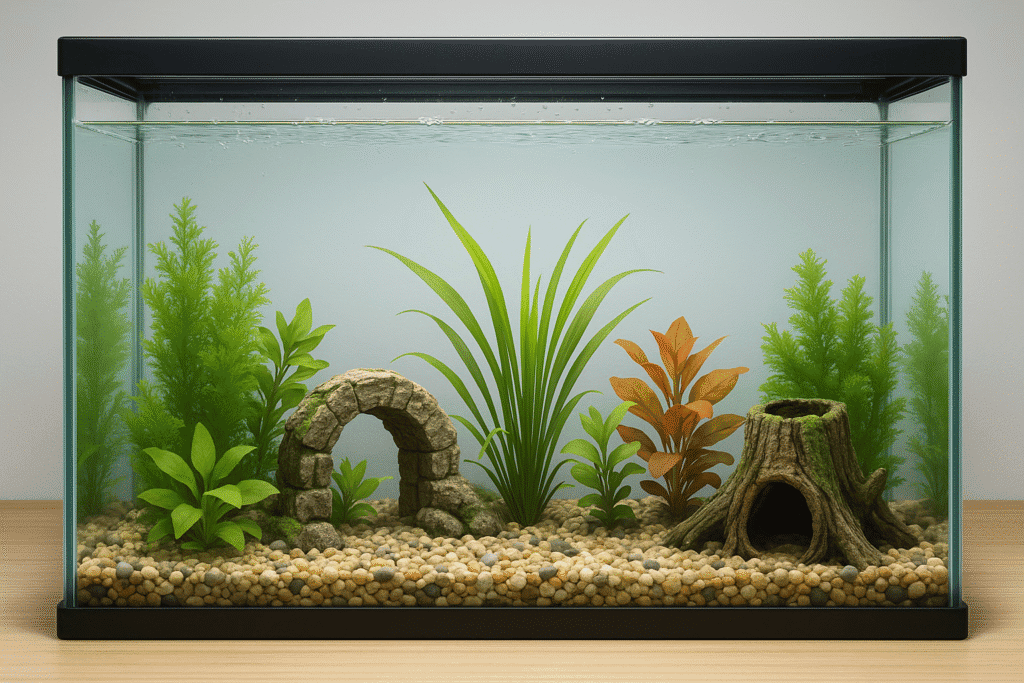
I find that thoughtful decor choices are essential for a stimulating environment. Incorporating live plants not only enhances their habitat but also provides oxygen and absorbs toxins from fish waste. Silk or soft plastic decorations and artificial plants should be used to minimize the risk of fin damage.
Providing various hiding spots, like caves or driftwood, can greatly reduce stress by giving them a secure retreat from sharp edges. Additionally, using a substrate that mimics natural habitats, such as sand or fine gravel, encourages natural behaviors and enhances comfort. Regularly changing and rearranging the tank decor keeps your betta stimulated, preventing boredom and supporting a more active lifestyle.
Monitoring Betta Health During Winter
Proper care of betta fish requires vigilant monitoring of their environment and behavior. I focus on these key areas:
- Water temperature: Keep it stable between 75°F and 80°F to support their immune system.
- Feeding habits: Adjust their diet as activity decreases to prevent overfeeding and related health problems.
- Water parameters: Regularly test for pH (6.5–7.5) and ammonia levels (0.0 PPM) to guarantee ideal living conditions.
- Signs of illness: Be alert for dull coloration, lethargy, or abnormal swimming patterns, indicating stress-related illnesses common in Siamese fighting fish.
- Conducting weekly 25% water changes guarantees clean tank water essential for winter health.
Conclusion
To sum up, preparing your betta for winter involves attentive care and adjustments to their environment. I find that these methods, much like managing rice paddies, require consistent attention. By ensuring ideal tank conditions, managing water quality with warm water, and adapting their feeding routine, you can help your betta thrive during the colder months.
Enhancing their habitat with suitable decor and using Larger tanks contribute further to their well-being. Remember, a little effort now can lead to a healthier, happier betta throughout the winter season. Stay proactive, and your betta will thank you!