To protect your betta fish collection, quarantining new arrivals is essential. I always isolate new fish for 2 to 30 days to monitor for hidden illnesses and pests. Setting up a quarantine tank with stable water conditions and regular monitoring helps maintain health. Observing behavior and treating potential issues promptly guarantees your current bettas remain safe. If you want to learn more about effective quarantine procedures and maintenance tips, keep exploring the best practices for a healthier aquarium.
Importance of Quarantine
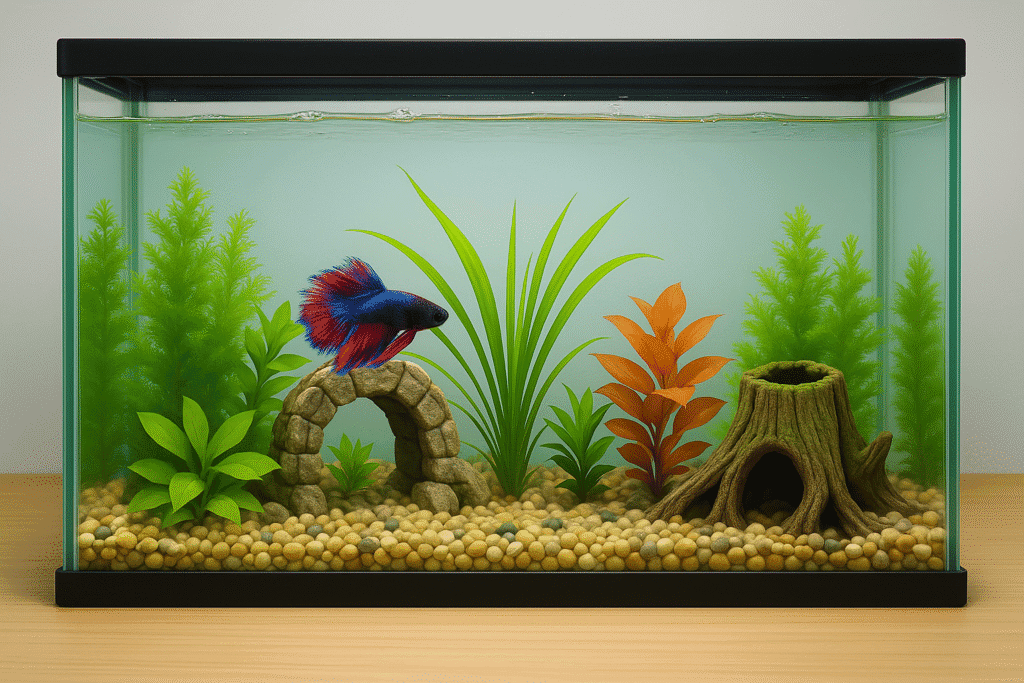
When bringing new betta fish into a home aquarium, prioritize their quarantine because it’s vital for the health of the entire tank. Quarantine allows isolating these new fish for a recommended period of 2 weeks to 30 days, during which one can monitor them for any signs of illness. Healthy-looking bettas can still carry diseases, making this step essential to prevent potential disease outbreaks in the established community.
It’s also important to apply quarantine practices to plants and invertebrates, as they can introduce pests or contaminants. By adhering to proper quarantine protocols, aquarists can considerably reduce the risks associated with asymptomatic carriers and help maintain overall water quality, ensuring existing bettas thrive in a safe environment.
Risks of Introducing New Fish and Items
When considering introducing new fish or items into my aquarium, I’m always aware of the hidden risks they pose. Healthy-looking fish can carry pathogens that remain undetected until it’s too late, potentially stressing existing bettas and leading to disease outbreaks.
Additionally, even new plants can introduce pests that disrupt the delicate balance of the tank, making quarantine a vital step in the routine.
Hidden Pathogen Risks
Although many fish may appear healthy, they can still harbor hidden pathogens that pose a significant risk to your betta collection. Introducing new fish elevates hidden pathogen risks, especially since bettas often lack immunity to diseases carried by their tank mates. Even if trusting the source, it’s essential to recognize that asymptomatic sick fish can still compromise betta health.
To mitigate these risks, always utilize a quarantine tank for new arrivals. This practice not only safeguards existing fish but also allows monitoring of their immune systems closely. Additionally, quarantining plants helps prevent pests or contaminants from entering the main tank. Prioritizing these procedures is vital for the well-being of the betta collection.
Stress on Existing Fish
Introducing new fish or items to an established betta tank can greatly stress my existing fish, as they may perceive newcomers as intruders in their territory. This stress can lead to aggressive behavior or even injury among bettas. Additionally, many healthy-looking fish can be asymptomatic carriers of diseases, increasing the risk of getting sick in the main tank.
Bettas have limited immunity to these potential pathogens, making them particularly vulnerable during introductions. To mitigate these risks, it’s essential to use a quarantine tank for 2 to 30 days before introducing new additions. This period allows me to observe any signs of illness, reducing the stress on existing fish and safeguarding the overall health of my beloved betta collection.
Contamination From New Items
Understanding the risks of contamination from new fish and items is essential for maintaining a healthy betta tank. Healthy-looking fish can still carry pathogens, so I always use a quarantine tank for any new arrivals. This practice allows monitoring their health without risking the established community tank.
It’s important to remember that many fish, including bettas, can be asymptomatic carriers of diseases. During this period, regular water changes should be performed to maintain ideal conditions and encourage the growth of beneficial bacteria. Additionally, quarantine plants and snails, as they can harbor pests or contaminants. Even when purchasing from trusted sources, the potential for hidden health issues makes these protocols crucial for safeguarding the entire collection.
Setting Up a Quarantine Tank
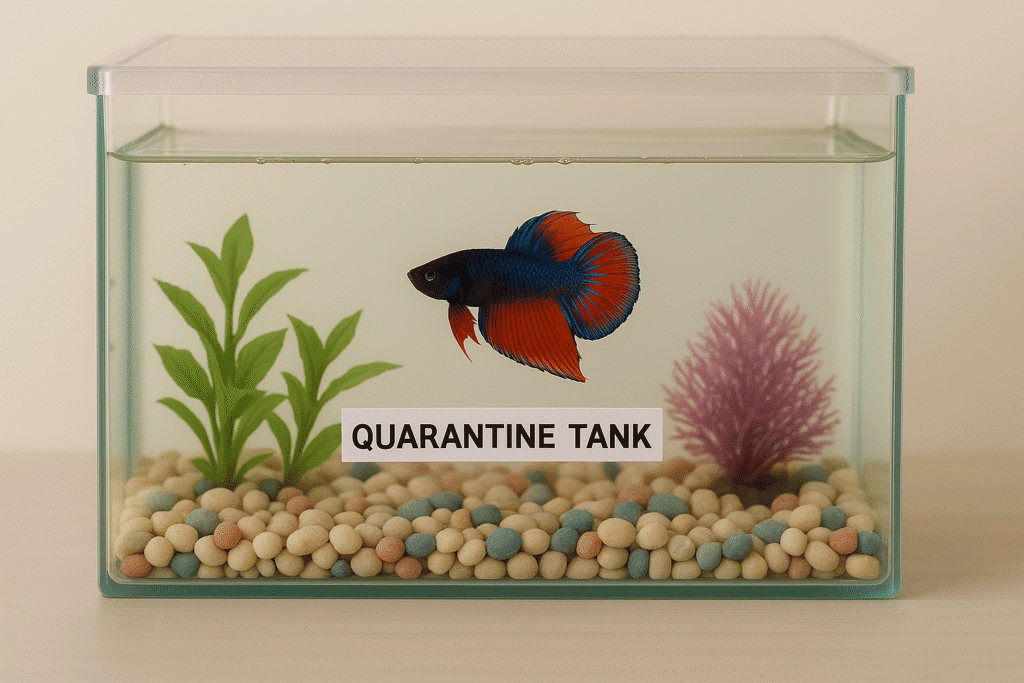
When setting up a quarantine tank, I always start with a clear plastic tub or aquarium equipped with a low-flow sponge filter and heater to maintain a stable temperature between 72–82°F. It’s vital to fill the tank with conditioned water and add some decorations to help reduce stress for the fish.
Regularly monitoring water parameters like pH and ammonia is essential to guarantee a healthy environment during the quarantine period.
Essential Equipment Needed
Setting up a quarantine tank is essential for the health of your betta fish. I recommend using a clear plastic tub or aquarium with a lid to prevent cross-contamination while ensuring visibility. Install a sponge filter to maintain water quality without stressing your fish. An aquarium heater and thermometer are critical for keeping a stable water temperature between 72–82°F.
This range is important for your betta’s well-being. To further reduce stress, consider adding decorations and hiding spots, providing a comfortable environment during the observation period. Finally, using a water conditioner is necessary to detoxify new water, creating a safe habitat in your quarantine tank. Each piece of equipment plays a significant role in safeguarding your betta collection.
Proper Water Conditions
To guarantee your betta fish thrive in a quarantine tank, maintaining proper water conditions is vital. Start by ensuring the water temperature stays between 72–82°F; a heater can help prevent fluctuations that stress your fish.
Use a water conditioner to detoxify new water and regularly check the pH, aiming for a range of 6.0 to 8.0. Filling your quarantine tank with water from an established tank introduces beneficial bacteria, stabilizing water quality during the quarantine period. It’s essential to test water parameters, including ammonia, nitrite, and nitrate levels, to create a healthy environment.
Additionally, perform water changes of 10–25% every 2-4 weeks to maintain ideal water quality without disrupting the beneficial bacteria you’ve seeded.
Monitoring Fish Health
Monitoring the health of your betta fish in a quarantine tank is a key step in ensuring their well-being. I recommend using a clear plastic tub or aquarium with a lid, ensuring a secure environment. Install a low-flow filter and heater to maintain stable water quality, keeping the temperature between 72–82°F. Always add water conditioners to detoxify new water and perform regular changes to sustain ideal conditions. For at least two weeks, observe your bettas closely for signs of illness—look for changes in coloration or unusual swimming behavior. If needed, employ a quarantine medication trio, including Mardel Maracyn, Ich-X, and Fritz ParaCleanse, to address potential diseases effectively during this critical monitoring period.1
Specific Considerations for Fragile Fish and Common Illnesses
While caring for fragile species like bettas, it’s important to recognize their heightened vulnerability to stress-related illnesses during the quarantine period. Setting up a dedicated quarantine tank to monitor them closely is essential for at least 2 to 4 weeks.
This time allows observation for signs of common diseases like fin rot, ich, or velvet, which can escalate quickly if not addressed. Maintaining stable water conditions is vital, as poor quality can worsen their health. Minimizing handling and movement helps reduce stress, ensuring a calm environment.
By staying vigilant and informed about these issues, I can help protect betta fish and prevent potential outbreaks in the main tank.1
Community Tank Considerations and Best Practices
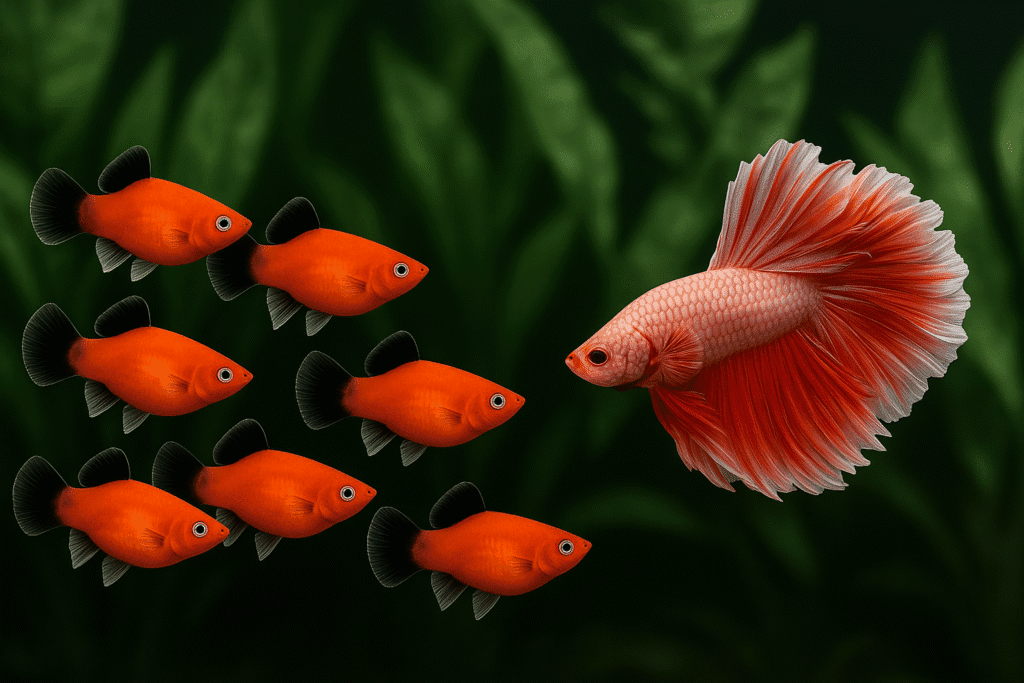
Always recommend using a quarantine tank for at least 2 weeks to 30 days, allowing observation of new arrivals for any signs of illness. It’s crucial to communicate with local fish suppliers about new shipments and their quarantine practices, as even seemingly healthy fish can harbor pathogens. When finally introducing the fish into the main aquarium, acclimate them gradually to minimize stress. Sharing best practices with fellow aquarists has enriched approaches, fostering healthier environments for all community fish. By following these guidelines, we protect not just our bettas but our entire aquatic family from potential health risks.1
Quarantine Medication Trio
To guarantee the health of my new bettas, I rely on the Quarantine Medication Trio, which effectively addresses a range of potential ailments. This trio includes Mardel Maracyn, Aquarium Solutions Ich-X, and Fritz ParaCleanse, all safe for the fish in the tank, including scaleless varieties and live plants.
Follow the recommended dosage of one packet of Maracyn, one packet of ParaCleanse, and one teaspoon of Ich-X per 10 gallons of water. During treatment, let the medications soak for seven days without feeding the fish to maximize absorption.
Afterward, perform regular water changes to gradually remove residues from the quarantine tank, ensuring bettas remain happy and healthy while protecting the entire collection.
Monitoring Fish Health During Quarantine
Monitoring the health of your bettas during quarantine is vital, as it allows you to catch any potential issues early. Regularly observe their behavior in the quarantine tank, looking for signs of stress such as hiding, lethargy, or unusual swimming patterns.
Daily monitoring of water parameters, including ammonia, nitrite, and nitrate levels, guarantees stable conditions that promote their health. Also, check for physical signs of illness, like changes in coloration, fin damage, or unusual growths. Maintaining a consistent feeding schedule is important, but avoid feeding during medication treatment to prevent water quality deterioration.
Documenting changes in eating habits or activity levels helps me identify early indicators of stress or illness that may require further investigation.
Maintaining Water Quality in the Quarantine Tank
Maintaining water quality in the quarantine tank is vital for the health and recovery of your bettas, especially since poor conditions can lead to stress and illness. I regularly test water parameters, like ammonia, nitrite, and nitrate levels, ensuring they remain safe. Performing partial water changes of 10-25% every few days helps keep ideal water quality, particularly when using medications.
Always use a water conditioner to detoxify harmful chemicals before adding fresh water. Monitoring temperature is essential, so keep it stable between 72-82°F with an aquarium heater.
Additionally, consider using a sponge filter from an established tank to introduce beneficial bacteria, which greatly aids in maintaining water quality during quarantine. Your bettas will thank you!
Conclusion
To summarize, implementing thorough quarantine procedures is essential for safeguarding your betta fish collection. By carefully monitoring new arrivals and maintaining ideal water quality, you can greatly reduce the risk of introducing diseases.
Remember, a proactive approach not only protects your fish but also enhances the overall health of your aquarium. I encourage you to adopt these practices and make quarantine an integral part of your fishkeeping routine for a thriving aquatic environment.