When managing your betta’s water, it’s essential to understand the differences between chlorine and chloramine. Chlorine evaporates quickly from tap water, but chloramine is persistent and requires a dechlorinator effectively containing sodium thiosulfate for safe removal.
Both can harm your betta’s health, with chloramine being more dangerous due to its stability in water. Using reliable dechlorinators, like Seachem Prime or Fritz Complete, will help. Discovering best practices for maintaining water quality can further enhance your betta’s aquarium water environment.
Understanding Chlorine and Chloramines
When it comes to understanding chlorine and chloramines, it’s vital to grasp their distinct properties and implications for aquatic life. Chlorine, a common disinfectant, evaporates from tap water within 24–48 hours, while chloramine, a stable compound of chlorine and ammonia, requires a dechlorinator for effective removal.
Although chloramines produce fewer disinfection by-products, they can leach lead from aging pipes, raising health concerns. Both chlorine and chloramines can be harmful to fish, which is why using water conditioners or dechlorinators is necessary to guarantee safe water for fish. By focusing on water quality and utilizing the right chemicals that help remove chlorine and chloramines, we can create a healthier environment for our aquatic friends.
The Impact of Chlorine and Chloramines on Betta Fish
Chlorine and chloramines pose significant risks to the health of betta fish, as these substances can lead to serious physiological issues if not properly managed. Municipal water supplies often contain chlorine, which irritates betta fish and must be treated before use. Chloramines, a harmful combination of chlorine and ammonia, are even more dangerous due to their persistence in water.
Both can disrupt the nitrogen cycle by harming good bacteria essential for maintaining a healthy environment. Betta fish are especially sensitive to chloramines, leading to gill damage and stress. Consequently, using a reliable water conditioner or dechlorinator is critical to guarantee water safe for fish and promote their well-being. This proactive approach protects beloved bettas from harmful chemicals.
Methods for Removing Chlorine and Chloramines
To guarantee a safe environment for your betta fish, understanding effective methods for removing chlorine and chloramines from your water is vital. For chlorine, simply letting tap water sit for 24–48 hours allows it to evaporate. However, chloramine is more stable and requires a dechlorinator containing sodium thiosulfate to neutralize it effectively.
When treating your water source, follow the specific dosage instructions on your chosen product—like 1 mL per gallon for Prime or 5 mL per 5 gallons for others. Remember, activated carbon filters can remove chlorine but are ineffective against chloramine. Regular water changes and monitoring the dechlorinator’s effectiveness, noting that chloramine neutralization takes about 2–5 minutes, are essential for maintaining a healthy fish tank.
Recommended Dechlorinators for Betta Owners
Here are my top recommendations:
- Seachem Prime: This highly concentrated dechlorinator requires just 1 mL per gallon to effectively remove chlorine and chloramine.
- Fritz Complete: Like Prime, it removes chlorine and chloramine while detoxifying ammonia, enhancing the safety of your fish.
- Aqueon Dechlorinator: Reliable for treating larger volumes, especially when filling buckets with treated water.
- Nutrafin Betta Plus: This option is less economical, needing 5 mL per 0.5 gallons, but still serves as an alternative.
Always guarantee you’re using dechlorinated water from regular tap water or bottled water. Understanding dosage is vital to maintaining healthy filtration media and preventing overdosing.
Best Practices for Maintaining Water Quality
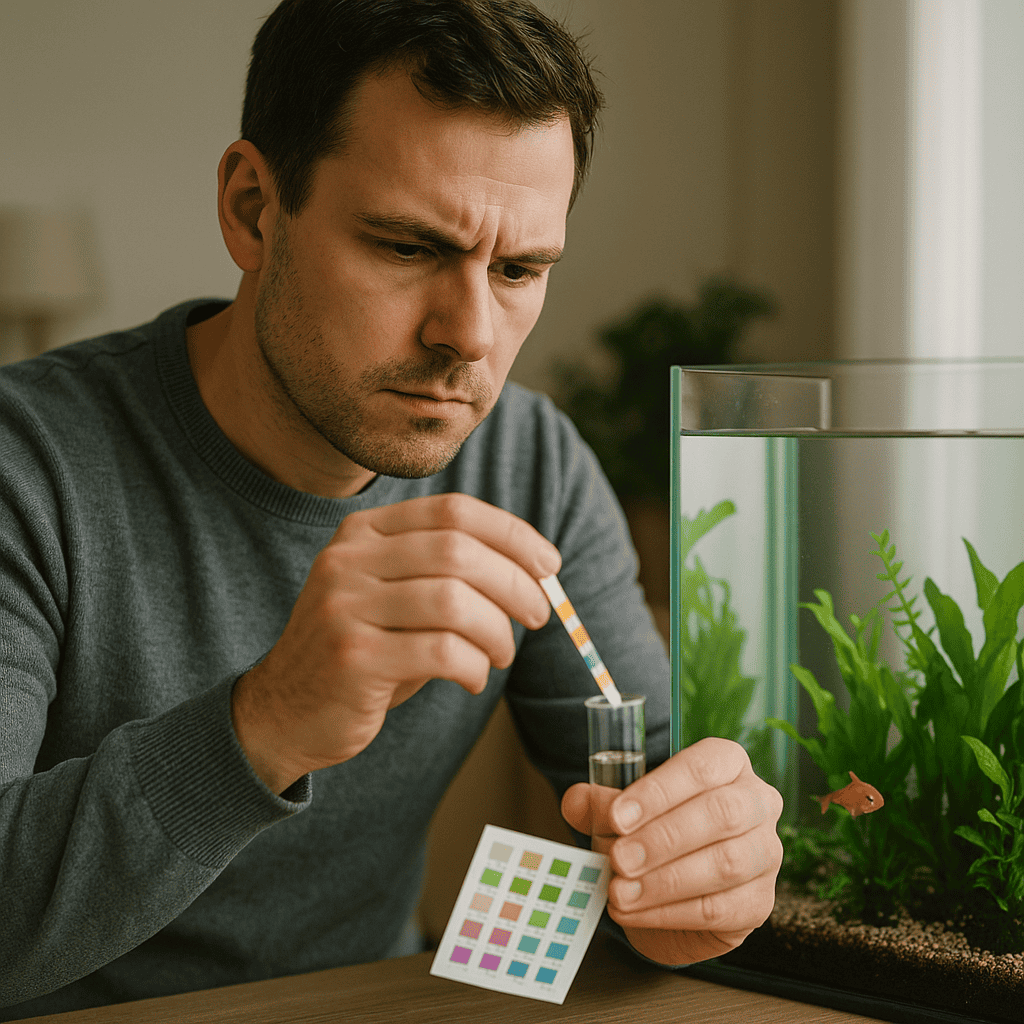
Maintaining water quality is vital for the health of your betta fish, as even minor fluctuations can lead to stress and illness. I recommend regularly testing water for chlorine and chloramine levels. Both require effective chemical removal before municipal water is used in your betta tank. Dechlorinators are essential for chloramine, as it doesn’t evaporate like chlorine.
Implementing water changes of 25% once or twice a week minimizes the buildup of harmful substances, including heavy metals. Additionally, consider utilizing a whole home filtration system or specific chloramine filters for improved tap water quality. By following these best practices, I can help create a stable habitat that promotes the well-being of my betta fish.
Conclusion
In summary, understanding the differences between chlorine and chloramines is essential for maintaining a healthy environment for your betta fish. Both can be harmful, but there are effective methods to remove them from your water.
By using the right dechlorinators and following best practices for water quality, you can guarantee your betta thrives. Remember, a clean and safe habitat is critical for their well-being, so don’t overlook the importance of proper water treatment in your aquarium care routine.