If your betta fish is gasping at the surface, it’s a sign of an urgent oxygen crisis. This can stem from low oxygen levels, overcrowding, or water quality issues. You’ll want to act quickly by increasing water movement, performing a water change, or adding air stones.
Monitor parameters like ammonia, nitrite, and nitrate to maintain a healthy environment. Addressing these issues can prevent further stress. Understanding effective strategies will guarantee your fish thrives.
Understanding the Causes of Gasping in Betta Fish
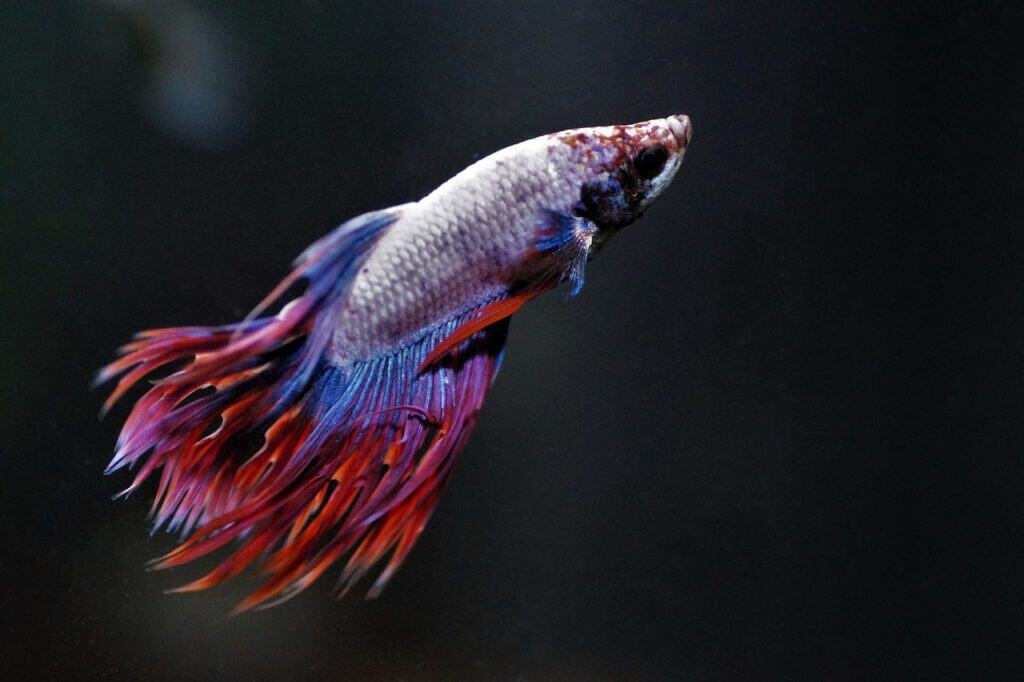
When you notice your betta fish gasping at the surface, it’s vital to understand the underlying causes of this behavior.
Low oxygen levels in your tank often drive bettas to seek air at the surface, indicating a potential crisis. Elevated ammonia can irritate their gills, pushing them upwards for relief.
Additionally, overcrowding can deplete oxygen and stress your fish, so maintaining proper stocking levels is fundamental. Temperature fluctuations also affect their comfort; keeping the water stable around 78°F helps prevent erratic swimming.
Finally, fish diseases like gill flukes or swim bladder disorders can hinder normal breathing, resulting in increased surface gasping. By monitoring these factors, you can guarantee a thriving environment for your betta fish.
Signs of Low Oxygen Levels in Your Aquarium
While observing your aquarium, you might notice several signs that indicate low oxygen levels, which can be detrimental to your fish’s health.
Commonly, I see fish gasping for air at the surface, rapid gill movements, and labored breathing. These behaviors signal that fish struggle to extract adequate oxygen from the tank water, particularly when conditions like White Spot or other stress factors are present.
Additionally, lethargic fish might hover near the surface or float motionless, indicating distress. Regular monitoring of water quality using Test Kits, including dissolved oxygen levels, is essential.
Here’s a quick reference table to help identify these signs:
| Sign | Description | Action Needed |
|---|---|---|
| Gasping for air | Fish surfacing frequently | Check oxygen levels |
| Rapid gill movements | Fish breathing heavily | Increase aeration |
| Lethargy | Fish remaining inactive near the surface | Perform water changes |
| Floating motionless | Fish struggling to swim | Assess water quality |
| Aggressive behavior | Fish stressed due to low oxygen | Help oxygenate water |
Immediate Actions to Increase Oxygen
Noticing your betta fish gasping at the surface can be alarming, and it’s important to act quickly to boost the oxygen levels in your aquarium.
First, increase the water movement by adjusting your filtration system output or adding an air pump to enhance oxygen exchange at the water surface. A 50% water change with pre-treated water conditioners can also help oxygenate the water and dilute poor water quality.
Manually stirring the water or pouring it from a height creates surface agitation, improving oxygen levels. You can even add ice cubes cautiously for a gradual cooling effect, which increases oxygen retention.
Finally, consider adding Live Aquarium Plants to your tank; they help your fish by producing oxygen through photosynthesis, especially during the day.
Long-term Solutions for Oxygenation
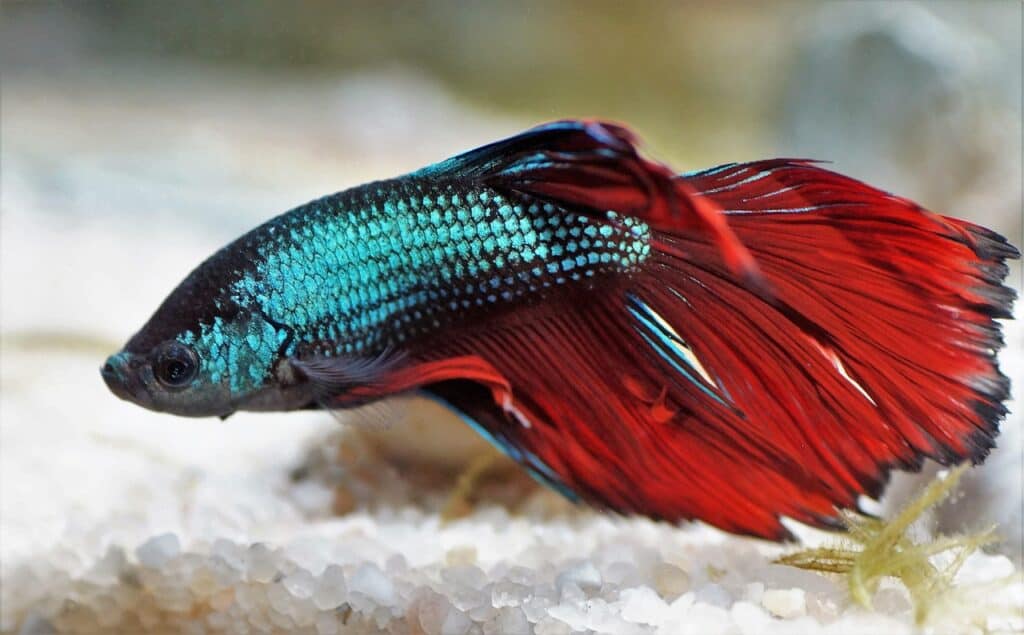
To guarantee your betta fish thrive in a well-oxygenated environment, you’ll need to adopt several long-term strategies that promote consistent oxygen levels in your aquarium.
Here are key approaches to evaluate:
- Install an air pump and air stones to enhance surface agitation, increasing oxygen in the water while supporting beneficial bacteria colonies.
- Regular water changes of 25-50% should be performed to introduce oxygen-rich water and reduce harmful high ammonia levels.
- Incorporate live plants to boost oxygen production through photosynthesis, contributing to a healthy environment and proper plant care practices.
- Use a sponge filter for gentle water movement, ensuring oxygenation without stressing your betta while preventing fish disease.
Monitoring and Maintaining Water Quality
Guaranteeing a stable and healthy environment for your betta fish goes beyond just improving oxygen levels; it also involves diligent monitoring and maintaining water quality.
I recommend testing your water regularly for ammonia, nitrite, nitrate, pH, and temperature using reliable Test Kits. Keeping ammonia and nitrite levels at 0 ppm is essential to prevent toxic build-up that can cause fish disease and harm overall fish health.
Frequent water changes of 25-50% every 3-4 days can help maintain stable nitrate levels around 10 ppm. Don’t forget to monitor dissolved oxygen levels, as low oxygen can lead to your betta gasping at the surface.
If that happens, consider increasing aeration or water movement to guarantee your fish thrive in their environment. Adding Aquarium Salt in appropriate doses can also help reduce stress and support gill function, particularly when treating minor ailments or supporting recovery from fish disease.
Conclusion
In summary, witnessing your betta fish gasping at the surface can be alarming, but it’s vital to act quickly and compassionately.
By understanding the causes and implementing immediate and long-term solutions for oxygenation, you can create a healthier environment for your fish.
Regular monitoring of water quality will help prevent future crises, and using proper Aquarium Salt when needed provides additional support.
Remember, your betta relies on you for their well-being, so stay proactive and attentive to their needs for a thriving aquarium.