I can’t stress enough how important weekly water testing is for your betta’s health. You should monitor key parameters like temperature (75°-81°F), ammonia (0 ppm), and nitrates (below 20 ppm). Checking pH levels, ideally between 6.5 and 7.5, is essential too. If ammonia exceeds zero ppm, immediate action is necessary.
Regular testing can help you create a healthy and stress-free environment for your betta, and there’s so much more to explore about maintaining ideal conditions.
Importance of Water Testing for Betta Fish
When it comes to keeping betta fish healthy, understanding the importance of regular water testing can’t be overstated. Monitoring water quality is essential to guarantee ideal parameters like a temperature of 75°-81°F, ammonia at zero ppm, and nitrates below 20 ppm. An aquarium test kit like the API Master Test Kit provides accurate readings for freshwater fish tanks.
Regular testing helps track pH levels, which should stay between 6.5 and 7.5 to prevent stress in bettas. High ammonia levels can be toxic, necessitating immediate water changes. By consistently testing each week, I establish a stable environment that supports beneficial bacteria and minimizes stress, ultimately promoting the health and longevity of bettas.
Key Water Parameters to Monitor
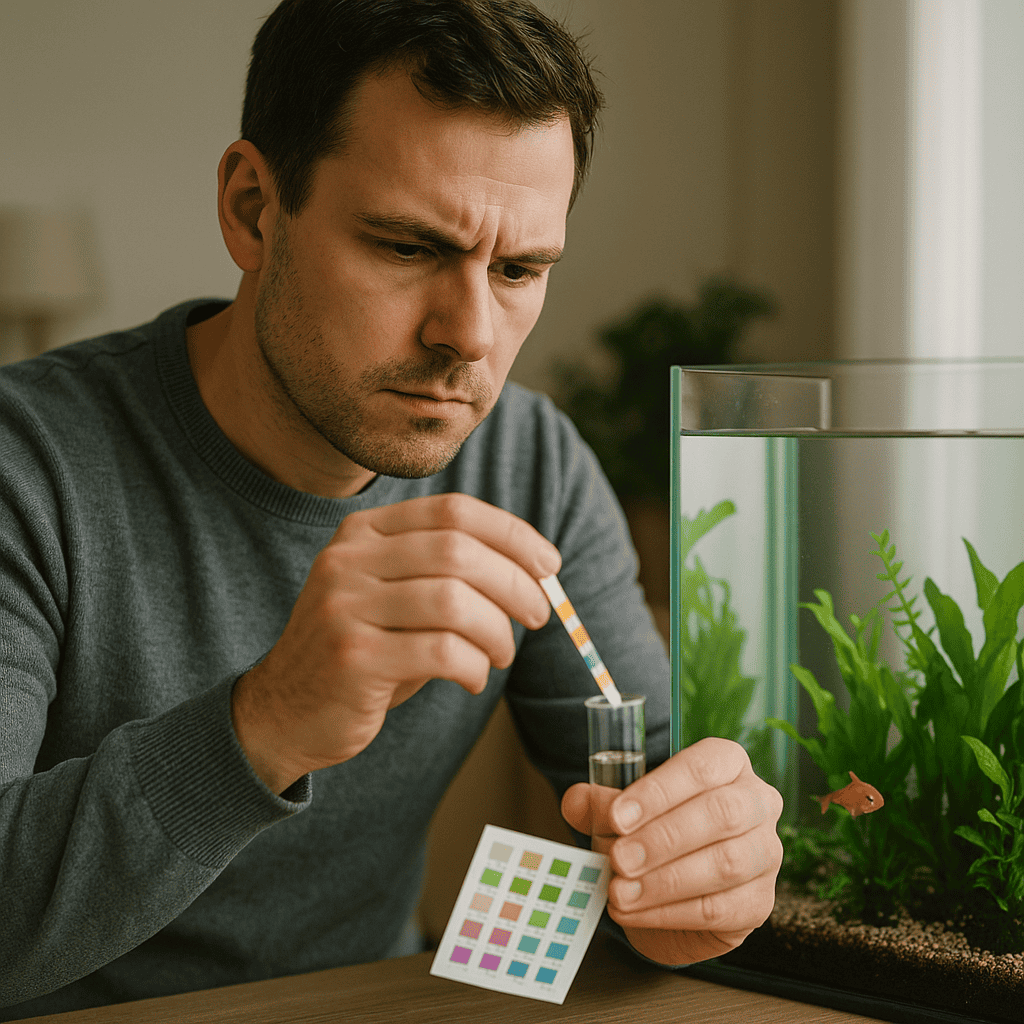
To maintain a healthy environment for betta fish, focus on several key water parameters that require regular monitoring. Keeping the water temperature between 75°-81°F (23.8°-27.2°C) is essential for their well-being. Weekly testing of ammonia and nitrite levels ensures both remain at zero ppm to prevent toxicity.
Monitor nitrate levels, aiming to keep them below 20 ppm to avoid long-term harm. I regularly check pH levels, targeting a range of 6.5-7.5 for stability. Water test strips can provide quick readings for these parameters in community fish environments. Here’s a quick reference table for these parameters:
| Parameter | Ideal Range | Importance |
|---|---|---|
| Water Temperature | 75°-81°F (23.8°-27.2°C) | Best health |
| Ammonia Levels | 0 ppm | Prevents toxicity |
| Nitrite Levels | 0 ppm | Indicates nitrogen cycle issues |
| Nitrate Levels | <20 ppm | Reduces long-term harm |
| pH Levels | 6.5-7.5 | Guarantees stability |
Recommended Testing Frequency and Methods
Regular monitoring of water parameters is essential for maintaining a healthy environment for betta fish. Test tank water at least once a week to keep an eye on critical factors like ammonia, nitrite, nitrate, and pH levels. For quick assessments, API 5-IN-1 test strips work well, but I also recommend investing in an API Master Test Kit for more detailed insights. Pet stores often carry these essential testing supplies. Here are some key practices to follow:
- Check ammonia levels; anything above zero ppm requires immediate water change
- Monitor pH levels weekly to keep them stable between 6.5-7.5
- Conduct water changes if nitrates exceed 20 ppm
- Regular testing guarantees ideal health for bettas and a thriving aquatic environment
Adjusting Water Conditions for Optimal Health
Adjusting water conditions is essential for ensuring betta fish thrive in a stable environment. Regular testing of tank water monitors key parameters like ammonia, nitrite, nitrate, pH, and hardness. Aim for a pH between 6.5 and 7.5, as fluctuations can stress fish. Maintaining a stable water temperature between 75°F and 81°F supports their metabolism.
If ammonia levels exceed zero ppm, use a water conditioner to remove harmful substances and perform a water change. Tap water often contains heavy metals that need neutralization before use. I prefer dechlorinated water or spring waters for water changes, as safe tap water preparation requires proper conditioning.
An air pump helps maintain oxygen levels at 50-66.7 ppm for optimal fish health. Regular water changes of 10-25% every 2-4 weeks help keep nitrate levels below 20 ppm, ensuring a healthy environment that mimics their natural habitat.
Signs of Unhealthy Water Quality
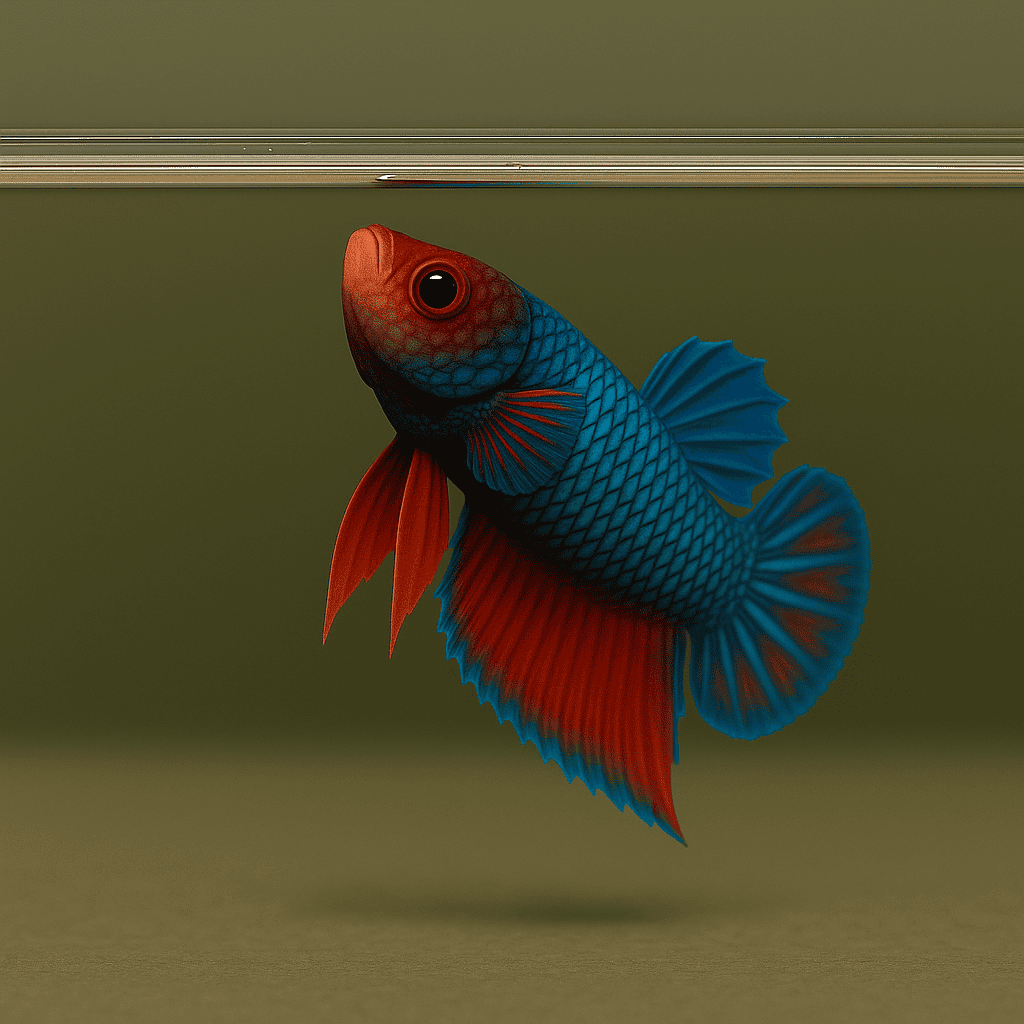
While maintaining a healthy environment for betta fish, pay close attention to signs of unhealthy water quality, as these indicators can quickly affect their well-being. Elevated ammonia levels above zero ppm can lead to poisoning, causing stress and severe health issues.
Similarly, the presence of nitrites indicates an incomplete nitrogen cycle, while nitrates above 20 ppm can also stress bettas. I regularly check pH levels, aiming for 6.5-7.5, as deviations can lead to discomfort. Finally, fluctuations in water temperature outside the range of 75°-81°F (23.8°-27.2°C) can compromise their immune systems.
- Elevated ammonia levels
- Presence of nitrites
- High nitrates
- pH level fluctuations
Conclusion
In summary, regular water testing is essential for maintaining the health of your betta fish. By monitoring key parameters like pH, ammonia, nitrites, and nitrates, you can guarantee a stable and safe environment. I recommend testing weekly and adjusting conditions as needed to promote peak well-being.
Keep an eye out for signs of poor water quality, as they can indicate issues that need immediate attention. Prioritize these practices, and you’ll help your betta thrive.