Managing high temperatures for your betta fish during summer is essential for their health. I recommend maintaining aquarium water between 76°F and 82°F. Use techniques like airflow enhancement, partial water changes, or even ice cubes for cooling.
Keep your fish tank away from direct sunlight, and consider investing in a chiller for long-term solutions. Always monitor temperatures to prevent shocks, as stable conditions are imperative. If you’re interested, expert tips can help ensure your betta thrives.
Understanding Betta Fish and Their Habitat
Understanding Betta fish and their habitat is essential for anyone looking to keep these vibrant creatures healthy and happy in captivity. Betta splendens, also known as Siamese fighting fish, thrive in warm temperatures, with an ideal temperature for betta fish ranging from 76°F to 80°F (24°C to 27°C). These tropical fish are native to the shallow, slow-moving waters of Southeast Asia, including rice paddies, where stable water conditions are critical.
As fish owners, we need to replicate these environments by maintaining the appropriate aquarium temperature and ensuring a consistent ambient temperature. Bettas also possess a labyrinth organ, enabling them to breathe atmospheric air, which is important in low-oxygen areas. Recognizing their natural habitat helps us provide proper care, ensuring our bettas live long, healthy lives.
Importance of Water Temperature
Maintaining the right water temperature is crucial for the health and well-being of your betta fish. Betta fish thrive in water temperatures between 76°F and 80°F (24°C to 27°C), which mimics their natural habitat. Consistent temperatures prevent stress and support robust immune systems. Temperature fluctuations can elevate a betta’s metabolic rate, leading to increased oxygen consumption and possible breathing difficulties.
Warmer temperatures above 82°F (28°C) can escalate aggression in males and risk overheating, while anything below 76°F can greatly slow their metabolism. To guarantee ideal conditions, it’s essential to monitor the water temperature regularly and use an aquarium heater to keep it maintained within the perfect range. Always ensure you’re using dechlorinated water for any water changes to maintain optimal conditions.
| Temperature Range | Effect on Betta | Ideal Action |
|---|---|---|
| Below 76°F | Slow metabolism | Increase temp |
| 76°F – 80°F | Healthy & active | Maintain |
| 80°F – 82°F | Higher metabolism | Monitor closely |
| Above 82°F | Aggression & stress | Cool down urgently |
Cooling Techniques for Aquariums

As temperatures rise, it’s essential to implement effective cooling techniques for your betta fish’s aquarium to guarantee their continued health. Here are three methods that have worked well for me:
- Airflow Enhancement: Position a fan to blow across the aquarium surface while keeping the aquarium cover slightly open. This promotes water flow and helps lower the water temperatures.
- Ice Cubes Method: Float a bag of ice or cold water in the tank. This gradual cooling method prevents sudden shocks to your betta.
- Partial Water Changes: Small partial water changes with slightly cooler water are performed to maintain a temperature-stable environment. When dealing with gallons of water, ensure gradual temperature adjustments.
Seasonal Considerations for Betta Care
While temperatures fluctuate with the changing seasons, it’s essential to adapt your betta fish care routine accordingly. During summer, I make sure to maintain water temperatures between 76°F and 82°F, as higher temperatures can increase metabolism and stress for bettas. Regular checking and adjusting of heater settings is important, and sometimes, using cooling fans or air conditioning prevents overheating in the aquarium.
It’s also important to position the aquarium away from direct sunlight to avoid temperature spikes that can harm fish. If the tank does get too warm, I perform partial water changes with cooler water, ensuring you avoid putting bettas in shock. Female bettas are particularly sensitive to temperature changes during the breeding season, so extra care should be taken.
Staying informed about weather patterns helps prepare for heat spells, ensuring a stable environment. Additionally, maintaining a proper tank cycle during temperature fluctuations is crucial for water quality.
Long-term Solutions for Temperature Control
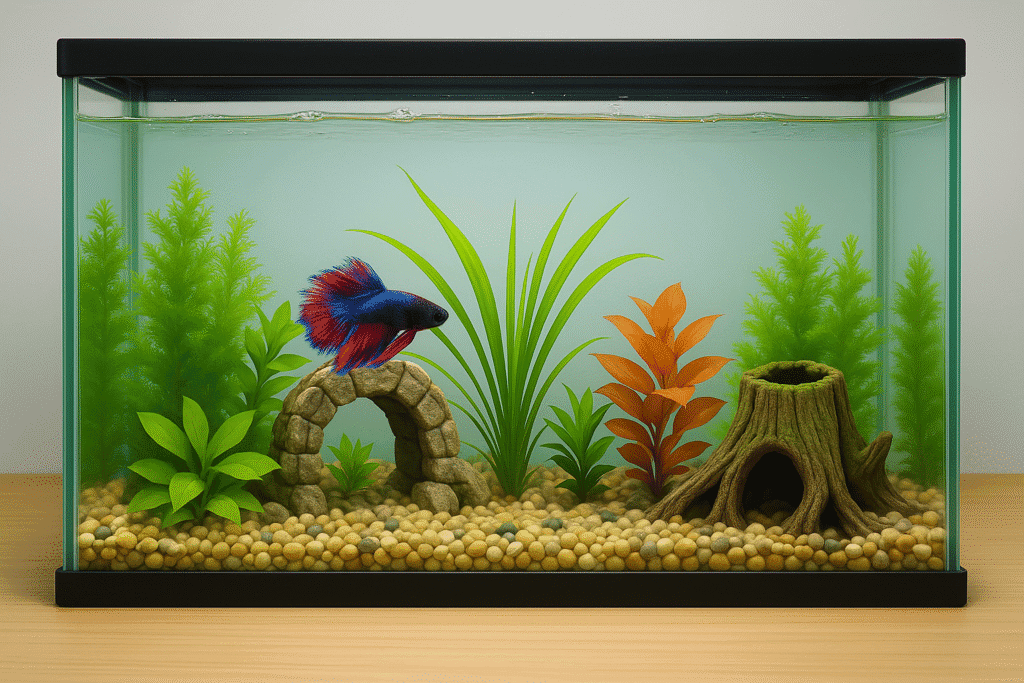
With seasonal fluctuations posing ongoing challenges, implementing long-term solutions for temperature control in betta tanks has become a priority. Here’s what to focus on:
Install a Chiller: This provides a reliable method for maintaining a consistent water temperature, especially during heat waves. A chiller helps prevent dirty water conditions that can arise from temperature stress.
Choose the Right Tank Size: A larger tank with a bigger surface area helps stabilize temperatures and distribute heat evenly, which is essential for the aquatic environment. Proper aquarium light positioning also helps manage heat generation.
Regular Maintenance: I keep filtration systems in top shape, ensuring they operate efficiently, which aids in temperature regulation and overall water quality. Male bettas may build a bubble nest when conditions are optimal, indicating a healthy environment.
Conclusion
In conclusion, managing high temperatures for your betta fish is vital for their health and well-being. By understanding their habitat needs, recognizing the importance of water temperature, and employing effective cooling techniques, you can create a stable environment. Remember to take into account seasonal changes and explore long-term solutions for temperature control. With these strategies in place, you’ll guarantee your betta thrives, allowing you to enjoy their vibrant colors and playful nature throughout the summer months.