To prevent Betta fry fighting, I separate them when I notice signs of aggression, typically around 1.5 to 2 months old. Look for circling, nipping, and increased competition for resources. Prepare clean containers, like quart jars, adding java moss for comfort.
Prioritize jarring the most aggressive males first, ensuring all males are separated by 4 months. Keeping a close watch on their behavior lets breeders intervene when necessary, and there’s much more to reflect upon for their Betta Fish Care.
Understanding Betta Fry’s Behavior
As I observe Betta Fish, I’ve noticed that their behavior evolves considerably as they mature, particularly around the one-month mark. At this stage, they begin to exhibit aggression, often engaging in circling and nipping behaviors as they start establishing a dominance hierarchy. Breeders have seen this posturing as they compete for resources like food and space, leading to heightened aggression.
It’s essential to monitor fin conditions during this period, as injuries can arise from these confrontations. Curiously, keeping fry in larger groups can mitigate stress and aggression, allowing a natural pecking order to form. However, active bettas show increased aggression between 1.5 and 2 months, making separation necessary to prevent fighting and potential injuries as they continue to mature.
Signs It’s Time to Separate Fry
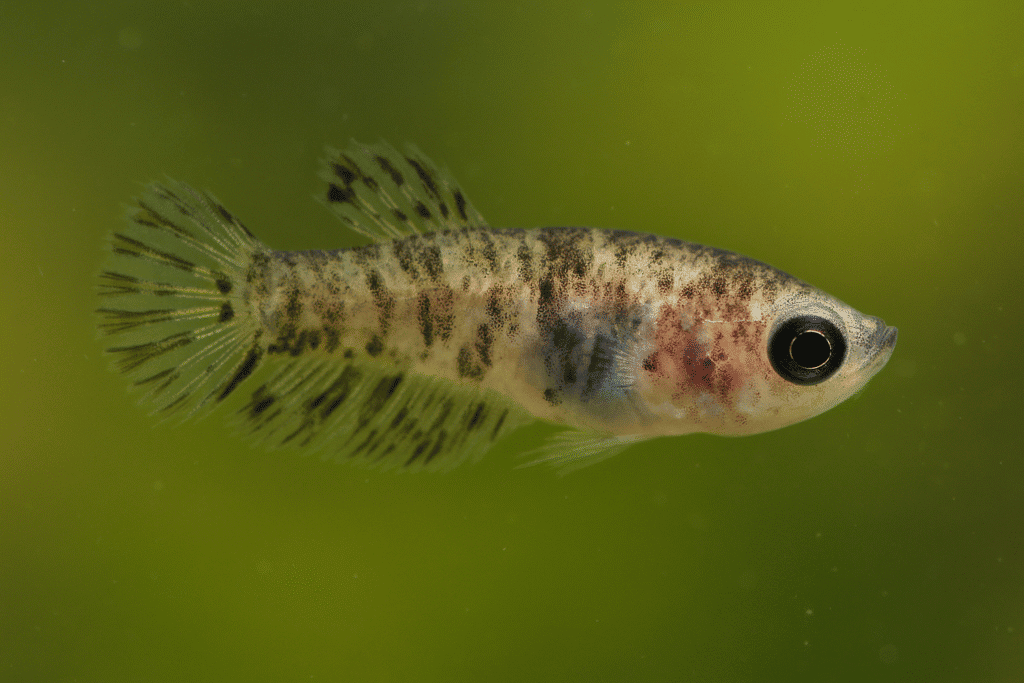
Recognizing the signs that it’s time to separate Betta Fish is essential for their well-being. Typically, fry begins showing signs of aggression around 1.5 to 2 months of age. Observable behaviors like circling, nipping, and betta fry postering indicate they’re establishing dominance. As they grow, competition for food and space intensifies, making it important to monitor their interactions closely.
If you notice increased aggression, it’s a strong signal to take action. Male fry, especially those displaying longer fins, should be separated by 10 weeks to 3 months to prevent fighting. Continuous monitoring of their behavior is critical; any escalation in aggression may necessitate immediate separation to reduce stress and injury risks among the fry.
Preparing Containers for Fry
When preparing containers for Betta Fish, always choose well-cleaned plastic or glass to eliminate any soap residues that could harm them. Using small containers like quart jars can be a bad idea for long-term housing, so consider that half-gallon or gallon tanks provide ample space.
Adding plants like java moss not only enhances their comfort but also supports water quality. It’s crucial to ensure proper ventilation and maintain cleanliness to keep the fry healthy and thriving.
Choosing Suitable Containers
Choosing the right containers for separating betta fry is vital to their health and well-being. I recommend considering the following when selecting suitable containers:
- Use well-cleaned plastic or glass containers, like quart or half-gallon sizes, free of soap residues.
- Add java moss to enhance happiness and improve water quality by providing hiding spots.
- Verify containers have proper ventilation; consider drilling holes or using craft canvas lids.
- Choose containers that accommodate individual Betta Fish comfortably to prevent overcrowding, which can lead to stress and aggression.
Regular maintenance is important, including routine water changes and monitoring water quality, to create a healthy environment for the fry during their separation. Your attention to detail will greatly benefit their development.
Enhancing Fry Comfort

To enhance the comfort of betta fry, focus on preparing their containers meticulously, guaranteeing they provide a safe and nurturing environment. Opt for well-cleaned plastic or glass containers, ideally quart or half-gallon sizes, free from soap residue. Adding plants like java moss not only improves their comfort but also enhances water quality through natural filtration.
Assure adequate air exchange by using lids with drilled holes, allowing fresh air while maintaining temperature. It’s essential to monitor the Betta Fish size and behavior before separation, as different individuals may require varied accommodations based on aggression levels. Regular maintenance, including water changes and cleaning, is critical to prevent harmful substance buildup and promote the overall health of the fry.
Best Practices for Jarring Male Fry
I recommend jarring male Betta Fish between 10 weeks and 3 months of age, as this is when they start showing aggressive behaviors. Look for signs like longer fins and vibrant colors, which indicate readiness for separation. By ensuring you jar the most aggressive and colorful males first, you can help them thrive in their new environments.
Veil tails often develop their distinctive fin shape during this period, making them easier to identify for separation.
Ideal Jarring Age
Around 1.5 to 2 months, male betta fry start showing signs of aggression, making this an essential period for their separation. Jarring them at the right time is imperative for their development. Here are some best practices for jarring male fry:
- Jar males between 10 weeks to 3 months old.
- Look for longer fins, stronger colors, and increased aggression.
- Prioritize jarring, colorful, aggressive males first.
- Make sure all Betta Fish are removed from communal tanks by 4 months old.
Recognizing Aggressive Behavior
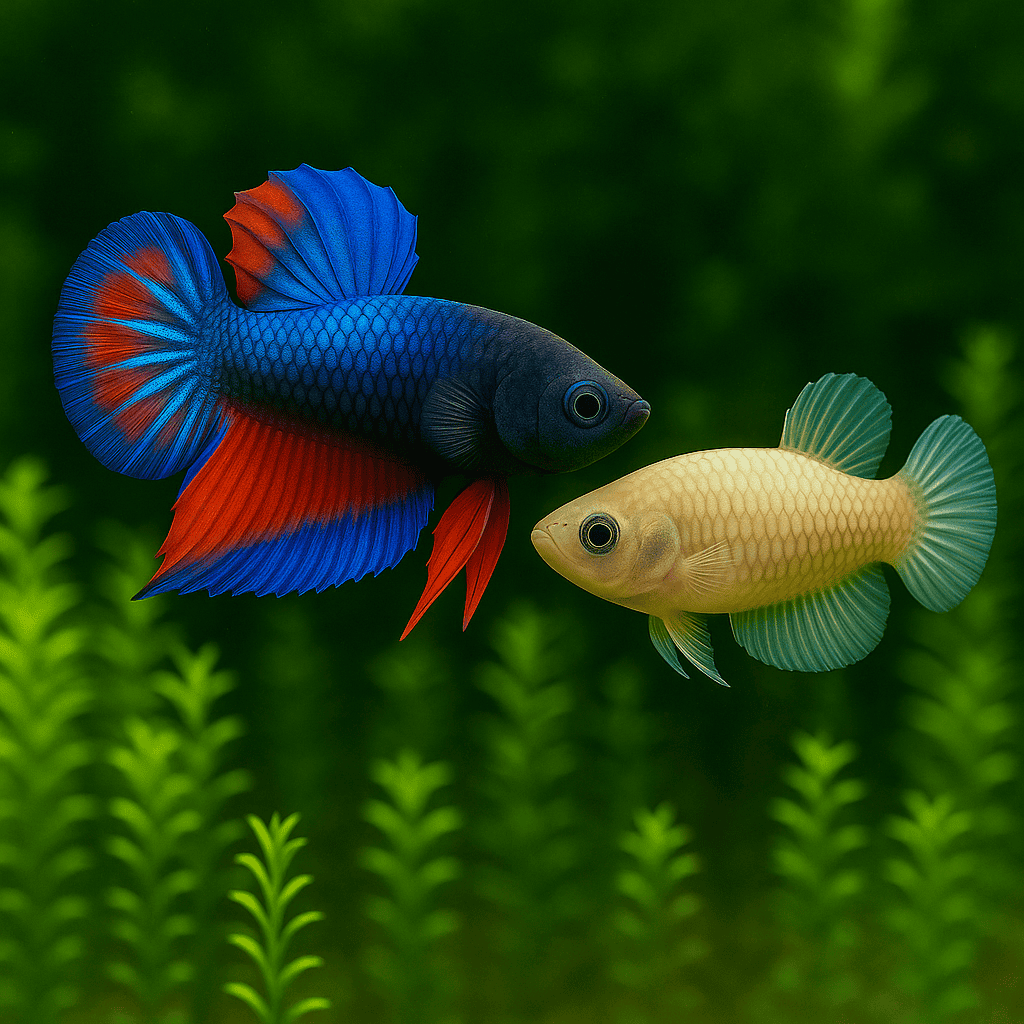
Aggression in male betta fry becomes evident as they approach 1.5 to 2 months of age, making it important to recognize these behaviors for timely separation. Observable signs include circling, nipping, and posturing as they establish dominance. To effectively manage aggression, it is recommended to jar male fry around 10 weeks to 3 months, prioritizing the most colorful and aggressive individuals first.
Monitoring fin conditions is imperative; injuries can occur if they aren’t separated promptly. Preparing adequate housing in advance is essential, ensuring each male fry has individual space to reduce stress and avoid fighting.
| Behavior | Description | Action Needed |
|---|---|---|
| Circling | Fry swim in circles around each other | Monitor closely |
| Nipping | Fry bite each other’s fins | Separate immediately |
| Posturing | Fry display flared fins and aggressive body language | Prepare housing |
| Dominance | Fry establish hierarchy | Jarring recommended |
Managing Female Fry: To Jar or Not
When deciding whether to jar female Betta Fish, it’s essential to reflect on both available space and your goals for their care. Jarring can be beneficial, particularly if you notice aggressive behavior. Here are key considerations:
- Monitor for aggressive tendencies, like fin-nipping.
- Jarring aggressive females early can protect their health.
- Guarantee adequate space to minimize stress and promote growth.
- Evaluate the fry’s behavior and size to determine the right time for separation.
If your grow-out aquarium isn’t overcrowded, keeping them together might be viable. However, if space is limited, jarring, aggressive females are advisable to foster a healthier environment. Many Betta Chat discussions suggest that females can often cohabitate more peacefully than males. Ultimately, your approach should prioritize their well-being while aligning with your objectives.
Maintaining Optimal Conditions for Fry Growth

After considering whether to jar female fry based on behavior and space, it’s important to focus on creating the best environment for their growth. Maintaining an ideal water temperature of around 82°F is vital, as higher temperatures can stress Betta Fish and hinder their development. Regular water changes, about 25% of the tank volume weekly, help dilute harmful Growth Inhibition Hormone (GIH), promoting healthier conditions.
Providing adequate space is essential; I recommend a minimum of 5 gallons per group to minimize stress. Incorporating live plants or silk decorations offers hiding spots, reducing aggression while improving water quality. Finally, feeding practices should be monitored by offering smaller, frequent meals (2-3 times daily) to prevent overfeeding and support ideal growth rates. For accurate Betta Color ID, proper lighting conditions are essential during this growth phase.
Conclusion
In summary, separating betta fry is essential for their survival and growth. By recognizing the signs of aggression, preparing suitable containers, and applying best practices for jarring, you can effectively manage their development. Whether you choose to jar males or allow females to grow together depends on your goals as a breeder.
Always prioritize their health by maintaining ideal conditions, and you’ll set the stage for a thriving future for your Betta Fish. Many betta forums provide additional resources and community support for breeders facing challenges during this critical phase of development.