If you’re considering pygmy corydoras as companions for your betta fish, you’re making a great choice. I find that they thrive in groups and require a minimum tank size of 20 gallons for both species’ health.
A well-planted environment with a soft substrate and hiding spots is essential to reduce stress. Monitor their interactions closely, as Siamese fighting fish can be territorial. You’ll want to learn about suitable plants and alternative betta fish tank mates to create the best habitat for both species.
Understanding Pygmy Corydoras and Their Needs
When considering Pygmy Corydoras for your aquarium, it’s crucial to understand their specific needs to guarantee they thrive. These small, peaceful bottom-dwellers flourish in groups of at least six, so a minimum ten-gallon tank is necessary for proper swimming space and stable water parameters. I always recommend a soft, non-sharp substrate to protect their sensitive barbels as they forage along the bottom.
Additionally, creating a well-planted environment with hiding spots reduces stress and promotes their well-being. Feeding them a varied diet of sinking pellets, flakes, and occasional frozen foods ensures they receive proper nutrition without competition from adult-size fish. By meeting these requirements, you’ll provide a healthy habitat for your Pygmy Corydoras, enhancing their overall quality of life.
The Importance of Tank Size for Betta Compatibility
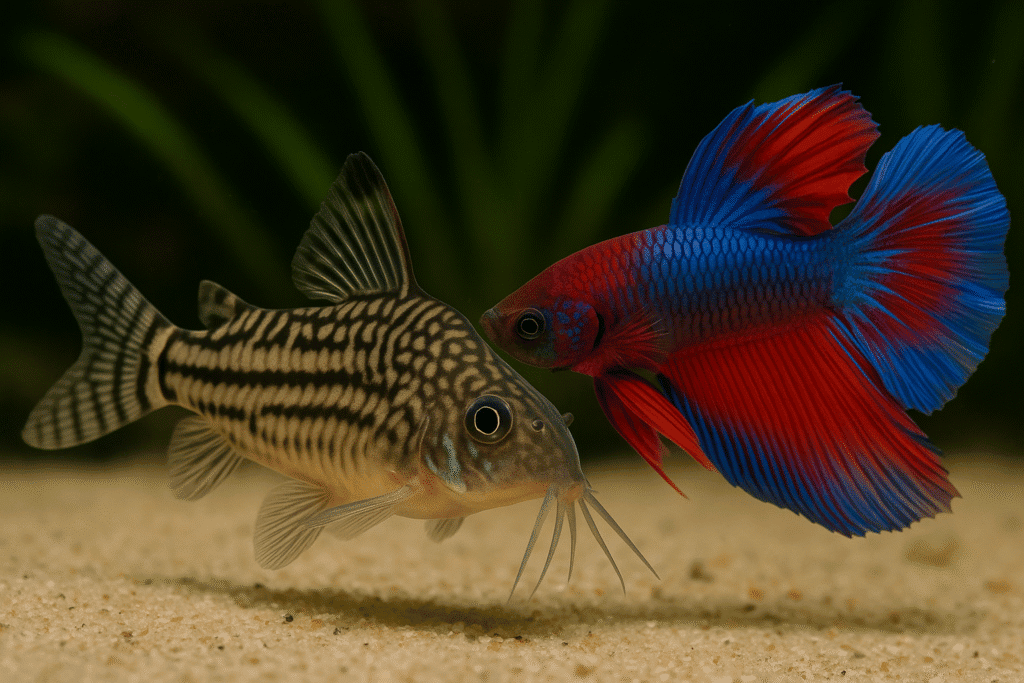
When considering betta fish compatibility with pygmy corydoras, tank size is essential. I recommend a minimum of 20 gallons to provide ample swimming space and support the social behavior of corydoras. This larger setup not only enhances fish health but also helps maintain stable water parameters, reducing stress for all inhabitants, including female bettas.
Minimum Tank Size Requirements
While I understand the appeal of keeping both pygmy corydoras and betta fish together, the importance of tank size cannot be overstated. Pygmy corys require a minimum tank size of 10 gallons, as they thrive in groups of at least six. Bettas, on the other hand, are territorial and may display aggression, making a larger tank of 15-20 gallons ideal for reducing stress. A 3-gallon tank is insufficient for both species, limiting their movement and social interactions.
Additionally, smaller tanks increase the risk of excess food and ammonia buildup, compromising water quality. By ensuring an appropriately sized tank, we can maintain stable water parameters, promoting the health and well-being of both pygmy corydoras and bettas in our aquariums.
Space for Swimming Behavior
Creating an environment that allows both pygmy corydoras and betta fish to thrive involves more than just meeting minimum tank size requirements; it’s about ensuring there’s ample swimming space for both species. A larger tank, ideally 20 gallons, supports their social behaviors and reduces stress.
Here’s why swimming space is essential: Pygmy corydoras thrive in schools, requiring enough room to swim freely together. Reduced territorial stress for bettas allows for more harmonious coexistence. Stable water parameters in larger tanks mitigate ammonia buildup, promoting overall health for adult fish.
Impact on Fish Health
Understanding the impact of tank size on fish health is essential, especially when housing bettas and pygmy corydoras together. A minimum tank size of 10 gallons is vital for the well-being of both species, but a 20-gallon setup is ideal for maintaining a stable environment. Smaller tanks can lead to stress and territorial disputes, particularly for the betta fish, which jeopardizes the health of both fish types.
Pygmy corys thrive in groups of at least six, requiring ample space to socialize without overcrowding. Insufficient tank size often results in poor water quality due to inadequate filtration, further compromising health. A larger tank not only promotes better swimming space but also reduces aggression, ensuring a harmonious community for all, including 2 3-inch fish.
Assessing Betta Temperament Before Adding Tank Mates
Before adding tank mates like pygmy corydoras, I always assess my Betta’s temperament, as individual behavior can vary greatly. Some bettas are more territorial and aggressive, especially towards fish of similar size or color. By observing their reactions during initial introductions, I can gain valuable insights into potential compatibility with Neon tetras and other species.
Individual Behavior Variability
While evaluating a betta’s temperament, I’ve found that individual behavior variability plays a critical role in determining compatibility with tank mates like pygmy corydoras. Not all bettas behave the same; some are peaceful, while others can be aggressive fish species. Here are key factors to assess: Observe for signs of aggression, especially towards bottom-dwellers.
Male bettas may exhibit territoriality, particularly in smaller tanks. Proper introduction techniques can mitigate potential conflicts. Understanding these nuances is essential for ensuring a harmonious aquarium. By closely monitoring interactions post-introduction, I can safeguard the well-being of all fish, allowing my pygmy corydoras to thrive alongside their betta companion.
Territorial Nature of Bettas
Since the territorial nature of male bettas can markedly impact their interactions with tank mates, evaluating their temperament is essential before introducing pygmy corydoras. Observing a betta’s behavior over time is vital. Some may be aggressive, while others coexist peacefully with bottom-dwelling fish. I recommend introducing female betta fish first to reduce territorial disputes.
| Betta Temperament | Interaction with Corydoras | Recommended Action |
|---|---|---|
| Aggressive | Likely to show aggression | Avoid tank mates |
| Neutral | May ignore corydoras | Monitor closely |
| Calm, Peaceful cohabitation | Introduce corydoras first | Introduce corydoras first |
Ideal Tank Setup for Pygmy Corydoras and Betta Fish
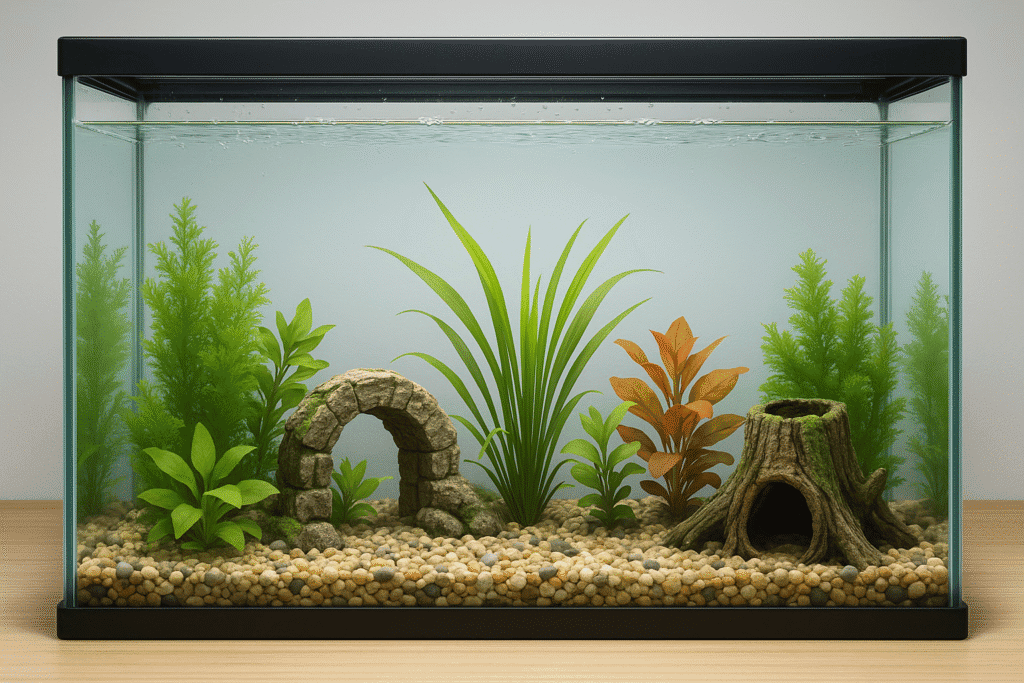
To create an ideal tank setup for pygmy corydoras and betta fish, it’s essential to take into account several key factors that guarantee both species thrive together. Here are some crucial considerations: Tank Size: A minimum of 15-20 gallons is necessary to provide adequate swimming space and reduce territorial disputes. Substrate: Use a soft, non-sharp substrate to protect the sensitive barbels of pygmy cories as they forage.
Filtration: Incorporate a suitable filter, like a Fluval 20, to maintain water clarity and quality. Additionally, a well-planted tank mimicking their natural habitat will offer cover and hiding spots, ensuring both pygmy cories and bettas feel secure in their environment. Regular water testing and maintenance are critical for their health, especially when housing adult-size fish.
Recommended Plant Species for a Balanced Aquarium
When setting up a balanced aquarium for pygmy corydoras and betta fish, choosing the right plant species is essential. I recommend incorporating broad-leaf plants like Anubias for cover and carpeting plants such as Monte Carlo to create a lush environment. This variety not only enhances aesthetics but also promotes natural behaviors and improves water quality.
Ideal Plant Types

While creating a balanced aquarium for pygmy corydoras and betta fish, selecting the right plant species is crucial. The right plants not only enhance the beauty of your tank but also provide necessary cover and reduce stress for your fish. Here are some ideal options: Broad-leaf plants like Anubias, which offer hiding spots for pygmy corydoras. Carpeting plants such as Monte Carlo create a natural substrate cover for exploration.
Tall and bushy species that improve the aesthetic appeal and promote social behavior among pygmy corydoras. Incorporating these plants guarantees your aquarium remains a balanced ecosystem, improving water quality while encouraging natural behavior in both pygmy corydoras and betta fish. Regular trimming maintains open swimming spaces, fostering activity levels for female bettas.
Plant Growth Benefits
Selecting the right plant species for your aquarium not only enhances its visual appeal but also supports a thriving ecosystem. The plant growth benefits are remarkable, especially when combined with regular water changes. For example, broad-leaf plants like Anubias provide security for pygmy corydoras, while carpeting plants such as Monte Carlo create lush ground cover. This setup improves fish dynamics by establishing distinct zones for foraging and play.
| Plant Species | Benefits |
|---|---|
| Anubias | Hiding spots and stress reduction |
| Monte Carlo | Aesthetic ground cover and habitat |
| Java Fern | Natural filtration and shade |
| Vallisneria | Oxygenation and swimming space |
Incorporating these plants not only enhances aquatic life but also contributes to better water quality, which is important for betta fish tank mates.
Hiding Spots Importance
Hiding spots play an essential role in creating a balanced aquarium environment, particularly for pygmy corydoras. These small fish thrive when they have areas to retreat, reducing stress and encouraging natural behaviors. To enhance your tank, consider these recommended plant species: Anubias, Which offers broad leaves that provide excellent cover. Monte Carlo: Serves as effective ground cover, promoting security. Java Fern: Adds vertical structure and additional hiding areas.
Incorporating a variety of plants not only beautifies the aquarium but also establishes distinct zones for your fish. Coupled with the smooth substrate to protect delicate barbels, these hiding spots are crucial for the overall health and comfort of pygmy corydoras and their companions. Regular maintenance will foster a thriving ecosystem for Neon tetras and other peaceful species.
Feeding Considerations for Betta and Corydoras

When considering the feeding habits of Betta fish and Pygmy corydoras, it is essential to create a balanced routine that caters to their specific dietary needs. Betta fish thrive on a varied diet, including live or frozen foods, which can reduce aggression. Pygmy corydoras, being slow eaters, need sinking pellets and occasional treats like bloodworms. To guarantee everyone gets fed, I recommend monitoring feeding times carefully, especially when there are multiple adult fish in the tank.
Here’s a quick reference table for their feeding needs:
| Fish Type | Diet Type | Feeding Frequency |
|---|---|---|
| Betta | Live/Frozen Foods | Daily |
| Pygmy Corydoras | Sinking Pellets/Flakes | 2-3 times a week |
| Both | Occasional Treats | Once a week |
Avoid overfeeding to prevent waste and maintain water quality, as excess food can quickly degrade tank conditions.
Monitoring Behavior After Introduction
After establishing a balanced feeding routine for both Betta fish and Pygmy corydoras, it’s time to monitor their behavior closely following the introduction of the corydoras into the Betta’s environment. Observing their interactions is essential to guarantee a harmonious coexistence. I always watch for the corydoras’ swimming patterns; frequent hiding may indicate stress.
Watch for signs of aggression from the Betta, such as fin-nipping or chasing. Regularly check water parameters, as changes may affect behavior. If I notice any signs of aggression, I’ll consider adding more hiding spots with plants or decorations to enhance the corydoras’ sense of security and reduce stress, especially when housing aggressive fish species.
Alternative Tank Mates for Bettas
Finding the right tank mates for your Betta fish can greatly enhance both their well-being and the overall aquarium environment. When considering alternatives, look for non-aggressive species that complement your Betta’s temperament. Here are some suitable tank mates: Pygmy Corydoras thrive in groups of at least six and prefer 10-gallon tanks. Red Cherry Shrimp are small, peaceful, and produce minimal waste.
Nerite Snails provide algae control, are non-aggressive, and are safe for smaller tanks. African Dwarf Frogs are also great companions, primarily occupying the bottom without posing a threat. Always assess your Betta’s individual temperament, as aggression can vary. With the right choices, you can create a harmonious aquarium for female bettas and other peaceful species.
Community Experiences With Betta and Corydoras Together
Many aquarists have shared their experiences with keeping pygmy corydoras alongside betta fish, often noting the surprising compatibility between these two species. I’ve noticed that introducing Dwarf Corys before the Betta minimizes territorial behavior. Bettas’ temperaments vary; some are peaceful, while others may show aggression. A well-planted tank with hiding spots reduces stress for corydoras.
These observations suggest that keeping a larger school of pygmy corydoras enhances social behavior, making them more resilient in a mixed-species tank. Many hobbyists report that when conditions are right, betta fish and corydoras can coexist beautifully, creating a dynamic and thriving aquarium environment. Sharing these experiences can help others foster successful relationships between these species, including Neon tetras.
Future Considerations for Upgrading Tank Size
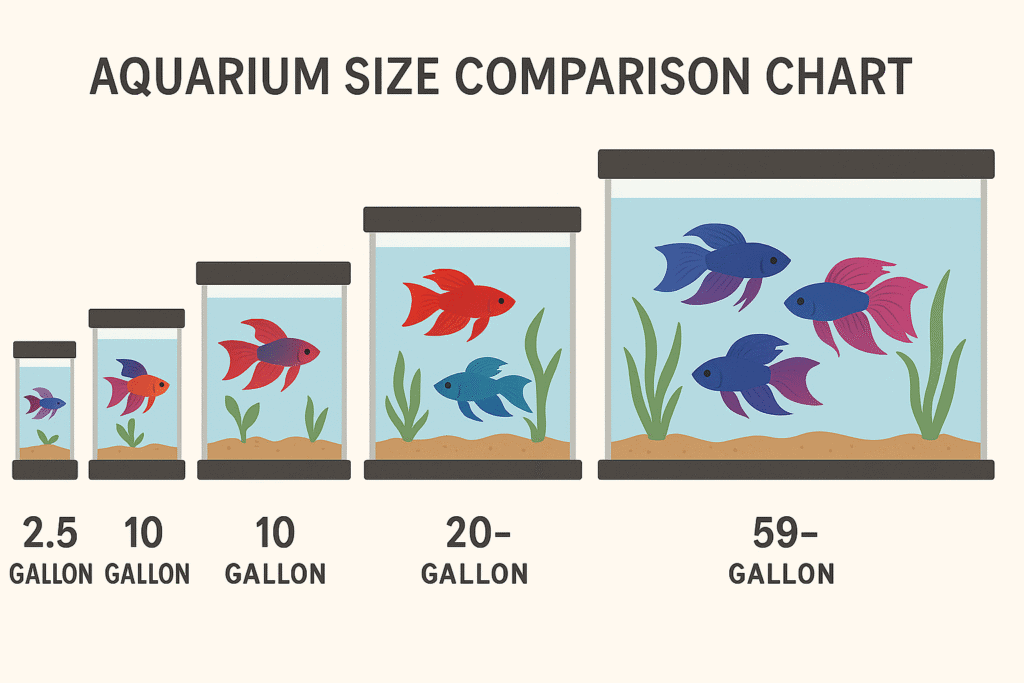
As I consider the future of my aquarium, upgrading to a larger tank becomes vital for the well-being of both pygmy corydoras and betta fish. A minimum of 15-20 gallons is recommended, allowing ample space for these shoaling fish to thrive. In a larger tank, I can accommodate at least six pygmy corydoras, which is important for their social behavior.
Additionally, increased tank size enhances water quality management, effectively diluting waste products. This spacious environment not only reduces stress but also promotes healthier interactions among all species, particularly for territorial bettas. Furthermore, I can introduce new species or increase the number of corydoras, enriching the biodiversity and visual appeal of my aquarium with adult-size fish.
Conclusion
To sum up, keeping pygmy corydoras with betta fish can create a harmonious aquarium if done thoughtfully. By ensuring an appropriate tank size, evaluating your Betta’s temperament, and providing a well-planted environment, you can foster a peaceful coexistence. Always monitor their behavior after introducing them and be prepared to make adjustments as needed.
With careful planning, you can enjoy the beauty and diversity these species bring to your tank, enhancing your aquatic experience with a variety of betta fish tank mates.