If you’ve got a betta fish, it’s essential to avoid nippy species like tiger barbs, guppies, and certain tetras. These fish tend to harass bettas, triggering stress and aggressive behaviors. Fast swimmers may irritate your betta, while fish resembling them can provoke intense territorial disputes. This can severely impact your betta’s health and well-being.
There are peaceful alternatives out there that won’t disturb your betta. If you stick around, I can share more insights on this topic.
Understanding Betta Fish Behavior
Understanding Betta fish behavior is crucial, especially if you plan to keep them in a community tank. Bettas are known for their territorial nature, which often leads to aggressive interactions with other fish. If you introduce nippy fish or species resembling bettas in color or fin shape, expect potential conflicts. Stress can heighten this aggression, particularly in smaller tank environments where space is limited.
I’ve noticed that Bettas rely on their eyesight, so fast-moving or brightly colored fish can trigger defensive reactions. Individual personalities also play a role; some bettas may tolerate specific tank mates better than others. Knowing these nuances in fish behavior can help you create a harmonious tank environment and prevent unnecessary stress for your bettas.
Identifying Nippy Fish
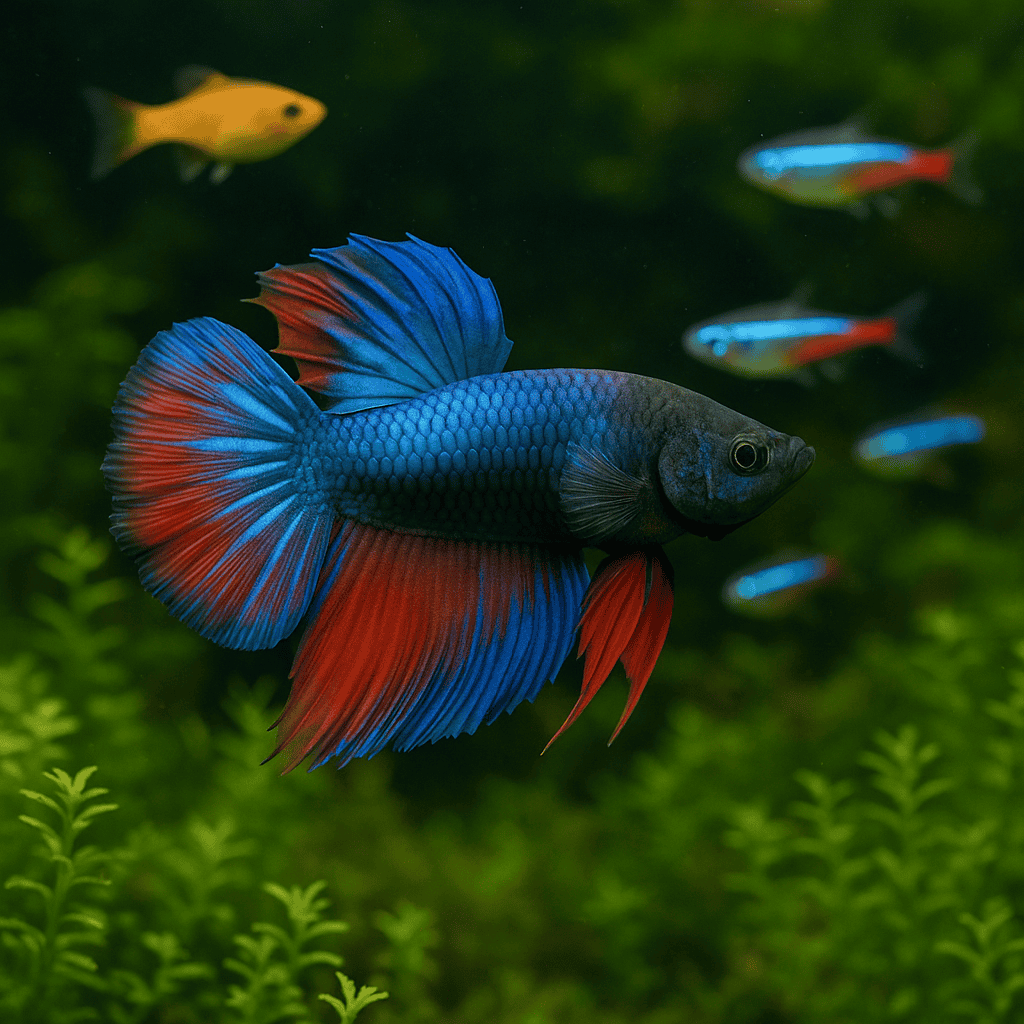
When selecting tank mates for bettas, recognizing nippy fish is vital to maintaining a peaceful aquarium environment. Nippy fish, like danios, guppies, and certain tetras, are known for fin-nipping behaviors that can stress bettas. Their long, flowing fins often attract the attention of aggressive species, particularly small schooling fish such as tiger barbs, which exhibit territorial behavior. These fast-moving fish may chase or nip at bettas, leading to harassment and increased stress.
To guarantee a harmonious tank, I recommend avoiding these small, active fish as companions for bettas, especially in confined spaces. Choosing the right tank mates is essential for creating a serene environment where your entire betta can thrive without the threat of nippy fish.
How Nippy Fish Affect Betta Fish
Nippy fish can greatly stress betta fish, triggering aggressive territorial responses. I’ve observed that when bettas feel threatened, they often become more defensive and may even hide to avoid confrontation. This disruption can lead to a chaotic tank environment that impacts your betta’s overall harmony and well-being.
Nippy Behavior Causes Stress
While many aquarium enthusiasts appreciate the vibrant colors and unique behaviors of nippy fish, their presence can create significant stress for betta fish. Nippy species, such as danios and certain tetras, often engage in aggressive behaviors like fin-nipping, which can lead to injury and heightened anxiety in bettas. This stress can compromise their immune system, making them more vulnerable to diseases in a community tank.
Here are three ways nippy fish affect bettas:
- Increased Hiding: Bettas may hide more often, disrupting their natural behavior.
- Territorial Aggression: The introduction of nippy fish can exacerbate a betta’s territorial nature, leading to confrontations.
- Reduced Activity: Constant harassment diminishes the betta’s quality of life.
Territorial Responses From Bettas
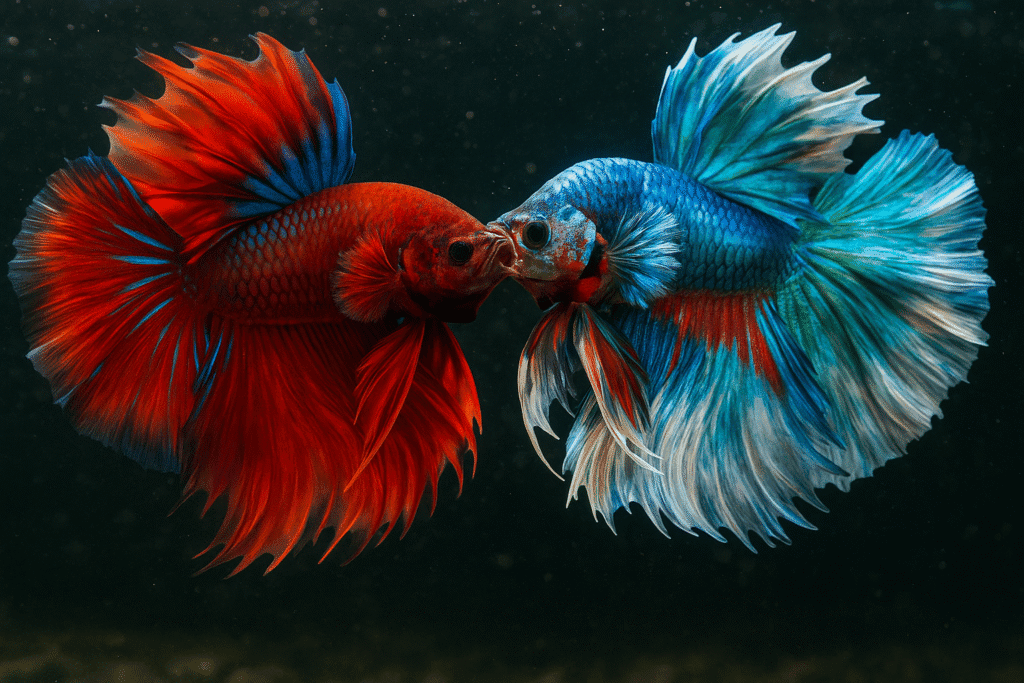
The presence of nippy fish can trigger strong territorial responses in betta fish, prompting them to defend their space vigorously. Bettas, known for their natural territoriality, often exhibit aggressive behaviors when confronted by nippy fish species like certain Danios or Guppies. These interactions can lead to significant stress as bettas engage in defensive actions such as flaring, chasing, or biting.
The introduction of nippy fish can disrupt the established pecking order, pushing bettas to assert dominance and react with increased aggression. Unfortunately, this defensive posturing may cause bettas to retreat and hide, negatively impacting their health. Overall, the territorial responses elicited by nippy fish can escalate into fights, posing risks to both the betta and the nippy species involved.
Impact on Tank Harmony
When considering the impact of tank harmony, it’s crucial to recognize how certain fish species can disrupt the balance within a community aquarium. Nippy fish, like Danios and some Tetras, can provoke aggressive behavior in bettas, leading to stress and injury. Their presence often forces bettas to hide or act territorially, which only escalates conflicts.
To maintain a peaceful aquarium, keep these points in mind:
- Avoid nippy fish: They can greatly stress bettas.
- Select docile tank mates: Choose species that won’t provoke aggression.
- Monitor interactions: Regularly observe the dynamics to uphold harmony.
Species to Avoid With Betta Fish
If you’re considering adding tank mates for your betta fish, it’s essential to know which species to avoid. Certain fish species, like Tiger Barbs and Serpae Tetras, exhibit nipping behavior and can be highly aggressive, causing stress and injury to your betta. Long-finned fish, such as Guppies, may provoke territorial aggression due to their similar fin structure, leading to potential attacks. Fast swimmers like Danios can irritate bettas, prompting aggressive behavior from them.
Additionally, Gouramis can be mistaken for wild bettas, resulting in conflicts and territorial disputes. Finally, fish resembling male bettas or sharing color patterns are also fish to avoid, as they can trigger severe aggression and stress. Prioritize your betta’s well-being by making informed choices.
Alternatives to Nippy Fish
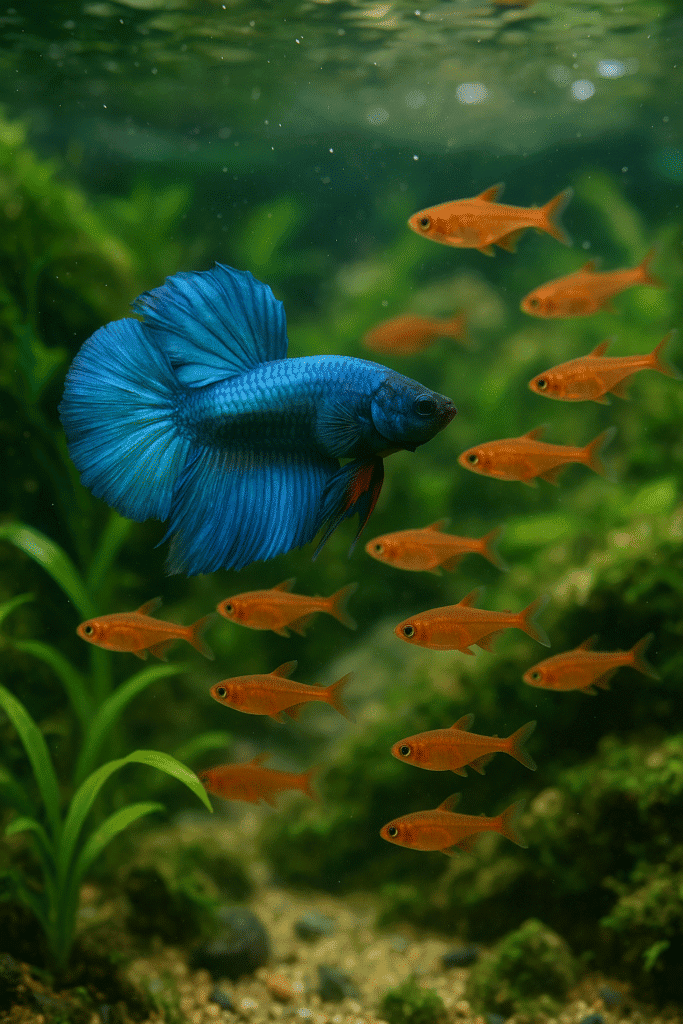
Choosing the right tank mates for your betta can greatly enhance its environment without the stress of aggressive interactions. Here are some peaceful alternatives to nippy fish:
- Corydoras Catfish – These bottom dwellers are non-aggressive and typically coexist harmoniously with bettas.
- Neon Tetras – As small schooling fish, they avoid confrontation and add vibrant colors to your community tank.
- Mystery Snails – These non-aggressive creatures help maintain tank cleanliness while providing visual interest.
You might also consider Amano shrimp, which focuses on scavenging rather than nipping. Additionally, Rasboras prefer to swim in groups, making them another peaceful option that thrives alongside bettas.
Creating a Peaceful Tank Environment
When creating a peaceful tank environment for bettas, I focus on tank size and compatible tank mates. A minimum of 10 gallons provides enough space for both bettas and their companions, reducing territorial disputes. Additionally, choosing a peaceful species guarantees a harmonious community, minimizing stress and aggression.
Tank Size Considerations
A minimum tank size of 10 gallons is essential for creating a peaceful environment when housing bettas with tank mates. This size helps reduce aggression and territorial behavior, allowing all fish ample space. Here are three key considerations for your tank setup:
- Hiding Spots: Incorporate plants and decorations to provide shelter, which can lessen stress and aggression.
- Avoid Overcrowding: More space means fewer conflicts; overcrowding can lead to increased stress and nippy behavior.
- Monitor Water Parameters: Maintaining a well-cycled aquarium with good filtration is vital; poor water conditions can heighten aggressive tendencies.
Compatible Tank Mates
While it’s vital to select compatible tank mates for your betta, understanding their behavior and needs is equally important. Small species like Neon and Cardinal Tetras can coexist peacefully with bettas due to their speed, enabling them to evade aggression. Corydoras catfish are also excellent companions, as they’re peaceful and help maintain tank cleanliness.
However, avoid nippy fish like Danios or Guppies, as their activity can provoke aggression. Creating a peaceful environment requires ample hiding spots and plants, allowing each fish to establish territories. It’s important to monitor interactions during initial introductions to prevent stress.
Compatible Tank Mates
| Peaceful Species | Notes |
|---|---|
| Neon Tetras | Quick swimmers, avoid confrontation |
| Corydoras Catfish | Bottom dwellers, gentle and tank-cleaners |
| Cardinal Tetras | Schooling behavior, colorful and peaceful |
Nippy Fish
| Aggressive Species | Notes |
|---|---|
| Danios | Fast swimmers, prone to fin-nipping |
| Guppies | Long fins attract harassment |
| Tiger Barbs | Highly territorial, chase other fish |
Monitoring Betta and Tank Mate Interactions
To guarantee a harmonious environment, I closely monitor the interactions between my betta and its tank mates for at least 72 hours after their introduction. During this period, I focus on these key aspects:
- Aggression Levels: I watch for any signs of territorial behavior, especially from my betta towards smaller, nippy fish that might provoke stress.
- Water Parameters: I regularly check the water quality, as fluctuations can influence behavior and escalate conflicts.
- Hiding Spots and Visual Barriers: I make certain there are ample hiding spots to help reduce aggressive encounters, allowing fish to escape from potential bullies.
If I notice aggressive interactions, I’m prepared to separate them immediately to maintain a peaceful tank environment.
Conclusion
In summary, keeping betta fish requires careful consideration of tank mates. Nippy fish can disrupt their natural behavior and cause stress. By avoiding aggressive species and opting for peaceful alternatives, you can create a harmonious environment. Regularly monitoring interactions helps guarantee your betta thrives alongside its companions . Remember, a well-planned tank not only enhances the beauty of your aquarium but also contributes to the overall health and well-being of your Betta splendens.