Nerite snails can be great companions for betta fish, as their peaceful nature often allows for a harmonious coexistence. I’ve found that these snails help keep the tank clean by eating algae and waste, contributing to better water quality. However, it’s essential to monitor your betta’s behavior closely after introducing snails since some may exhibit curiosity or aggression.
With the right tank setup, you can create an ideal environment for both species. There’s plenty more to explore about their care and compatibility.
Compatibility of Nerite Snails and Bettas
Although it might seem risky to house nerite snails with bettas, many aquarists find success in this arrangement. The compatibility of nerite snails in a betta tank largely depends on individual betta personalities. Some bettas show little interest in snails, while others may become aggressive or attempt to eat smaller ones. To enhance cohabitation, I recommend providing ample plants and hiding spots.
These elements not only create a more appealing environment but also help mitigate potential aggression. Curiously, I’ve observed that many bettas tend to ignore nerite snails after their initial encounters. Consequently, closely monitoring your betta’s behavior is essential; if aggression arises, consider adjusting the tank setup or relocating the snail to guarantee a harmonious living space.
Benefits of Keeping Nerite Snails
After exploring the compatibility of nerite snails with bettas, it’s clear that these snails offer numerous benefits that can enhance your aquarium experience. As effective algae eaters, nerite snails help maintain clean surfaces in your fish tank, improving overall water quality by consuming waste and decaying matter. Their peaceful nature guarantees they pose no threat to bettas, allowing for harmonious cohabitation.
Additionally, they contribute to the biodiversity of your tank, providing fascinating interactions between the betta and the snails. The unique appearance and variety of shell patterns also enhance the aesthetic appeal of your aquarium. With a diet that includes algae, biofilm, and leftover fish food, nerite snails are truly a valuable addition to any balanced ecosystem.
Feeding Requirements for Nerite Snails
When it comes to feeding nerite snails, understanding their dietary needs is crucial for their health and well-being. These little creatures primarily thrive on algae but appreciate a variety of options to meet their feeding requirements. I’ve found that offering them the following can make a significant difference:
- Algae wafers and biofilm
- Blanched vegetables such as spinach, zucchini, and carrots
- Calcium-rich foods or supplements for shell health
It’s important to monitor their eating habits, especially in tanks with limited algae growth. Overfeeding can lead to waste accumulation, so I recommend providing small amounts of food. This approach guarantees that your nerite snails remain healthy and happy in their environment.
Tank Size Considerations
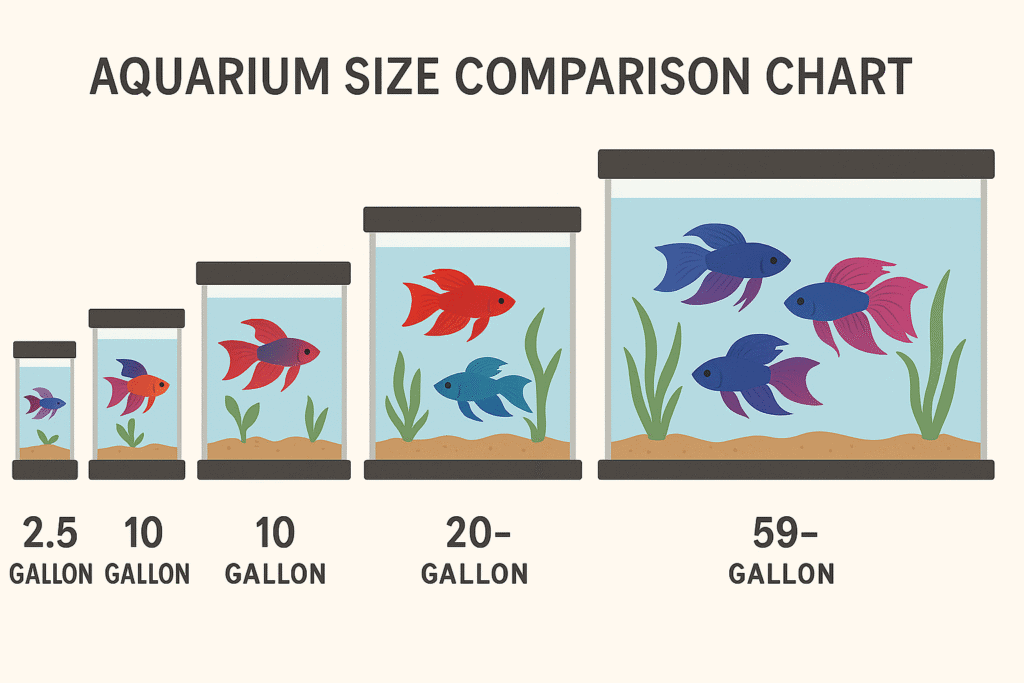
Choosing the right tank size is critical for successfully keeping betta fish alongside nerite snails. I’ve found that a 10-gallon tank is the minimum size you should consider when introducing these two species together. A larger tank provides a stable ecosystem, which is fundamental for maintaining water quality and minimizing stress for both bettas and snails.
Smaller tanks, particularly those around 5 gallons, limit space for hiding spots that are essential for the safety of your aquatic companions. Although some hobbyists have reported success with 5-gallon setups, the potential for overcrowding and poor water conditions makes it a risky choice. Prioritizing adequate space guarantees that your betta fish and nerite snails can thrive harmoniously in their shared environment.
Snail Behavior and Activity Levels
While many aquarists might focus on the vibrant colors and behaviors of betta fish, understanding the behavior and activity levels of nerite snails is equally important for a harmonious tank environment. Here’s what I’ve observed about their habits:
Nerite snails are primarily nocturnal, becoming active at night while resting during the day. They graze slowly on biofilm and algae, which are their main food sources, showcasing varied snail behavior as they search for sustenance. Individual snails can be picky eaters, so offering a variety of options guarantees they get proper nutrition. Being aware of these activity levels and behaviors can foster a healthier coexistence between your nerite snails and betta fish.
Proper Care and Maintenance for Nerite Snails
When caring for nerite snails, I pay close attention to their ideal water conditions, as fluctuations can stress them. A balanced diet is essential, so I make sure to provide algae, blanched vegetables, and occasional treats. Regular tank maintenance, including removing uneaten food, helps keep the environment clean and healthy for these snails.
Ideal Water Conditions
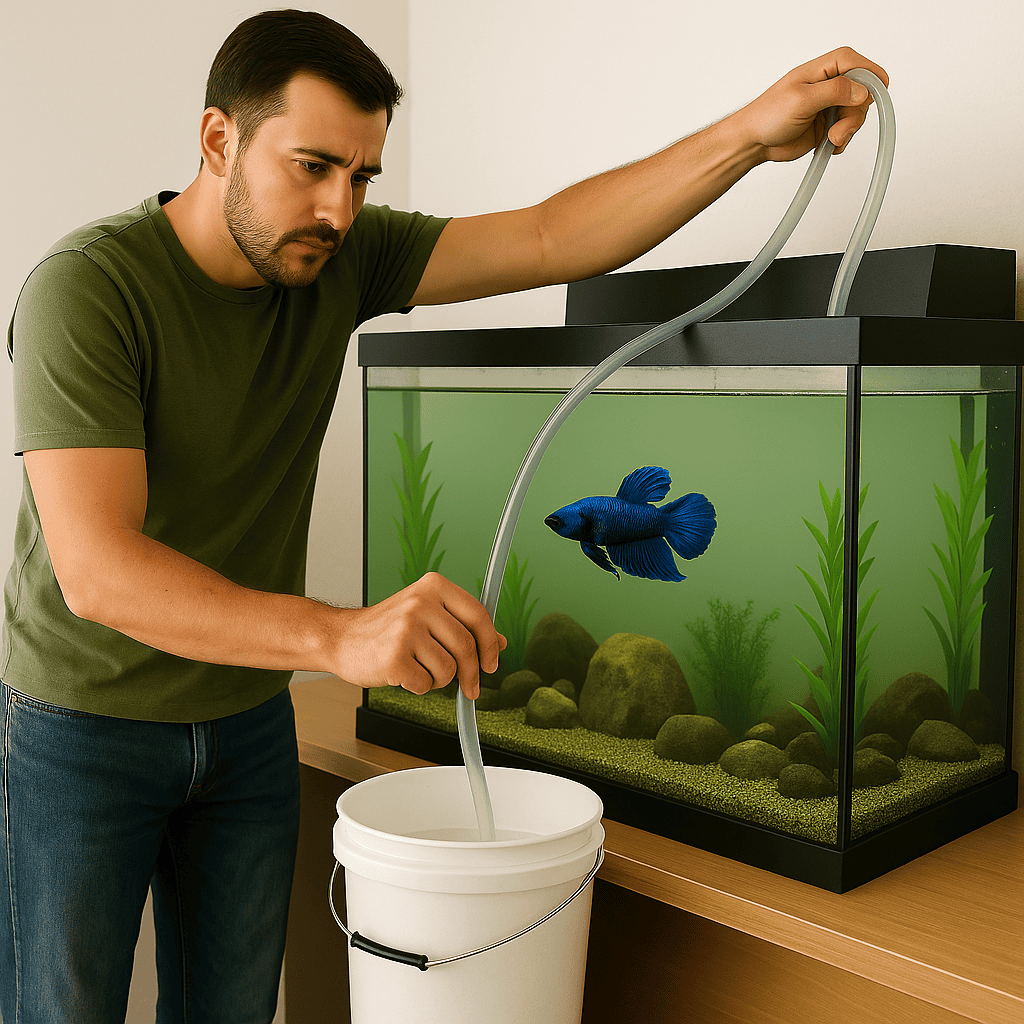
Maintaining ideal water conditions is fundamental for the health of nerite snails in your aquarium. I’ve found that a stable environment guarantees their well-being and longevity. Here are a few key water parameters to keep in mind:
- Temperature: Aim for a range between 72°F and 78°F
- pH Level: Maintain a pH between 7.0 and 8.5 to promote optimal health
- Calcium-Rich Environment: Incorporate calcium supplements or blanched spinach to support shell health
Regular water changes of 10-20% weekly are essential to reduce toxins. Additionally, monitor ammonia, nitrite, and nitrate levels closely, as spikes can harm both your nerite snails and betta fish. Remember, gradual acclimation to new tanks is crucial to prevent stress.
Balanced Diet Requirements
A balanced diet is essential for the health and vigor of nerite snails in your aquarium. These snails primarily consume algae, but I recommend diversifying their diet with algae wafers, blanched vegetables like zucchini and spinach, and biofilm. This variety helps prevent picky eating habits, as nerite snails might refuse commercial foods without fresh options. Calcium is critical for maintaining the integrity of their shells, so consider incorporating calcium-rich foods or supplements.
Be mindful not to overfeed; offering small amounts guarantees water quality remains high and prevents decay. Regularly monitoring tank conditions and feeding habits is fundamental to guarantee your nerite snails thrive alongside your bettas and avoid health issues related to starvation.
Regular Tank Maintenance
While ensuring a clean and stable environment for nerite snails is essential, aquarists find that regular tank maintenance often gets overlooked. To promote their health, I focus on a few key practices:
Regular water changes help control waste and prevent algae overgrowth, keeping the environment stable. Maintaining clean water involves monitoring pH, ammonia, nitrite, and nitrate levels, which is critical for their well-being. Promptly removing any uneaten food prevents water quality issues and reduces ammonia levels.
Community Insights and Member Experiences
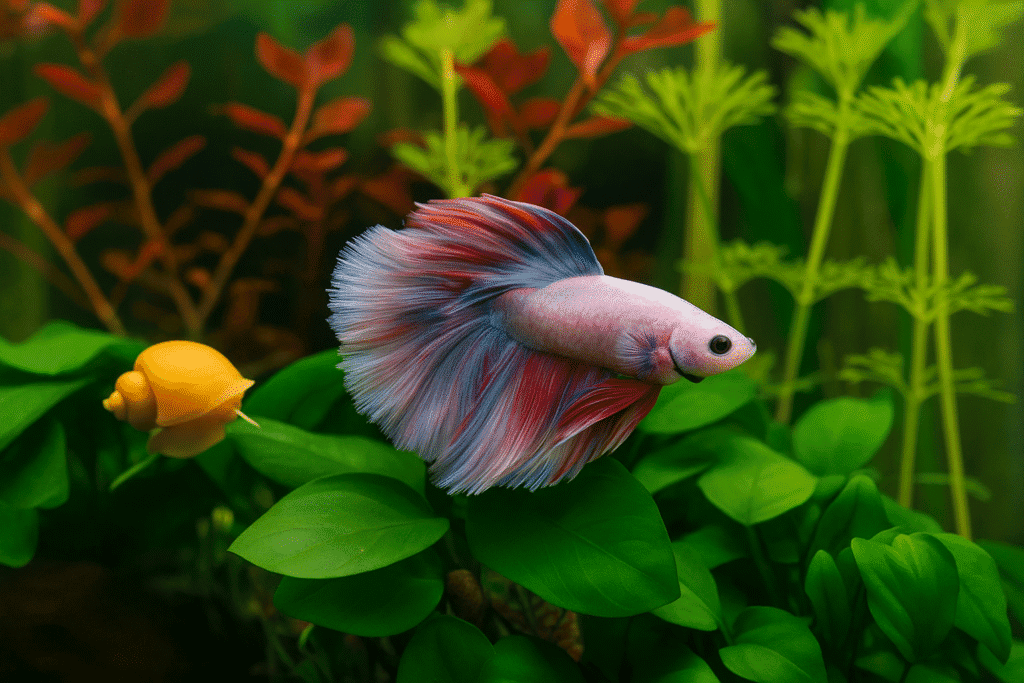
Many have read numerous personal experiences from fellow aquarists about keeping nerite snails with bettas, and the feedback varies widely. While many share positive outcomes with proper tank setups, some caution against aggressive betta behavior, stressing the need for monitoring. It’s clear that the right environment, including hiding spots and adequate tank size, plays an essential role in successful cohabitation.
Personal Experiences Shared
Though many betta owners initially worry about compatibility, I’ve found that the experiences shared in our community often reveal a more nuanced reality. Many members report that their betta fish show curiosity towards nerite snails but lose interest quickly, leading to peaceful coexistence. Here are some insights that stood out:
Keeping multiple nerite snails with bettas in 5-gallon and 10-gallon tanks has proven successful. Providing ample hiding spaces and plants helps minimize potential aggression. Individual betta personalities vary, with some being more tolerant of snails than others. Most users observe little to no issues post-introduction, highlighting that with careful observation and a well-planned tank environment, betta fish and nerite snails can thrive as tank mates.
Cautionary Tales Highlighted
As I’ve observed through various community discussions, cautionary tales often emerge when it comes to pairing betta fish with nerite snails. Many members emphasize the need to monitor individual betta behavior, as aggression can vary considerably, which addresses a common snail question about compatibility. Some bettas exhibit territorial disputes, especially in smaller tanks where stress levels rise. It’s vital to provide ample plants and hiding spots, which can mitigate these tensions.
Notably, personal experiences reveal that while initial curiosity or aggression towards nerite snails is common, bettas often lose interest over time. However, successful cohabitation largely hinges on the specific betta’s personality and the tank’s environmental setup. Therefore, careful observation and preparation are essential for fostering peaceful cohabitation.
Tank Setup Recommendations
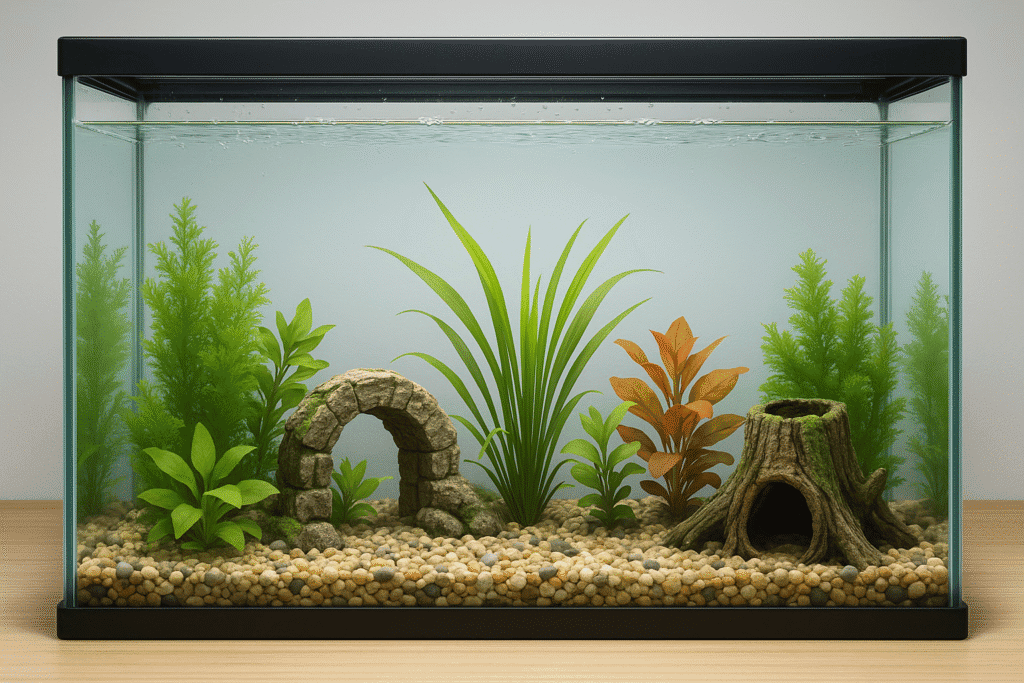
Successful cohabitation of bettas and nerite snails hinges considerably on the tank setup. From experience, I’ve found that adhering to specific tank setup recommendations can make all the difference in fostering a harmonious environment. Here’s what I suggest:
Opt for a 10-gallon tank to guarantee stability and space for both species. Create plenty of hiding spots using plants and decorations to help mitigate any aggressive behavior from the betta. Maintain regular water changes to keep the ecosystem healthy, especially in smaller setups. These strategies not only enhance the living conditions for your betta and nerite snails but also increase the likelihood of peaceful coexistence. Observing their interactions can be quite rewarding as they adapt to their shared space.
Recommended Snail Species for Betta Tanks
When selecting the right snail species for a betta tank, it’s essential to evaluate both compatibility and tank dynamics. I recommend Nerite Snails for their algae-eating capabilities and intriguing patterns, making them a visually appealing choice. Mystery snails are also fantastic companions, growing to about 2 inches and primarily feeding on plant matter.
However, keep an eye on Malaysian Trumpet Snails, as they reproduce quickly and can lead to overpopulation. Ramshorn Snails are omnivorous and can grow up to 2 inches, but their breeding rates might create challenges with aggressive bettas. Finally, consider Assassin Snails for pest control, but avoid mixing them with other snails due to their predatory nature.
Environmental Considerations for Snails
When caring for nerite snails, aquarists find it essential to keep a close eye on water quality, as they thrive in stable conditions. Additionally, providing plenty of hiding spaces and ensuring the right temperature and pH levels are vital to their well-being. By maintaining these environmental factors, I can create a healthier habitat for both the snails and the betta fish.
Water Quality Monitoring
While maintaining a stable environment might seem like a challenging task, regular water quality monitoring is essential for the health of both nerite snails and betta fish. Fluctuations in water parameters can stress these species, leading to health issues. Here are key aspects to focus on:
Verify that ammonia and nitrite levels are at zero ppm. Maintain nitrates below 20 ppm for a safe environment. Aim for a pH range of 7.0 to 8.5 and keep temperatures between 72°F to 78°F.
Space and Cover Needs
Creating a suitable environment for nerite snails involves careful consideration of both space and cover needs, as these factors greatly impact their well-being. Nerite snails thrive in a minimum tank size of 5 gallons, though a 10-gallon tank is preferable, especially when housing them with bettas. Overcrowding can lead to stress and poor water quality, which is why adequate space is essential.
Additionally, providing sufficient cover, such as plants and decorations, helps snails feel secure and reduces the risk of aggression from territorial bettas. Ensuring that snails have places to retreat into is vital, as it alleviates stress and promotes a healthier environment for both species. Balancing these aspects fosters harmony in your aquarium.
Temperature and Ph Levels
To guarantee the health and energy of nerite snails in an aquarium, it’s crucial to maintain ideal temperature and pH levels. I’ve found that ensuring the right conditions not only supports the snails but also benefits the betta fish. Here are some key water parameters to monitor:
Temperature: Keep it between 72°F to 78°F (22°C to 26°C). pH Levels: Maintain a range of 7.0 to 8.2 for slightly alkaline conditions. Water Stability: Regularly check for fluctuations to minimize stress and health issues. Additionally, hard water with higher calcium content aids in shell development, so consider that when setting up your tank. Regular water changes are crucial for a stable environment, promoting ideal growth for both species.
Vacation Considerations for Tank Maintenance

When planning a vacation, it’s important to evaluate how adding nerite snails to your tank might affect maintenance routines. Unlike dealing with a snail with parasites, healthy nerite snails require minimal intervention during short absences. The bio load from these snails can increase the need for frequent water changes to maintain water quality.
I recommend avoiding having someone else perform these changes, as they might not understand the specific requirements of your tank. Before you leave, verify regular maintenance is completed to prevent any issues, like snails escaping due to poor water conditions. If you’re away for an extended period, set up a feeding schedule with a trusted pet sitter to care for both your betta and snails. Always consider how your absence impacts the tank environment to promote a healthy ecosystem.
Conclusion
To summarize, pairing nerite snails with betta fish can create a harmonious and visually appealing tank environment. These snails not only contribute to tank cleanliness but also thrive without posing a threat to your betta. By carefully considering tank size, feeding, and environmental needs, you can guarantee a successful coexistence.
From experience, the right balance of species can lead to a vibrant community, making it a rewarding endeavor for any aquarist.