Harlequin Rasboras can make ideal tank mates for Betta fish, but it’s essential to manage their environment carefully. Introducing the Rasboras first helps establish territory. They’re peaceful and active, which can help them evade a Betta’s aggression.
I recommend an Edge tank of at least 10 gallons with lots of plants and hiding spots. Water conditions should be stable, ideally between 72°F to 80°F. Want to find out more about ensuring harmony in your tank?
Understanding Both Species of Fish
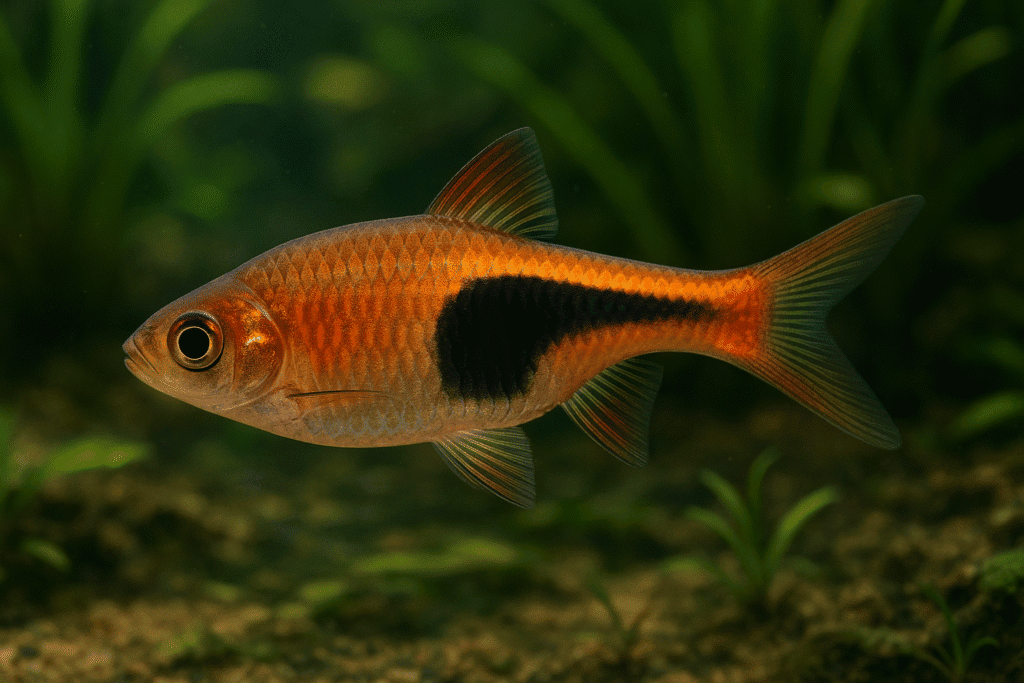
When considering the compatibility of Harlequin Rasboras and Siamese fighting fish in a community tank, it’s essential to understand the distinct characteristics of both species. Harlequin Rasboras are peaceful schooling fish that thrive in groups of at least six, creating a vibrant dynamic in community tanks. They prefer similar water conditions as Betta fish, with temperatures ranging from 72°F to 80°F and a pH level between 6.0 and 7.8.
Growing to about 1.5 to 2 inches, their smaller size compared to male Betta fish, which reach 3 to 4 inches, reduces size-related aggression. Their non-aggressive nature and swift swimming abilities allow them to evade potential threats, making them a visually appealing and harmonious addition to Betta tanks.
Is It True That Rasboras and Betta Can Be Tank Mates?
Can Harlequin Rasboras and Betta fish really coexist in the same tank? Yes, they can, but it requires careful consideration. Here are some key points to keep in mind:
- Introduce Harlequin Rasboras before your Betta to help establish territory.
- Their active nature helps them evade potential aggression from Bettas.
- Individual Betta temperaments can vary; some may accept Rasboras, while others may not.
- A minimum tank size of 10 gallons is important for a harmonious environment.
When keeping bettas in community tanks, choosing the best tank mates is vital for success. I’ve found that maintaining a peaceful community with Harlequin Rasboras is possible with proper monitoring and suitable tank size. Always observe closely to guarantee a balanced ecosystem.
Providing the Right Conditions
To create a harmonious environment for both Betta and Harlequin Rasboras, starting with a minimum tank size of 10 gallons is recommended, as larger tanks greatly enhance stability. It’s essential to maintain water temperatures between 72°F and 80°F, alongside a pH level between 6.0 and 7.8, to guarantee both species thrive. I believe prioritizing these conditions fosters a healthier, more peaceful aquarium setup.
Ideal Tank Size
Creating the right environment is essential for successfully housing Harlequin Rasboras and Betta fish together. For peak harmony, a minimum of a 20-gallon tank is ideal. This tank size allows for better water quality management and minimizes territorial disputes, particularly with male Betta fish. Here are some key considerations:
- A 10-15 gallon tank can work, but space is limited.
- A well-cycled tank with a gentle filter supports stability.
- Maintain water temperatures between 72°F to 80°F.
- Provide hiding spots and lots of plants to reduce stress.
Water Quality Requirements
Maintaining ideal water quality is essential for the health of both Harlequin Rasboras and Betta fish in a shared aquarium. Monitoring several key parameters regularly guarantees a thriving environment. I recommend checking these values at least weekly.
Aquarium Water Parameters Table
| Parameter | Ideal Range |
|---|---|
| Temperature | 77°F – 83°F |
| pH Level | 6.0 – 7.8 |
| Tank Size | 10+ gallons for Rasboras, 29 gallons for Betta |
| Water Hardness | 5-17 dGH |
| Ammonia/Nitrite/Nitrate | 0 ppm (ammonia/nitrite), <20 ppm (nitrate) |
This table provides a clear reference for maintaining optimal water conditions for your aquarium inhabitants.
3- Introducing Tank Mates

While introducing Bettas to a tank with Harlequin Rasboras can be rewarding, it requires careful planning and execution to secure harmony among species. Here are some essential tips to promote a thriving community:
- Introduce Harlequin Rasboras before adding a male Betta.
- Maintain a group of at least six Rasboras in a minimum 10-gallon tank.
- Create a well-planted environment with hiding spots for both species.
- Monitor water parameters closely, aiming for 72°F to 80°F and pH 6.0 to 7.8.
Behavioral Insights
When observing Betta fish, significant variability in temperament directly influences their interactions with Harlequin Rasboras. This behavioral unpredictability can lead to stress and aggression, making it essential to monitor the Betta with tank mates closely after introducing these species. I’ve found that understanding how to manage these dynamics helps guarantee a harmonious environment for all tank inhabitants.
Betta Temperament Variability
Understanding Betta fish temperament reveals a fascinating spectrum of behavior that can greatly influence their interactions with tankmates, such as Harlequin Rasboras. The variability in Betta’s temperament can lead to diverse experiences when cohabitating with other fish. Here are some key insights:
- Some Bettas are aggressive, while others may be peaceful tank mates.
- Introducing Harlequin Rasboras first can mitigate territorial behavior.
- Individual Betta personalities markedly impact their compatibility with tankmates.
- Monitoring interactions is essential, as aggression can be directed towards non-threatening species.
Stress and Aggression Management
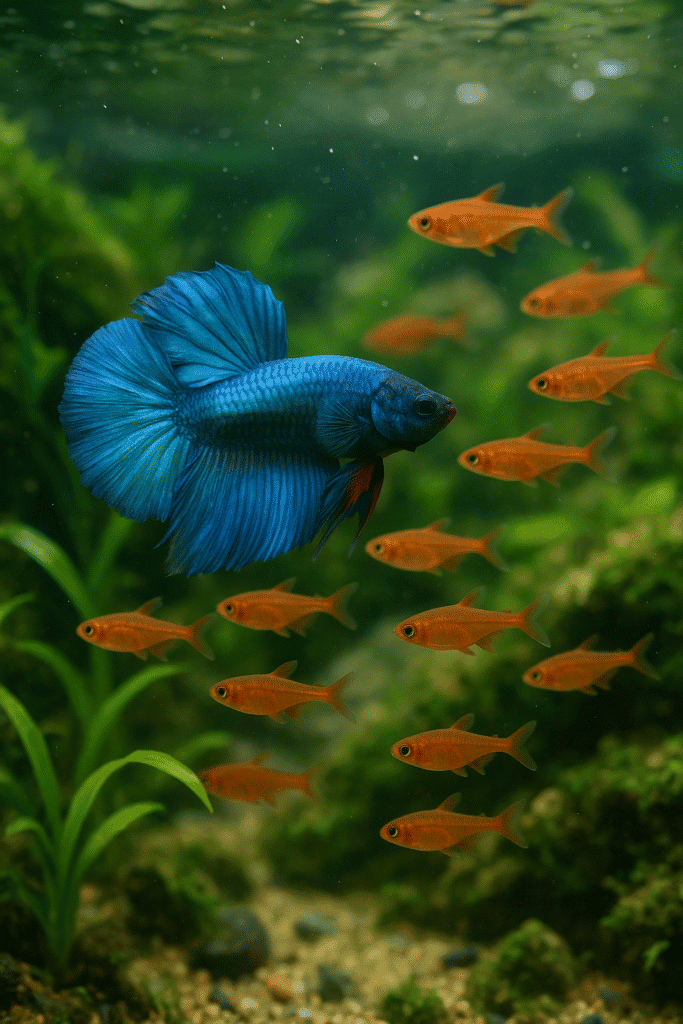
To effectively manage stress and aggression in a tank housing Betta fish and Harlequin Rasboras, it’s essential to recognize the environmental factors that contribute to their behavior. Introducing Harlequin Rasboras first can help establish territory and reduce potential aggression from the Betta. Providing ample hiding spots and plants markedly lowers stress levels, offering Rasboras safe retreats during aggressive displays.
I’ve observed that continuous monitoring of interactions is vital; stress can escalate when Bettas are housed with incompatible tankmates or during stressful introductions. A well-planted and spacious environment not only promotes health but also mitigates aggression, as the Betta feels less threatened and more secure in its territory. Prioritizing these factors creates a harmonious community tank.
Final Thoughts
While it’s essential to contemplate the unique temperaments of both Betta fish and Harlequin Rasboras, the combination can create a vibrant and harmonious aquarium when managed properly. Mystery snails can also serve as active tank janitors in this setup.
- Keep at least six Harlequin Rasboras for ideal school behavior.
- A 29-gallon tank provides ample space to reduce territorial disputes.
- Monitor Betta temperament closely after introducing new fish.
- Incorporate plants and hiding spots for enhanced cohabitation.
Conclusion
To sum up, keeping harlequin rasboras with betta fish can be a rewarding experience if you carefully manage their environment and monitor their behaviors. These species can coexist peacefully, provided there is adequate space and hiding spots. A Community Tank for Female Bettas offers even more possibilities, as female bettas tend to be less aggressive than males.
I’ve found that both fish can thrive together with the right approach. Ultimately, it’s about observation and adjustment; with proper Considerations for Female Betta Tank Mates, you can create a harmonious community tank.