Betta Fish thrive in a fish tank with a general hardness (GH) of 2–15 dKH, with a preferred range between 4–8 dKH. Low hardness can lead to stress and weakened immunity, while high hardness may cause organ stress and a shorter lifespan. Regular testing is essential to maintain stable hardness levels and avoid fluctuations. I recommend monitoring and adjusting with tools like aquarium test kits to ensure consistency in water parameters.
Understanding Betta Fish Water Requirements
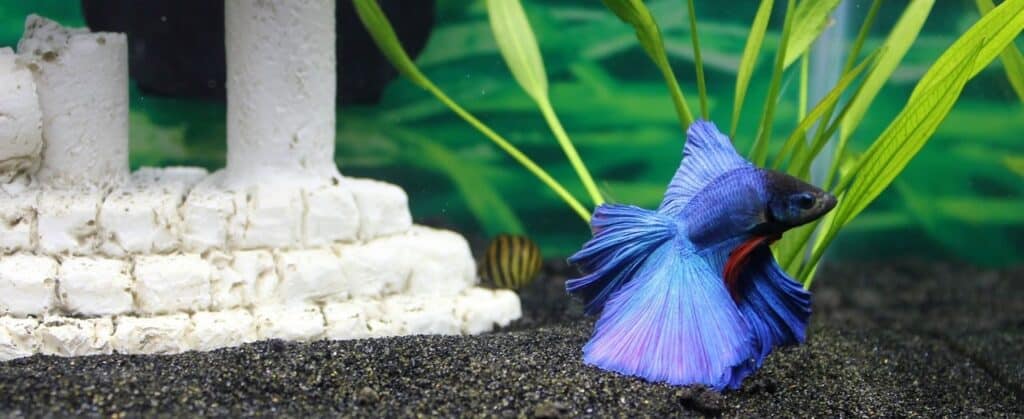
Understanding the water requirements for betta fish is fundamental for their health and longevity. Bettas thrive in specific water conditions—ideally with a GH between 2–15 dKH—reflecting their natural soft-water habitat. Maintaining such water quality is critical; fluctuations in GH can destabilize pH levels, leading to stress and potential health issues for these soft-water Fish.
Regular water changes and testing are essential to guarantee the GH and pH remain stable. Adjustments to the tank setup can involve natural additives like crushed coral to increase GH or driftwood to decrease it. By prioritizing these elements, I promote ideal living conditions for my bettas, enhancing their overall well-being.
Ideal Water Hardness Range for Bettas
While maintaining appropriate water hardness is essential for bettas, I find that the ideal range is between 2 and 15 dKH. Bettas thrive best in soft to moderately hard water, with a preference for lower dKH levels around 4–8 dKH. This specific water hardness supports their health and well-being, guaranteeing optimal pH levels and stable water parameters.
High water hardness, particularly above 15 dKH, can result in significant health issues, including stress and a weakened immune system. As a result, it’s vital for betta keepers to regularly test water hardness to make certain it remains within this ideal range. Consistency in water hardness helps prevent fluctuations that could negatively impact the overall health of our beloved betta fish.
Effects of Low and High Water Hardness
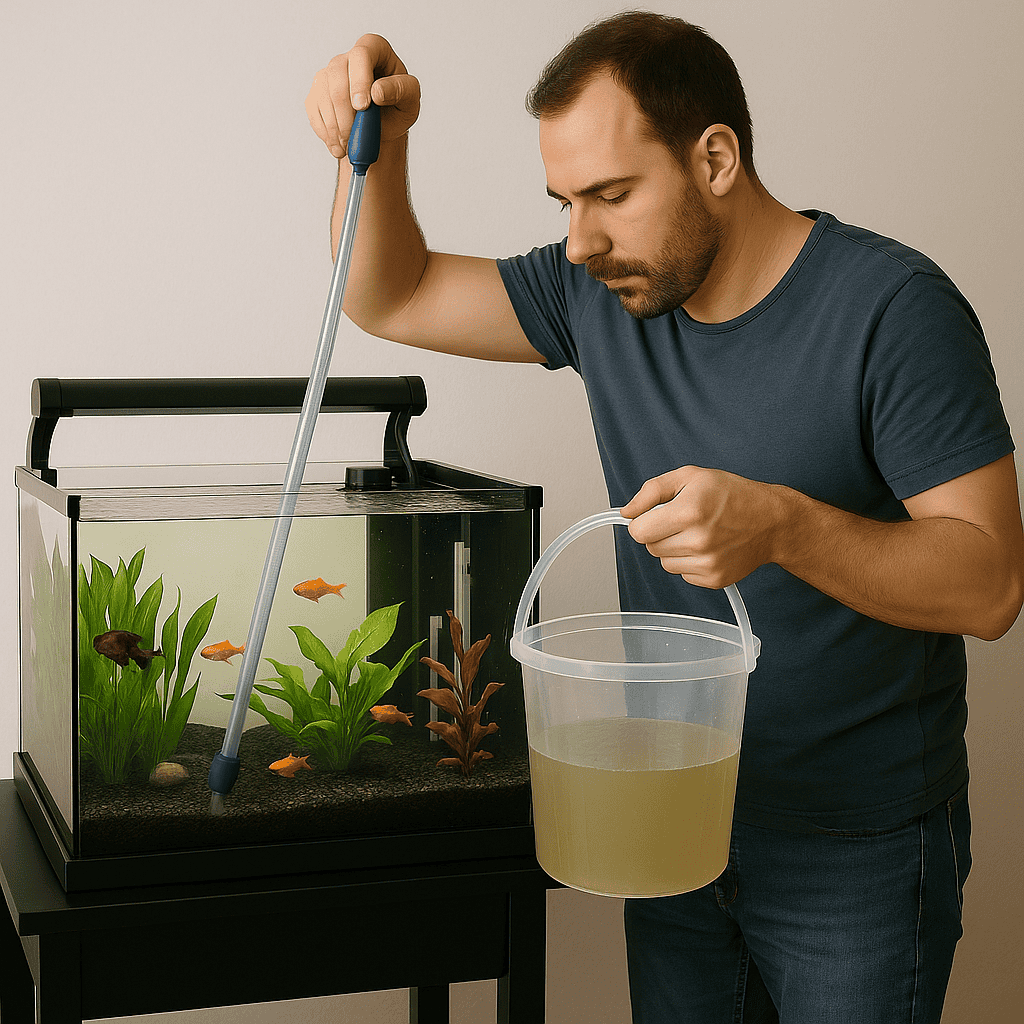
Maintaining appropriate water hardness and water temperature is only part of the equation for betta health; I emphasize that the effects of low and high water hardness can greatly impact their well-being. Low GH, defined as general hardness below four dGH, can cause significant stress in bettas, leading to reduced appetite and weakened immune systems.
Conversely, high GH, exceeding eight dGH, may result in organ stress and even shorter lifespans due to unsuitable mineral levels. Bettas are naturally adapted to softer water environments, so fluctuations can lead to health complications. Regular monitoring of water hardness is crucial to guarantee that conditions remain within the best 2–15 dKH range, promoting a thriving atmosphere for these exquisite Fish.
Testing Water Hardness: Tools and Techniques
I find that to guarantee your bettas thrive, regular testing of water hardness is essential. Understanding the tools and techniques available will help you maintain ideal conditions. Here are four effective methods:
- Test Strips: Quick and easy, though less precise.
- Aquarium Test Kit: Reliable and measures dKH accurately.
- General Hardness (GH) Test: Conduct alongside dKH measurements for a thorough assessment.
- Regular Monitoring: Schedule consistent tests to detect fluctuations early.
Adjusting Water Hardness for Optimal Betta Health
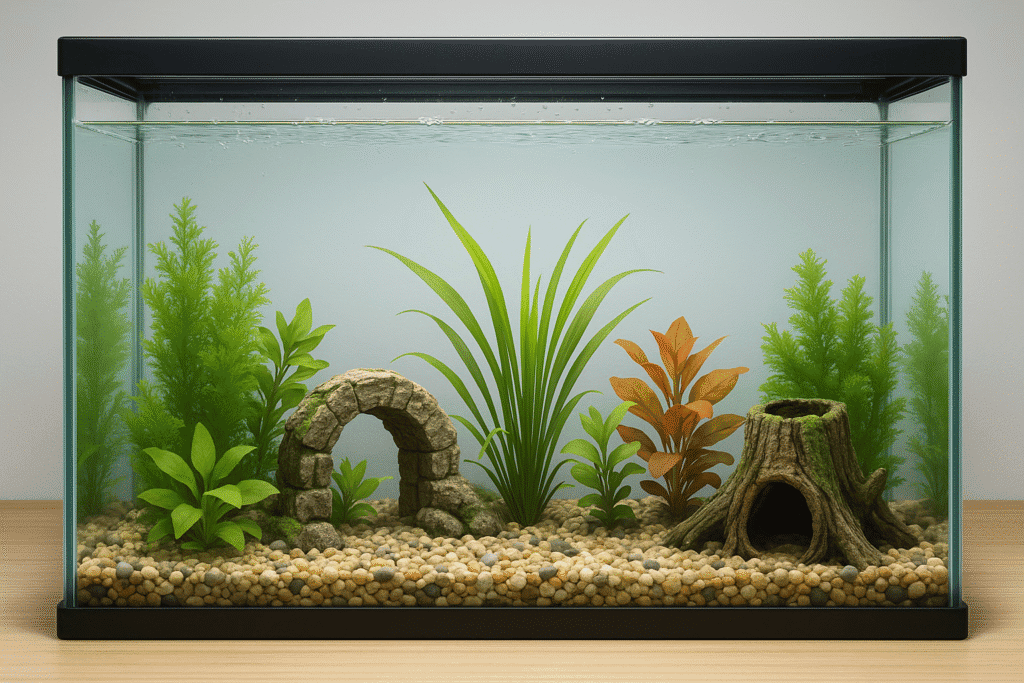
I aim for a GH between 30–120 ppm to promote ideal fish health. Increasing water hardness can be done by adding crushed coral to the filter or substrate, which gradually raises the levels. Conversely, sphagnum moss can be used to decrease hardness. It’s important to make these adjustments slowly over several days to avoid shocking my Fish. Using a reliable water conditioner can also help manage these parameters effectively, ensuring a stable environment for my bettas.
Importance of Regular Water Monitoring
While guaranteeing the right water hardness for my bettas is essential, I find that regular monitoring of water parameters is equally important. By consistently checking these factors, I can prevent potential stress and health issues in my Fish. Here are the key aspects I focus on:
- Water Hardness: Maintain levels between 2–15 dKH.
- pH Level: Regular tests help avoid harmful fluctuations.
- Test Kit: Reliable kits allow for accurate readings and adjustments.
- Log Results: Keeping a log of test results helps identify patterns and underlying issues over time.
Common Water Hardness Issues and Solutions
I’ve observed that identifying water hardness problems is essential for maintaining a healthy environment for bettas. Effective softening techniques can mitigate high hardness levels, while regular testing guarantees fluctuations are caught before they impact our Fish.
Identifying Hardness Problems
To guarantee your bettas thrive, it’s essential to identify and address any water hardness issues that may arise:
- Reduced Appetite: May signal improper hardness.
- Sluggish Behavior: A lethargic betta often indicates stress from unsuitable GH or KH levels.
- Increased Illness Susceptibility: Frequent health issues can stem from hard water.
- Testing Regularly: Use reliable test kits to check GH and KH, ensuring levels stay within the ideal range.
Effective Softening Techniques
Mixing 2/3 distilled water with 1/3 tap water helps gradually reduce the GH, making it more suitable for my bettas. Using reverse osmosis (RO) water effectively dilutes minerals and achieves the desired hardness levels.
By implementing these techniques, I markedly enhance the quality of life for my bettas, ultimately supporting their health and longevity in my aquarium alongside selecting compatible tank mates. Prioritizing appropriate water hardness is essential for their well-being.
Regular Testing Importance
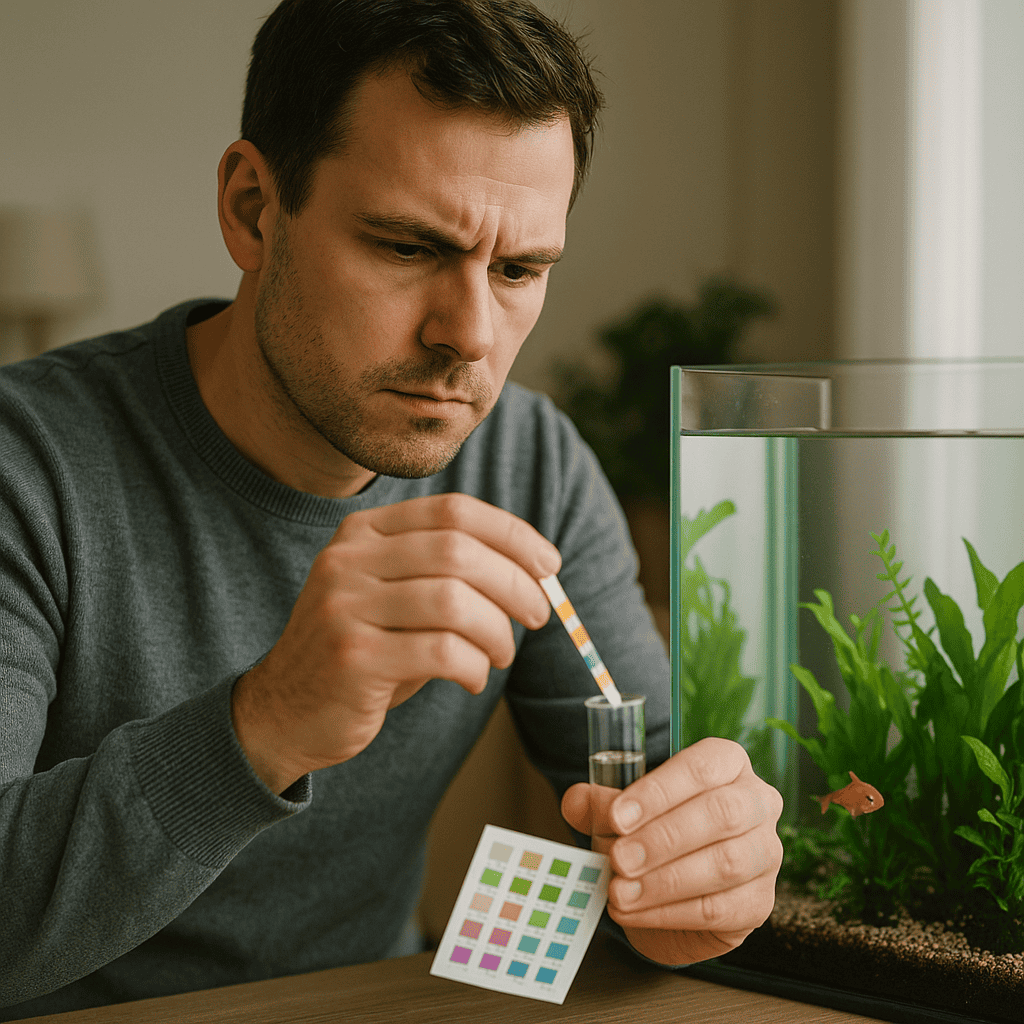
Regular testing of water hardness is essential for maintaining ideal conditions in a betta aquarium. Monitoring both GH and KH guarantees peak betta health. High GH levels can stress Fish, while low KH may lead to dangerous pH fluctuations. I focus on these key actions:
- Test Regularly: Use accurate kits and replace them every three years.
- Monitor GH: Keep it within 30–120 ppm.
- Maintain KH: Aim for 4–8 dKH to buffer pH stability.
- Act Promptly: Use crushed coral or distilled water to adjust hardness as needed.
Conclusion
In summary, maintaining water hardness between 2–15 dKH is vital for your betta’s health and well-being. I’ve found that both low and high hardness levels can lead to significant stress and health issues for these sensitive Fish. Regular monitoring and adjustments are necessary to create a stable environment.
By addressing common water hardness challenges proactively, you can secure your betta thrives in its habitat, ultimately enhancing its vibrant colors and lively behavior.