Betta rubra, or the Red Wild Betta, hails from the peat swamps of Sumatra, Indonesia. They display striking red coloration, mainly in males, along with blue barring. During my experience, I’ve noticed habitat degradation and pollution threaten their populations, emphasizing the need for conservation.
What Are Rubra?
When exploring the fascinating world of Betta rubra, also known as the Toba betta, it is essential to understand their unique characteristics and behaviors.
This species, native to the peat swamps of Sumatra, showcases vibrant male coloration with striking red and blue barring. As a mouthbrooding betta, males incubate fertilized eggs in their mouths for 15 to 17 days, releasing fry that requires immediate access to live food. Betta rubra thrives in soft, slightly acidic water, preferring a pH of 6.0–6.5 and temperatures between 76–82°F.
Importantly, they exhibit greater resilience than other wild bettas, often surpassing the typical 2–3 year lifespan, making them a rewarding choice for aquarists who prioritize health and vigor in their aquatic companions.
How I Got Started
My journey with Betta Rubra began with a mix of excitement and confusion. Initially, I encountered conflicting information regarding their care, particularly concerning water parameters. Through trial and error, I eventually observed successful breeding behavior, enhancing my understanding of their specific needs.
Challenge
| Challenge | Solution |
|---|---|
| Poor water quality | Regular water testing |
| Feeding difficulties | Introducing live food |
| Stress from acclimation | Gradual introduction to the tank |
Keeping Rubra
When keeping Betta rubra, I’ve found that tank size is vital—at least 50 gallons is ideal to accommodate their social structure effectively. Water quality also plays a significant role, requiring clean, heated conditions with a pH of 6.0–6.5 for best health.
Finally, selecting suitable tank mates is essential, as maintaining a lower male-to-female ratio can prevent aggression and promote a harmonious environment.
Tank Size Requirements
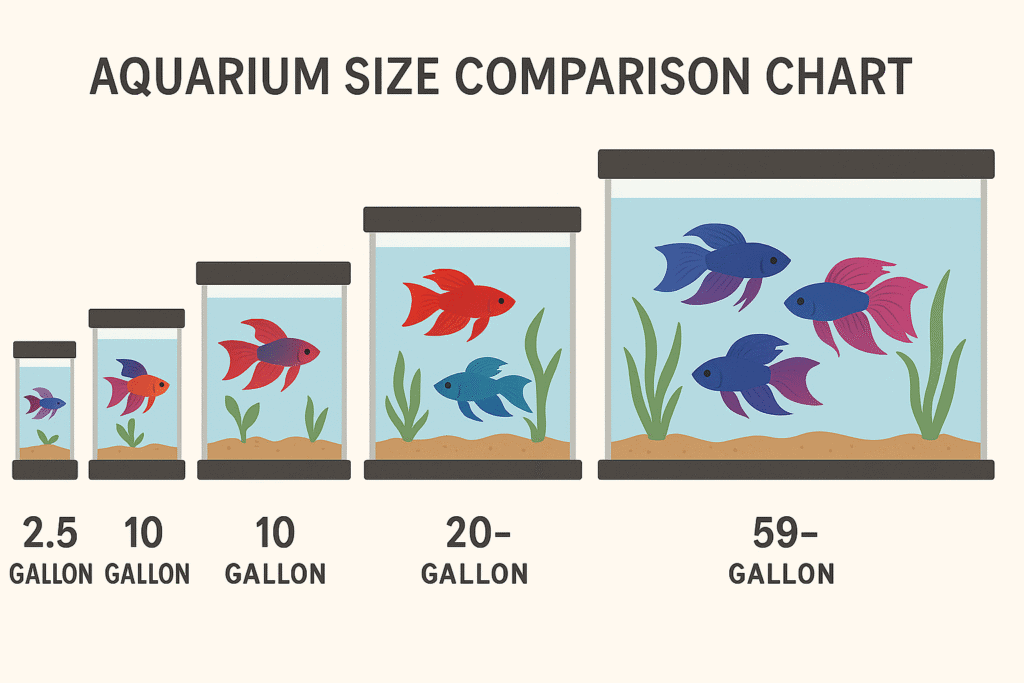
To successfully keep Betta Rubra, it’s important to provide an appropriate tank size that meets their needs for space and comfort. Here are the tank size requirements you should consider:
- Minimum size: A single Betta rubra requires at least a 10-gallon tank.
- Pairs: For a pair, a 20-gallon tank is recommended to guarantee adequate comfort.
- Communal setups: Aim for a minimum of 30 gallons to house groups, ideally with fewer males than females, to reduce territorial disputes.
- Dimensions: The tank should measure at least 45 × 30 cm to give sufficient swimming space and cover.
Additionally, it includes driftwood, clay pots, and plants to create a structured environment. Always remember to keep a lid on the tank, as these fish can jump.
Water Quality Preferences
Maintaining a suitable tank size for Betta rubra sets the stage for their overall well-being, but water quality plays an equally significant role in ensuring they thrive. I’ve found that these beautiful fish prefer slightly acidic water with a pH ranging from 6.0 to 6.5, a critical factor for their health and breeding success.
The ideal temperature sits between 76°F and 82°F, creating a comfortable environment. Keeping ammonia and nitrite levels at zero ppm is essential while ensuring nitrates remain below 30 ppm helps prevent stress. Using clean, cycled, and heated water enriched with tannins from Indian almond leaves not only enhances their coloration but also mimics their natural blackwater habitat, promoting optimal conditions for Betta rubra.
Suitable Tank Mates
Considering Betta Rubra’s social dynamics, choosing the right tank mates can greatly influence their behavior and overall health. When setting up a communal tank, consider these compatible species:
- Small Tetras – Their peaceful nature encourages harmony.
- Rasboras – Another gentle species that won’t provoke territorial disputes.
- Certain Catfish – Opt for those that don’t compete for space, guaranteeing a stress-free environment.
- Ample Hiding Spots – Use driftwood and plants to provide cover, helping Betta Rubra establish territory and minimize aggression.
Avoid larger or aggressive fish, as they can induce stress. Also, ensure all inhabitants share similar water parameters—soft and acidic—to promote overall compatibility and health.
Breeding
While breeding Betta rubra can be a rewarding endeavor, it requires careful attention to their unique reproductive behaviors and environmental needs. These fish exhibit paternal mouthbrooding, with males incubating fertilized eggs in their mouths for about 15 days.
The courtship begins with the female performing a dance to entice the male, who collects the eggs post-spawning. To facilitate successful breeding, I maintain slightly acidic water conditions enriched with heavy tannins, essential for their health and reproductive behavior.
After spawning, I promptly remove the brooding male to prevent him from consuming the fry. The newly released fry, being quite small, need immediate access to live food like Daphnia or crushed bloodworms to thrive in their early stages.
Care and Maintenance
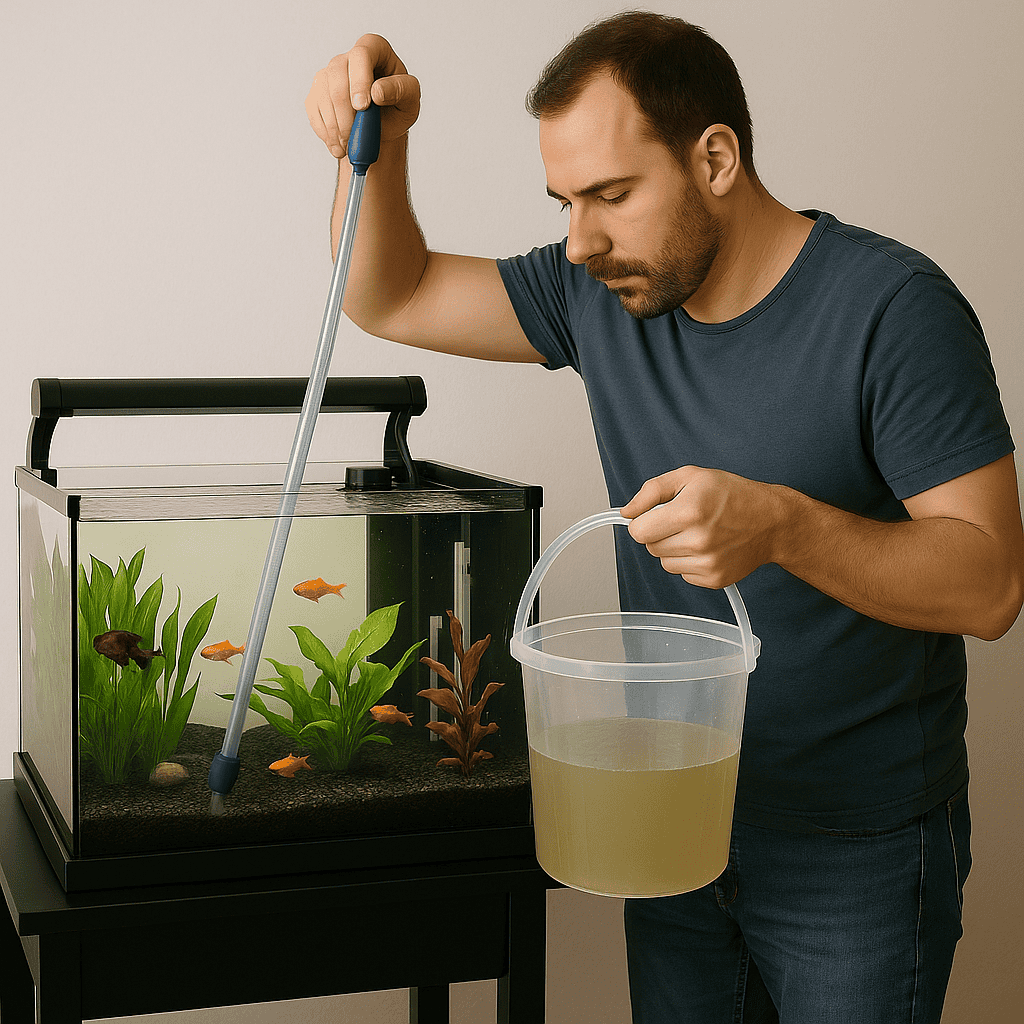
To guarantee the ideal health and longevity of Betta rubra, providing an adequately sized tank is critical. Here are some key care and maintenance tips:
- Water Parameters: Maintain slightly acidic water (pH 6.0–6.5) and a temperature of 76–82°F. Use a heater and make certain the water is cycled and clean.
- Regular Monitoring: Check ammonia, nitrite, and nitrate levels, aiming for zero ppm ammonia and nitrite, with nitrate below 30 ppm.
- Aquatic Environment: Include driftwood, clay pots, and plants like Microsorum and Cryptocoryne for shelter and enrichment.
- Diet: Offer a varied diet, incorporating frozen foods to enhance nutrition and health.
Conservation Status
Betta rubra’s conservation status is critical due to ongoing habitat degradation within the Lake Toba region. I’ve observed that pollution and environmental changes are severely impacting its peat swamp habitat, which is essential for both survival and reproduction. It’s clear that urgent conservation efforts are necessary to guarantee the persistence of this species and the biodiversity of its ecosystem.
Habitat Degradation Threats
As habitat loss escalates due to human activities, the conservation status of Betta rubra becomes increasingly precarious. Here are some key concerns:
- Deforestation: Land conversion for agriculture severely reduces their natural habitats.
- Pollution: Agricultural runoff and human activities compromise water quality, threatening their survival.
- Geographical Vulnerability: Being endemic to the Lake Toba area makes them susceptible to localized environmental changes.
- Lack of Data: The population status of Betta rubra remains poorly documented, highlighting the urgent need for research.
Importance of Conservation Efforts
The conservation status of Betta rubra highlights the urgent need for dedicated efforts to protect this unique species and its habitat. Immediate conservation measures are essential to mitigate degradation and pollution, ensuring the survival of these remarkable fish.
Threats to Betta rubra
| Threat | Conservation Needs |
|---|---|
| Habitat degradation | Protect natural habitats |
| Pollution | Reduce water contaminants |
| Limited geographic range | Implement monitoring programs |
Conclusion
To summarize, Betta rubra represents a fascinating and vibrant addition to the aquarium hobby, showcasing the rich biodiversity of Sumatra. My journey with these fish has deepened my appreciation for their unique behaviors and ecological significance.
By implementing proper care and responsible breeding practices, we can guarantee their longevity in captivity while supporting conservation efforts in their natural habitats. Ultimately, fostering awareness about their status will help protect these remarkable creatures for future generations.