Dropsy, or “pinecone disease,” is a serious condition in betta fish characterized by fluid accumulation and swollen scales. It often results from poor water quality or bacterial infections, leading to organ stress and potential failure.
I’ve seen symptoms like lethargy, loss of appetite, and altered feces in my fish during outbreaks. Quick intervention, including transferring to a quarantine tank and using medications, is essential. If you’re concerned about your betta’s health, you’ll find valuable insights on prevention and care ahead.
Understanding Dropsy in Betta Fish
When it comes to understanding dropsy in betta fish, it’s important to recognize that this condition often signals serious health issues. Dropsy is characterized by fluid buildup, leading to a distinctive “pineconing” appearance of the scales.
Poor water quality is a primary trigger, as it can compromise a betta’s immune system and create an environment ripe for bacterial infections. Nutritional deficiencies can also contribute to this condition, ultimately risking organ failure. Early detection is essential; the sooner we identify dropsy, the better the chances are for recovery.
While dropsy itself isn’t contagious, the underlying bacteria can spread among tank mates, making it critical to monitor all fish closely. Your proactive care can make a significant difference in their well-being.
Symptoms of Dropsy
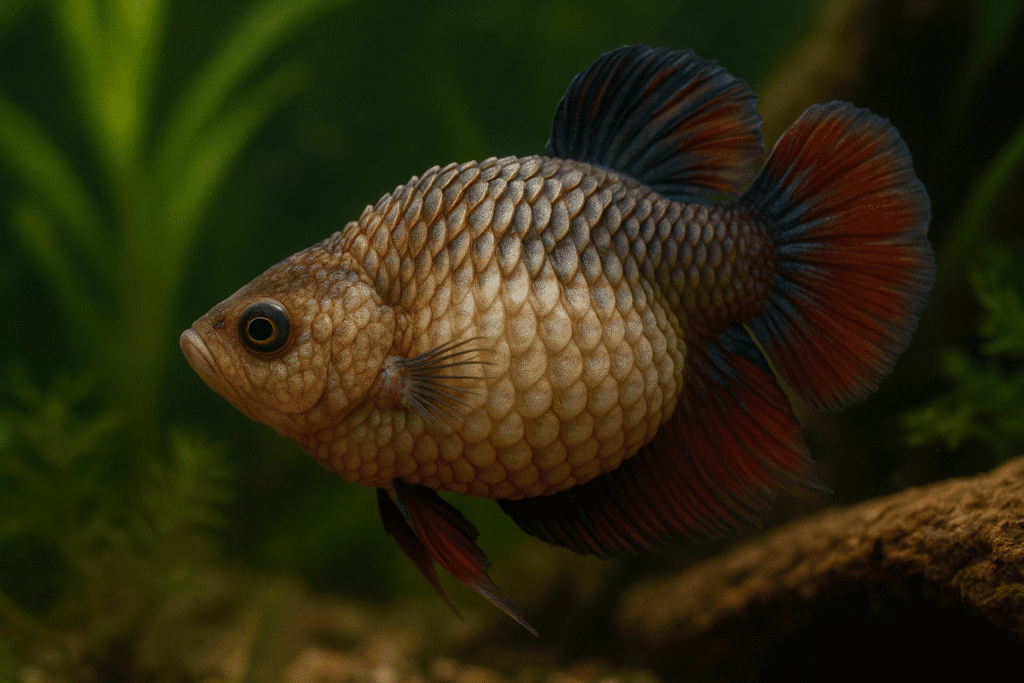
Recognizing the symptoms of dropsy in betta fish is essential for timely intervention. One of the most telling signs is “pineconing,” where the scales protrude, resembling a pine cone. You might also notice abdominal swelling between the pectoral and anal fins, indicating internal distress.
Other symptoms include lethargy, loss of appetite, bulging eyes, and pale gills, all pointing to potential health decline. Additionally, observe the feces; if they appear pale and stringy, this could suggest digestive issues or underlying causes needing attention.
By being vigilant about these symptoms, we can better serve our bettas and guarantee they receive the care they need. Early recognition can make a significant difference in their recovery.
Causes of Dropsy
When it comes to understanding the causes of dropsy in bettas, poor water quality is often a major culprit. Elevated levels of ammonia or nitrite can severely stress your fish and compromise their immune system, making them more vulnerable to infections.
Additionally, bacterial infections and other diseases can lead to kidney dysfunction and fluid buildup, further complicating their health.
Poor Water Quality
Although I know you care deeply about your betta fish, poor water quality can be a hidden threat that leads to serious health issues like dropsy. High levels of ammonia and nitrite can severely compromise your fish’s immune system, making them vulnerable to diseases.
It’s vital to regularly monitor water parameters like pH, hardness, and temperature, as fluctuations can stress your betta and contribute to health problems. An overcrowded tank or inadequate filtration increases waste levels, further elevating dropsy risks.
To maintain ideal water quality, regular water changes are essential; they dilute toxins and create a stable environment. If you notice signs of poor water quality, such as lethargy or loss of appetite, act quickly to test and correct the situation.
Infections and Diseases
Maintaining ideal water quality is just the first step in safeguarding your betta’s health; infections and diseases can quickly become a significant concern if the environment is compromised. Betta dropsy often stems from gram-negative bacterial infections that flourish in poor conditions, leading to organ failure and fluid accumulation.
Stressors like ammonia spikes, temperature fluctuations, and overcrowding weaken your betta’s immune system, making them more vulnerable. Watch for symptoms such as a swollen belly, protruding scales, and bulging eyes—these indicate serious internal distress.
While dropsy itself isn’t contagious, the underlying bacteria can spread in your tank. If you notice these signs, consider transferring your betta to a hospital tank, improving water quality, and using targeted antibiotics to combat the infection.
Diagnosis of Dropsy
Diagnosing dropsy in bettas requires keen observation of visual symptoms and an understanding of potential environmental factors. I look for swollen bellies and scales that protrude, resembling a pinecone from above.
Early signs include angled gill plates, abdominal bloating, lethargy, and slowed reactions. It’s crucial to perform water quality tests, checking ammonia and nitrite levels, as these can indicate underlying causes of stress. A thorough diagnostic workup might involve biopsies to uncover issues like bacterial infections or organ dysfunction.
Additionally, I monitor the health of tank mates, since dropsy can signal broader environmental stressors affecting the entire aquarium. This proactive approach can greatly enhance my betta’s chances of recovery.
Treatment Options for Dropsy
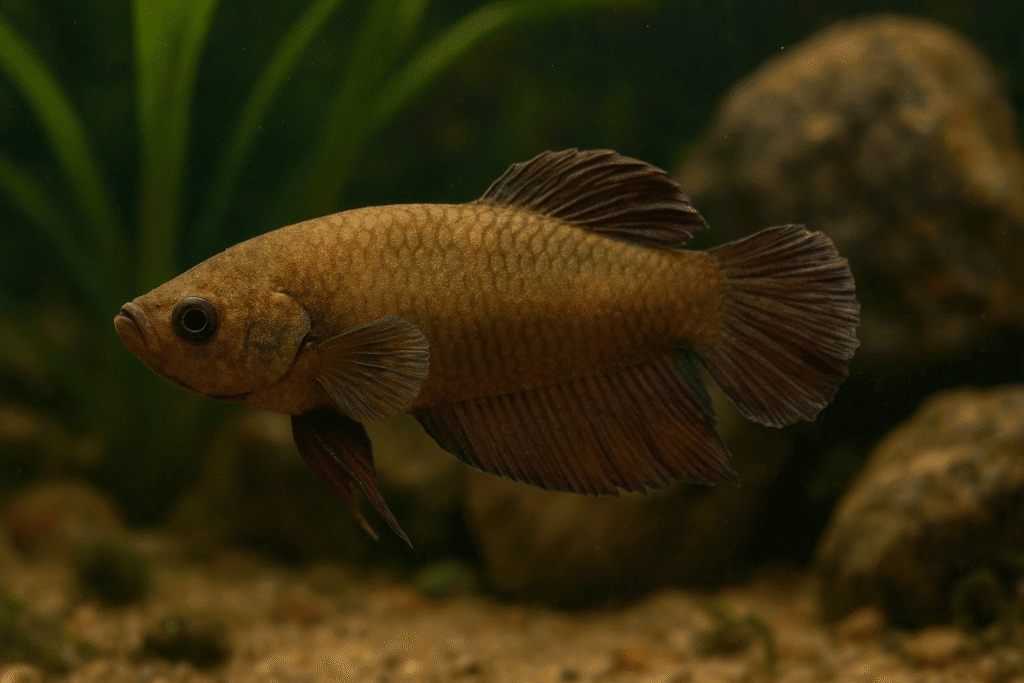
When I notice signs of dropsy in my betta, I immediately consider effective treatment options to guarantee its recovery. First, I transfer the affected fish to a quarantine tank to minimize stress. I add aquarium salt at a ratio of 1 tsp per gallon to relieve kidney pressure, while closely monitoring water quality.
Medications like Kanaplex can address bacterial infections, but I’m careful not to mix too many additives. Implementing a fasting period helps reduce swelling and improve overall health, especially if obesity is an issue.
Regular water changes, ideally 100% every 1 to 2 days, along with Indian almond leaves, can provide antimicrobial benefits. Continuous observation of water parameters is essential in addressing underlying problems that may worsen dropsy.
Role of Aquarium Salt in Treatment
While treating dropsy in my betta, I’ve found that aquarium salt plays an essential role in alleviating symptoms and supporting recovery. By increasing the salinity of the water, salt can help relieve pressure on the kidneys, which is critical during this challenging time.
I recommend using 1 teaspoon of aquarium salt per gallon of water, ensuring you perform regular 100% water changes every 1 to 2 days. This keeps the water clean and enhances the treatment’s effectiveness. It’s important to monitor water parameters closely to prevent additional stress on your fish.
If you’re considering combining aquarium salt with antibiotics, do so cautiously to avoid adverse reactions. Every small step we take can greatly impact our betta’s healing journey.
Importance of Indian Almond Leaves
When caring for a betta with dropsy, I’ve found that Indian almond leaves can play a crucial role in their recovery. These leaves have antimicrobial properties that help create a healthier environment, reducing stress on the fish. By incorporating them into the tank, I can enhance water quality and support my betta’s overall well-being.
Antimicrobial Properties
Understanding the antimicrobial properties of Indian almond leaves can greatly enhance the care we provide for betta fish suffering from dropsy. These leaves release tannins when submerged, effectively reducing harmful bacteria in the water, which is essential for maintaining ideal water quality.
By incorporating Indian almond leaves into a quarantine tank, I can create a safer environment for my affected bettas, offering an additional layer of protection against infections. This natural remedy not only fosters healing but also promotes a healthier ecosystem for my fish.
In addition, using these leaves proactively can help prevent dropsy and other illnesses linked to poor water quality, ensuring my bettas thrive in a nurturing habitat.
Stress Reduction Benefits
To create a calming environment for my betta fish, I turn to Indian almond leaves, which mimic their natural habitat and greatly reduce stress levels. By incorporating these leaves, I observe significant benefits for my fish:
- Tannins: They help lower stress by improving water quality and creating a soothing atmosphere.
- Antimicrobial properties: These leaves can prevent infections, addressing stress-related health issues like dropsy.
- Biofilm production: This encourages natural behaviors and provides a food source, contributing to the overall well-being of my healthy fish.
Using Indian almond leaves not only enhances my tank’s aesthetic but also fortifies my betta’s immune system, promoting resilience against disease. Truly, these leaves are essential for a stress-free, thriving aquatic environment.
Medications for Dropsy
While treating dropsy in bettas can be challenging, selecting the right medications is fundamental for a successful recovery. I highly recommend Kanaplex by Seachem, as it effectively targets potential bacterial infections contributing to this condition.
Remember, it’s important to avoid mixing too many additives in the water, as this can diminish the effectiveness of the medications for dropsy. Before starting treatment, stop adding Epsom salt to the tank to prevent interference. Additionally, soaking food in HealthAid Metro can improve your betta fish’s feeding response, ensuring they receive essential nutrients during recovery.
If there’s no improvement within seven days of starting the medication, it’s time to reevaluate and consider alternative treatments. Your betta’s health depends on your attentive care.
Prevention Strategies
To keep my betta fish healthy and prevent dropsy, I always prioritize maintaining ideal water quality through regular changes and careful monitoring of parameters. I also focus on providing a balanced diet, ensuring my fish receive the right nutrients without overfeeding. By implementing these strategies, I can create a thriving environment that supports my betta’s well-being.
Maintain Water Quality
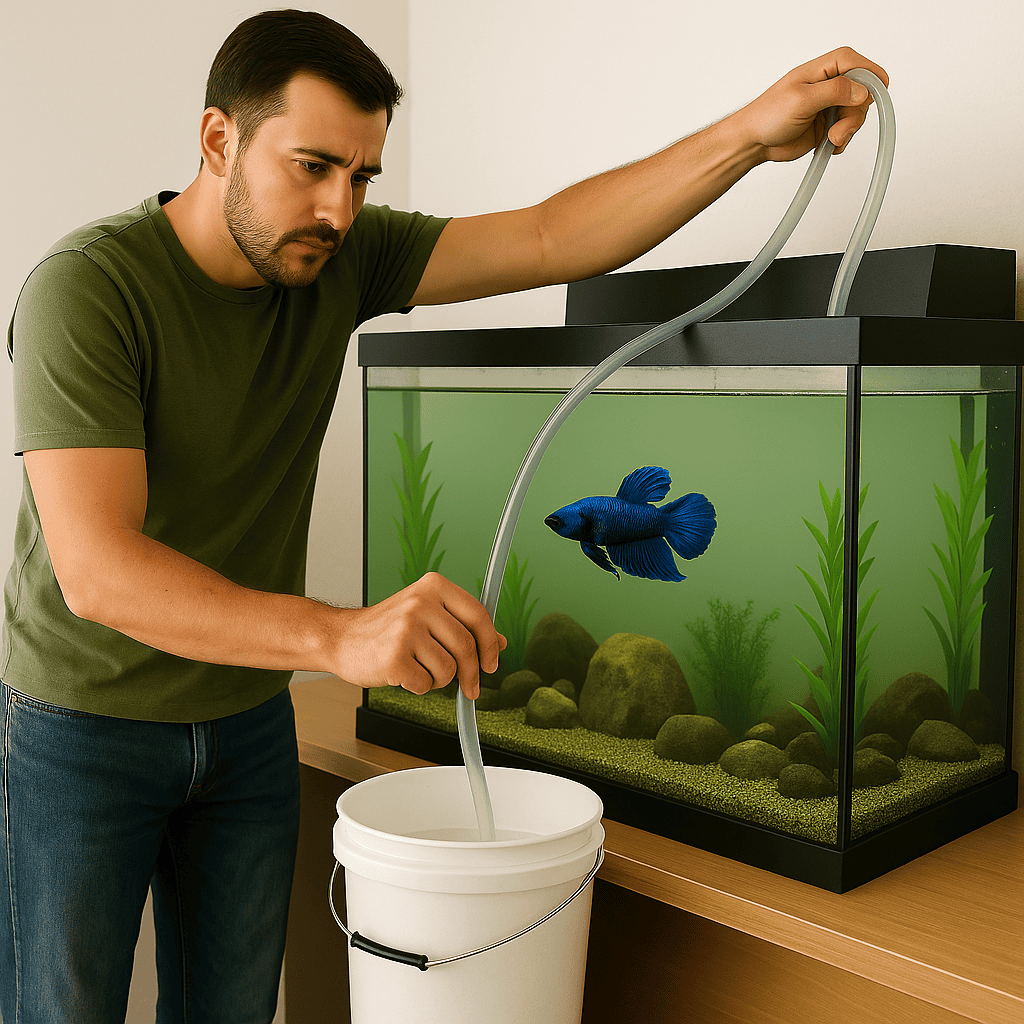
Maintaining water quality is essential for keeping betta fish healthy and preventing dropsy, as even minor fluctuations can lead to significant stress. Here’s how I guarantee ideal conditions for my bettas:
- Regular Water Change: I change 25-50% of the water weekly to reduce toxins and improve overall water quality.
- Monitor Parameters: I keep a close eye on ammonia (0ppm), nitrite (0ppm), nitrate (under 20ppm), and maintain a stable pH of around 7.2 to protect their internal organs.
- Stable environment: I maintain the tank temperature between 76-82°F to minimize stress and strengthen their immune system.
Balanced Diet Practices
Water quality is only part of the equation when it comes to keeping betta fish healthy and preventing dropsy. A balanced diet is essential in addressing the causes of this severe condition. I recommend incorporating high-quality pellets, live or frozen foods, and occasional plant-based options.
This variety supports your betta’s immune system and helps prevent obesity, a known contributor to dropsy. It’s wise to limit pellet food due to its high carbohydrate content and instead opt for protein-rich choices like bloodworms and brine shrimp.
Fasting your betta for 1-3 days every few weeks can also aid digestion. Always monitor food freshness, as expired options can lead to nutritional imbalances and increase health risks.
Support and Resources for Betta Owners
While caring for a betta can be rewarding, it also comes with challenges, particularly when dealing with health issues like dropsy. I’m grateful for the support available for pet fish owners like us. Here are some valuable resources to examine:
- Community Forums: These spaces allow us to share experiences and seek advice on dropsy and other issues.
- Water Quality Testing: Regular testing is essential for preventing dropsy by maintaining ideal living conditions.
- Treatment Recommendations: Many experienced keepers suggest using aquarium salt and Indian almond leaves to improve our fish’s comfort.
Conclusion
In summary, dealing with betta dropsy can be challenging, but understanding its symptoms, causes, and treatments is essential for your fish’s well-being. Remember, early intervention increases the chances of recovery. Incorporating Indian almond leaves and maintaining ideal water conditions can help prevent this condition.
Don’t hesitate to seek advice or support from fellow betta owners or professionals. Your betta deserves the best care, and with a little knowledge, you can make a significant difference in their health.