If you’re setting up a betta fish tank for your Siamese fighting fish, you’ll need some essential equipment to secure their well-being. Start with a minimum 5-gallon tank, a secure lid to prevent jumping and a heater to maintain a temperature between 76 °F and 82 °F. A low-flow filter keeps the environment calm, while a de-chlorinator is vital for treating tap water.
Finally, feed them high-quality food to thrive. Let’s explore these items further to ensure your betta’s success.
A Betta Fish Tank
When I set up a tank for my Betta splendens, ensuring a minimum of 5 gallons is vital for their well-being. A 5-gallon betta fish tank provides ample swimming space, which promotes healthy behavior and reduces stress. It’s essential to maintain good water quality, so a reliable filter and heater are incorporated into the aquarium setup.
This guarantees stable temperatures and ideal conditions for my fish. A strict maintenance schedule, with water changes using dechlorinated water, keeps the environment safe. Investing in a larger tank allows longer intervals between cleanings, making it easier to provide my betta with the best care possible.
A Tank Lid
How can you guarantee your betta fish stays safe and healthy? A tank lid is vital for preventing your betta fish from jumping out, which can lead to serious injuries or even death. In homes with pets or children, it’s even more important to have a securely covered aquarium.
A well-fitted lid helps maintain stable water temperature and humidity levels, creating a healthy environment for your fish. Many starter kit tanks include a lid, but if you’re on a budget, there are DIY options available. Don’t forget to regularly check the lid for secure placement and any gaps; this simple practice can greatly reduce stress for your betta fish and keep it thriving in its habitat.
A Thermometer and Heater
When it comes to keeping my betta fish healthy, maintaining the right temperature is essential. I recommend using a reliable heater, like a 25-watt or 50-watt FreeSea, to keep the water between 76 °F and 82 °F for ideal health. Pairing this with a digital thermometer guarantees temperature fluctuations can be monitored, keeping my fish active and stress-free.
Optimal Temperature Range
Making sure your betta fish thrives involves maintaining the right temperature, as they flourish best in water that’s between 76 °F and 82 °F, ideally around 80 °F. To achieve this, I recommend the following:
– Invest in a reliable aquarium heater: A 50-watt or 25-watt FreeSea heater can maintain a stable temperature.
– Use a quality thermometer: Regularly monitor water temperature to guarantee it stays within the best temperature range.
– Watch for signs of stress: Sudden drops below 76 °F can cause lethargy and increase susceptibility to illness.
– Adjust gradually: If temperature changes are needed, do so slowly to promote healthy behavior in your betta fish.
Heater Selection Tips
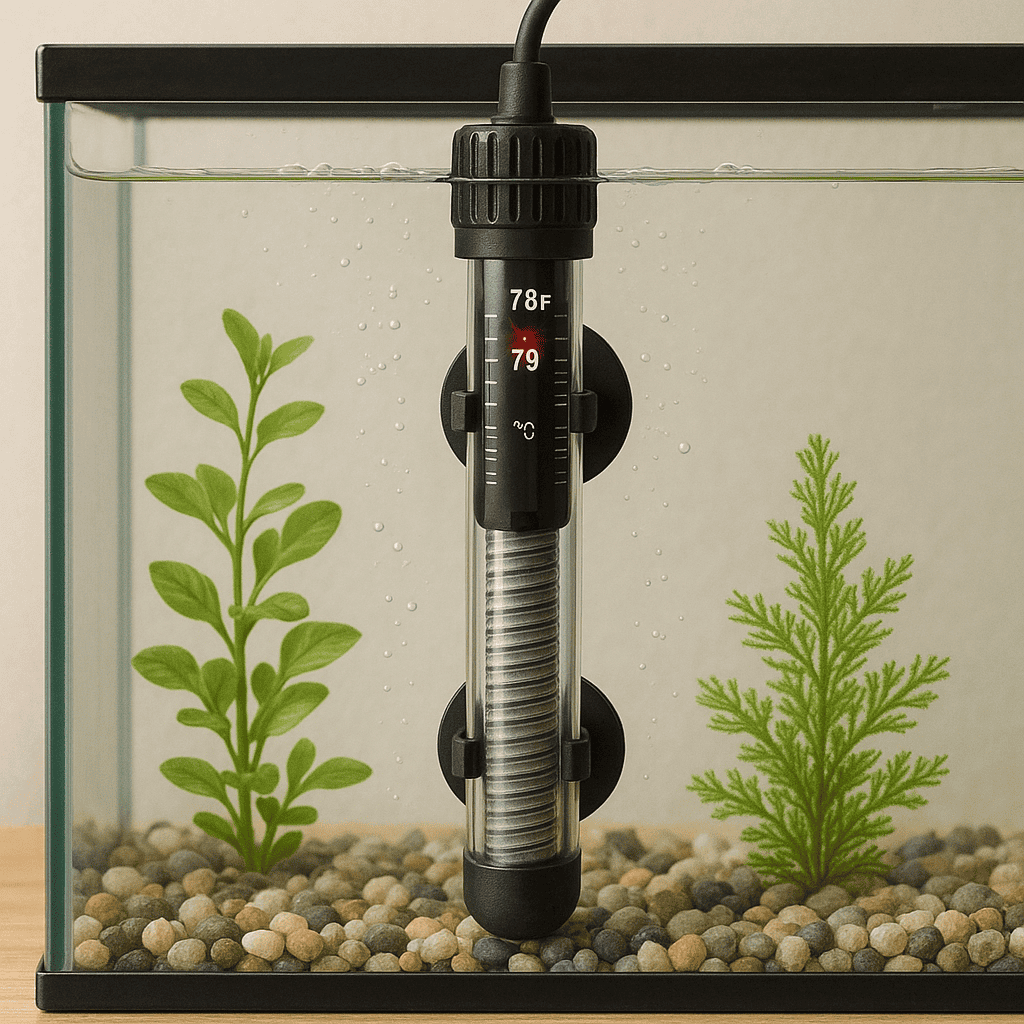
Selecting the right heater for your betta fish tank is essential for creating a stable environment that promotes their health and well-being. Betta fish thrive at a stable temperature of 76 – 82 °F, so I recommend the FreeSea heater, available in 25-watt or 50-watt options, which effectively maintains consistent water temperatures.
When choosing a heater, opt for an adjustable heater to tailor the temperature based on your specific tank conditions. Regularly monitor the water temperature with a digital thermometer, as sudden fluctuations can stress your betta fish. Make sure the heater is designed for aquarium use and can accommodate the volume of your betta tank.
These heater selection tips will help keep your betta healthy and happy.
A Low-Flow Filter
A low-flow filter is vital for creating a serene environment for betta fish, which thrive in calm waters with minimal current. This gentle flow reduces stress, promoting comfort in their aquarium. Here are some key points to take into account:
– Sponge Filters: These are a popular choice due to their dual filtration capabilities and gentle flow, ensuring ideal water quality.
– Hang-On-Back Filters: Models like AquaClear allow for adjustable flow rates, allowing you to customize the current.
– Regular Maintenance: Cleaning your filter is essential for preventing harmful toxins and waste buildup, which can jeopardize tank health.
– Filtration Capabilities: Proper filtration not only maintains water quality but also prevents oily film formation, enhancing oxygenation for your betta fish.
Dechlorinator
While many aquarists focus on the aesthetics of their tank, it’s important to remember that clean, safe water is the foundation of a healthy environment for your betta fish. A de-chlorinator is essential for treating tap water before it enters your betta’s habitat; this water conditioner effectively removes harmful chlorine and chloramines that threaten fish health.
I highly recommend Seachem Prime, which not only neutralizes chlorine but also detoxifies ammonia, nitrites, and nitrates. Using a de-chlorinator during every water change is critical to maintaining ideal water quality. Always follow the manufacturer’s dosage instructions based on your tank’s volume.
Regularly using a de-chlorinator helps prevent waterborne toxins, promoting a stable habitat that supports your betta fish’s health.
High-Quality Fish Food
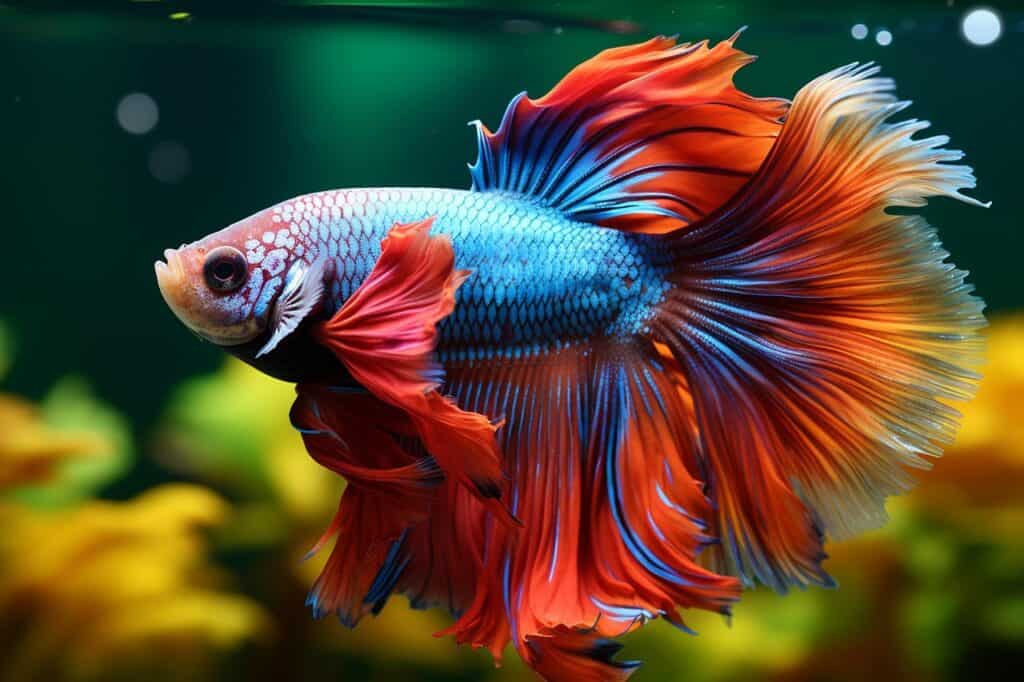
When it comes to keeping betta fish healthy and vibrant, choosing high-quality fish food is fundamental for their dietary needs. A diet rich in protein is critical for their vitality, so consider the following options:
– Aqueon Betta Color Enhancing Pellets – These are high-quality betta pellets that promote vibrant coloration.
– Fluval Bug Bites – Packed with nutrition, these pellets are another excellent choice.
– Freeze-Dried Brine Shrimp – A fantastic treat that stimulates natural hunting behaviors.
– Tubifex Worms – Another protein-rich supplement to diversify your betta’s diet.
Feed your betta 1–2 times daily, ensuring portions are small enough to prevent overfeeding, which can negatively impact water quality. High-quality betta fish food is fundamental for their health.
Conclusion
To sum up, setting up a thriving environment for your betta fish is easier than you might think. By ensuring you have a proper tank, lid, thermometer, heater, low-flow filter, dechlorinator, and high-quality food, you’re laying the groundwork for a healthy and vibrant aquatic life.
Each piece of equipment plays an essential role in maintaining water quality and comfort, so don’t overlook these necessities. With the right setup, you’ll enjoy watching your betta thrive for years to come.