I can’t stress enough how essential proper heating is for betta fish, also known as fighting fish. They need stable water temperatures between 24–28°C (75–82°F), ideally around 78–80°F. Many people mistakenly believe that room temperature suffices, but that can actually harm your betta.
Using a heater with the right wattage and monitoring the temperature closely can prevent stress and health issues. If you’re curious about how to select the best heater for your betta, there’s more to explore on this topic.
Understanding Betta Fish Temperature Needs
When it comes to keeping betta fish, understanding their temperature needs is fundamental for their health and well-being. Betta fish thrive in warm water from 24–28°C (75–82°F), with an ideal comfort zone of 78–80°F. I’ve noticed that even slight temperature fluctuations below 24°C can cause sluggish behavior and stress.
To maintain a stable environment, using a reliable heater is essential, especially in smaller tanks that lose heat rapidly. Regular monitoring of the tank’s water parameters helps prevent dangerous drops, and I recommend setting the heater to at least 24°C to prevent health issues associated with cold water.
The Importance of Stable Water Temperature
Maintaining a stable water temperature is vital for the health of your betta fish, as minor fluctuations can lead to stress and health issues. Betta fish thrive in temperatures ranging from 24–28°C (75–82°F), with 78–80°F being ideal.
Using heaters is crucial for achieving consistent temperatures, especially in smaller tanks. During routine water changes, ensuring the heater remains set correctly will prevent sudden shifts that could compromise their well-being. I’ve found that monitoring tank temperature regularly helps maintain a strong immune system.
| Temperature Range | Effect on Betta Fish | Recommended Action |
|---|---|---|
| 24–28°C | Healthy & Active | Maintain with heaters |
| Below 24°C | Sluggish & Stressed | Increase temperature |
| Above 28°C | Potential Stress | Cool down gradually |
| 78–80°F | Ideal Comfort | Regularly check temps |
How Temperature Fluctuations Affect Betta Health
Temperature fluctuations can substantially impact the health of betta fish, causing stress and a range of health issues. When temperatures drop below 24°C (75°F), they can become lethargic and their immune systems weaken, making them vulnerable to disease. Rapid changes also affect digestion, which can lead to complications.
To maintain stable temperatures, I recommend using reliable heaters, especially in smaller tanks where heat loss can occur quickly. Regularly monitoring water temperature is essential to prevent stress and guarantee ideal living conditions for your bettas, aligning with their temperature requirements for a healthy life.
Choosing the Right Heater for Your Betta Tank
When selecting a heater for your betta tank, I recommend aiming for about 1 watt per liter of water, as this guarantees a stable temperature between 24–28°C (75–82°F). It’s essential to choose adjustable heaters that maintain this temperature consistently since stability is important for your betta’s health. Additionally, consider features like built-in thermostats and safety shut-offs to enhance safety and prevent overheating.
Heater Wattage Guidelines
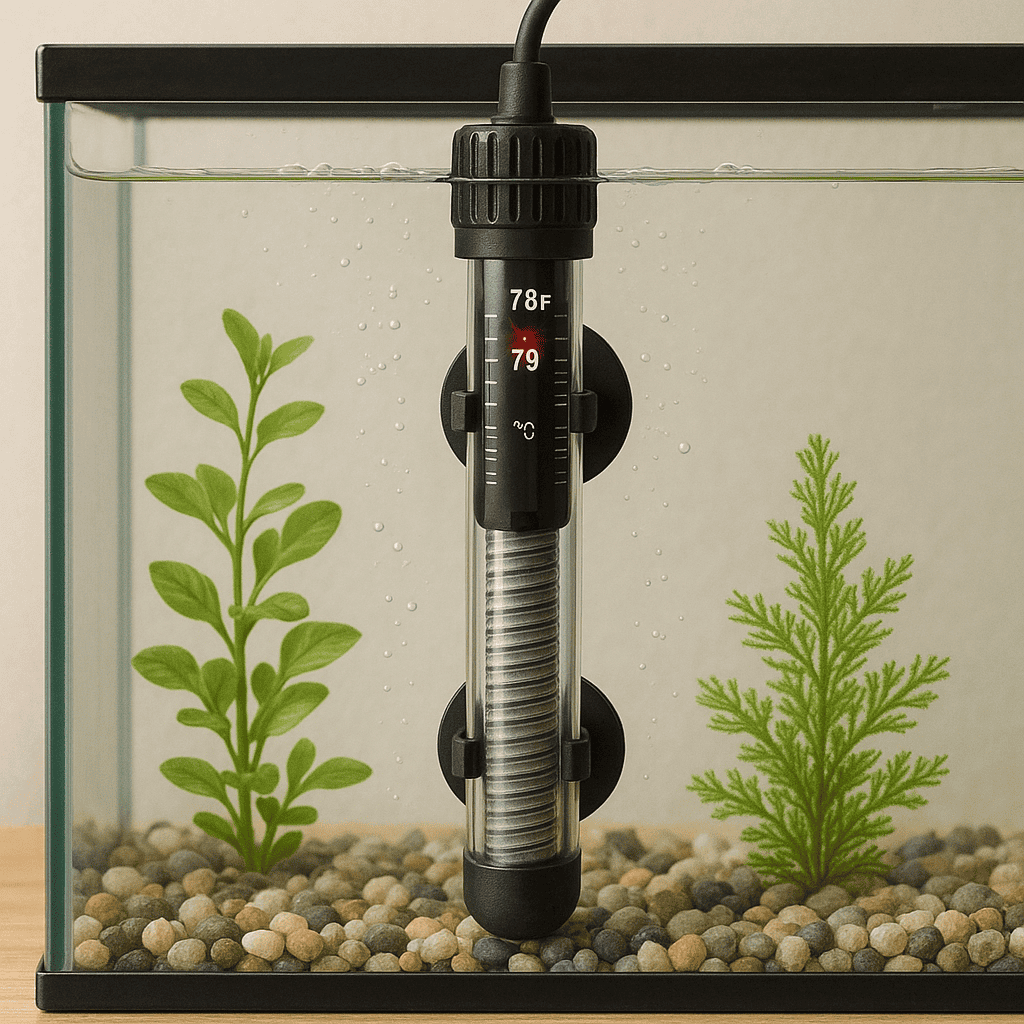
Choosing the right heater for your betta tank is vital for their health and well-being, especially since bettas thrive in stable environments. A general guideline for heater wattage is to use 1 watt per liter of water. For smaller tanks up to 10 gallons, a 50-watt heater is often recommended to maintain stable temperatures.
It’s important to select adjustable heaters that allow fine-tuning of temperature settings, ideally keeping the water between 24–28°C (75–82°F). Finally, continuous monitoring of tank temperature with a reliable thermometer ensures the heater maintains the desired temperature range consistently.
Temperature Stability Importance
Maintaining a stable environment is essential for betta fish, as they flourish within a specific range of 24–28°C (75–82°F). To achieve this stability, choose the right heater based on tank size (1 watt per liter), opt for adjustable models to minimize stress on your tropical fish, and implement regular monitoring to catch any deviations early. I always check tank readings daily to ensure consistency.
Heater Types Comparison
While evaluating heater types for your betta tank, focus on wattage, adjustability, and design. For tanks up to 10 gallons, a 50-watt submersible heater evenly distributes heat to prevent cold spots. Look for models with built-in thermostats and safety shut-offs, as these features protect against overheating. I’ve found submersible heaters with external thermostats offer precise control, making them ideal when paired with a reliable thermometer.
Recommended Temperature Range for Bettas
Betta fish thrive best in a specific temperature range, ideally between 24–28°C (75–82°F), with 78–80°F being most suitable for their health and activity. To meet their needs, consider these key points:
- Ideal Range: Maintaining water temperature at 78–80°F guarantees optimal health and reduces stress.
- Consistent Temperature: Fluctuations below 24°C (75°F) can lead to lethargy, so it’s crucial to keep the heater set accordingly.
- Monitoring Tank Temperature: Regular checks help prevent harmful drops, especially during cold months when tanks can lose heat rapidly.
Common Misconceptions About Betta Heating
Many beginners underestimate the importance of a heater for their bettas, believing room temperature suffices. The reality is that stable temperatures between 24–28°C are crucial for their health, and fluctuations can lead to stress and disease.
Additionally, understanding the appropriate wattage for your tank size guarantees ideal heating and well-being for your fish. I’ve encountered hobbyists who think all heaters perform the same, but quality and features vary greatly.
Heater Necessity Myths
How essential is a heater for maintaining a healthy environment for your betta fish? Many people believe bettas can adapt to cooler temperatures without harm, but these tropical fish require stable water between 24–28°C (75–82°F). Without a heater, temperature shifts can lead to significant health issues. To guarantee stability, I recommend using a heater rated at 1 watt per liter and continuously monitoring the temperature.
Wattage and Tank Size
Selecting the correct wattage for your betta fish heater is crucial. Misunderstandings about wattage and tank size can lead to improper heating, jeopardizing your bettas’ health. A 50-watt heater is perfect for a 50-liter tank, while a 15-watt heater suits up to 15 liters. I ensure my tanks are equipped with the right wattage and check the temperature daily.
Monitoring and Maintaining Tank Temperature
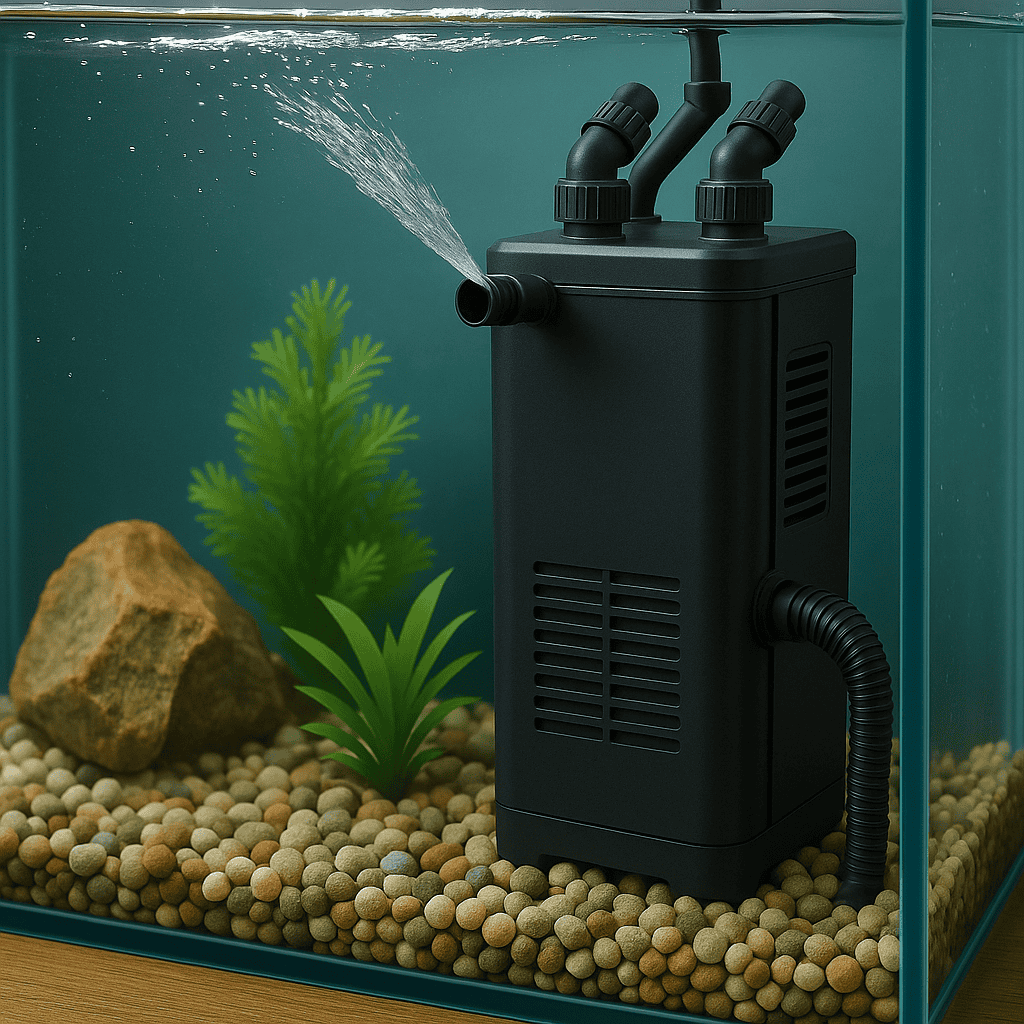
To guarantee your betta fish thrive, it’s important to monitor and maintain the tank temperature consistently within the ideal range of 24–28°C (75–82°F). Regularly checking the water temperature with a reliable thermometer is vital, as fluctuations below 24°C (75°F) can lead to sluggish behavior and increased stress, negatively impacting their health.
I recommend setting heaters to a minimum of 24°C (75°F), especially during colder months when room temperature drops. Using live plants helps buffer slight variations and supports stable conditions.
The Role of Heaters in Disease Prevention
While many aquarists might underestimate the importance of heaters, they play an essential role in preventing diseases in betta fish. Maintaining ideal water temperature between 24–28°C (75–82°F) is vital for their health and longevity. Heaters help achieve this stability by:
- Reducing temperature fluctuations that can weaken the immune system and increase disease susceptibility.
- Facilitating proper metabolism, allowing bettas to digest food effectively, which minimizes the risk of digestive issues.
- Providing a consistent environment, preventing stress-related conditions like ich and fin rot that thrive in unstable temperatures.
I’ve noticed that consistent heating paired with routine water change supports strong health and vitality.
Ensuring a Comfortable Environment for Your Betta
Creating a comfortable environment for your betta fish is fundamental for their health and well-being. Betta fish thrive in water temperatures between 24–28°C (75–82°F), so using a heater is critical, especially in colder climates.
Fluctuations below 24°C can cause stress and sluggishness, negatively impacting their overall health. I always make sure my heater is set to at least 24°C to maintain ideal conditions, supporting their digestion and activity levels. Regular monitoring of tank temperature is essential, as small tanks lose heat quickly and can experience rapid changes.
I recommend utilizing a reliable heater with safety shut-off features and pairing it with live plants to help stabilize the environment.
Conclusion
To sum up, understanding and maintaining the proper temperature for your betta fish is essential for their health and well-being. By choosing the right heater, monitoring temperature fluctuations, and performing regular water change maintenance, you can create a stable environment that supports their vitality.
Don’t let common myths misguide you; providing a comfortable habitat greatly reduces stress and disease risk. Prioritizing these factors guarantees your betta thrives, allowing you to enjoy their vibrant personality and beauty to the fullest.