When setting up a Betta tank, Malaysian driftwood, Spider wood, and Manzanita wood are particularly effective. Each type offers unique benefits like hiding spots and smooth surfaces, reducing fin tearing risks. Before use, boiling the driftwood for about four hours helps sanitize it and lessen tannin release. It’s important to monitor water quality as natural driftwood can affect pH levels. If you’re curious about more details and tips, keep exploring this topic.
Types of Driftwood Suitable for Betta Tanks
When selecting driftwood for betta tanks, it’s essential to contemplate both aesthetics and functionality. Malaysian driftwood is a popular choice; it’s durable, affordable at $7.99, and creates excellent hiding spots for bettas in nano tanks. Spider wood, with its unique structure, scores a perfect 100% rating.
It not only enhances the tank’s aesthetics but also offers surfaces for aquatic plants, coming in sizes from 6 to 23 inches. Manzanita wood is another excellent option. Its smooth surface minimizes the risk of fin tearing. For a budget-friendly choice, cholla wood starts at just $3.00, promoting a natural look and biofilm growth. Always verify any piece of driftwood is free from sharp edges to keep your bettas safe.
Preparing Driftwood for Aquarium Use
When preparing driftwood for aquarium use, boiling it for about four hours is vital for sanitization and reducing tannins. Soaking the wood beforehand helps it to become waterlogged, ensuring it settles properly without floating. I find that monitoring water parameters after introduction is essential, as driftwood can affect pH and release tannins that alter water quality during the driftwood journey.
Boiling Driftwood Benefits
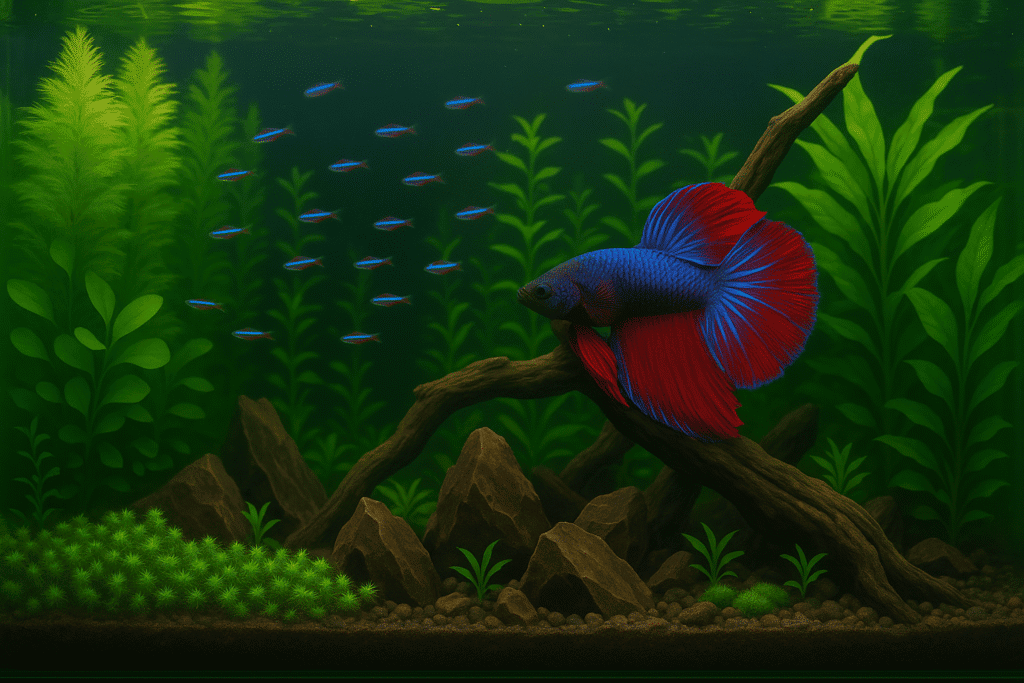
Boiling driftwood offers several advantages that make it an essential step in preparing it for aquarium use. For instance, boiling for 2 to 4 hours effectively sanitizes the wood, removing harmful substances that could jeopardize your betta fish. This process is particularly beneficial for types like Malaysian driftwood, which loses tannins more quickly than others, such as Mopani wood. Reducing tannin levels minimizes water discoloration, ensuring your betta tank maintains ideal water quality.
After boiling, keeping the Dragon Driftwood submerged further aids in leaching any remaining tannins. This thorough preparation not only enhances the aesthetic appeal of your aquarium but also creates a healthier environment for your betta fish, making Bonsai Driftwood an excellent choice for your setup.
Tannin Release Management
After boiling and preparing driftwood, managing the release of tannins becomes important for maintaining water quality in your betta tank. Tannins can create a tea-like coloration, which, while generally safe for bettas, can affect water parameters if not monitored. For driftwood selection, Malaysian driftwood is recommended, as it tends to leach tannins more quickly than Mopani wood, reducing discoloration.
Regular water changes are essential to manage tannin effects and maintain clarity in your aquarium. If you opt for soaking instead of boiling, be prepared for a longer leaching process. Understanding these factors helps guarantee that driftwood is safe for your tank and creates a healthy environment for bettas while enjoying the natural beauty of aquarium driftwood.
Soaking Techniques Explained
Soaking driftwood is an essential step in preparing it for your betta tank, as it not only enhances the wood’s aesthetic appeal but also helps it become waterlogged, guaranteeing it sinks properly. To achieve ideal results with a Driftwood Stump, I recommend considering the following soaking techniques:
| Soaking Method | Details |
|---|---|
| Duration | Soak for several days for best results. |
| Water Temperature | Use room temperature water for effective soaking. |
| Weighting | Weight down floating pieces during soaking. |
| Boiling Option | Boil for 2-4 hours to disinfect and reduce tannins. |
Changing the water regularly can expedite the process and improve driftwood placement in your tank. Following these methods will guarantee your betta enjoys a safe and beautiful environment with the safest driftwood available.
Benefits of Driftwood in Betta Habitats
While many aquarists focus on plants and substrate, incorporating pieces of driftwood into your betta tank can greatly enhance the habitat’s overall quality. The benefits of driftwood are numerous – it serves as an essential hiding spot, offering bettas a sense of security that remarkably reduces stress. Additionally, its natural aesthetics improve the visual appeal of the tank, creating a more engaging environment for both fish and viewers.
Beyond aesthetics, driftwood releases tannins, which help maintain water quality and mimic the betta’s natural habitat, promoting their health. The surfaces of Dragon Driftwood also provide excellent areas for beneficial bacteria to colonize, enhancing biological filtration and contributing to a stable ecosystem. Opting for smooth driftwood minimizes the risk of fin tearing while still providing structural complexity for exploration.
Safety Considerations for Betta Fish
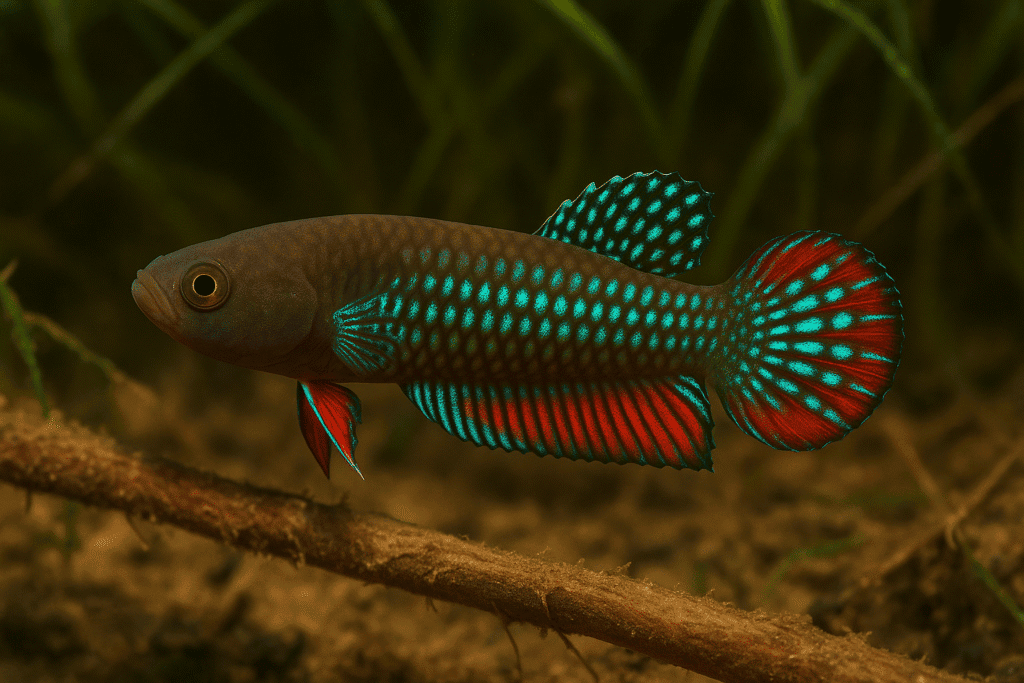
When considering the safety of betta fish, it’s important to recognize that these vibrant creatures thrive in environments that closely mimic their natural habitats, which often include driftwood. Using smooth driftwood materials minimizes the risk of tearing a betta’s delicate fins. Before adding any piece of driftwood to the tank, sanding down sharp edges guarantees habitat safety.
Regularly monitoring the driftwood for any changes is significant; checking for harmful sharp edges that may develop over time is essential. While driftwood can release tannins that slightly discolor the water, these are generally harmless and can even benefit the fish. It’s imperative to source Accessories Aurie Driftwood from reputable suppliers to avoid leaching harmful substances into your aquarium, assuring a safe environment for your bettas.
Managing Tannins and Water Quality
Managing tannins and maintaining water quality in a betta tank is vital for the health of your fish. While tannin effects can create a natural, beneficial environment, excessive discoloration can disrupt water chemistry. To mitigate this, boiling driftwood for several hours greatly reduces tannins before introducing it to your tank.
Additionally, soaking the driftwood allows for a gradual release of tannins, minimizing sudden shifts in watercolor. I find that regular water changes are essential for managing the tint and ensuring ideal water quality. It’s also important to monitor your tank’s pH after adding driftwood, as tannins can influence it. The type of driftwood provides different levels of tannin release, so choose wisely for your specific setup needs.
Community Experiences and Recommendations
Many aquarists have shared their positive experiences with using driftwood in betta tanks, highlighting its benefits for both aesthetics and fish health. Malaysian driftwood is often recommended for its natural look and safety, providing ideal hiding spots that lack sharp edges. Spider wood’s unique shapes of driftwood stumps encourage exploration, enhancing betta behavior and reducing fin damage risks.
Community feedback stresses the importance of researching driftwood types, as not all are safe; only purchase from reputable suppliers. Many users report that the tannins released improve water conditions beneficially. Engaging in online forums is essential for gathering aquarist tips and personal stories, ensuring you make informed decisions when introducing and maintaining driftwood for aquariums, and using proper preparation techniques.
Conclusion
Incorporating driftwood into your betta tank can enhance both aesthetics and the well-being of your fish. By selecting the right types and preparing them properly, you can create a natural environment that promotes health and reduces stress. While managing tannins and water quality is essential, the benefits of driftwood, such as providing hiding spots and improving water conditions, make it a valuable addition. With careful consideration, you’ll find that driftwood truly transforms your betta’s habitat.