If your betta fish shows signs of poisoning from chemicals, act quickly. Start by performing a 25-50% water change to dilute toxins and use a water conditioner. Test nitrate levels, aiming for below 20 ppm.
I recommend using Methylene Blue at two drops per gallon for short treatments, combined with aquarium salt. Monitor your fish closely for improvement or distress. You’ll find more specific guidance on effective long-term care and prevention strategies ahead.
Understanding Betta Fish Poisoning
When it comes to understanding betta fish poisoning, it’s important to recognize that exposure to harmful chemicals or high nitrate levels can quickly lead to distress in these delicate creatures. Maintaining ideal water quality is critical; nitrate levels should ideally remain below 20 parts per million (ppm).
Elevated nitrates can contribute to various fish diseases, compromising your betta’s health. Regular water changes are an essential practice to mitigate this risk and guarantee a stable environment. Additionally, monitoring water parameters through testing is an effective way to prevent potential poisoning. If you notice any signs of distress, be prepared to act quickly. Implementing immediate water changes and utilizing a water conditioner can greatly aid in recovery.
Common Symptoms of Poisoning
When monitoring my betta fish, I pay close attention to signs of poisoning, as they can manifest in several ways. Lethargy and reduced activity often indicate distress, while unusual swimming behavior may suggest something’s wrong. Additionally, a noticeable loss of appetite can be a critical warning sign that needs immediate attention.
Lethargy and Reduced Activity
Lethargy and reduced activity in betta fish often signal underlying health issues, particularly poisoning. When observing these symptoms, it’s essential to check the water quality, as high nitrate levels can contribute greatly to lethargy.
Affected bettas may hover near the bottom or float motionless, often displaying a reduced appetite. Increased respiration rates may indicate they’re struggling for oxygen, further complicating their condition.
| Symptom | Description |
|---|---|
| Lethargy | Noticeable decrease in swimming activity |
| Reduced Appetite | Lack of interest in food |
| High Nitrate Levels | Indicates poor water quality |
| Increased Respiration | Struggling to obtain sufficient oxygen |
Unusual Swimming Behavior
Unusual swimming behavior in betta fish can be a clear indicator of distress, often stemming from poisoning or inadequate water quality. It’s important to monitor these behaviors closely, as they can signal underlying issues.
Here are some signs to watch for:
- Erratic swimming patterns or thrashing about
- Floating near the water’s surface or hanging at the tank bottom
- Rapid gill movement and increased respiration rates
- Signs of high nitrates in the water
- Reluctance to engage in normal swimming activities
If you notice any of these symptoms, it’s imperative to act quickly. Poor water quality can lead to severe health complications, so maintaining a clean environment is fundamental for your betta’s well-being.
Appetite Loss and Distress
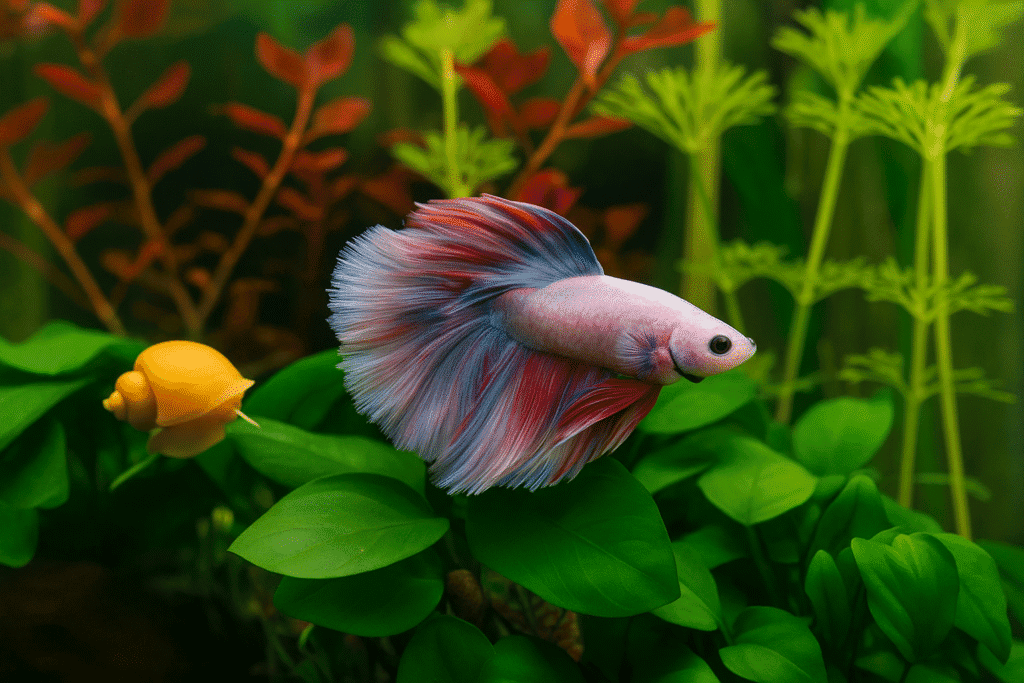
Appetite loss can be a critical signal of distress in betta fish, often indicating potential poisoning or poor water conditions. When I notice my betta isn’t eating, it raises immediate concern. Lethargy and decreased activity frequently accompany this symptom, suggesting deeper health issues. Rapid gill movement and unusual swimming patterns can further indicate distress.
If the fish refuses food for over 24 hours, it might be related to high nitrate or ammonia levels in the water, presenting a serious threat. Regular water testing and maintenance are vital to prevent these toxins from accumulating, which can lead to appetite loss and other alarming symptoms. Monitoring feeding habits closely can help guarantee a betta remains healthy and thriving.
Immediate Actions to Take
When I notice signs of poisoning in my betta fish, the first step is to assess the contamination source. Next, perform a water change of at least 25-50% to dilute any harmful substances. This action not only improves water quality but also sets the stage for further treatment.
Assess Contamination Source
Identifying the source of contamination in your betta fish tank is essential for swift intervention. As fish owners, we must act quickly to assess contamination sources and protect our aquatic friends. Here’s what to do:
- Check for leaking decorations or any foreign objects.
- Identify chemicals or paints that might have entered the tank.
- Observe fish behavior for signs of distress: lethargy, not eating, or thrashing.
- Monitor water parameters closely, focusing on ammonia and nitrite levels, which can spike rapidly.
- Rinse contaminated substrates or decorations with dechlorinated water, but avoid disturbing the entire environment.
Emergency Water Change
In an emergency involving chemical contamination in your betta fish tank, acting swiftly is essential. Start by performing an emergency water change of at least 25-50% to dilute harmful substances and reduce toxin levels. Before adding new water, make sure to use a water conditioner to eliminate chlorine and chloramine from tap water.
It’s vital that the new water matches the temperature and pH of the tank to minimize stress on your fish. During the change, siphon the substrate to remove any contaminants or uneaten food that may contribute to poor water quality. After completing the water change, monitor the fish closely for signs of improvement or further distress and consider additional changes if symptoms persist.
Water Quality Management
Maintaining ideal water quality is essential for the health of your betta fish, as poor conditions can lead to nitrate poisoning. To manage water quality effectively, here are some key practices I recommend:
- Test nitrate levels regularly; aim for 20 ppm or less.
- Perform partial water changes of 10-25% every 2-4 weeks.
- Use a gravel siphon to remove waste from the substrate.
- Incorporate live plants in your aquarium for natural filtration.
- Introduce beneficial bacteria to assist in reducing harmful nitrate levels.
Using Methylene Blue for Treatment
When your betta fish shows signs of distress or illness, using Methylene Blue can be a game changer in treatment. This effective medication helps treat Ich and fungal infections by providing oxygen to your fish and inhibiting pathogen growth.
I typically use a dosage of 2 drops per gallon of water for short baths lasting 10-15 minutes. It’s important to note that Methylene Blue can stain aquarium surfaces and your fish, so handle it carefully. Additionally, combining it with aquarium salt—at a rate of 1 teaspoon per gallon—can help reduce stress and support recovery.
Always check your local pet store for Methylene Blue availability, ensuring you’re prepared during emergencies. Your betta’s health depends on timely intervention.
The Role of Aquarium Salt
Aquarium salt plays an essential role in the health and recovery of betta fish, particularly when addressing stress or minor infections. It’s vital to use it correctly to guarantee the well-being of your fish in a freshwater aquarium. Here are some key points to remember:
- Use one teaspoon per gallon of water for proper dosage.
- It helps restore electrolyte balance and improves gill function.
- Salt baths can treat specific ailments like Ich or fungal infections.
- Always dissolve aquarium salt in water before adding it to avoid irritation.
- Monitor your betta for signs of stress, as some may be sensitive to saline environments.
Monitoring Fish Behavior

Observing betta fish’s swimming patterns and feeding habits identifies signs of distress. If I notice erratic movements or a lack of interest in food, it could indicate underlying health issues. Monitoring these behaviors is essential for evaluating their well-being and determining the need for treatment.
Observe Swimming Patterns
How can you effectively monitor your betta fish’s swimming patterns to catch signs of distress? By closely observing their behavior, you can quickly identify potential health issues. Here are key signs to watch for:
- Lethargy: If your betta is unusually inactive, it may indicate stress or poisoning.
- Erratic movements: Sudden changes in swimming patterns can signal distress.
- Floating or sinking: Swimming near the bottom or floating at the surface often hints at poor water conditions.
- Rapid gill movement: Gasping for air may suggest high ammonia levels.
- Loss of appetite: A decrease in feeding behavior is a common symptom of poisoning.
Consistent observation of these behaviors enables early detection and timely intervention for your fish’s well-being.
Check Feeding Habits
Monitoring your betta fish’s feeding habits is vital for detecting potential health issues early. I regularly observe my fish, noting any changes, such as refusal to eat, which may indicate stress or health problems.
It’s important to maintain a healthy aquarium environment, so avoid overfeeding, as this can lead to waste accumulation and elevated nitrate levels. Implementing a consistent feeding schedule helps monitor fish behavior effectively. Additionally, keeping an eye on interactions with tank mates, aggressive behavior, or hiding can signal distress linked to chemical exposure.
By closely checking these feeding habits, swift action can be taken to protect a betta’s health.
Setting Up a Quarantine Tank
Setting up a quarantine tank is essential for ensuring the health of your betta fish, especially when dealing with potential poisoning or illness. Here’s how to create an effective quarantine environment:
- Use a tank of at least 5 gallons for ample space.
- Fill it with dechlorinated water, matching the temperature, pH, and hardness of the main tank.
- Introduce the affected betta gradually using a net or cup to minimize shock.
- Monitor your betta closely for signs of improvement or distress.
- Perform regular water changes (10-20% weekly) to maintain water quality.
Long-term Care and Recovery

While caring for a betta fish that has experienced poisoning, it’s essential to provide an environment that fosters healing and recovery. I recommend performing regular water changes—up to 50% weekly—to guarantee water quality and reduce residual toxins. During this time, monitor fish behavior closely for any signs of recovery or distress; changes in appetite, activity levels, or physical appearance can indicate health status.
It’s critical to quarantine affected fish in a separate tank to minimize stress and prevent contamination spread. Additionally, consider adding aquarium salt at a rate of 1 teaspoon per gallon to support healing. Finally, maintaining stable water parameters, including temperature and pH, is important for your betta’s long-term recovery and overall well-being.
Preventing Future Poisoning Incidents
After ensuring your betta fish has recovered from poisoning, it’s time to focus on preventing future incidents. Here are key practices I’ve found effective:
- Test nitrate levels regularly to avoid chemical buildup.
- Implement partial water changes (10-25% every 2-4 weeks) for ideal water conditions.
- Properly cycle the aquarium before adding your betta, establishing beneficial bacteria to manage waste.
- Avoid overfeeding; promptly remove uneaten food to prevent decomposition.
- Use high-quality aquarium decorations that won’t leach harmful substances into the water.
Conclusion
In conclusion, addressing betta fish poisoning requires prompt action and attentive care. By understanding the symptoms and implementing immediate treatments, you can improve your fish’s chances of recovery. Maintaining ideal water quality and utilizing methods like methylene blue can greatly aid in healing.
Remember to monitor your fish closely and consider a quarantine tank for affected individuals. With proactive steps, you can prevent future poisoning incidents and guarantee a healthier environment for your betta fish.