I’m really sorry to hear about your betta. First, cleaning your tank thoroughly is recommended to prevent disease spread and avoid bacterial infection. Remove all decorations and substrate, then use a vinegar solution for cleaning, avoiding soap. After rinsing, do a near 100% water change.
Let the tank run fishless for a week or two, and regularly test the water parameters to verify they’re stable. Next, more information about preparing for new fish and maintaining a healthy environment will be shared.
Steps for Cleaning the Tank
Cleaning your fish tank is essential for maintaining a healthy environment for your aquatic friends.
Start by removing all decorations and substrate to guarantee thorough cleaning and sanitation. Use a vinegar solution for cleaning the tank, avoiding soaps, and rinse thoroughly to eliminate any residue.
Next, I perform a series of water changes—starting with a 75% change, followed by two 50% changes to improve water quality. Inspect and sanitize all equipment, including filters and heaters, to prevent contamination.
Finally, let the tank dry completely before refilling it with water conditioner, guaranteeing a pristine habitat.
Preparing for a New Fish
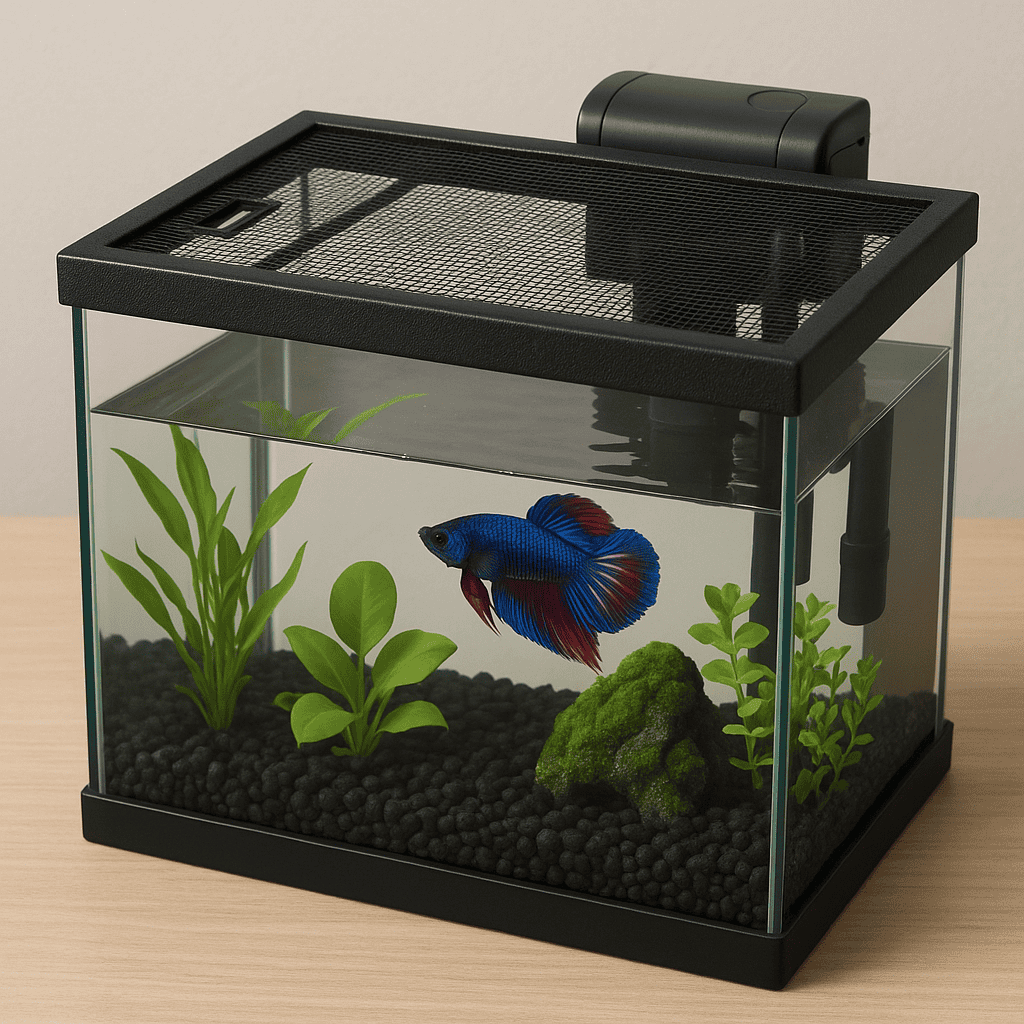
Before introducing a new fish to your tank, it’s vital to verify that the environment is perfectly prepared for their arrival.
Always confirm stable conditions by following these steps:
- Perform thorough tank cleaning and a near 100% water change.
- Sanitize all decorations and equipment to eliminate contaminants.
- Allow the tank to run fishless for at least a week or two.
- Regularly test water parameters to make sure ammonia and nitrite levels are at zero.
- Once everything is stable, I slowly acclimate the new fish, making sure they’ll thrive in their new home.
Keeping beneficial bacteria levels is important during this process, and consider adding an air stone to improve oxygenation while the nitrogen cycle establishes itself!
Conclusion
Losing a fish due to fish death can be tough, but it’s important to take the right steps for your tank.
After cleaning and ensuring the environment is safe, you can begin preparing for a new fish. Remember to cycle the tank properly and choose compatible tank mates – perhaps neon tetra if you’re considering a community setup.
Monitor water temperature closely and consider adding live plants to create a natural environment. Your new fish deserves a healthy home, just like your betta did.
With care and attention, you can create a thriving aquatic environment again, and using a filter bacteria booster can help establish beneficial bacteria quickly, honoring your betta’s memory while welcoming new life.