In my experience, pellets are far superior to flakes for bettas. They provide a concentrated source of nutrients, ensuring better overall health, growth, and energy levels. Bettas actually prefer pellets because their mouth structure makes eating flakes challenging.
Additionally, pellets help maintain nutritional integrity when submerged, reducing waste. I’ve noticed that varied fish food diets lead to happier fish, so exploring different food types, including occasional treats, can keep your betta thriving and vibrant. There’s much more to evaluate for ideal feeding!
Nutritional Value and Health Benefits of Pellets
When it comes to feeding bettas, I find that Betta Pellets often offer superior nutritional value compared to flakes, primarily due to their concentrated formulation. High-quality pellets, like Omega One and New Life Spectrum Betta Pellets, provide nutrient-dense proteins and fats essential for a betta’s overall health.
Unlike flakes, pellets maintain their nutritional integrity when submerged, preventing loss of crucial nutrients. Their design allows for controlled feeding, addressing the dietary needs of bettas efficiently and reducing waste. Additionally, incorporating occasional treats like frozen bloodworms can complement their diet, but pellets remain the cornerstone of a healthy feeding regimen for the fish.
Some aquarists also use freeze-dried food and freeze-dried food options alongside frozen foods such as Mysis Shrimp and mosquito larvae to diversify nutrition.
Feeding Preferences and Behavior of Bettas
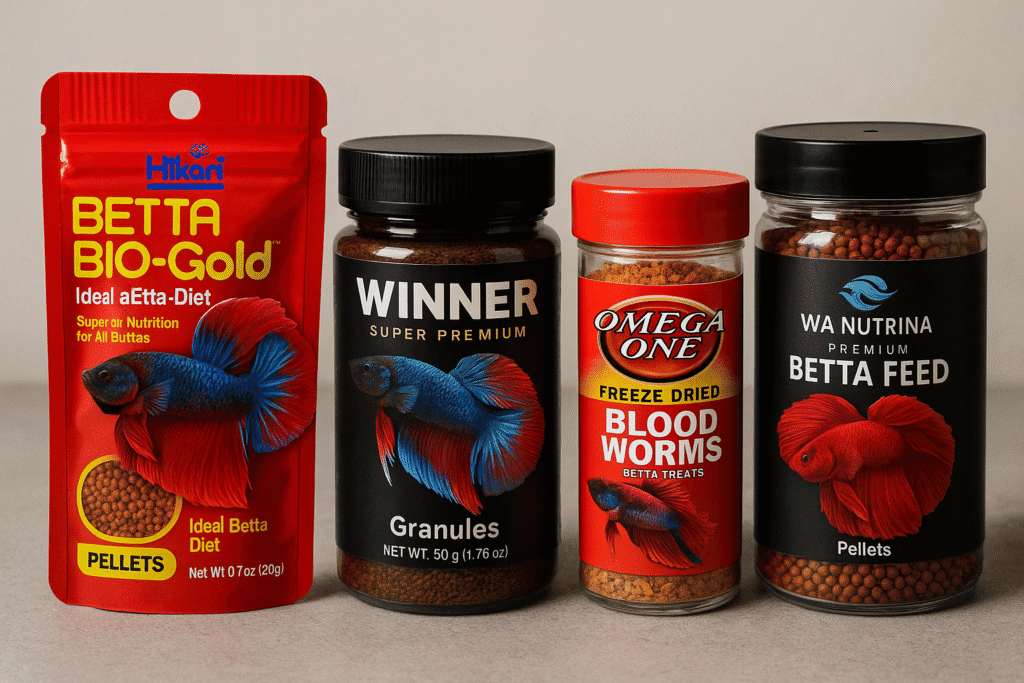
Although bettas are known for their vibrant colors and engaging personalities, their feeding preferences can be quite complex. As a Betta fish owner, I sometimes introduce live food such as Tubifex worms and alternate tropical flakes to keep feeding interesting.
Many bettas struggle with Betta Flakes due to their mouth structure, often favoring frozen bloodworms or brine shrimp instead. Individual preferences vary; some bettas are particular about brands like Hikari. To enhance their diet, I suggest rotating between food types and employing techniques like pre-soaking pellets.
Observing their behavior, such as searching the tank’s bottom, can provide insights into their preferences. Here’s a quick comparison of common betta food options:
| Food Type | Preferences |
|---|---|
| Flakes | Sometimes accepted |
| Pellets | Often preferred |
| Frozen Blood Worms | Highly favored |
| Brine Shrimp | Very popular |
| Quality Flake Food | Varies by Betta |
Conclusion
In summary, while both flakes and pellets can serve as viable food options for bettas, I find that pellets often provide superior nutritional value and promote healthier feeding behaviors. Their density guarantees a balanced diet, reducing waste and maintaining water quality.
Observing my bettas, I’ve noticed they exhibit more natural hunting instincts when engaging with pellets. Maintaining a stable water temperature and monitoring tank water parameters in a planted tank further supports nutrient absorption.
Ultimately, choosing the right food can enhance their overall well-being and vibrancy, making pellets a preferable choice for dedicated betta owners.