Betta fish don’t stop eating when they’re full; in fact, they often eat to excess, which can lead to serious health problems like constipation and bloating. I’ve noticed that healthy bettas have slightly rounded abdomens rather than swollen bellies, indicating proper feeding.
To prevent issues, it’s essential to control portion sizes and feeding frequency. Observing their behavior and adjusting accordingly can help maintain their health. Let’s explore how to promote better feeding habits for your betta.
Understanding Betta Fish Feeding Behavior
How do betta fish approach feeding? Betta fish are opportunistic feeders, which means they often eat even when they’re full, leading to potential overeating. I’ve learned that a healthy betta should have a slightly rounded abdomen, signaling satisfaction with their food intake. However, if I’m not careful with portion size, it can result in health issues like constipation and bloating.
Bettas may beg for food despite already being full, so it’s essential for me to monitor feeding frequency and adjust amounts based on their activity level. By keeping an eye on their stomach size and ensuring the nutritional value of their diet, I can help prevent complications and promote a healthier life for my betta fish.
Signs of Overeating and Solutions
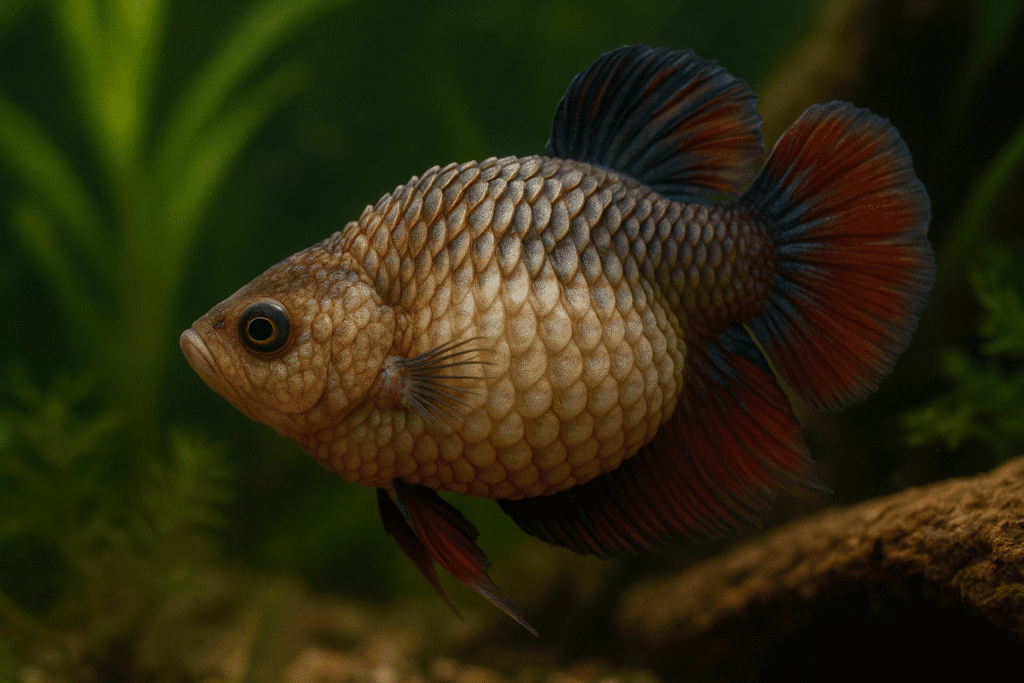
While keeping an eye on my betta fish’s feeding habits, I’ve noticed that overeating can become a significant concern. Recognizing the signs of overeating is essential for their health. Here are some indicators to watch for:
- Swollen bellies – A clear sign that your fish might be overfed.
- Visible swim bladders – This indicates they’re struggling with digestion.
- Increased waste production – A sign that they’re consuming more than necessary.
To address these issues, I recommend monitoring their stomach appearance, aiming for a slightly rounded abdomen. Feed them only what they can consume in 2-3 minutes and promptly remove any uneaten food. Implementing fasting days every 7-10 days can also help reset their feeding habits and promote better digestion.
Conclusion
In summary, betta fish do have a natural instinct to stop eating when they’re full, but this can vary based on individual behavior and environmental factors. It’s vital to monitor their feeding closely to prevent overeating, which can lead to health issues. By understanding their signs of fullness and maintaining a regular feeding schedule, you can guarantee your betta remains healthy and happy. Remember, a little care goes a long way in nurturing your aquatic friend!