Using tannin-rich water in betta tanks mimics their natural blackwater environments, providing numerous benefits. Tannins help lower pH, creating an acidic habitat favored by bettas. They possess antimicrobial properties, supporting fish health and immunity.
Additionally, the tea-like coloration reduces light penetration and enhances the aesthetic appeal of your aquarium. This setup offers essential hiding spots, promoting breeding behaviors. If you’re curious about the best ways to achieve and maintain these conditions, you’ll find valuable insights ahead.
Understanding Tannins and Their Role in Betta Aquariums
While many aquarists may overlook the importance of tannins, they play an essential role in creating a healthy environment for bettas. Tannins, derived from decaying plant materials like Indian almond leaves, contribute to the Blackwater Aquariums’ acidic conditions, which are ideal for betta fish. These compounds help lower pH levels, making the water suitable for species that thrive in softer environments.
Furthermore, tannic acids possess antimicrobial and antifungal properties, enhancing betta health, reducing stress, and preventing infections. The rich brown color of blackwater not only mimics the betta’s natural habitat but also provides vital hiding spots, reducing visibility to potential predators. Regularly replacing tannin sources is important for maintaining these benefits and ensuring the well-being of your bettas.
The Importance of Mimicking Natural Blackwater Environments
Mimicking natural blackwater environments is crucial for the overall health and well-being of bettas. These conditions, rich in tannins from sources like Indian almond leaves, create a familiar habitat that promotes breeding and reduces stress. The tea-like coloration enhances aesthetics while decreasing light penetration, which is beneficial for light-sensitive bettas.
Understanding water chemistry is essential for maintaining a lower pH level in a blackwater environment to help prevent harmful microorganisms and infections.
| Benefits | Details |
|---|---|
| Shelter & Privacy | Crucial for breeding and stress reduction. |
| Antifungal Properties | Found in tannins, protecting fish health. |
| Nutrient Source | Decaying organic matter provides crucial nutrients. |
| Beneficial Bacteria | Promotes overall aquarium health and stability. |
Health Benefits of Tannins for Betta Fish
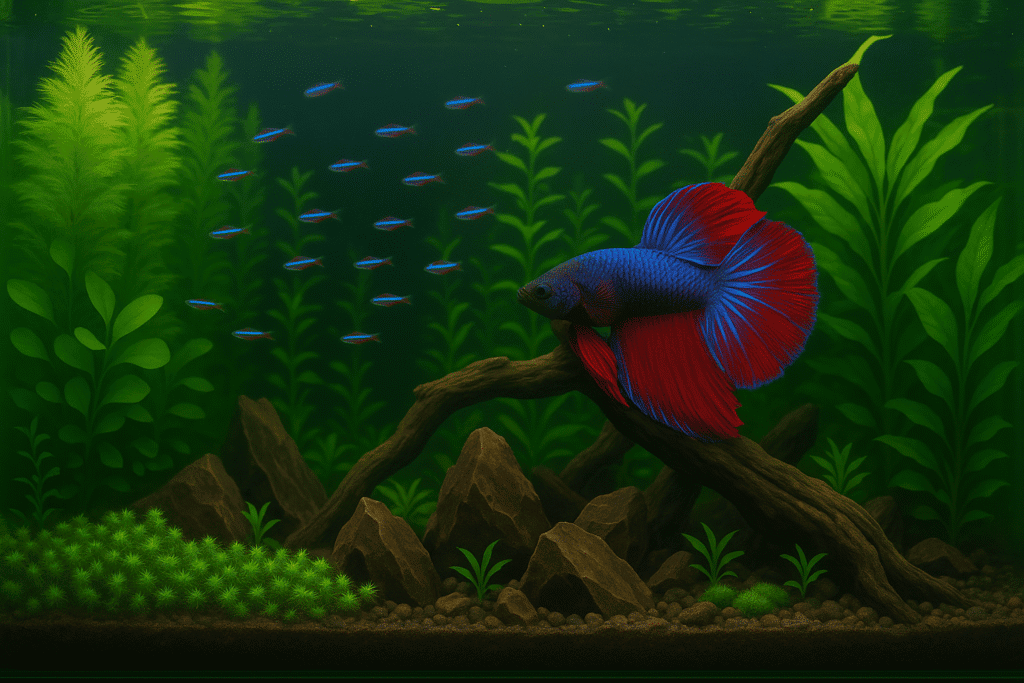
Tannins play an essential role in supporting the health of betta fish, as they offer a range of benefits that enhance well-being and resilience. In Blackwater Aquariums, tannins provide antimicrobial and antifungal properties, helping to prevent infections and promote overall health in bettas. By lowering pH levels, tannins create more acidic water that is beneficial for betta fish, eliminating harmful microorganisms.
This unique habitat also enhances their immune systems, making them less susceptible to diseases and stress. Furthermore, tannins are particularly advantageous for betta fry, offering privacy and protection that facilitate successful breeding and growth. Professional betta breeders in Southeast Asia have noted that tannins aid in faster healing from skin infections, further underscoring their health benefits for betta fish.
Creating Tea-Stained Water: Methods and Techniques
Here’s a quick comparison of the methods:
| Method | Description |
|---|---|
| Direct Addition | Add dried Indian almond leaves directly |
| Boiling Method | Simmer leaves in dechlorinated water |
| Frequency | Replace leaves every 2-3 weeks |
| Tannin Benefits | Enhances health and coloration for bettas |
Monitoring Tannin Levels and Water Parameters

After creating that tea-stained water to enhance the environment for your bettas, it’s important to keep an eye on the tannin levels and overall water parameters. Monitoring the aquarium water color closely; a tea-like hue indicates proper tannin presence, but ensuring it stays moderate to avoid stress on the fish is crucial.
Regular testing of pH is essential, as excessive tannins can lead to rapid pH shifts—aiming for a pH between 6.5 and 7.5 is ideal. I perform partial water changes of 10-20% weekly to dilute excess tannins while stabilizing the environment. Additionally, tracking the breakdown of botanicals like Indian almond leaves and replacing them every 2 to 3 weeks maintains balanced tannin levels in the betta tank.
Enhancing Aesthetic Appeal With Blackwater Conditions
While many aquarists focus on water parameters and fish health, enhancing the aesthetic appeal of a blackwater tank is equally important. A blackwater aquarium creates a rich, tea-stained environment that mimics the natural habitats of bettas, showcasing their vibrant colors against a warm backdrop. The tannin-rich water not only improves the visibility of these hues but also promotes a more authentic biotope experience.
By incorporating natural materials like Indian Almond Leaves, layers of visual interest can be added, creating a dynamic aquascape. I find this unique aesthetic encourages creativity, allowing for designs that reflect the bettas’ natural surroundings, resulting in an enchanting display that engages both the fish and those who admire them.
Experimenting With Aquarium Botanicals for Optimal Results
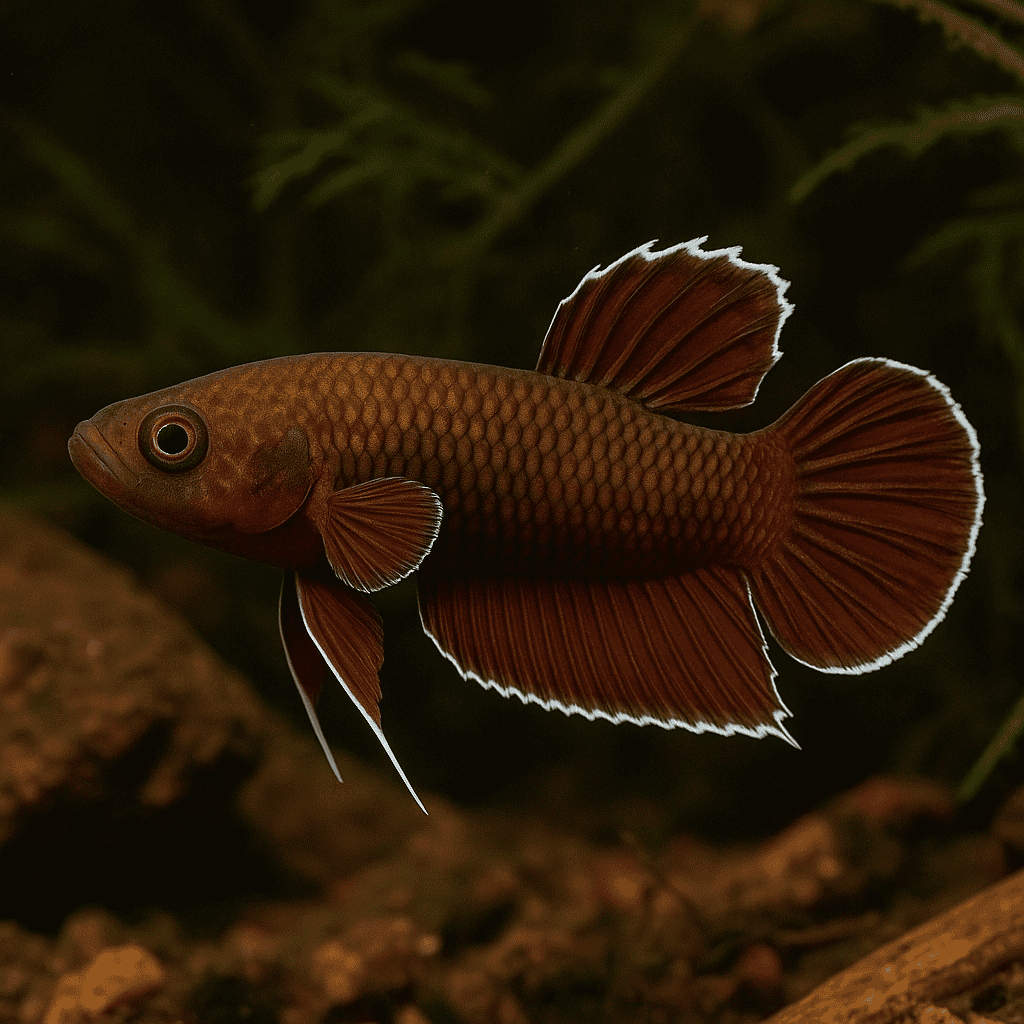
Creating a visually appealing blackwater tank is just the beginning; experimentation with Betta Botanicals is key to achieving perfect water conditions for bettas. Adding tannins from Indian almond leaves and alder cones not only creates that desirable tea-stained appearance but also promotes the health of tropical fish. Gradually introducing these botanicals minimizes stress by preventing sudden pH shifts.
I often brew blackwater tea from these botanicals, adding it during water changes to maintain ideal tannin levels. Key Differences in botanical selection and regular monitoring of water parameters guarantee bettas thrive. Combining these botanicals with natural decorations further enriches their environment, enhancing both aesthetics and overall well-being. Through our Pack Fundraiser experiences, balancing beauty and health remains the ultimate goal in creating a thriving aquatic habitat.
Conclusion
To summarize, incorporating tannin-rich water into your betta fish tank can greatly enhance your fish’s health and well-being. By mimicking their natural blackwater habitats, an environment that supports their vitality is created.
Monitoring tannin levels and utilizing effective methods to achieve tea-stained water not only improves aesthetics but also enriches the overall ecosystem. Experimenting with various botanicals allows for tailoring the conditions for best results, ensuring bettas thrive in a balanced and stimulating habitat.